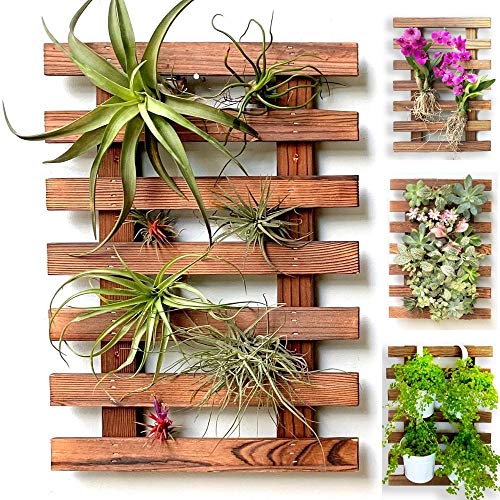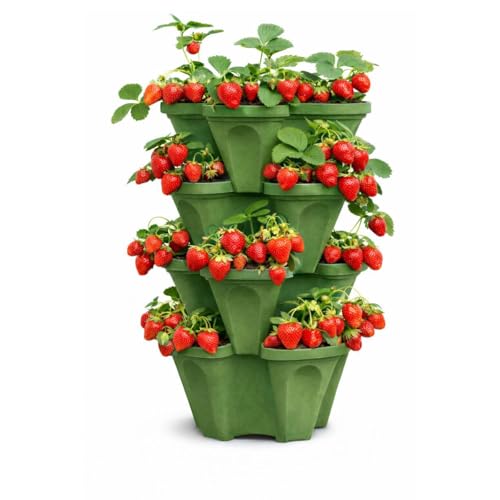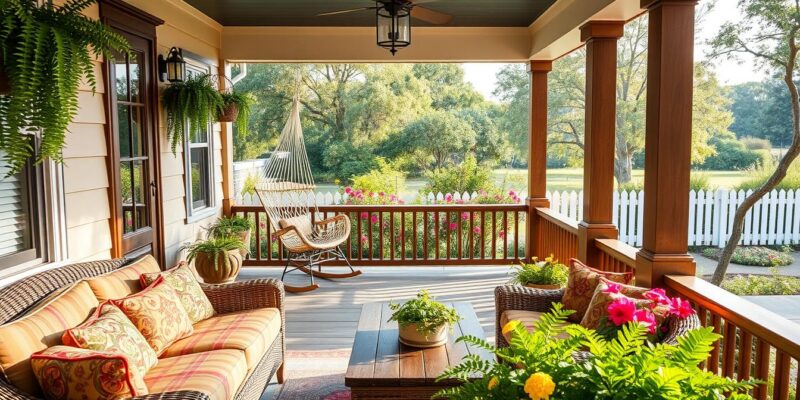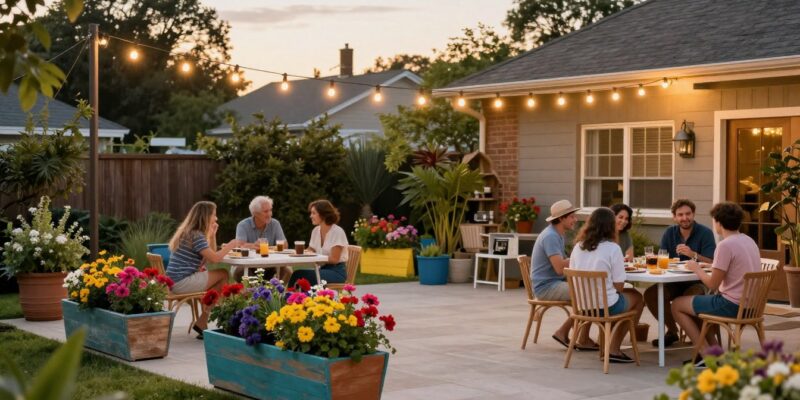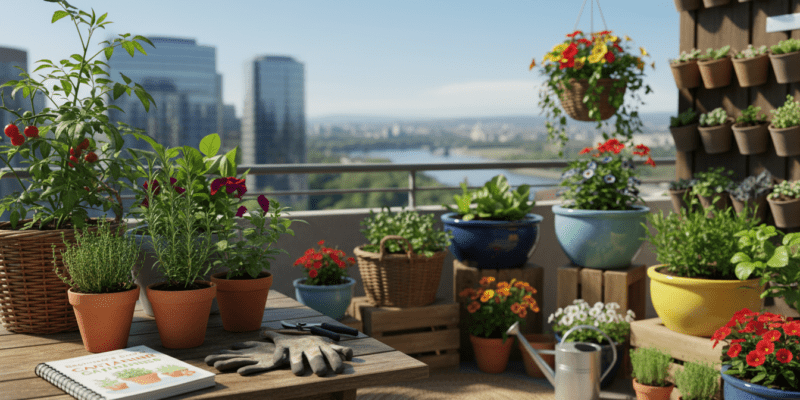
Starting your container gardening journey is fun. It brings life to small spaces. You can grow veggies, herbs, fruits, and flowers in containers.
Whether you have a balcony, patio, or a small outdoor area, container gardening is a great choice. I’ll share tips and practices to help you. This way, you can grow your own food and enjoy beautiful flowers all year.
Key Takeaways
- Container gardening is perfect for small or urban spaces without traditional gardens.
- You can grow a wide variety of plants, from edibles to decorative flowers.
- Choosing the right containers and soils is key to success.
- Consistent care routines improve plant health and productivity.
- Using expert resources can boost your container gardening knowledge.
- Container gardening supports sustainability and self-sufficiency.
- This guide offers proven container gardening tips for beginners.
Understanding Container Gardening: Basics and Benefits
Container gardening is fun and easy. It’s great for small spaces or big ones. You can grow many plants in pots.
It’s perfect for city living or small yards. You can move pots to get more sun or hide from bad weather.
What is Container Gardening?
Container gardening uses pots to grow plants. It’s different from digging in the ground. You can pick the right soil and sun for your plants.

Key Advantages of Container Gardening
Container gardening is very flexible. You can move plants to get more sun or stay cool. It’s also easy to keep the soil right and fight pests.
It lets you try new plant setups. This makes your space look good, no matter the size.
Who Can Benefit from Container Gardening?
Anyone can enjoy container gardening. It’s great for apartment dwellers or those without yards. It’s perfect for beginners or experts.
It’s also good for those who want to live green. You can grow food and pretty plants. It makes your life and space better.
Choosing the Right Plants for Your Container Garden
Starting a comprehensive container gardening success journey is exciting. The first step is picking the right plants. This is true for both edible gardens and those filled with flowers and herbs.
Best Edible Plants for Containers
Herbs like basil, thyme, and parsley are great for your kitchen. They also do well in containers. Vegetables like lettuce and cherry tomatoes are perfect for containers. They’re tasty and look good too.
Herbs, Vegetables, and Fruits That Thrive
Successful container gardening is rewarding. Seeing your plants grow into juicy strawberries or crisp greens is amazing. Small patio gardens can grow dwarf peppers and beans, making them very productive.

Incorporating Decorative and Companion Plants
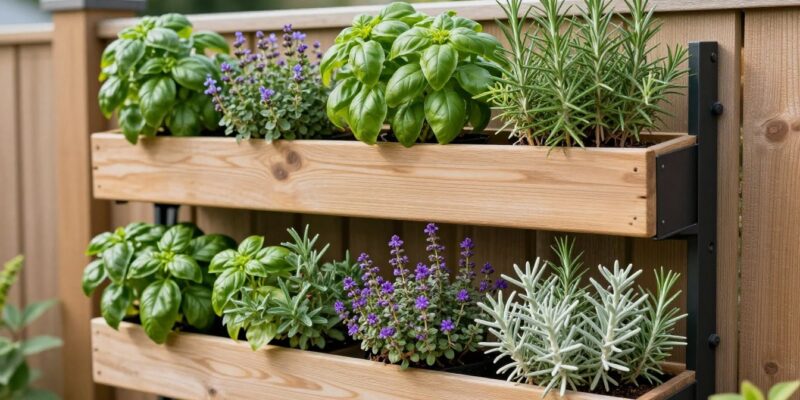
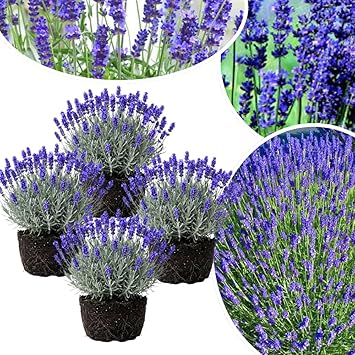
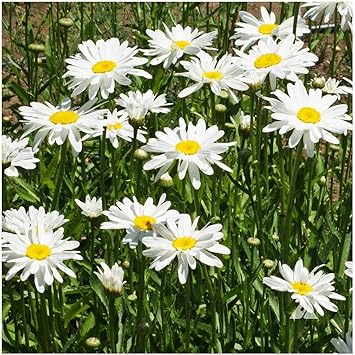
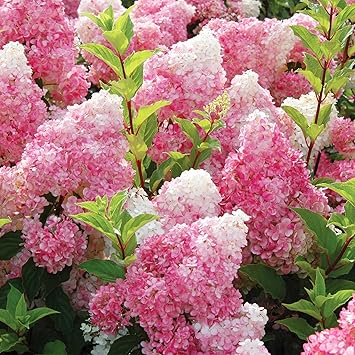
Adding companion plants to your garden is smart. It makes your garden healthier and prettier. Pairing herbs like rosemary with flowers like sweet alyssum creates a lively space. It’s good for pollinators and looks great.
Shop
We earn a commission if you make a purchase, at no additional cost to you.







| Plant Type | Watering Needs | Sunlight Requirements | Companion Plant |
|---|---|---|---|
| Basil | Moderate | Full Sun | Parsley |
| Cherry Tomatoes | Frequent | Full Sun | Marigolds |
| Strawberries | Consistent | Full Sun to Partial Shade | Borage |
| Sweet Alyssum | Light | Full Sun to Partial Shade | Rosemary |
Following container garden care tips is important. Choosing the right companions and knowing what each plant needs is key. With these tips, your container garden will flourish.
Selecting the Ideal Container: Types, Sizes, and Materials
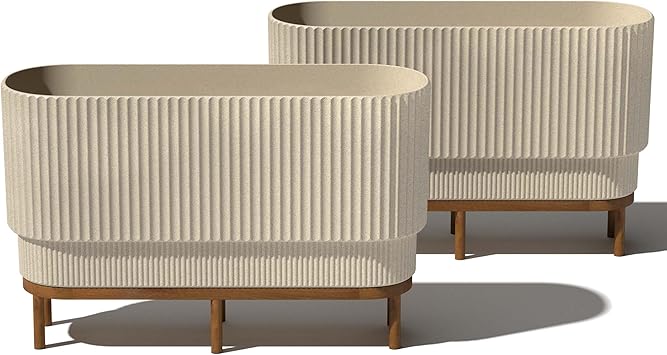
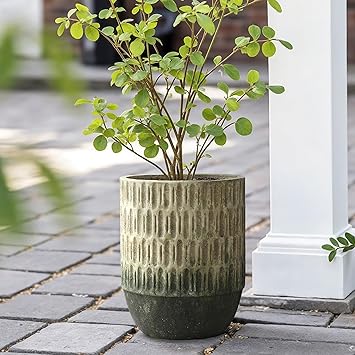
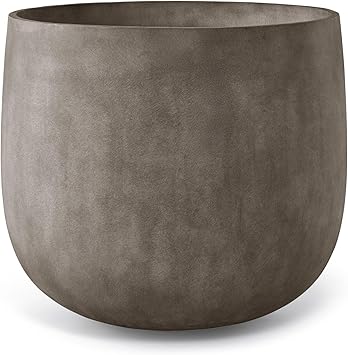
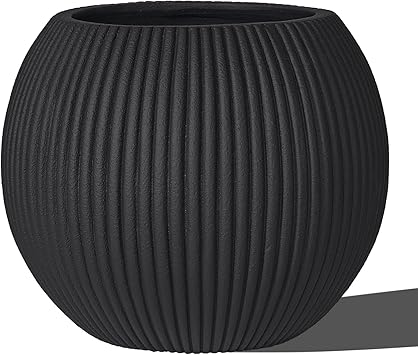
Choosing the right container is key to your garden. The size, type, and material of the container matter a lot. They help your plants grow well. Let’s look at the options to make your garden better.
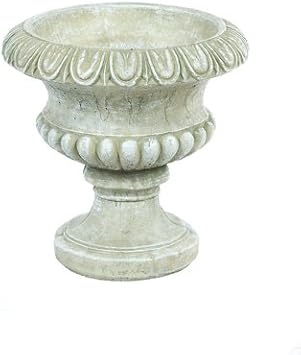
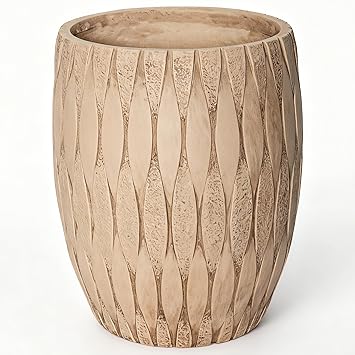
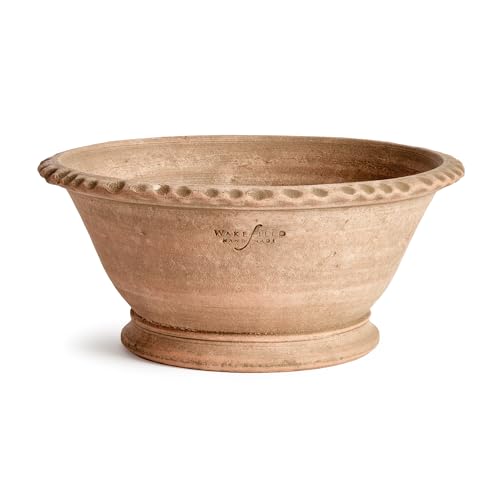
Shop Containers
We earn a commission if you make a purchase, at no additional cost to you.






Container Sizes and Plant Requirements
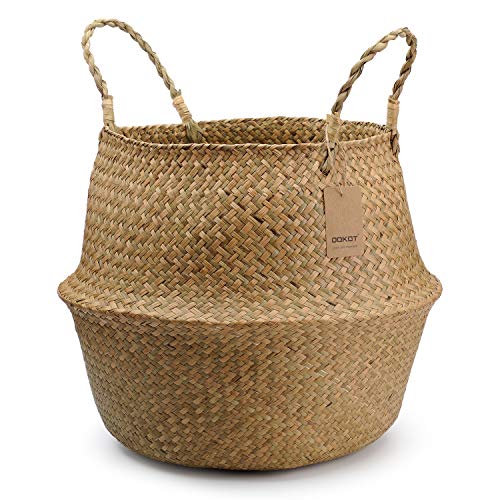
It’s important to know how big a pot needs to be for a plant. Small herbs do well in small pots. But big veggies need more room for their roots. Make sure each plant has enough space to grow.

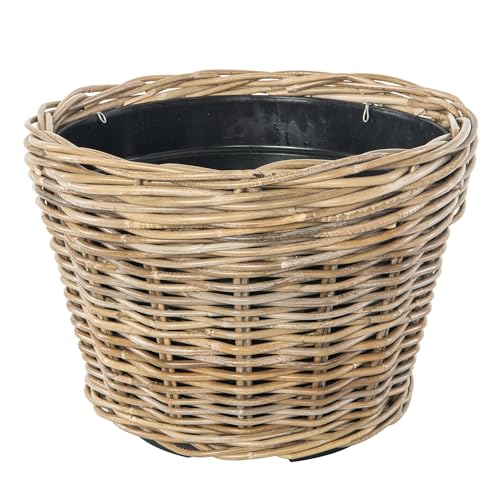
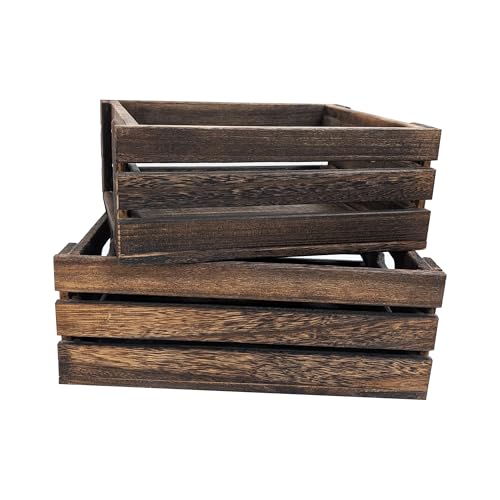
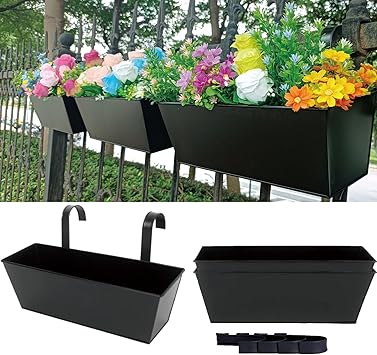
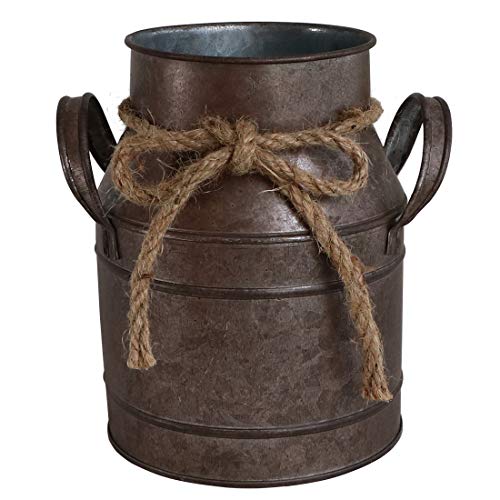
Material Options: Plastic, Terracotta, Wood, and Metal
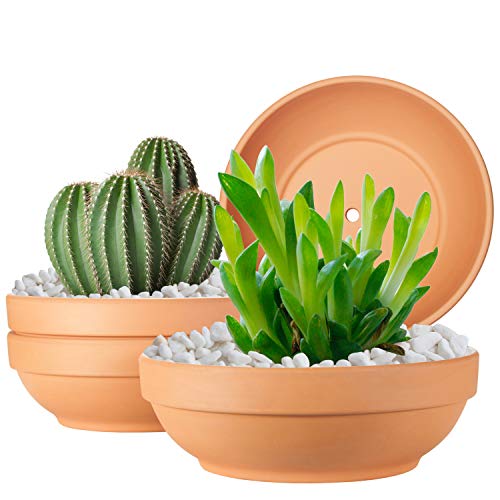
The material of your container affects your plants. Plastic pots keep moisture in and are light. Terracotta pots let air in, which helps prevent diseases. But they dry out fast in the sun.
Wood containers keep things warm but can rot if not treated. Metal pots are strong and look good, but get hot in the sun. Choosing the right material is important for a good garden.
Importance of Drainage and Portability
Drainage is very important in container gardening. Each pot needs holes to let water out. This stops water from causing diseases. Self-watering pots are also good for keeping the right amount of moisture.
Being able to move your pots is also great. It lets you put plants where they get the most sun or stay safe from bad weather. This is very helpful for city gardeners with little space.
| Material | Benefits | Considerations |
|---|---|---|
| Plastic | Lightweight, retains moisture | Can degrade over time |
| Terracotta | Breathable, stylish | Dries out quickly |
| Wood | Natural insulation, aesthetic | Can decay, needs treatment |
| Metal | Durable, modern look | Can overheat in sun |
Soil and Potting Mix Essentials for Container Gardening
Starting a container garden means knowing the right soil mix is key. Unlike regular gardening, container gardening needs special soil. This ensures a comprehensive container gardening success guide, with important container garden care tips and successful container gardening techniques.
Why Garden Soil is Not Suitable
Using garden soil in containers might seem easy. But it’s not good because it compacts. This stops water from draining and roots from getting air, harming plant health and growth.
Shop Garden Soil
We earn a commission if you make a purchase, at no additional cost to you.


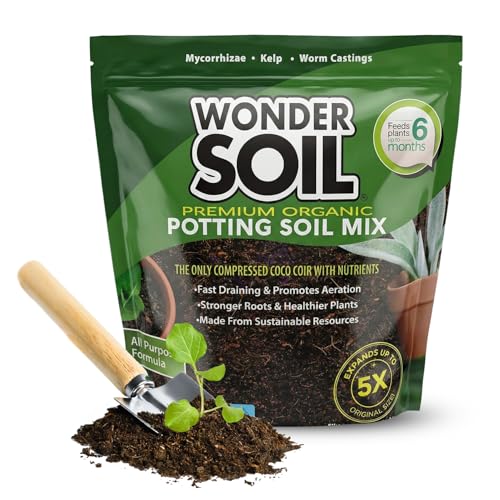


Components of a Quality Potting Mix
A good potting mix is vital for a thriving container garden. It should be light and fluffy for good air and water. Peat moss, perlite, vermiculite, and composted bark are common ingredients. They keep nutrients and air balanced for healthy plants.
Choosing Potting Mixes Based on Plant Needs
Choosing the right potting mix depends on the plants you want. Cactuses and succulents need a sandy mix. Leafy veggies like a mix that holds water. Organic mixes are good for the environment and plants.

| Plant Type | Recommended Potting Mix Type | Key Features |
|---|---|---|
| Cacti and Succulents | Sandy Mix | Fast draining, low moisture retention |
| Leafy Vegetables | Moisture-Retentive Mix | High compost content retains water well |
| Flowering Plants | Balanced Mix | Equal parts peat, perlite, and compost |
Knowing these basics helps your container garden grow well. The right soil or mix is key to a healthy garden. Choose based on your plants’ needs, and your garden will be lush and vibrant.
Shop
We earn a commission if you make a purchase, at no additional cost to you.





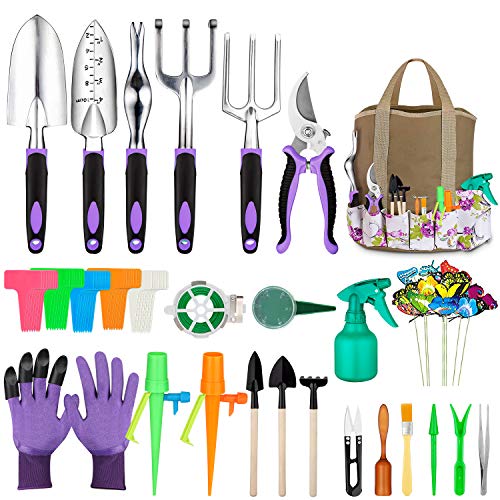

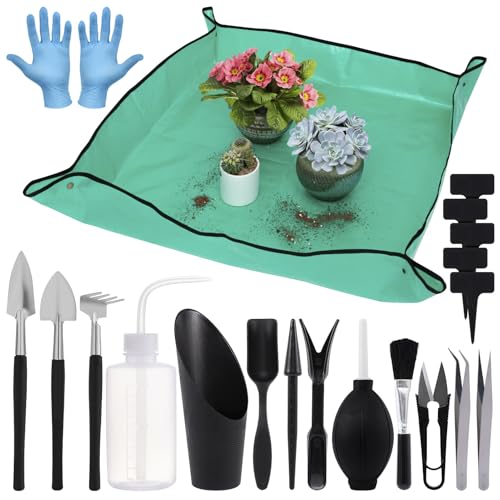


Watering Techniques and Timing for Thriving Container Gardens
Learning to water your plants correctly is key to a great container garden. The right way and time to water affects your plants’ health. Here are some tips to help your plants stay moist and happy.
Checking Soil Moisture Effectively
To keep your garden healthy, check the soil moisture well. The best way is to feel the soil with your fingers. If it’s dry, your plants need water.
You can also use a soil moisture meter. It gives a precise reading. This helps avoid too much or too little water.
Watering Frequency and Depth
Knowing how often and how deeply to water is important. Water deeply so the roots get wet, not just the top. Let the soil dry a bit before watering again.
How often you water depends on the plants, container size, and weather. Herbs and plants that like dry soil need less water.
Benefits of Self-Watering Containers
Self-watering containers are a great choice for a thriving garden. They have reservoirs that keep the roots moist. This is good for hot weather or busy people.
These containers keep the right moisture for plants. This helps them grow strong and healthy.

Consistency is the secret to a successful container garden. Follow these tips to keep your garden healthy and vibrant all season.
Feeding Your Container Plants: Fertilization Tips and Strategies
Let’s talk about container garden care tips. We start with fertilization. It’s key for your garden’s success, whether you use advanced container gardening methods or best container gardening practices.

Start with slow-release fertilizers in your potting mix. They give nutrients slowly. This is great for container gardens because the soil runs out of nutrients fast.
Slow-Release Fertilizers at Planting Time
Adding slow-release fertilizers at planting helps a lot. It gives your plants the nutrients they need as they grow. This helps roots grow strong and avoids waste.
Supplementing with Liquid Fertilizers
Start using liquid fertilizers two weeks after planting. I like organic ones like fish emulsion or seaweed. They give plants the nutrients they need to grow and bloom.
Shop Fertilizers
We earn a commission if you make a purchase, at no additional cost to you.

![Organic Plant Magic - Fast-Acting Water Soluble Plant Food - All-Purpose Fertilizer Concentrate for Flower, Vegetable, Herb, Fruit Tree, Garden & Indoor Houseplants [One 1/2 lb Bag]](https://m.media-amazon.com/images/I/51XGClMsqeL._SL500_.jpg "Comprehensive Container Gardening Success Guide for Beginners")


Avoiding Over-Fertilization
Don’t over-fertilize your plants. Too much can hurt them. Watch how your plants react to the fertilizer. This helps you adjust and keep your garden healthy.
With the right feeding, your container garden will thrive. It shows the value of caring for your plants with advanced container gardening methods.
Container Garden Placement and Light Requirements
Knowing where to put your container garden is very important. It affects how well it grows. Understanding what light each plant needs is key. This helps your garden grow well, as our guide shows.
Sunlight Needs by Plant Type
Every plant needs different amounts of sunlight. For example, herbs and veggies need lots of sun. They need more than six hours of direct sunlight each day.
But some plants, like leafy greens or parsley, need less sun. They don’t like too much sun, or they might get burned.
Microclimates and Container Placement Tips
Knowing the microclimates in your home helps your plants. A sunny porch is great for sun-loving plants. A shaded balcony is better for plants that don’t like too much sun.
Watch how sunlight changes in your spot at different times. This helps your plants get the right amount of light. Too much sun can hurt them.

Move your containers to get the right light. This helps your garden grow well. Grouping plants with similar needs makes things easier.
Use sun calculators or apps to plan your garden’s light. This helps your garden get the best light all year. It’s good advice for every gardener.
Comprehensive Container Gardening Success Guide: Proven Tips and Techniques
Welcome to your go-to resource for container gardening success! Whether you’re starting or refining your skills, a few key practices can make a big difference. I’ll share essential tips and techniques to help your garden thrive.
Starting Small and Scaling Up: Begin with a few containers to learn the ropes. This approach helps you focus on each plant. As you get better, you can add more containers and try new things.
Regular Maintenance Practices: Keeping up with your garden is key. This includes:
- Checking soil moisture to water plants correctly.
- Pruning to keep plants healthy and looking good.
- Removing spent flowers to keep plants blooming.
- Getting plants used to outdoor conditions slowly.
Preventing Common Issues: Watch for pests and diseases early. Catching them fast can stop them from spreading. Make sure containers drain well to avoid root rot. Adjust for weather to keep plants happy.
In summary, learning these tips and techniques will make your plants healthier and more beautiful. Remember, being flexible and trying new things is important. Happy gardening!
Conclusion
Container gardening is a fun way to add greenery and fresh food to any space. This guide has taught me a lot about plants and gardening. It shows how important it is to know what plants need and to choose the right containers.
It’s amazing how well container gardening works in any space. You can garden on a balcony, patio, or even a windowsill. With the right care, like watering and feeding, your plants will grow well.
But gardening comes with challenges like keeping plants dry and dealing with pests. Yet, with the right care, your garden will thrive. I think everyone should try container gardening. It’s a great way to enjoy nature and grow your own food.
FAQ
What exactly is container gardening?
Container gardening means growing plants in pots, tubs, or raised beds. It’s ideal for small spaces and is easy to maneuver. This makes gardening simple and fun.
What are the main benefits of container gardening?
It’s perfect for small spaces and lets you control the soil. You can move plants for better sunlight. It also means fewer weeds and more creative gardening methods.
Who can benefit from container gardening?
Anyone can enjoy container gardening. It’s ideal for city dwellers and experienced gardeners. It’s easy for all ages and skill levels.
Which edible plants grow best in containers?
Herbs like basil and thyme love containers. So do veggies like tomatoes and lettuce. Fruits like strawberries also do well.
How do I incorporate companion and decorative plants in my container garden?
Choose plants that like the same light and water. Thyme and rosemary are good together. Decorative plants like sweet alyssum add color and attract bees.
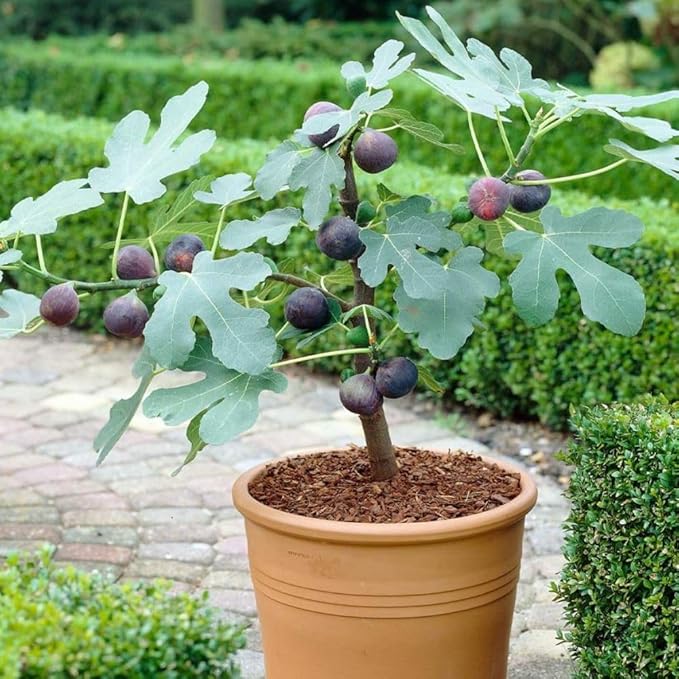
What should I consider when choosing containers?
Pick a container that fits your plant’s roots. Consider the material, such as plastic or wood. Make sure it has holes for water and is easy to move.
Shop Containers
We earn a commission if you make a purchase, at no additional cost to you.



Why isn’t garden soil suitable for container gardening?
Garden soil is too heavy for containers. It can hurt the roots. Use special potting mixes that help with air and water.
How often and how deeply should I water my container plants?
Containers dry out fast. Check the soil often. Water deeply, but let it dry a bit before watering again. This depends on the plant and the weather.
What are the benefits of self-watering containers?
Self-watering containers keep the soil moist. This means you water less often. They’re great for busy gardeners.
How should I fertilize my container plants for the best results?
Mix slow-release fertilizers into the soil at planting. Use liquid fertilizers every week or two. Don’t overdo it to keep plants healthy.
How do I determine the best placement for my container garden?
Different plants need different types of light. Most herbs and veggies need lots of sun. Some greens like shade. Move plants to the best light and temperature.
What are some proven container gardening tips for beginners?
Start with a few containers. Watch the soil moisture and prune plants. Check for pests and diseases. Good drainage and acclimation help avoid problems.
How can I prevent common container gardening issues like pests, diseases, and root problems?
Keep new plants separate and ensure good drainage. Avoid too much water and remove sick plants fast. Regular checks help catch problems early.