Start with soil for spring garden prep. First, test the pH levels. Add compost or organic matter to balance the nutrients.
Cool-season crops like spinach and kale do well early. Use marigolds and onions to keep pests away. They repel aphids and carrot flies.
Mulch beds with straw or shredded leaves. This keeps moisture in and weeds out. Water deeply in the morning to protect roots and avoid mold.
Tracking progress in a journal is great. Note when to plant peas or radishes when soil hits 45°F. A soil thermometer helps time planting perfectly.
Soaker hoses save water and build strong roots. Invite pollinators with native flowers like milkweed. Clean up debris to stop pests and disease before they spread.
Key Takeaways
- Test soil pH yearly and amend with compost for healthy growth.
- Plant spinach, kale, and carrots early using a soil thermometer for timing.
- Pair marigolds with vegetables to deter pests naturally.
- Mulch with straw or bark chips to retain moisture and block weeds.
- Use a gardening journal to track planting dates and pest patterns.
Garden Assessment and Planning Basics
Spring is the best time to check your garden’s health and plan for success. Follow this spring garden prep process to avoid feeling overwhelmed. Start by doing a thorough check to make a personal spring gardening to-do list.
Evaluating Your Garden’s Current State
Start by walking your garden and noting any damage or debris. Use this spring garden clean-up guide to know what to do first. Look for pests, soil erosion, and how plants are doing. Seasonal garden tasks change based on where you live:
| Zone | Prep Time | Key Tasks |
|---|---|---|
| 3-5 (Cold Climates) | Mid-April | Wait for dry soil; remove winter debris |
| 6-7 (Mild Winters) | Early March | Clear beds, plant early crops |
| 8-10 (Warm Climates) | January | Start early planting; monitor cold snaps |
Creating Your Garden Layout
Design your garden with practicality in mind. For borders, mix evergreen and deciduous hedges like yew or hornbeam. Yew does well in well-drained soil with 200mm grit in heavy soils. For small gardens, mirrors can make it seem deeper. Arches with roses like Rosa ‘Souvenir de la Malmaison’ add beauty. Farrow & Ball’s ‘String’ paint is good for shady gates.
- Use hedges for structure
- Choose arches with flowering plants
- Paint gates with color-matched hues
Setting Realistic Goals for the Season
Set goals you can reach. Beginners start with small vegetable beds. Use a spring gardening checklist to keep track. Focus on 2-3 main things like soil prep or new plants. Mix gardening for beginners with more advanced tasks.
Remember, a well-planned garden starts with checking and smart design. Your garden planning spring steps today will help your garden thrive all year.
Essential Spring Garden Prep Checklist
Starting your early spring gardening journey? Follow this guide to make your garden bloom. First, do a garden clean-up checklist to get rid of winter mess. This makes your garden healthy and pest-free.

- Clear beds and borders: Clean up flower beds by removing old mulch and dead plants. This is important for flower bed preparation and vegetable garden prep. Add compost to make the soil better for plants.
- Test and amend soil: Use a soil test kit to see if your soil is right. Add organic matter if it’s not good. Don’t till wet soil to avoid damaging it.
- Prune strategically: Cut off dead branches but wait to prune plants that bloom in spring. Make sure your tools are sharp for clean cuts.
- Prepare planting areas: For vegetable garden prep, plant peas, lettuce, and radishes. Divide crowded perennials to make more flowers.
- Maintain tools: Sharpen mower blades and check your irrigation system. Go to workshops like USU Extension pruning demos for tips.
Check your plants for winter damage and fix problems early. A good garden clean-up checklist helps your garden grow all season. Happy planting!
Soil Testing and Amendment Strategies
Healthy soil is key for a great organic spring garden. Begin with a soil test to find out what it needs. A mason jar test shows soil type, and kits from nurseries or extension services check pH and nutrients.
Understanding Soil pH Levels
Soil pH affects how nutrients are used. Most veggies like a pH of 6.0–7.0. But blueberries do best at lower levels.
To adjust pH, add lime for acidic soils or sulfur for alkaline ones. Test again in 6–8 weeks to see how it’s doing. This is important for to help roots absorb nutrients well.
Choosing the Right Fertilizers
Choose fertilizers based on what plants need. Leafy greens need nitrogen, and tomatoes need phosphorus for fruit. Use organic options like compost, fish emulsion, or cover crops like clover.
Avoid too much fertilizer. Stick to the package instructions to prevent harm to plants. This is part of that focus on plant health without harmful chemicals.
Composting Basics for Spring
Make compost from garden waste! Mix “browns” (dried leaves, paper and “greens” (grass clippings, veggie scraps in a 3:1 ratio. Turn it weekly, keeping it moist like a wrung-out sponge.
Finished compost makes beds rich, reducing the need for store-bought stuff. This is a big part of for a green .
Tool Maintenance and Organization
Keeping your tools in good shape is key for spring garden maintenance. It makes your work safer and more efficient. Start by cleaning handles and sharpening blades. For new gardeners, a Carsolt 10-Piece Stainless Steel Garden Tool Set is perfect for basic care.
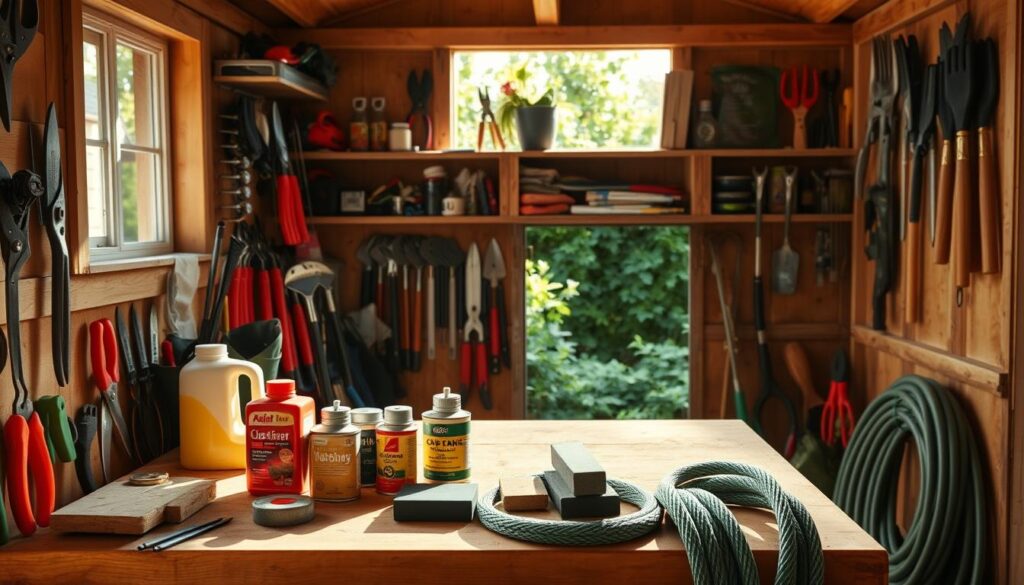
- Clean blades with a wire brush to remove rust, then apply a thin coat of vegetable oil to prevent corrosion.
- Sharpen pruners with a sharpening stone—Felco High Performance Pruners stay sharp longer with proper care.
- Store tools in a dry spot using pegboard hooks or stackable bins to save space during essential spring garden tasks.
- Edward Tools Bend-Proof Trowel—sturdy for digging.
- Zero-G 50-Ft. Hose—coils neatly after watering chores.
- WOHEER Gloves—protect hands during cleanup.
“A disorganized toolkit turns simple tasks into frustrations.” – Pro tip for backyard gardening tips
For spring gardening essentials, get a KI Store Kneeling Pad to ease your knees. Make sure to label where you store tools. This way, you won’t waste time looking for them. Keeping your tools in order will make gardening easier all season.
Planting Schedule and Zone-Specific Guidelines
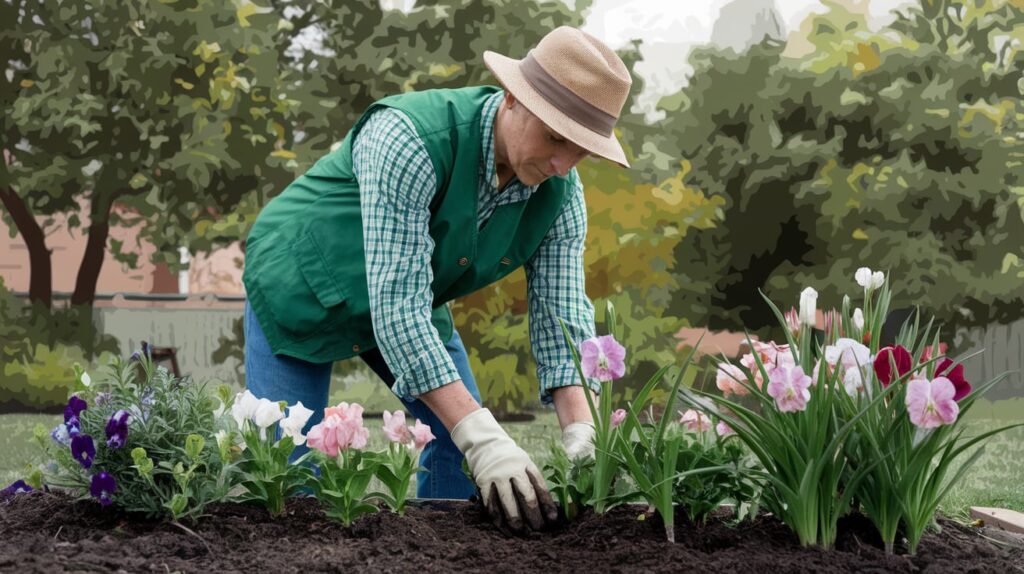
Your spring planting guide starts with understanding your USDA hardiness zone. Knowing your zone ensures you plant at the right time for your region. Soil temperature and frost dates are key in vegetable garden prep. Here’s how to get started:
| Zone | Region | Plant Cool-Season Crops | Warm-Weather Start |
|---|---|---|---|
| 3-5 | Northern Tier | Mid-April | After May 15 |
| 6-7 | Midwest/Southeast | Early April | Mid-April |
| 8-10 | West Coast/Southwest | Late March | Early April |
Early spring gardening thrives with cool-season crops like lettuce and spinach. Sow these when soil hits 45°F. For flower bed preparation, plant peas and radishes three weeks before your last frost. Here’s a quick checklist for organic spring garden success:
- Test soil pH before planting. Amend
- Start tomatoes indoors 6-8 weeks before last frost.
- Mulch seed potatoes two weeks before frost dates. end
- Use shade cloth if temps hit 80°F. end
Succession planting extends harvests. For example, plant lettuce every two weeks for continuous growth. When preparing your garden for spring, stagger plantings of carrots and beets. Divide perennials like hostas now to boost flower bed preparation.
Gardening for beginners? Focus on these steps:
- Check your zone’s last frost date via your local extension office. end
- Use a soil thermometer for accurate readings. end
- Follow seed packets for days to maturity. end
Pro tip: Plant asparagus crowns immediately after soil thaws. Protect seedlings with row covers during chilly nights. This spring gardening checklist ensures your garden stays productive all season long. Need more help? The USDA Plant Hardiness Zone Map is your free, go-to resource for garden planning spring. Always consult your local cooperative extension for zone-specific adjustments.
Conclusion: Growing Success Through Proper Preparation
Spring gardening tips and a good checklist are key for a great garden. Start by testing your soil to pick the right fertilizer. This helps your plants grow well.
Plant cool-season veggies indoors first. Then move them outside when it’s safe. Remember, taking care of your garden is important too. Remove bad bulbs, prune trees right, and mulch to keep moisture in.
To get your garden ready, focus on the soil. Add organic matter and don’t step on wet soil. Use compost or worm-based vermiculture to make the soil better.
Go to local workshops to learn how to prune better. Use horticultural oils for pests and weed killers early. Keep sharp tools ready to make gardening easier.
Make your garden diverse with native plants like elderberry or currant. Let nature help you decide how to arrange your plants. As it gets warmer, water more and watch for diseases.
Even though there’s a lot to do, do it all step by step. Every task, from planting pumpkin seeds to sharpening mower blades, helps your garden grow.
FAQ
What are the first steps I should take to prepare my garden for spring?
How can I design my garden layout effectively?
What types of crops can I plant in early spring?
How important is soil testing for a successful garden?
What are some essential spring gardening tasks I should not overlook?
Can I compost during spring cleanup?
What is succession planting, and why is it beneficial?
How do I maintain my gardening tools?
What types of fertilizers should I consider?
How do I get started with my spring gardening checklist?
Disclaimer: AI-Generated Content. AI makes this blog and all images
Discover more from Cozy Corner
Subscribe to get the latest posts sent to your email.