Container gardening opens a world of possibilities for growing beautiful plants in limited spaces. Perennials offer a great way to create lasting color and texture in your pots without replanting every year.
Unlike annuals that complete their life cycle in one season, perennials return year after year. This makes them an excellent investment for container gardening.
The right perennials can transform patios, balconies, and small gardens into vibrant outdoor spaces. These stunning plants combine beauty with practicality for containers of all sizes.
We earn a commission if you make a purchase, at no additional cost to you.

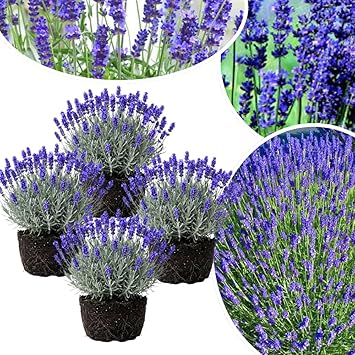


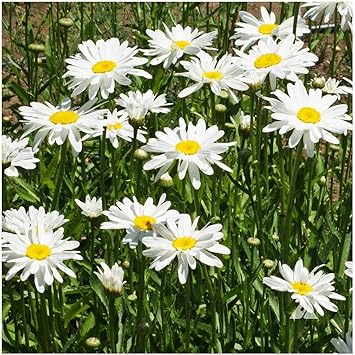
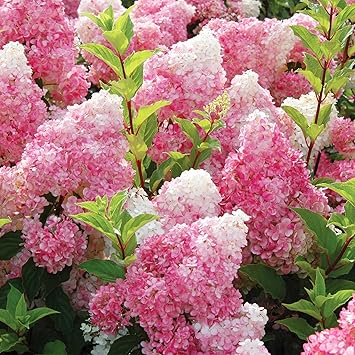
Why Choose Perennials for Container Gardens
Perennials offer unique advantages for container gardening that make them a worthwhile consideration. These plants develop strong root systems that adapt well to life in pots.
Most perennials require less maintenance than annuals over time. Once established, they need minimal care while providing years of enjoyment.
Benefits of Container Perennials
- Return each spring without replanting
- Develop stronger roots over multiple seasons
- Often more drought-tolerant than annuals
- Provide a consistent garden design year after year
- Cost-effective for long-term container gardens
Container Considerations
- Choose pots with adequate drainage holes
- Select containers large enough for root growth
- Use quality potting soil designed for containers
- Consider winter protection in cold zones
- Monitor water needs more carefully than in-ground plants
The key to success lies in matching plants to your growing conditions. Sun exposure, climate zones, and available space all influence plant selection.
1. Hosta: The Ultimate Shade Perennial

Hosta plants excel in shaded container gardens where many other perennials struggle. These versatile plants are garden favorites for their stunning foliage and easy care requirements.
Available in numerous varieties, hostas offer colors ranging from deep green to blue-gray and golden yellow. Many feature variegated patterns that add visual interest throughout the growing season.
Growing Zones: Hostas thrive in zones 3-9, making them suitable for most regions of the United States.
Care Requirements for Container Hostas
These shade-loving plants require consistent moisture but dislike soggy soil. Water when the top inch of soil feels dry to the touch.
Hostas prefer partial to full shade exposure. Morning sun with afternoon shade works well in most climates.
- Plant in containers at least 12 inches wide and deep
- Use rich, well-draining potting soil amended with compost
- Feed monthly during the growing season with balanced fertilizer
- Divide overcrowded plants every 3-4 years
- Protect from slugs and snails that damage foliage
In the fall, hosta foliage dies back naturally. Cut dead leaves to ground level and mulch containers for winter protection in colder zones.
2. Fountain Grass: Graceful Movement and Texture

Fountain grass adds dynamic texture and movement to container gardens with its arching foliage. The graceful form creates a stunning focal point in pots.
This ornamental grass produces feathery plumes in late summer that persist into fall. The flowers add vertical interest and soft colors to container designs.
Popular Fountain Grass Varieties
Several fountain grass varieties work exceptionally well in containers. Each offers unique characteristics for different garden styles.
Little Bunny fountain grass grows compact at just 12-15 inches tall. This dwarf variety fits perfectly in smaller pots and mixed containers.
Sun Exposure: Fountain grass thrives in full sun, requiring at least 6-8 hours of direct sunlight daily for best performance.
- Hardy in zones 5-9, depending on variety
- Drought-tolerant once established in containers
- Minimal pest and disease problems
- Provides winter interest with dried plumes
- Little bunny variety is ideal for small-space gardening
Container Growing Tips
Plant fountain grass in containers at least 14 inches in diameter. Larger pots accommodate the extensive root system better.
Use well-draining soil and ensure adequate drainage holes. These grasses tolerate dry conditions but perform best with regular watering during active growth.
Cut back dead foliage in early spring before new growth emerges. This timing maintains winter interest while preparing plants for the growing season.
3. Sedum: The Low-Maintenance Succulent

Sedum varieties bring effortless beauty to container gardens with minimal care requirements. These succulent perennials store water in their fleshy leaves, making them extremely drought-tolerant.
The thick foliage provides year-round interest, while late-season flowers attract pollinators. Sedum works perfectly for busy gardeners or those new to container gardening.
Why Sedum Excels in Pots
These hardy perennials adapt remarkably well to container life. Their shallow root systems don’t require deep pots, allowing creative planting options.
Sedum tolerates neglect better than most perennials. Occasional watering during drought keeps plants thriving without constant attention.
- Grows successfully in zones 3-9
- Requires full sun for best color and flowering
- Tolerates poor soil conditions in containers
- Attracts butterflies and beneficial insects
- Fall flowers provide late-season color
Overwatering Alert: Sedum roots rot easily in soggy soil. Allow soil to dry between waterings and ensure excellent drainage.
Popular varieties include ‘Autumn Joy’ with pink fall flowers and ‘Dragon’s Blood’ featuring red foliage. Mix different sedum types for varied texture and color in containers.
Start Your Container Garden Today
Ready to grow these stunning perennials? Shop our curated selection of container-perfect plants, all guaranteed to thrive in pots.
4. Bleeding Heart: Romantic Spring Blooms

Bleeding heart plants create magical spring displays with their distinctive heart-shaped flowers. These shade-loving perennials bring romance and charm to container gardens.
The delicate blooms dangle from arching stems above lacy foliage. This elegant plant performs beautifully in shaded pots where sun-loving flowers fail.
Growing Bleeding Heart in Containers
Choose a container at least 16 inches deep to accommodate the tuberous roots. Adequate depth ensures healthy growth and abundant flowering.
Bleeding heart thrives in partial to full shade exposure. Too much sun causes foliage to yellow and plants to go dormant early.
- Hardy in zones 3-9 across most regions
- Blooms in spring with flowers lasting 4-6 weeks
- Prefers consistently moist, well-draining soil
- Foliage may die back in summer heat
- Combines beautifully with hostas and ferns
Water regularly to maintain even moisture levels. The soil should feel like a wrung-out sponge, never bone dry or waterlogged.
After spring flowering ends, the plant may enter summer dormancy in hot climates. This natural process doesn’t harm the plant, which returns the following spring.
Design Tip: Plant shade-tolerant annuals around dormant bleeding heart to fill containers during the summer months.
5. Tickseed: Cheerful Summer Color

Tickseed, also known as coreopsis, delivers months of cheerful yellow blooms to sunny containers. These tough perennials flower continuously from early summer through fall with minimal care.
The bright daisy-like flowers attract butterflies and add sunny colors to container designs. Tickseed tolerates heat and drought better than many flowering perennials.
Container Care for Tickseed
Plant in full sun locations receiving at least 6 hours of direct sunlight. More sun produces more flowers throughout the growing season.
Tickseed adapts to various soil conditions but prefers a well-draining potting mix. Good drainage prevents root rot during periods of heavy rainfall.
- Grows well in zones 4-9
- Deadhead spent flowers to encourage more blooms
- Drought-tolerant once established in containers
- Compact varieties stay under 18 inches tall
- Resistant to most pests and diseases
Water moderately, allowing soil to dry slightly between waterings. Established plants tolerate short dry periods without wilting.
Cut back plants by one-third in midsummer if they become leggy. This encourages fresh growth and renewed flowering for fall display.
6. Japanese Forest Grass: Elegant Shade Texture

Japanese forest grass brings sophisticated elegance to shaded container gardens. The cascading foliage creates a graceful waterfall effect that softens pot edges.
This ornamental grass features stunning golden or variegated foliage that brightens dark corners. The texture adds movement and visual interest throughout the growing season.
Growing Requirements
Japanese forest grass prefers partial to full shade in most climates. Some morning sun is acceptable, but afternoon shade is essential in hot regions.
Keep soil consistently moist but not waterlogged. This grass appreciates regular watering, especially during dry summer periods.
Cold Hardiness: Hardy in zones 5-9. Provide winter protection in zone 5 by moving containers to sheltered locations.
- Grows 12-18 inches tall with an arching habit
- Golden varieties brighten shady areas
- Slow-growing and non-invasive in containers
- Combines beautifully with hostas and ferns
- Fall foliage turns bronze and red tones
Use containers at least 14 inches wide to showcase the cascading form. The grass looks stunning in elevated pots where foliage can drape freely.
Free Gardening Calendar
Get our comprehensive month-by-month planner for caring for perennials in containers. Includes watering schedules, fertilizing tips, and seasonal maintenance tasks.
7. Coral Bells: Year-Round Foliage Color

Coral bells offer spectacular foliage colors that rival any flower display. These versatile perennials thrive in containers with foliage ranging from lime green to deep purple.
The colorful leaves provide interest from spring through fall. Delicate flower spikes add bonus color in early summer without overshadowing the stunning foliage.
Container Growing Success
Plant coral bells in partial shade for best foliage color. Too much sun bleaches leaves, while deep shade reduces color intensity.
Good drainage is critical for coral bells in containers. These plants develop crown rot quickly in soggy soil conditions.
- Hardy in zones 4-9, depending on variety
- Available in dozens of foliage colors and patterns
- Compact growth fits containers 10-14 inches wide
- Attracts hummingbirds to flower spikes
- Deer-resistant in most garden situations
Water when the top inch of soil dries out. Coral bells tolerate some drought but look best with consistent moisture during active growth.
Replace plants every 3-4 years as they tend to push themselves up out of the soil. Dividing and replanting rejuvenates older specimens.
8. Russian Sage: Airy Purple Beauty

Get our specially curated collection of 10 Potted Tree Designs for Patios. Everything you need to create a stunning, low-maintenance Potted Tree Designs for your Patios that returns year after year.
Russian sage brings airy elegance to sunny container gardens with its cloud-like appearance. The silvery foliage and lavender-blue flowers create a soft, romantic display.
This tough perennial tolerates heat, drought, and poor soil once established. The aromatic foliage releases a pleasant scent when brushed, adding sensory appeal.
Planting and Care
Choose large containers at least 18 inches wide for Russian sage. This plant grows 3-4 feet tall and needs a substantial pot size for stability.
Full sun exposure is essential for compact growth and abundant flowering. Plants become leggy and sparse in shade conditions.
Pruning Tip: Cut Russian sage back to 6-12 inches in early spring. This promotes bushier growth and prevents flopping in containers.
- Thrives in zones 4-9
- Blooms from midsummer through fall
- Extremely drought-tolerant in containers
- Attracts butterflies and beneficial insects
- Deer and rabbit resistant
Water sparingly once established. Russian sage actually flowers better with moderate drought stress compared to plants receiving abundant water.
Complete Container Garden Collection
9. Daylily: Reliable Summer Blooms

Daylilies deliver reliable color and easy care in container gardens. Each flower lasts just one day, but plants produce abundant buds that bloom continuously for weeks.
Available in nearly every color except true blue, daylilies suit any garden design. The grass-like foliage provides texture even when plants aren’t flowering.
Container Success Tips
Plant daylilies in containers at least 16 inches deep and wide. The thick root system needs adequate space to support flowering.
Most varieties prefer full sun but tolerate partial shade. More sun exposure generally produces more flowers on container-grown plants.
- Hardy in zones 3-9
- Blooms for 4-6 weeks in summer
- Drought-tolerant once established
- Reblooming varieties extend flowering time
- Divides easily for creating new containers
Water regularly during active growth and flowering. Daylilies tolerate some drought but bloom best with consistent moisture during bud formation.
Remove spent flowers daily to maintain appearance. Cut flower stalks to the base after all buds finish blooming on each stem.
Variety Selection: Choose compact or dwarf daylily varieties for containers. Standard varieties can become too large for pot culture.
10. Catmint: Fragrant Purple Clouds

Catmint creates soft purple clouds of color in sunny containers from late spring through fall. The aromatic foliage and abundant flowers make this a garden favorite.
This low-maintenance perennial blooms repeatedly throughout the summer with minimal deadheading. The flowers attract butterflies and bees while deer avoid the fragrant foliage.
Growing Catmint in Pots
Full sun produces the most compact growth and abundant flowering. Plants tolerate light shade but may become leggy in containers with limited sun.
Excellent drainage is essential for catmint. These plants tolerate dry conditions better than wet feet in container situations.
- Hardy in zones 3-8
- Blooms continuously spring through fall
- Extremely drought-tolerant when established
- Shear back after the first bloom for rebloom
- Compact varieties stay under 18 inches
Water moderately, allowing soil to dry between waterings. Overwatering causes root problems and reduces flowering on established plants.
Cut plants back by half after the first flush of blooms fades. This encourages fresh foliage growth and renewed flowering for fall display.
Note: True catmint (Nepeta) is less attractive to cats than catnip (Nepeta cataria). Choose ornamental varieties for container gardens.
Essential Tips for Container Perennial Success

Success with container perennials depends on proper soil, watering, and winter care. These fundamentals ensure plants thrive for many years in pots.
Soil and Fertilizer Requirements
Use high-quality potting soil specifically formulated for containers. Garden soil compacts in pots and restricts root growth and drainage.
Container soil depletes nutrients faster than ground soil. Feed perennials monthly during the growing season with balanced fertilizer formulated for container plants.
- Choose a potting mix with perlite or vermiculite for drainage
- Add slow-release fertilizer at planting time
- Supplement with liquid fertilizer during active growth
- Refresh the top 2-3 inches of soil annually in spring
- Monitor pH levels for acid-loving plants

Watering Container Perennials
Container plants dry out faster than in-ground plantings. Check soil moisture regularly, especially during hot summer weather.
Water thoroughly until it drains from pot holes. This ensures the entire root ball receives moisture and flushes excess salts from fertilizer.
Spring Watering
Monitor new growth carefully as plants emerge from dormancy. Increase watering frequency as foliage develops.
- Water when the top inch of soil dries
- Adjust for rainfall amounts
- Avoid overwatering dormant roots
- Increase frequency as temperatures rise
Summer Watering
Peak growing season requires consistent moisture for most perennials. Daily watering may be necessary during heat waves.
- Check containers daily in hot weather
- Water early morning or evening
- Use drip irrigation for convenience
- Mulch the soil surface to retain moisture
Fall Watering
Continue watering as plants prepare for dormancy. Gradually reduce frequency as growth slows and temperatures drop.
- Don’t stop watering too early
- Hydrated plants winter better
- Reduce frequency with cooler temps
- Water until the ground freezes in cold zones
Winter Care
Dormant perennials still need occasional water in zones where the ground doesn’t freeze solid. Protect containers from extreme cold.
- Move pots to sheltered locations
- Group containers for insulation
- Wrap pots in bubble wrap in cold zones
- Water monthly during mild winter periods
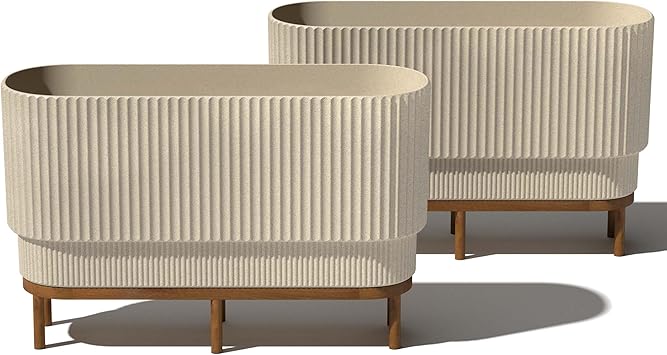
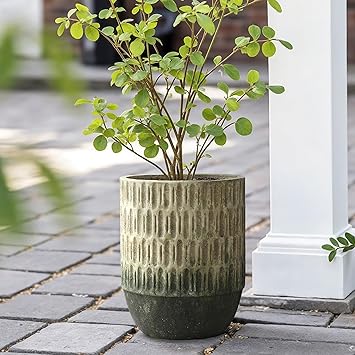
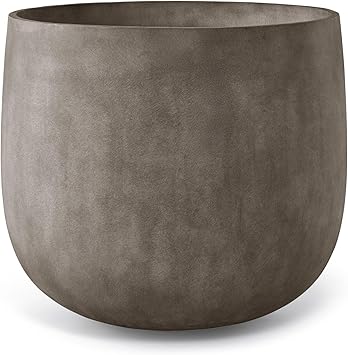
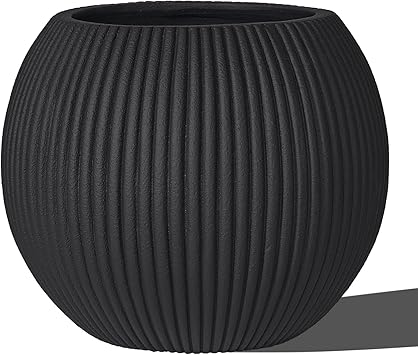
Container and Pot Selection
Choose containers appropriate for mature plant size. Pots that are too small restrict root growth and require constant watering.
Material matters for winter survival in cold zones. Terracotta and ceramic pots crack when soil freezes and expands, while plastic and resin containers withstand freeze-thaw cycles.
Size Guideline: Select containers at least 2-3 times larger than the plant’s nursery pot for adequate root space and moisture retention.
We earn a commission if you make a purchase, at no additional cost to you.






Seasonal Maintenance for Container Perennials
Regular maintenance keeps container perennials healthy and attractive throughout the year. Each season brings specific tasks that support plant health.
Spring Tasks
Remove winter mulch as new growth emerges. Clean away dead foliage from the previous year to prevent disease problems.
Divide overcrowded perennials in early spring before active growth begins. Refresh potting soil and add slow-release fertilizer at this time.
Summer Care
Deadheading spent flowers to encourage continued blooming on flowering perennials. Monitor for pests and treat problems promptly before they spread.
Watch for nutrient deficiencies indicated by yellowing leaves or poor growth. Adjust fertilization schedule based on plant performance and appearance.
Fall Preparation
Continue watering perennials until the ground freezes in cold zones. Plants need adequate moisture to survive winter dormancy successfully.
Cut back dead foliage after frost kills above-ground growth. Leave foliage on evergreen perennials for winter protection and interest.
- Apply a fresh mulch layer before the first hard freeze
- Move tender perennials to protected locations
- Clean and store empty containers properly
- Group remaining containers for mutual protection
- Stop fertilizing 6-8 weeks before the first frost
Winter Protection
Perennials in containers face harsher winter conditions than in-ground plants. Roots freeze faster in above-ground pots exposed to wind and temperature fluctuations.
Move containers to unheated garages, sheds, or sheltered locations in zones colder than the plant’s hardiness rating. An unheated garage keeps roots from freezing solid while maintaining dormancy.
Zone Adjustment: Assume container perennials are hardy two zones warmer than their rating. A zone 5 perennial needs protection in zone 7 containers.
Creative Container Design Ideas

Combine multiple perennials in large containers for dynamic displays. Layer plants by height with tall grasses in back, medium flowers in the middle, and trailing foliage in front.
Create color themes using containers planted with coordinating perennials. Monochromatic schemes using different shades of one color create sophisticated displays.
Texture and Foliage Combinations
Mix perennials with contrasting foliage textures for visual interest beyond flowers. Combine fine-textured grasses with bold hosta leaves and delicate fern fronds.
Consider foliage color as important as flowers when selecting perennials. Silver, burgundy, and chartreuse leaves create excitement even when plants aren’t blooming.
- Pair fountain grass with sedum for texture contrast
- Combine hosta with coral bells for foliage color
- Mix Russian sage with catmint for a purple theme
- Layer bleeding heart with Japanese forest grass
- Group containers of varying heights for dimension
Container Arrangement Tips
Arrange containers in odd-numbered groups for a natural appearance. Three or five pots create more visual interest than even numbers.
Vary pot sizes and heights within groupings. This creates depth and prevents monotonous displays that look too uniform.
Consider sight lines from windows and seating areas when placing containers. Position plants where you’ll enjoy them most frequently throughout the day.
Creating Your Container Perennial Garden
Growing perennials in pots opens endless possibilities for beautiful gardens in any space. These versatile plants deliver years of enjoyment with proper care and selection.
Start with one or two containers and expand your collection over time. Experience teaches which perennials perform best in your specific conditions and climate zones.
The ten perennials featured here offer proven performance in containers across various growing conditions. Each brings unique beauty while requiring minimal maintenance once established.

Container gardening rewards experimentation with plant combinations and design ideas. Don’t hesitate to try new varieties and arrangements as you develop your personal container garden style.
Transform Your Space with Container Perennials
Ready to create your own stunning container garden? Combine multiple perennials in large containers for dynamic displays. Learn how to layer perennials in pots.

Discover more from Cozy Corner
Subscribe to get the latest posts sent to your email.