As days get longer and warmer, it’s time to wake up your garden. Spring is great for making your garden bloom. Start by making a checklist for spring garden prep.
This checklist will help keep your garden looking good. It includes cleaning your garden and getting it ready for spring. You’ll also make sure it’s ready for the new season.
First, check how your garden is doing and plan for spring. Look for damage from winter, clean up, and get your tools ready. These steps will help your garden grow well.
Don’t forget to add tasks like soil testing and tool care to your checklist. This will keep your garden in the best shape.
By using a spring garden prep checklist, you can keep your garden looking great. Focus on cleaning and preparing your garden for spring. Remember to do soil testing, tool care, and garden planning for a successful garden.
Key Takeaways
- Create a spring garden prep checklist to help maintain a vibrant outdoor space
- Assess the current state of your garden and plan for the upcoming season
- Prioritize garden spring cleaning and preparing garden for spring
- Include soil testing and tool maintenance in your spring garden prep checklist
- Focus on creating a beautiful and thriving garden through proper planning and maintenance
- Use a spring garden prep checklist to ensure your garden is ready for the new season
- Don’t forget to include tasks such as pruning and mulching in your spring garden prep checklist
Garden Assessment and Planning Basics
Before the new gardening season starts, take a moment to check your garden. Look at your soil, plants, and how everything is laid out. This helps you see what needs fixing and plan for the future. A good plan makes your garden look great and saves you time and effort.
When planning your garden, think about what works best for you. Decide which plants to keep and which to remove. Use spring garden organization tips like making a garden map or using a gardening app. Planning well helps you create a garden that’s both beautiful and easy to care for.
- Soil quality and drainage
- Plant health and placement
- Garden bed layout and design
By looking at these things, you can make a plan that fixes problems and meets your goals. Don’t be afraid to change your plan if needed. With a good plan, you’ll have a stunning and healthy garden.
Essential Spring Garden Prep Checklist
Getting your garden ready for spring is key. You need to do important spring garden tasks. These include cleaning up, checking tools, and testing the soil. This will help your garden grow well and look great all season.
Some important planting tips for spring are starting seeds indoors and pruning shrubs right. This can save money and make plants bloom more. Also, adding compost helps plants grow stronger. Here are some tasks for your spring garden to-do list:
- Clean up winter debris to prevent hindering new growth
- Check and prepare garden tools to ensure they’re in good working condition
- Assess soil health and add organic mulch to improve moisture retention
- Start seeds indoors to get a head start on the growing season
- Prune trees and shrubs to increase new growth rates and promote healthy plant development
By doing these spring garden tasks and planting tips for spring, your garden will flourish. Don’t forget to test the soil and keep your tools in order. This will make gardening fun and rewarding.
Soil Testing and Amendment Strategies
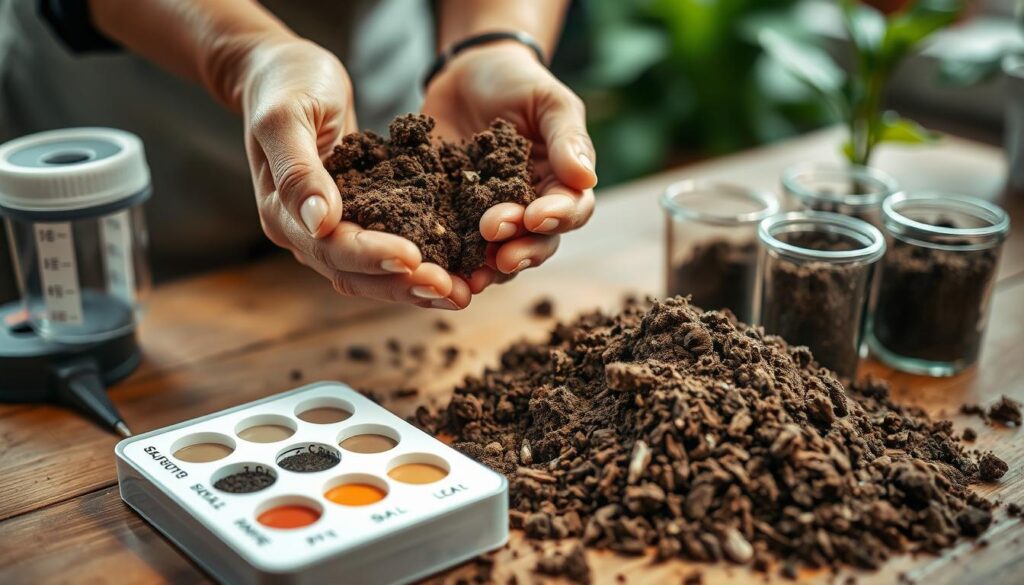
Getting your garden ready for spring starts with the soil. You need to test its pH levels and pick the right fertilizers. Also, learning about composting is key. This is all part of making your garden healthy and strong.
Knowing your soil’s makeup is important. It should have 40% sand, 40% silt, and 20% clay. Testing your soil shows its pH levels. This helps you know what to add to make it better.
Understanding Soil pH Levels
Soil pH levels affect how plants get nutrients. Most plants like slightly acidic to neutral soil, with a pH of 6.0 to 7.0. Raised beds do best in this range. Adjusting your soil’s pH and adding compost can make it better.
Choosing the Right Fertilizers
Each plant needs different nutrients. For example, spinach likes nitrogen, while carrots need phosphorus and potassium. Picking the right fertilizers is crucial for your plants to grow well.
Adding organic mulch and compost helps too. It makes your soil healthier and reduces the need for chemical fertilizers. This keeps your garden healthy and follows the best spring gardening tips.
Tool Maintenance and Organization
As you get your garden ready for spring, keeping your tools in order is key. A tidy shed or storage area makes gardening easier. A spring planting guide helps keep your tools ready for use. For gardening for beginners, starting with tool care is important.
Cleaning and sharpening your tools is part of spring vegetable garden prep. This includes shears, trowels, and more. Good tool care helps your plants grow well. Also, organize seeds and supplies like fertilizers and compost for easy access.
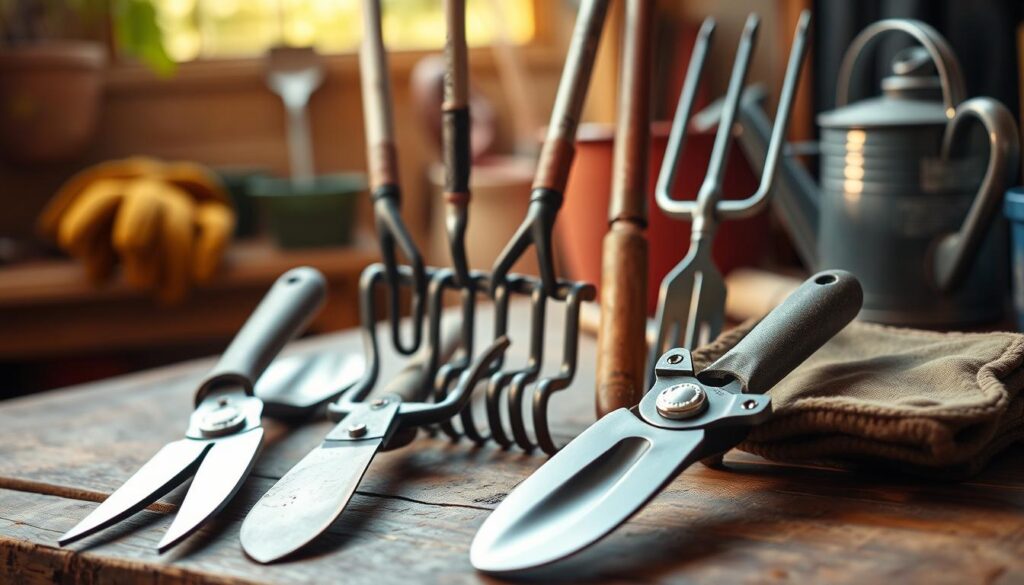
- Clean and sharpen your tools regularly
- Store your tools in a dry, secure location
- Use a tool sharpener to keep your blades in good condition
- Consider investing in a garden cart or wheelbarrow to make it easier to transport your tools and supplies
| Tool | Maintenance | Frequency |
|---|---|---|
| Pruning shears | Clean and sharpen | Weekly |
| Trowel | Clean and dry | Daily |
| Garden cart | Check tires and lubricate wheels | Monthly |
Follow these tips and use a spring planting guide to keep your tools in top shape. This way, you’ll enjoy your spring vegetable garden prep more. Don’t forget, gardening for beginners needs proper tool care and organization too.
Planting Schedule and Zone-Specific Guidelines
Before you start planting, knowing your growing zone is key. It helps pick the best spring flowers. Organic gardening tips and seasonal care make your garden grow well. First, find your growing zone and the planting schedule for your area.
Starting seedlings indoors before the last frost is important. It gives them a jumpstart. Also, think about your gardening budget. It can be $100 to $500 a year, based on your garden size and plant types.
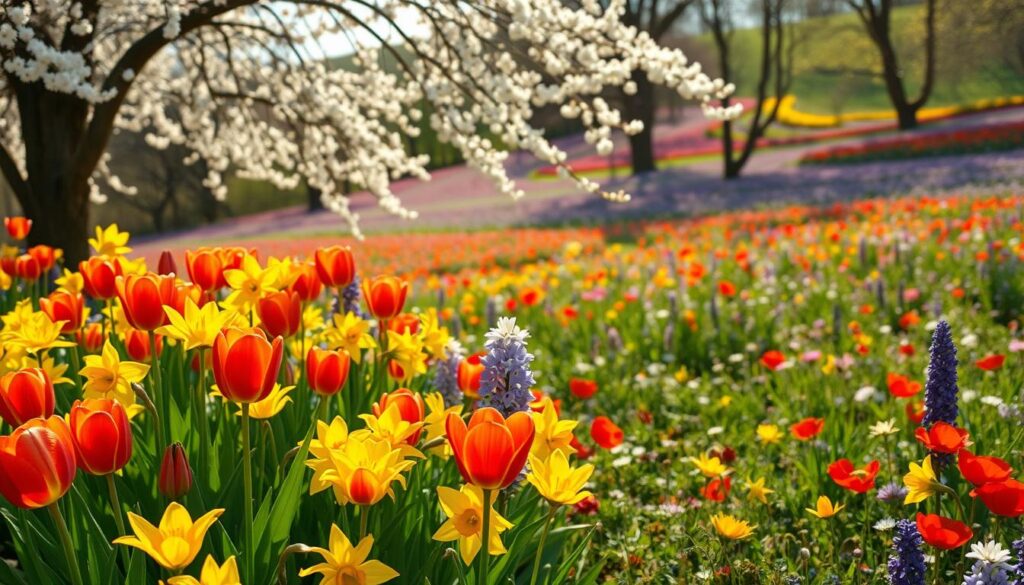
Some top spring flowers include cleome, which starts from seed. Planting these and using organic tips makes your garden beautiful. Don’t forget to fill winter gaps and prune hydrangeas in late winter for better blooms.
| Plant Type | Planting Schedule | Zone-Specific Guidelines |
|---|---|---|
| Annuals | After last frost date | Choose varieties suitable for your zone |
| Perennials | Early spring or fall | Divide and replant every 3-5 years |
| Vegetables | Varying dates depending on type | Follow specific planting schedules for each type |
By following these tips and knowing your zone, you can have a great garden. Use organic gardening and seasonal care for the best spring flowers.
Conclusion: Growing Success Through Proper Preparation
As you finish your spring garden prep checklist, remember that success comes from good preparation. By following this guide, you’ll make a beautiful and thriving garden. You’ll have all you need to grow a garden that’s just what you want.
Planning, assessing, and investing in your garden is key. It makes gardening rewarding. Every step you take now will help your garden grow well. You’ll enjoy lots of harvests, beautiful flowers, and watching your garden grow.
Spring is exciting, and getting ready for your garden is fun. With this guide, you’re on your way to a great garden. You’ll have a beautiful outdoor space to enjoy for many years.
FAQ
What are the essential steps to prepare my garden for spring?
How do I evaluate the current state of my garden?
What are some tips for maintaining and organizing my garden tools?
How do I test and amend my soil for spring planting?
What are some of the best flowers to plant in spring?
How can I ensure my spring garden is successful?
Disclaimer: This blog and all images are made by AI

Discover more from Cozy Corner
Subscribe to get the latest posts sent to your email.