What if the fastest way to feel better isn’t a cleanse or a carb ban, but a few small swaps you can stick with all week?
I’m sharing 10 simple clean eating habits for a healthier lifestyle. They fit a real American schedule. Clean eating means more whole grains, fruits, vegetables, and lean proteins. It means fewer processed foods.
These tips help you make healthier choices one meal at a time. They’re based on the 2020–2025 Dietary Guidelines for Americans. This guide helps you eat right without feeling too hungry or too full.
Think about eating Greek yogurt with raspberries and walnuts. Or grain bowls and slow-cooker vegetable minestrone. Sheet-pan roasted salmon and vegetables are also good choices.
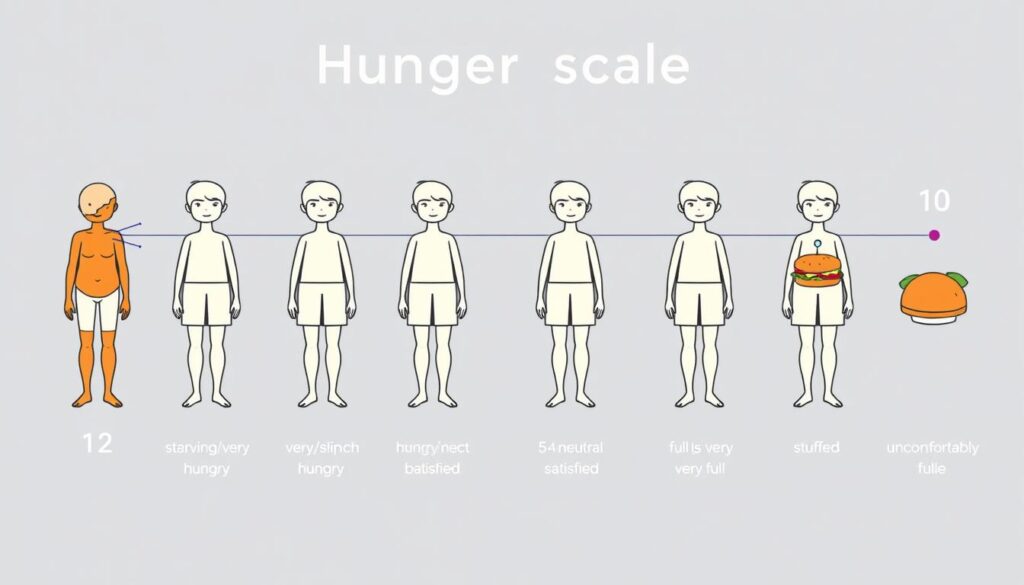
Dan Buettner’s Blue Zones teach us to eat plants and move every day. Stopping at 80% full is key. I try to eat less than seven teaspoons of added sugar each day.
Michael Hunter, MD, says small habits add up. Like walking after meals or choosing foods without cartoon mascots.
Ready to try clean eating without the drama? I’ll keep it simple and real. Start today and feel the difference this week.
Key Takeaways
- Clean eating emphasizes whole foods and simple dietary changes that you can maintain.
- A practical range of 1,500–2,000 calories with enough protein and fiber supports energy and fullness.
- Small, repeatable steps—like walking after meals—build healthier lifestyle choices.
- Blue Zones lessons: stop at about 80% full and limit added sugars.
- Swap ultra-processed snacks for produce, beans, whole grains, and lean proteins.
- Flexible meal ideas make a friendly first-person how-to guide easy to follow in the United States.
Clean Eating Basics and Healthy Eating Habits to Improve Wellness
I focus on eating clean. I use whole foods that are easy to spot. I avoid added sugars, sodium, and saturated fats.
I use herbs, citrus, and olive oil for flavor. This helps me stay healthy without strict rules.
I aim for simple dietary changes I can keep. I mix up my breakfasts and lunches. I repeat what works well.
Protein and fiber keep me full. I eat Greek yogurt, beans, eggs, and veggies often.

Clean Eating Tips: Whole foods, fewer ultra-processed choices
I check ingredient lists for simple items. I avoid foods with cartoon mascots. I choose whole foods like oats and berries.
I season with garlic and spices. These limits include added sugars and fats. It makes meals tasty and healthy.
Simple Dietary Changes: Whole grains, lean proteins, fruits, and veggies
I choose whole grains over white bread. I drink sparkling water instead of soda. I eat fresh fruit instead of candy.
For lunch, I make grain bowls with beans and veggies. Dinner might be sheet-pan salmon or minestrone. These meals are easy and healthy.
- Greek yogurt with berries and walnuts for a fast breakfast
- Brown rice, black beans, and salsa for a quick bowl
- Roasted chickpeas for a crunchy snack
Healthier Lifestyle Choices: Small steps add up over time
I eat until I’m 80% full. I cook at home and read labels. I walk after meals to stay energized.
These choices help me stay healthy. They add up over time without needing to be perfect.
- Plan meals around minimally processed staples
- Choose oils like extra-virgin olive oil for sautéing and roasting
- Prioritize sleep and a calm minute before eating to reduce stress cravings
I follow Blue Zones for inspiration. I keep sugar in check and eat colorful meals. Small changes lead to lasting healthy habits.
Main Keyword Focus: 10 Simple Clean Eating Habits for a Healthier Lifestyle
I follow 10 simple clean eating habits for a healthier lifestyle. These habits fit into my real life easily. They help me eat better without counting calories, and they make healthy eating a daily habit.

Portion and Pacing: Smaller plates, eat greens first, slow down
I use smaller plates and start with a salad or greens. I eat slowly, chew well, and listen to my body. These changes help me feel full with less food and improve my health.
Smart Swaps: Whole-grain bread, sparkling water, fresh berries, baked potatoes
I make easy swaps like whole-grain bread and sparkling water. I choose fresh berries over candy and baked potatoes over fries. These choices help me eat healthier and make every bite count.
Protein Priorities: Greek yogurt, eggs at breakfast, beans, nuts, lean meats
I always choose the right protein at each meal. Greek yogurt or eggs start my day, while beans and nuts are for snacks. I also eat lean meats and salmon for energy. This mix keeps me full and healthy.
Better Cooking Methods: Bake, roast, poach, and simmer instead of deep-frying
I use cooking methods that are healthier. I bake, roast, poach, or simmer instead of deep-frying. These methods keep food tasty without adding too much fat, making healthy eating easier.
| Habit | Real-World Swap | Why It Works | Example Meal |
|---|---|---|---|
| Portion control | Smaller plate, greens first | Supports fullness cues and fewer excess calories | Mixed greens before turkey chili |
| Smart swaps | Whole-grain bread, sparkling water | More fiber and fewer added sugars | Avocado toast with seltzer and lime |
| Protein choices | Greek yogurt, eggs, beans, lean meats | Steadier energy and better satiety | Greek yogurt parfait; salmon with quinoa |
| Cooking methods | Bake, roast, poach, simmer | Less oil while keeping crisp texture and flavor | Roasted chickpeas; poached chicken soup |
Clean Eating Grocery Shopping and Meal Planning Tips
I see grocery shopping as the key to my week. A few simple steps help me eat healthy without stress. I follow clean eating tips to make better choices and live healthier.

Plan Ahead: Don’t shop hungry, make and follow a list
I never shop when I’m hungry. I plan my meals first. This way, I save time and avoid waste.
I make a list from my meal plan. Then, I stick to it. This keeps clean eating easy and affordable.
Label Literacy: Choose whole grains, limit “diet” foods with added sugars
I quickly read labels. I look for whole grains first. I avoid “diet” foods with added sugars.
I check cereals, yogurts, and drinks for added sugars. This helps me stay on track with clean eating.
Cook at Home: Batch cooking, one new healthy recipe per week
Cooking at home lets me control what I eat. I cook big batches of healthy foods. This saves time and money.
I try a new recipe each week. This keeps things interesting and helps me learn new skills.
Pantry Staples: Heart-healthy oils (extra-virgin olive, avocado), beans, frozen veggies
I keep healthy oils, beans, and frozen veggies on hand. These make it easy to eat well, even when I’m busy.
If fresh foods are hard to find, I use frozen or canned options. This helps me stay on track with my healthy eating goals.
Tools like slow cookers and air fryers make cooking faster. If I slip up, I swap foods to keep my diet balanced. These tips help me stay on track with clean eating every day.
Healthy Eating Habits That Support a Healthier Lifestyle
I make eating clean easy to help my wellness. I plan meals and keep fresh food ready. I choose healthy options that fit my life.

Hydration Habits: Drink enough water, replace sugary drinks
I drink water instead of sugary drinks. I like sparkling water with lemon or unsweetened tea. This helps me stay healthy.
Balance and Variety: Fruits, vegetables, whole grains, low-fat dairy, lean proteins
I eat a variety of foods. This includes fruits, veggies, whole grains, and lean proteins. It keeps me full and happy.
Lifestyle Allies: Daily movement, quality sleep, mindful eating pace
I move every day and rest well. Even short walks help. I eat slowly and without screens.
Nutrients to Consider: Omega-3s and vitamin D if seafood intake is low
If I don’t eat enough fish, I eat salmon or plant foods. I check with my doctor about vitamin D in winter. These steps help me stay healthy every day.
Conclusion
I have a simple plan to follow. It’s about making small, easy changes to eat better. I focus on whole foods and control my portions.
I also drink water instead of sugary drinks and eat whole grains. I start my meals with protein like Greek yogurt or eggs. I cook meals in advance and stay active.
These habits help me eat well without feeling too strict. They make me feel good and healthy.
EatingWell shows how to eat well in a day. They suggest meals with lots of protein and fiber. These meals are tasty and follow the latest dietary guidelines.
This makes eating clean feel doable, not too hard. It’s all about making small, healthy choices every day.
Studies from the Blue Zones say lifestyle choices are key to living long. They talk about cooking at home, eating plants, and not too much sugar. They also mention moving every day and sleeping well.
Michael Hunter, MD, says even small steps help. Like walking after meals or choosing healthy foods. These small steps add up to a healthier life.
Now, I know what to do next. I’ll start with one habit and keep adding more. Clean eating is all about making small changes that add up. It helps me enjoy real food and stay healthy.
FAQ
What does “clean eating” mean in everyday American life?
Clean eating means eating foods that are not processed much. This includes whole grains, fruits, and vegetables. It also means eating lean proteins and healthy fats.
I try to avoid foods with too much sugar, salt, and unhealthy fats. I don’t call food “dirty.” Instead, I focus on making simple changes that fit my busy life.
How do I start 10 simple clean eating habits for a healthier lifestyle without feeling overwhelmed?
Start with small changes. Use a smaller plate and eat a salad first. Swap soda for sparkling water with lemon.
Choose whole-grain bread and repeat simple meals. Cooking in batches helps. These small steps can make a big difference.
What do sample clean eating days look like?
My favorite meals include Greek yogurt with raspberries and walnuts. I also love grain bowls with beans and veggies.
Slow-cooker minestrone and roasted salmon with veggies are great too. These meals are easy to make and taste great.
How many calories, protein, and fiber should I aim for?
Aim for 1,500–2,000 calories a day. This is what most adults need. Try to get at least 55 g of protein and 32 g of fiber daily.
This helps you feel full and gives you steady energy. My meals usually have 55–92 g of protein and 32–45 g of fiber.
Can I still enjoy sweets or wine and eat clean?
Yes. It’s okay to have sweets or wine sometimes. Just be mindful of how much sugar you add to your diet.
Try to limit added sugars to about 7 teaspoons a day. This is inspired by Blue Zones research. It’s less than the average American consumes.
What are the best simple dietary changes I can make this week?
Swap refined grains for whole grains. Choose fresh or frozen produce. Add beans or lentils to your meals.
Opt for baked or roasted potatoes instead of fries. Read labels to find lower-sodium options. Pick foods with fewer ingredients for cleaner choices.
How do Blue Zones insights fit with clean eating?
Blue Zones show that lifestyle and environment are key to longevity. I cook at home and eat plant-based meals.
What protein priorities support satiety without a complex diet?
Start your day with Greek yogurt or eggs. Rotate beans, lentils, and chickpeas for lunch and dinner.
Add nuts and seeds and include fish or lean poultry a few times a week. This keeps you in the 55–92 g protein range.
Which cooking methods align with clean eating?
Bake, roast, poach, simmer, or air-fry instead of deep-frying. This limits added fats and sodium.
Try sheet-pan salmon with veggies, slow-cooker minestrone, and roasted chickpeas. These methods are easy and healthy.
How can I plan and shop to make clean eating sticks?
Shop when you’re not hungry and make a list. Stock up on pantry staples like oils, beans, and grains.
Plan meals and batch recipes. This makes healthy eating convenient and saves time and money.
What should I look for on food labels?
Scan the ingredient list and nutrition facts. Choose products with whole grains first.
Compare sodium per serving and watch for added sugars. Avoid “diet” products that sneak in extra sugar or sodium.
How do I stay hydrated while reducing added sugar?
Drink water, sparkling water with lemon or lime, or unsweetened tea. Replacing sugary drinks is a quick way to cut added sugars.
Are frozen or canned foods okay for clean eating?
Yes. Use frozen produce and canned beans or tomatoes when fresh isn’t practical. Choose low-sodium or no-salt-added options.
Pick fruit packed in water. These simple changes save money and keep nutrients high.
How can movement support my clean eating goals?
Walk 10 minutes after meals to help steady blood sugar. Lift weights two to three times a week to support metabolism.
Aim for a brief, breath-raising activity twice weekly. Natural movement, like in Blue Zones, strengthens the benefits of clean eating.
What is “hara hachi bu,” and how does it help?
It’s an Okinawan habit to stop eating at 80% fullness. Eat slowly, chew well, and listen to your hunger cues.
This approach supports mindful eating without strict calorie counting. It helps with portion control and pacing.
How do I handle eating out while keeping it clean?
Scan menus for grilled or baked proteins, salads, and veggie sides. Ask for sauces on the side.
Choose whole-grain options when available. Drink water or unsweetened tea and stop eating when you’re comfortably full.
What nutrients should I consider if I don’t eat much seafood?
Prioritize plant sources of omega-3s like walnuts, flax, and chia. Talk with your clinician about vitamin D, as many adults are low.
These steps fit clean eating and support overall wellness.
How can I make clean eating affordable for my family?
Buy beans, lentils, oats, brown rice, and seasonal produce. Choose frozen fruits and veggies.
Cook at home and batch recipes like minestrone and roasted chickpeas. Repeating meals reduces waste and saves time and money.
Do I need to count calories to improve wellness with clean eating?
No. Use ranges as guardrails and listen to hunger and fullness cues. Focus on protein and fiber targets.
Swapping recipes with similar calories, fiber, protein, and sodium helps you stay on track without rigid counting.
What’s one habit I can start today to build a healthier lifestyle?
Start with one habit. Swap sugary drinks for water, prep a Greek yogurt breakfast, or take a 10-minute post-meal walk.
When it becomes automatic, add the next habit. Small, steady upgrades lead to lasting clean eating success.