
The connection between what you eat and how your skin looks isn’t just folklore – it’s backed by science. Your skin, the body’s largest organ, reflects your internal health like a mirror. The nutrients you consume directly impact collagen production, inflammation levels, and your skin’s ability to defend against damaging free radicals. Just as a fine fabric requires proper care to maintain its luster, your skin needs specific nutrients to stay supple, radiant, and youthful. This guide explores the powerful relationship between diet and skin aging, revealing which foods can help turn back the clock and which might be accelerating the hands of time.
Top 8 Younger-Looking Skin Foods to Add to Your Diet
Incorporating these nutrient-dense foods into your daily meals can help combat signs of aging from the inside out. Each food contains specific compounds that support skin health through different mechanisms – from fighting inflammation to boosting collagen production. Think of these foods as your skin’s personal maintenance crew, working diligently to repair, protect, and rejuvenate your complexion.
1. Fatty Fish
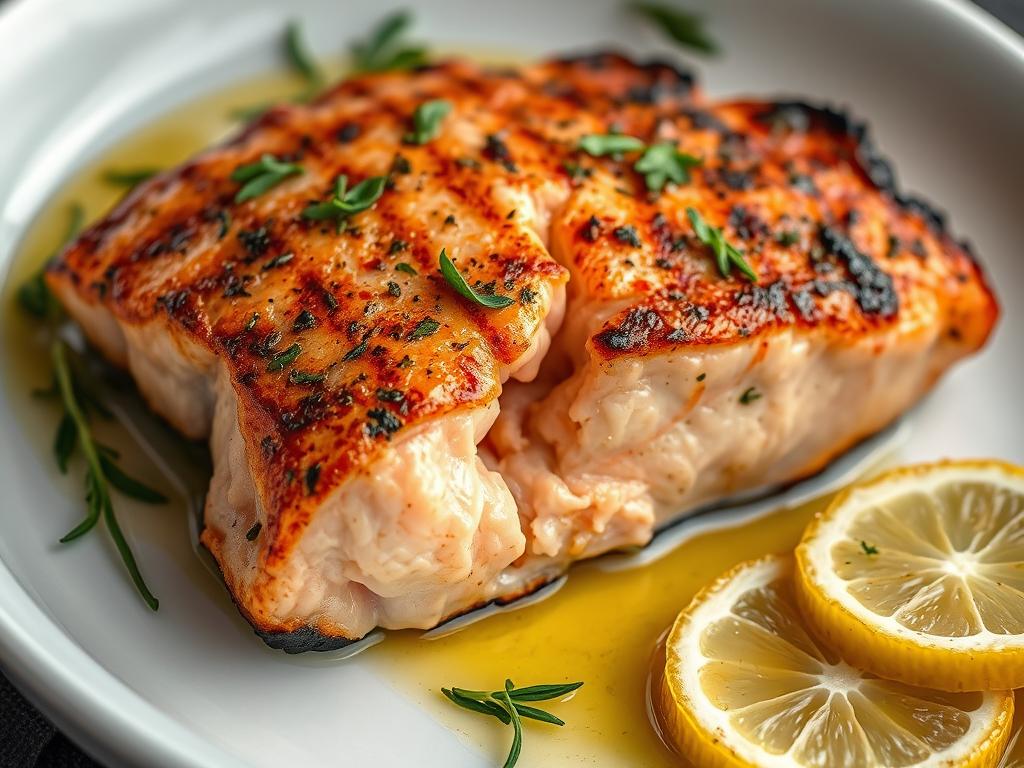
Salmon, mackerel, and sardines are powerhouses for skin health due to their high omega-3 fatty acid content. These essential fats help maintain the skin’s lipid barrier, which keeps moisture in and irritants out. Research published in the Journal of Clinical Medicine shows that omega-3s reduce inflammation and can even protect against photoaging caused by sun exposure.
Key nutrients: Omega-3 fatty acids (EPA and DHA), high-quality protein, astaxanthin (a potent antioxidant), vitamin D, and selenium.
How it helps: Omega-3s reduce inflammation and maintain cell membrane health, while protein provides the building blocks for collagen and elastin – the structural proteins that keep skin firm and elastic. The antioxidant astaxanthin has been shown to reduce wrinkles and improve skin elasticity.
“Consuming fatty fish twice weekly provides enough omega-3s to significantly improve skin hydration and reduce inflammatory skin conditions.”
Serving suggestion: Aim for 2-3 servings (4 oz each) of fatty fish per week. Try grilled salmon with a squeeze of lemon, sardines on whole-grain toast, or a mackerel salad with leafy greens.
2. Berries

Blueberries, strawberries, blackberries, and raspberries are packed with antioxidants called anthocyanins that help your skin combat oxidative stress. These colorful fruits contain some of the highest antioxidant levels of any foods, making them essential allies in the fight against premature aging.
Key nutrients: Vitamin C, anthocyanins, ellagic acid, and other polyphenols.
How it helps: The antioxidants in berries neutralize free radicals before they can damage skin cells. Vitamin C is essential for collagen synthesis, while ellagic acid has been shown to prevent collagen breakdown after UV exposure. Research in the Journal of Agricultural and Food Chemistry found that regular berry consumption can reduce the formation of advanced glycation end products (AGEs) that cause skin to lose elasticity.
Serving suggestion: Enjoy 1 cup of mixed berries daily. Add them to yogurt or oatmeal, blend into smoothies, or simply enjoy as a sweet snack. For maximum benefits, choose organic berries when possible to avoid pesticide residues.
3. Extra Virgin Olive Oil

This cornerstone of the Mediterranean diet is rich in monounsaturated fatty acids and powerful antioxidants that support skin health. A 2012 study published in PLOS ONE found that women with higher consumption of olive oil had significantly fewer signs of aging compared to those who consumed less.
Key nutrients: Monounsaturated fatty acids, vitamin E, squalene, and polyphenols (including oleocanthal).
How it helps: The monounsaturated fats in olive oil help maintain skin moisture and flexibility. Its antioxidants, particularly vitamin E and polyphenols, protect against oxidative damage. Oleocanthal, a natural compound in olive oil, has anti-inflammatory effects similar to ibuprofen, helping to calm skin inflammation that can accelerate aging.
Serving suggestion: Consume 1-2 tablespoons daily. Use it as a salad dressing, drizzle over cooked vegetables, or use for low-heat cooking. Always choose “extra virgin” olive oil, which contains the highest levels of beneficial compounds.
4. Green Tea

Green tea contains catechins, particularly epigallocatechin gallate (EGCG), which are among the most powerful antioxidants discovered. Regular consumption has been linked to improved skin elasticity and reduced redness.
Key nutrients: Catechins (especially EGCG), L-theanine, and other polyphenols.
How it helps: The catechins in green tea provide antioxidant protection while reducing inflammation. Research in the Journal of Nutrition found that green tea consumption improved skin elasticity and reduced roughness. The polyphenols in green tea also help protect against UV damage, though they’re not a replacement for sunscreen.
Green tea contains L-theanine, an amino acid that reduces stress – an often overlooked factor in premature skin aging. Lower stress levels mean less cortisol, which can break down collagen over time.
Serving suggestion: Drink 2-3 cups daily, preferably without sugar. For maximum catechin absorption, add a squeeze of lemon juice. You can also use cooled green tea as a skin toner by applying it with a cotton pad.
5. Avocados

These creamy fruits are packed with healthy fats and compounds that benefit skin from the inside out. A study published in the Journal of Cosmetic Dermatology found that consuming avocados increased skin elasticity and reduced facial wrinkles in women.
Key nutrients: Monounsaturated fats, vitamins E and C, lutein, zeaxanthin, and glutathione.
How it helps: The healthy fats in avocados help maintain skin moisture and flexibility. Lutein and zeaxanthin protect against UV damage and visible light, while glutathione (a master antioxidant) helps detoxify the body and reduce oxidative stress. Vitamin E works synergistically with vitamin C to support collagen production.
Serving suggestion: Consume ¼ to ½ avocado daily. Spread on whole-grain toast, add to smoothies for creaminess, slice into salads, or make guacamole with lime juice and cilantro.
6. Nuts and Seeds
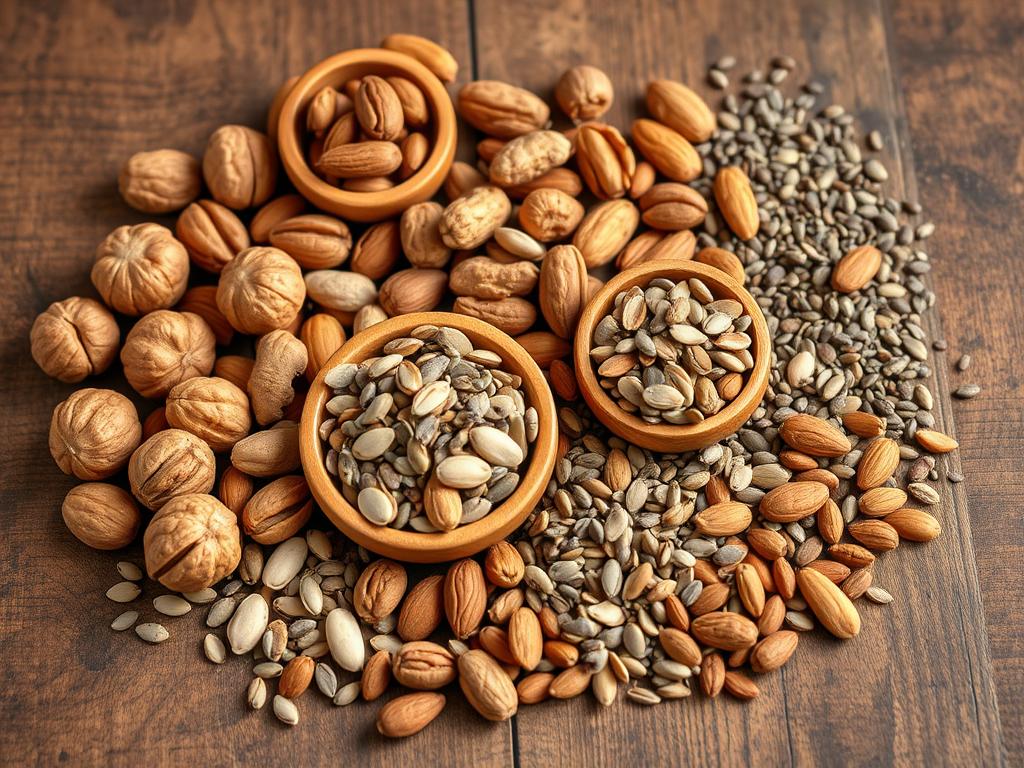
Walnuts, almonds, flaxseeds, and chia seeds provide essential fatty acids and micronutrients that support skin structure and function. Their nutrient profile makes them perfect for combating dryness and improving skin elasticity.
Key nutrients: Omega-3 fatty acids (especially in walnuts and flaxseeds), vitamin E (high in almonds), zinc, selenium, and plant protein.
How it helps: The omega-3s in walnuts and flaxseeds reduce inflammation and support the skin’s lipid barrier. Vitamin E in almonds protects cell membranes from oxidative damage. Zinc aids in cell division and growth, while selenium helps protect against UV damage. A 2019 study in Nutrients found that regular nut consumption was associated with fewer wrinkles in older women.
Serving suggestion: Consume a small handful (about 1 oz) of mixed nuts daily, or 1-2 tablespoons of ground flaxseeds or chia seeds. Add nuts to salads or yogurt, sprinkle ground flaxseeds on oatmeal, or make chia pudding with almond milk.
7. Dark Leafy Greens
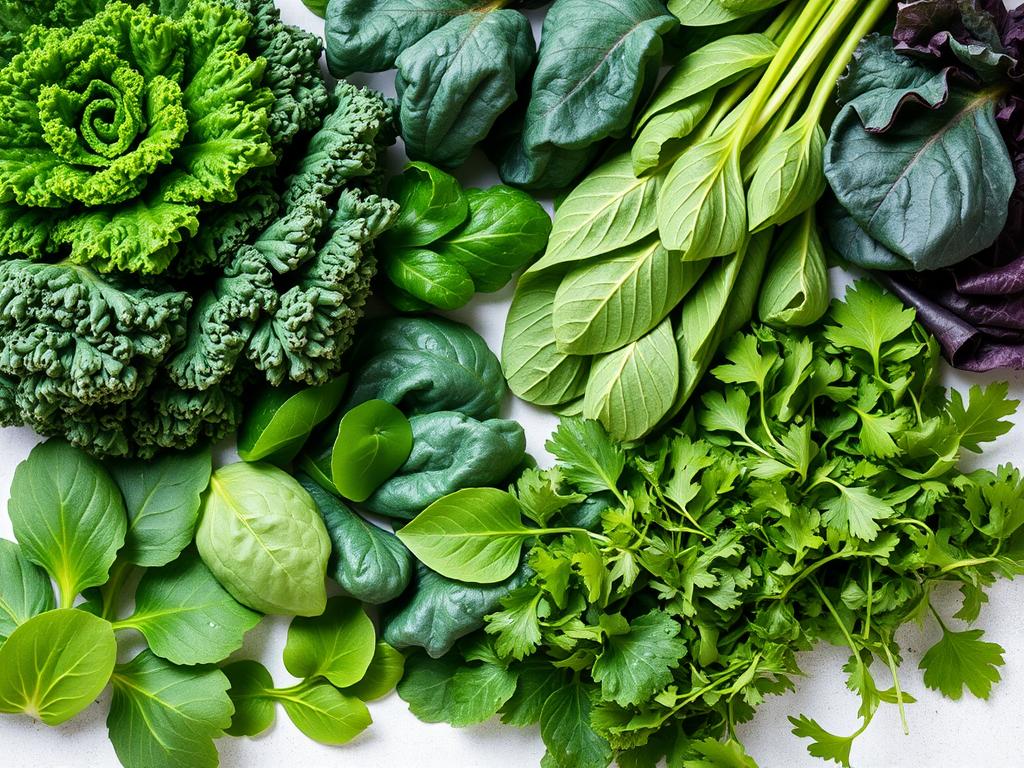
Spinach, kale, collard greens, and Swiss chard are nutritional powerhouses for skin health. Their high vitamin and mineral content makes them essential for maintaining a youthful complexion.
Key nutrients: Vitamins A, C, and K, lutein, zeaxanthin, folate, iron, and calcium.
How it helps: Vitamin A promotes cell turnover and helps normalize oil production. Vitamin C is crucial for collagen synthesis, while vitamin K helps reduce dark circles and bruising. Lutein and zeaxanthin protect against blue light damage from digital devices. The antioxidants in leafy greens also help neutralize free radicals that can damage skin cells.
Serving suggestion: Aim for 2-3 cups daily. Add to smoothies, use as a base for salads, sauté as a side dish, or add to soups and stews. For maximum nutrient absorption, pair with a source of healthy fat like olive oil or avocado.
8. Tomatoes

Tomatoes contain lycopene, a powerful carotenoid that gives them their red color and provides exceptional benefits for skin health. Research shows that lycopene can help protect against sun damage from within.
Key nutrients: Lycopene, beta-carotene, vitamin C, and potassium.
How it helps: Lycopene acts as an internal sunscreen, helping to protect skin cells from UV damage. A study in the British Journal of Dermatology found that participants who consumed tomato paste daily showed 33% more protection against sunburn compared to the control group. The antioxidants in tomatoes also help reduce inflammation and prevent collagen breakdown.
“Cooking tomatoes in olive oil increases lycopene absorption by up to 4 times compared to raw tomatoes.”
Serving suggestion: Consume tomatoes several times weekly, ideally cooked with olive oil to enhance lycopene absorption. Add to sauces, soups, or stews, or roast with herbs for a simple side dish. Tomato paste and sauce are concentrated sources of lycopene.
6 Foods That Accelerate Skin Aging
Just as certain foods can support skin health, others can accelerate aging by promoting inflammation, glycation, and oxidative stress. Like harsh chemicals that would damage a fine fabric, these foods can break down your skin’s structure over time. Being mindful of these aging accelerators can help preserve your skin’s youthful appearance.
1. Sugar and High-Glycemic Foods
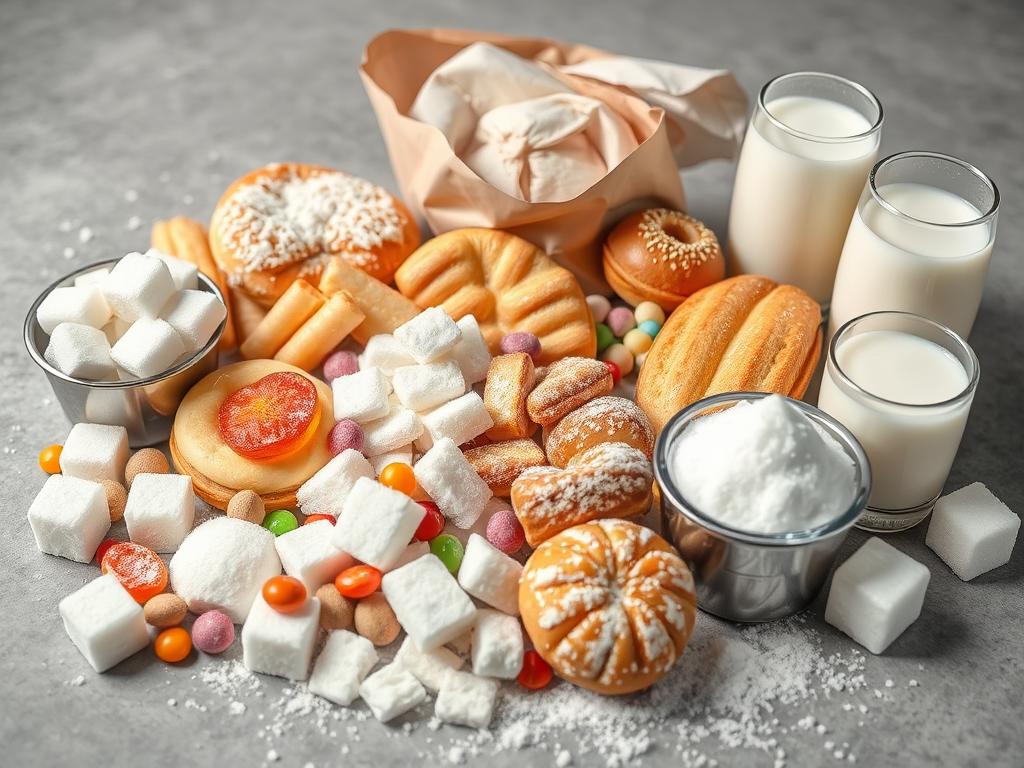
Sugar and refined carbohydrates (white bread, pasta, pastries) trigger a process called glycation, where sugar molecules attach to proteins like collagen and elastin, forming advanced glycation end products (AGEs). These AGEs make skin stiff and prone to sagging and wrinkles.
The damage: Glycation damages collagen and elastin fibers, making them brittle and less elastic. This leads to sagging, wrinkles, and a dull complexion. High sugar consumption also triggers inflammation and can exacerbate conditions like acne and rosacea.
Healthier alternatives: Try swapping refined carbs for complex carbohydrates like sweet potatoes, quinoa, and oats. Satisfy sweet cravings with fresh fruit or dark chocolate (70%+ cacao). Use natural sweeteners like monk fruit or stevia in moderation.
2. Processed Meats

Bacon, sausage, hot dogs, and deli meats contain preservatives called nitrates that generate free radicals in the body. They’re also typically high in sodium, saturated fat, and advanced glycation end products (AGEs).
The damage: The preservatives and cooking methods used for processed meats create compounds that promote inflammation and oxidative stress. High sodium content can lead to water retention and puffiness, while saturated fats may contribute to inflammatory skin conditions.
Healthier alternatives: Choose fresh, unprocessed proteins like chicken, turkey, fish, eggs, or plant-based proteins such as lentils and beans. If you do consume processed meats, do so sparingly and balance with antioxidant-rich vegetables.
3. Alcohol

Alcohol is a diuretic that depletes the body of water and essential nutrients. Even moderate consumption can lead to dehydration, inflammation, and reduced vitamin A levels – all detrimental to skin health.
The damage: Dehydration from alcohol shrinks skin cells, emphasizing fine lines and wrinkles. Alcohol also dilates blood vessels, potentially leading to permanent redness and broken capillaries. Additionally, it impairs liver function, which can manifest as dull, sallow skin and dark circles.
Healthier alternatives: Limit alcohol consumption to occasional use. When you do drink, choose red wine for its resveratrol content, and always drink plenty of water alongside alcohol. For everyday beverages, try herbal teas, infused water, or kombucha for a probiotic boost.
4. Trans Fats and Hydrogenated Oils

Found in many fried foods, baked goods, and processed snacks, trans fats and hydrogenated oils promote inflammation and damage the skin’s membrane structure. They’re often listed as “partially hydrogenated oils” on ingredient labels.
The damage: Trans fats increase inflammation throughout the body, including the skin. They make cell membranes more rigid and less functional, impairing nutrient delivery to skin cells. Research has linked trans fat consumption to increased UV sensitivity and premature aging.
Healthier alternatives: Choose foods made with natural oils like olive, avocado, or coconut oil. Read labels carefully to avoid partially hydrogenated oils. Bake or air-fry foods instead of deep-frying them.
5. Salt

Excessive sodium intake leads to water retention and can exacerbate puffiness, especially around the eyes. Most processed and restaurant foods contain far more sodium than homemade alternatives.
The damage: High salt intake draws water out of cells, leading to dehydration at the cellular level. This creates a puffy appearance as the body tries to dilute the salt by retaining water. Over time, chronic dehydration can make fine lines more noticeable and slow cell turnover.
Healthier alternatives: Season foods with herbs, spices, citrus, and vinegar instead of salt. Choose fresh, whole foods over processed options. When reading labels, look for products with less than 140mg of sodium per serving.
6. Artificial Sweeteners and Additives

Artificial sweeteners, colors, and preservatives found in many “diet” and processed foods can trigger inflammation and allergic reactions in sensitive individuals. Some studies suggest they may disrupt gut bacteria, which can affect skin health.
The damage: Chemical additives can trigger inflammatory responses that manifest as redness, rashes, or accelerated aging. Disruption to the gut microbiome can lead to systemic inflammation that affects skin health. Some people experience immediate reactions like hives or flushing after consuming certain additives.
Healthier alternatives: Choose whole, unprocessed foods whenever possible. If you need sweetness, opt for small amounts of natural sweeteners like honey or maple syrup. Read ingredient lists and avoid products with artificial colors, flavors, and preservatives.
Beyond Diet: Supporting Factors for Younger-Looking Skin
While diet plays a crucial role in skin health, several other factors work synergistically with nutrition to maintain a youthful appearance. Think of these as complementary threads in the fabric of skin health – each one strengthens the overall structure.
Hydration Guidelines
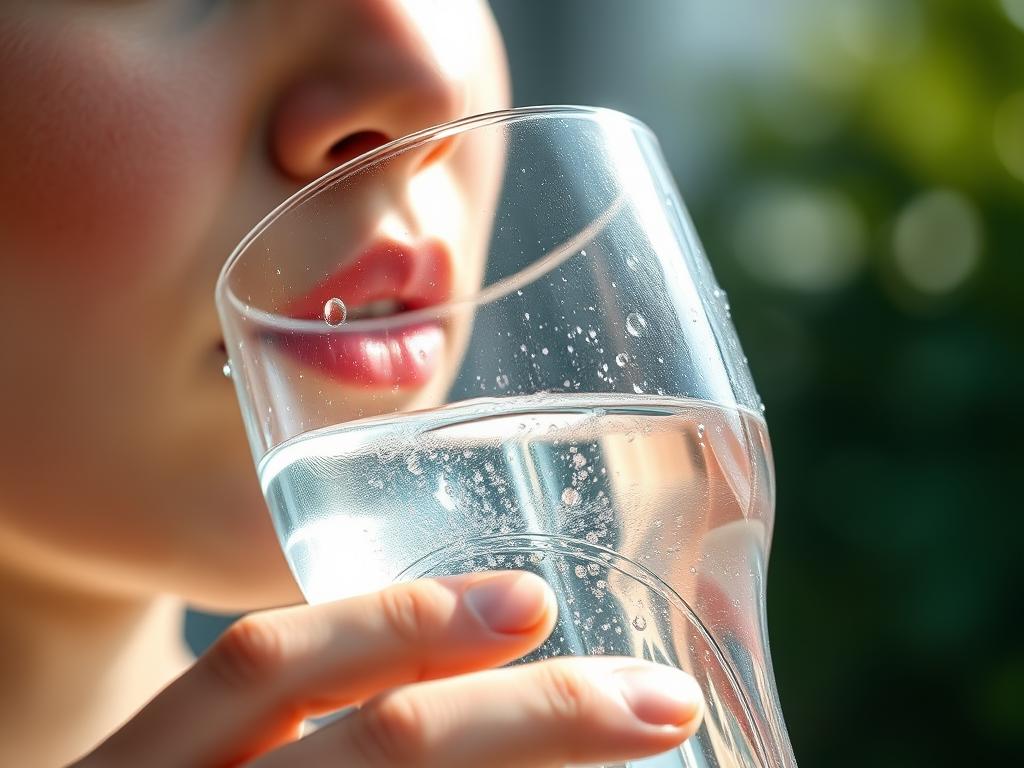
Proper hydration is essential for maintaining skin elasticity and facilitating nutrient delivery to skin cells. Water helps flush toxins and keeps skin cells plump and vibrant.
- Aim for 8-10 cups (64-80 oz) of water daily, more if you’re active or in hot weather
- Herbal teas and water-rich foods (cucumber, watermelon, celery) count toward your daily intake
- Carry a reusable water bottle to remind yourself to drink throughout the day
- Monitor your hydration by checking urine color – pale yellow indicates good hydration
- Consider adding electrolytes if you sweat heavily or exercise intensely
“Even mild dehydration can make fine lines and wrinkles more noticeable, as skin cells lose their plumpness and structural integrity.”
Meal Timing and Composition
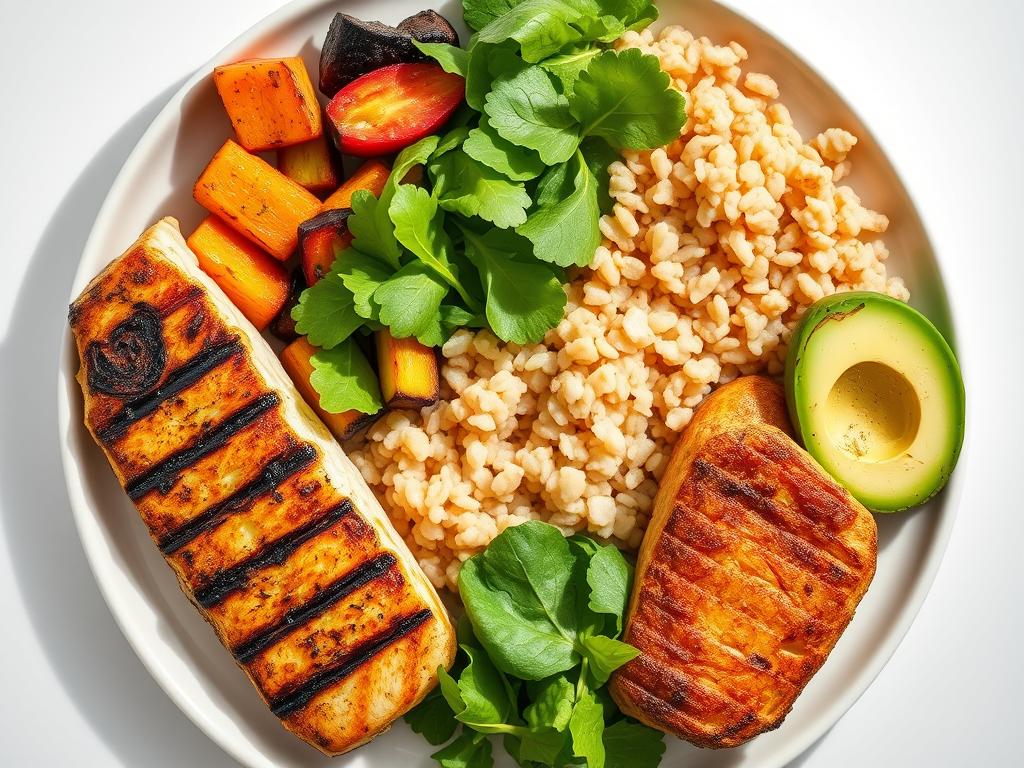
How and when you eat can be just as important as what you eat when it comes to skin health. Strategic meal timing and balanced nutrition can optimize nutrient delivery to your skin.
- Include protein, healthy fat, and fiber at each meal to stabilize blood sugar
- Consider intermittent fasting (under proper guidance) to promote cellular repair
- Eat antioxidant-rich foods before sun exposure for added protection
- Consume collagen-supporting foods (vitamin C-rich fruits, bone broth) regularly
- Avoid eating large meals right before bedtime, which can disrupt sleep quality
Lifestyle Factors

The diet works in concert with other lifestyle factors to determine skin health. Even the best nutrition can’t fully counteract the effects of poor sleep, chronic stress, or sun damage.
- Prioritize 7-9 hours of quality sleep nightly – this is when skin cells repair and regenerate
- Practice stress management through meditation, yoga, or other relaxation techniques
- Exercise regularly to improve circulation and deliver nutrients to skin cells
- Use sun protection daily – no diet can fully protect against UV damage
- Avoid smoking and secondhand smoke, which deplete antioxidants and damage collagen
- Consider supplements like collagen peptides, omega-3s, or vitamin D (under healthcare provider guidance)
Sleep is your skin’s time for repair and regeneration. During deep sleep, growth hormone levels increase, stimulating collagen production and cell renewal. Chronic sleep deprivation can accelerate skin aging by increasing cortisol and inflammatory markers.
Nourishing Your Skin from Within
Your skin is like a canvas that reflects your internal health. By choosing foods rich in antioxidants, healthy fats, and skin-supporting nutrients, you can help maintain its elasticity, radiance, and youthful appearance. Similarly, by limiting foods that promote inflammation, glycation, and oxidative stress, you can prevent premature aging and support your skin’s natural repair processes.
Remember that dietary changes take time to show visible results – typically 6-12 weeks as your skin cells renew. Be patient and consistent with your nutrition approach. Think of these dietary shifts not as a temporary fix but as a long-term investment in your skin’s health and appearance. Just as a gardener nurtures plants with the right nutrients for them to flourish, you can nurture your skin with foods that help it thrive.
Start by incorporating one or two skin-friendly foods into your daily routine, and gradually reduce your intake of aging accelerators. Small, sustainable changes are more effective than drastic overhauls that are difficult to maintain. Your skin – and your overall health – will thank you for the nourishment.
Want More Personalized Skin Nutrition Tips?
Subscribe to our newsletter for weekly updates on healthy recipes, the latest research on nutrition and aging!
Frequently Asked Questions
Does sugar really wrinkle skin?
Yes, sugar can contribute to skin wrinkling through a process called glycation. When you consume sugar, it binds to proteins in your body (including collagen and elastin) to form advanced glycation end products (AGEs). These AGEs make skin fibers stiff and brittle, leading to wrinkles and sagging. Studies show that people with high-sugar diets typically show more advanced signs of aging than those who consume less sugar. Reducing sugar intake and increasing antioxidant consumption can help minimize this damage.
How long does it take to see results from an anti-aging diet?
Most people begin to notice improvements in skin texture, hydration, and radiance within 4-6 weeks of making significant dietary changes. However, more substantial changes in wrinkle depth and elasticity typically take 12 weeks or longer, as this is approximately how long it takes for new collagen formation and skin cell turnover. Consistency is key – occasional consumption of skin-friendly foods won’t produce noticeable results. For best outcomes, make these dietary changes part of your everyday eating pattern and combine them with proper hydration, sleep, and sun protection.
Can certain foods help reverse existing skin damage?
While no food can completely reverse existing skin damage, certain nutrients can help improve the appearance of aged or sun-damaged skin. Antioxidant-rich foods like berries, green tea, and colorful vegetables can help neutralize free radicals and reduce further damage. Foods high in omega-3 fatty acids can help reduce inflammation and improve skin barrier function. Protein-rich foods provide the building blocks for collagen production, which can improve skin firmness over time. For significant skin damage, dietary changes work best when combined with appropriate skincare products and treatments recommended by a dermatologist.
Discover more from Cozy Corner
Subscribe to get the latest posts sent to your email.