Imagine walking out to your patio each spring and harvesting fresh vegetables without replanting a single seed. That’s the magic of homegrown perennial vegetables. Unlike annual crops that require yearly replanting, these remarkable plants come back year after year, producing reliable harvests with minimal effort. For patio gardeners working with limited space, perennials offer distinct advantages. They develop extensive root systems that make them hardy and drought-tolerant. They require less maintenance than annuals. Most importantly, they provide consistent yields season after season, making them perfect for small-space container gardening.
This guide introduces twelve exceptional perennial vegetables specifically selected for small patio growing. Each one thrives in containers, tolerates limited space, and rewards you with fresh produce year after year.
Shop
We earn a commission if you make a purchase, at no additional cost to you.


Why Choose Perennial Vegetables for Your Patio Garden
Perennial vegetables offer compelling advantages for anyone with limited growing space. Understanding these benefits helps you appreciate why these plants work exceptionally well on patios and balconies.
Year After Year Production
The most significant advantage of perennial vegetable gardening is the continuous harvest cycle. Plant once, and your vegetables return each growing season without replanting.
- No annual seed purchases required
- Established root systems produce earlier harvests
- Plants become more productive with age
- Reduced gardening workload each spring
Space Efficiency
Perennial vegetables maximize limited patio space through vertical growth and container adaptability. wide varieties produce abundantly in surprisingly small areas.
- Vertical growers utilize upward space
- Deep root systems work well in containers
- Multiple harvests from single plants
- Companion planting opportunities with herbs
Lower Maintenance Requirements
Once established, perennial vegetables demand less attention than annual crops. Their mature root systems handle stress better and require less frequent intervention.
- Greater drought tolerance when established
- Fewer pest problems than tender annuals
- Reduced fertilization needs over time
- Hardy plants survive neglect better
Cost Savings
Growing perennial vegetables significantly reduces your grocery store spending while providing superior freshness and quality compared to purchased produce.
- Eliminate repeated seed or transplant costs
- Harvest expensive vegetables like asparagus
- Reduce trips to the grocery store
- Know exactly how your food was grown
These advantages make perennial vegetables ideal for patio gardeners who want maximum production from minimal space. The initial investment in containers and plants pays dividends for years.
Essential Container Gardening Principles for Perennials
Success with perennial vegetables on patios depends on proper container selection and setup. These plants develop extensive root systems that need adequate space to thrive year after year.
Container Size and Depth Requirements
Perennial vegetables require larger containers than most annual crops. The container must accommodate root growth over multiple seasons while providing stability for top growth.
Minimum container depths vary by plant type. Shallow-rooted perennials like French sorrel grow well in containers 12 inches deep. Deep-rooted vegetables like asparagus need containers at least 18 to 24 inches deep. Most perennial vegetables thrive in containers between 15 and 20 inches deep.
| Container Depth | Suitable Vegetables | Container Volume |
| 12-14 inches | French sorrel, chives, most herbs | 5-7 gallons |
| 15-18 inches | Kale, walking onions, sorrel, watercress | 10-15 gallons |
| 20-24 inches | Asparagus, rhubarb, artichokes, horseradish | 20-30 gallons |
Shop
We earn a commission if you make a purchase, at no additional cost to you.




Soil and Drainage Considerations
Container soil differs significantly from garden soil. Perennial vegetables need a growing medium that drains well yet retains adequate moisture between waterings.
High-quality potting mix designed for containers works best. Garden soil compacts in containers, restricting root growth and reducing drainage. A good container mix combines peat moss or coconut coir, perlite or vermiculite, and compost in balanced proportions.
Drainage holes are essential for perennial vegetables. Without adequate drainage, roots sit in water and rot. Each container should have multiple drainage holes at least half an inch in diameter. Place a layer of small stones or broken pottery over drainage holes to prevent soil loss while maintaining water flow.
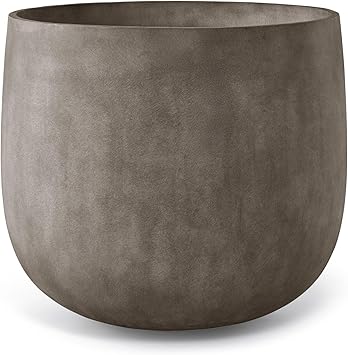
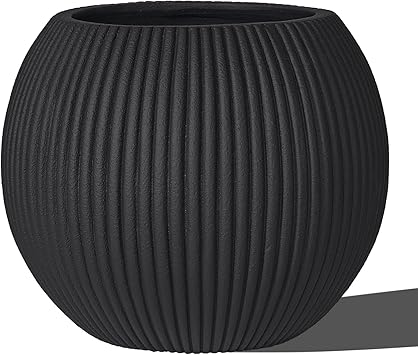
Container Materials and Durability
Container choice affects plant health and longevity. Perennials spend years in the same pot, so material durability matters more than with annuals.
Plastic containers offer lightweight portability and excellent moisture retention. They resist cracking in cold weather and cost less than other materials. Dark-colored plastic heats up quickly in full sun, which can stress roots.
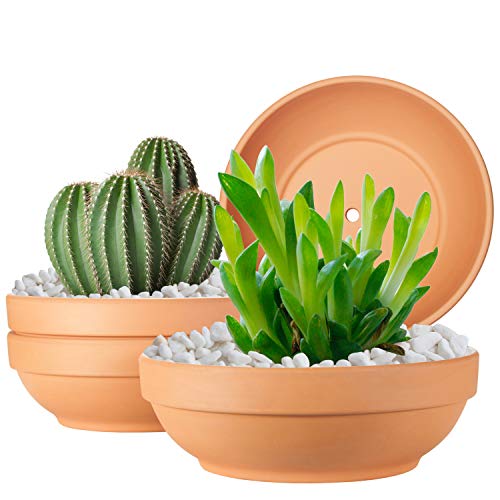
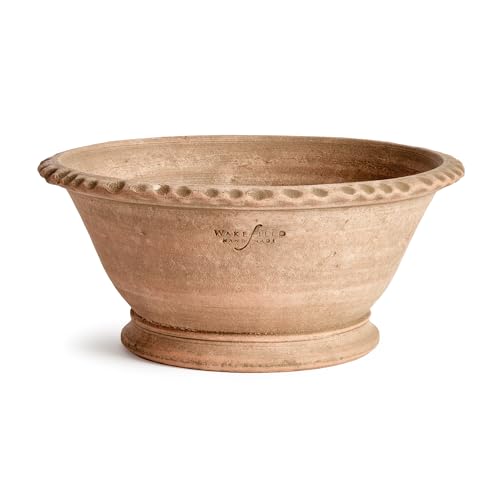
Terracotta and clay pots provide excellent breathability for roots. They’re heavy enough to support top-heavy plants without tipping. These porous materials dry out faster than plastic, requiring more frequent watering. They can crack during freeze-thaw cycles in cold climates.
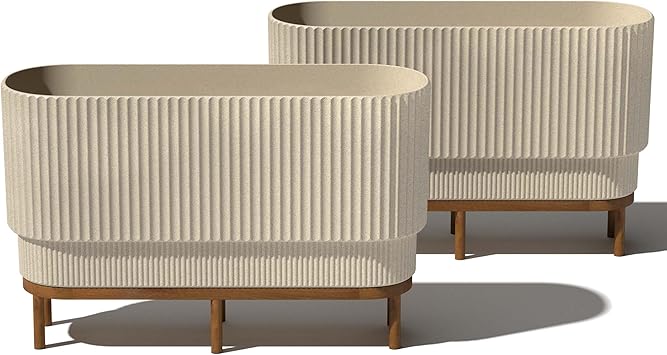
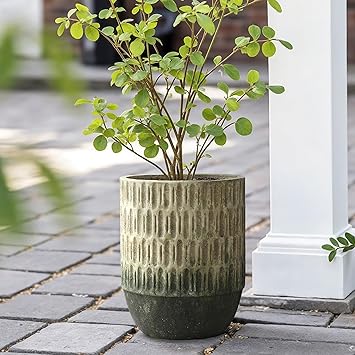
Glazed ceramic containers combine beauty with function. The glazed interior retains moisture like plastic, while the attractive exterior enhances patio aesthetics. Quality matters with ceramic—cheap versions crack easily.
Fabric grow bags work surprisingly well for perennials. They provide excellent drainage and air pruning of roots. They’re lightweight and fold flat for storage. They dry out rapidly and may only last two to three years before degrading.
Shop
We earn a commission if you make a purchase, at no additional cost to you.






Winter Protection Strategies
Container-grown perennials face greater cold exposure than in-ground plants. Roots in containers experience more extreme temperature fluctuations because they lack the insulation of the surrounding earth.
Most perennial vegetables tolerate container growing in zones two zones warmer than their rated hardiness. A plant hardy to zone 5 in the ground needs zone 7 conditions in a container. This limitation doesn’t mean container growing fails in cold climates—it requires additional winter protection.
Several strategies protect containers through winter. Group containers together against a south-facing wall to create a microclimate. Wrap containers with bubble wrap or burlap to insulate roots. Move containers to an unheated garage or shed during the coldest months. Mulch heavily over the soil surface to moderate temperature swings.
1. Asparagus: The Premium Perennial Vegetable
Asparagus ranks among the most rewarding perennial vegetables for patio growing. This hardy perennial produces tender spears each spring for fifteen to twenty years from a single planting. Growing asparagus in containers allows anyone with a sunny patio to harvest this expensive grocery store vegetable.
Why Asparagus Excels on Patios
Despite its reputation as a space hog, asparagus adapts remarkably well to container culture. A single large container produces enough spears for regular harvests throughout the spring season. The plants develop deep root systems that anchor them securely, while the ferny foliage creates an attractive backdrop for other patio plants.
Asparagus crowns planted in containers begin producing harvestable spears in the second or third year. Once established, plants produce increasingly abundant harvests each season. The investment in a large container and quality asparagus crowns pays dividends for decades.
Container Requirements for Asparagus
Asparagus demands deep containers to accommodate its extensive root system. The minimum container depth is 18 inches, though 24-inch-deep containers produce better results. Container diameter should be at least 18 to 24 inches to provide adequate growing room.
A 30-gallon container accommodates three to five asparagus crowns. More crowns in a single container increase the total harvest but reduce individual spear size. For patio growing, three crowns per large container provides an optimal balance between space efficiency and production.
Planting and Care Instructions
Plant asparagus crowns in early spring as soon as the soil can be worked. Create a 6-inch-deep trench in the container and spread the crown roots evenly. Cover with 2 inches of soil initially, then gradually fill the trench as spears emerge and grow.
Asparagus requires full sun—at least six to eight hours daily. Place containers in the sunniest spot on your patio. The plants tolerate partial shade but produce fewer spears with reduced sunlight.
Keep soil consistently moist but never waterlogged during the growing season. Asparagus tolerates brief dry periods once established, but produces best with regular watering. Feed plants with a balanced fertilizer in early spring before spear emergence and again after harvest ends.

Harvesting and Long-term Maintenance
Resist harvesting asparagus spears the first year after planting. The plants need this time to establish strong root systems. Harvest the second spring lightly, taking only a few spears over two weeks. From the third year onward, harvest all spears over six to eight weeks in spring.
Cut or snap spears when they reach 7 to 9 inches tall and before the tips begin to open. Harvest every two to three days during peak production. Stop harvesting when spear diameter becomes noticeably thinner—this signals that the plant needs to build energy reserves for next year.
Allow the ferny foliage to grow after harvest season ends. These fronds photosynthesize and store energy in the roots for next year’s crop. Cut the foliage back to 2 inches above soil level in late fall after it turns completely brown. Mulch containers heavily for winter protection in cold climates.
Pro Tip: Choose male asparagus varieties for container growing. Male plants produce more and larger spears because they don’t expend energy producing seeds like female plants. Look for all-male varieties like Jersey Knight or Jersey Supreme.
2. Rhubarb: Reliable and Low-Maintenance
Rhubarb offers one of the earliest harvests of any perennial vegetable. The tart, crisp stalks appear in early spring and continue producing for months. A single rhubarb plant in a large container provides enough stalks for pies, crisps, and preserves throughout the spring and early summer.
Benefits for Small Patio Gardens
Rhubarb plants are remarkably self-sufficient once established. They tolerate neglect better than most vegetables and produce reliably year after year with minimal care. The large, dramatic leaves create an architectural focal point on patios, combining ornamental appeal with edible productivity.
This hardy perennial thrives in cold climates and actually requires winter chilling to produce well. Gardeners in zones 3 through 8 find rhubarb easy to grow. The plants tolerate partial shade, making them suitable for patios that don’t receive full sun all day.
Container Growing Requirements
Rhubarb develops a substantial root system that needs a large container. Choose containers at least 20 inches deep and 24 inches in diameter. Half whiskey barrels work exceptionally well for rhubarb. The plant has occupied this container for many years, so invest in a durable, attractive option.
Use rich, well-draining potting soil amended with compost. Rhubarb appreciates fertile soil but doesn’t require heavy fertilization once established. Add a 2-inch layer of compost to the container surface each spring to replenish nutrients.
Planting and Seasonal Care
Plant rhubarb crowns or divisions in early spring or fall. Position the crown so buds sit 1 to 2 inches below the soil surface. Water thoroughly after planting and maintain consistent moisture throughout the growing season.
Rhubarb tolerates both full sun and partial shade. In hot climates, afternoon shade prevents stress during summer heat. Place containers where they receive at least four to six hours of sunlight daily.
Remove flower stalks as soon as they appear. Flowering reduces stalk production and weakens the plant. Cut flower stalks at the base when you first notice them developing.
Harvesting Techniques
Wait until the second growing season before harvesting rhubarb stalks. The plant needs the first year to establish its root system. From the second year forward, harvest stalks freely when they reach 10 to 15 inches long.
Harvest rhubarb by grasping the stalk near the base and pulling with a slight twist. This method cleanly removes the entire stalk. Alternatively, cut stalks at the base with a sharp knife. Never remove more than half the plant’s stalks at one time. Leave several stalks to continue photosynthesizing.
The harvest season typically runs from early spring through June. Some varieties produce a lighter second crop in fall. Stop harvesting by mid-summer to allow the plant to build energy reserves for winter and next spring’s growth.
Important Safety Note: Only rhubarb stalks are edible. The leaves contain toxic levels of oxalic acid and should never be consumed. Remove and discard leaves when preparing rhubarb stalks. The leaves make excellent additions to compost piles, where the oxalic acid breaks down harmlessly.
3. Sea Kale: The Gourmet Perennial
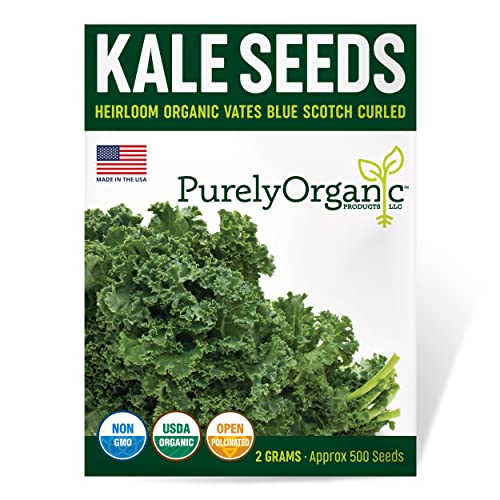
Sea kale remains relatively unknown among American gardeners despite its exceptional flavor and ornamental beauty. This hardy perennial vegetable produces tender shoots in early spring that taste like a refined combination of asparagus and broccoli. The silvery-blue foliage and clusters of honey-scented white flowers make sea kale as beautiful as it is delicious.
Why Sea Kale Deserves Patio Space
Sea kale thrives in containers and tolerates coastal conditions exceptionally well, making it ideal for seaside patios. The plant withstands wind, salt spray, and poor soil conditions that challenge many vegetables. This adaptability translates to easy container growing for any patio location.
The young shoots can be eaten like asparagus in early spring. Later in the season, you can harvest the young leaves and use them like spinach or kale. The flower buds, picked before opening, taste similar to broccoli. A single sea kale plant provides multiple harvests throughout the growing season.
Container and Soil Needs
Sea kale grows successfully in containers 15 to 18 inches deep and at least 18 inches in diameter. The plant develops a deep taproot, so depth matters more than width. A 15-gallon container accommodates one mature sea kale plant comfortably.
This vegetable prefers well-draining soil with good fertility. Mix standard potting soil with 20 to 30 percent coarse sand to improve drainage. Sea kale tolerates slightly alkaline conditions better than acidic soil, unlike many vegetables.
Growing Sea Kale Successfully
Start sea kale from root cuttings, crowns, or seeds. Root cuttings establish faster and produce harvests sooner than seed-grown plants. Plant crowns or cuttings in early spring, positioning the crown just below the soil surface.
Sea kale requires full sun for best production. The plant tolerates light shade but produces fewer shoots and develops leggy growth without adequate sunlight. Position containers to receive at least six hours of direct sun daily.
Water regularly during the growing season, allowing the soil surface to dry between waterings. Sea kale tolerates drought better than many vegetables but produces more tender growth with consistent moisture. Reduce watering in winter when the plant enters dormancy.
Feed sea kale with compost or balanced fertilizer in early spring before growth begins. A second application in midsummer supports continued production. Avoid high-nitrogen fertilizers that promote excessive leaf growth at the expense of shoot production.
Harvesting and Blanching
Wait until the second growing season before harvesting sea kale. The plant needs time to establish strong roots. From the second year onward, harvest the emerging shoots when they reach 6 to 8 inches tall in early spring.
Traditional sea kale cultivation involves blanching the shoots to create exceptionally tender, mild-flavored stems. To blanch sea kale in containers, cover the emerging shoots with an inverted pot or bucket in late winter. The shoots grow in darkness, developing pale color and delicate flavor.
Check blanched shoots every few days. Harvest them when they reach 6 to 8 inches tall by cutting at the base. After harvest, remove the cover and allow the plant to grow normally. The foliage replenishes root energy for next year’s crop.
You can also harvest unblanched shoots, though they have a stronger flavor. Cut young leaves throughout the growing season, taking no more than a third of the foliage at one time. Harvest flower buds just before they open and steam them like broccoli.
Growing Tip: Sea kale also known as Crambe maritima, thrives with minimal care once established. The plants are extremely long-lived—a single plant can produce for 15 to 20 years. The investment in establishing sea kale pays dividends for decades, making it one of the most economical perennial vegetables for patios.
4. Walking Onions: The Self-Propagating Wonder
Walking onions earn their curious name from their unique growing habit. Instead of flowers, the plants produce clusters of small bulblets at the top of their stalks. These top bulbs grow heavy enough to bend the stalk to the ground, where they root and create new plants. The onions literally “walk” across the garden over time.

Advantages of Patio Container Growing
Walking onions are also known as Egyptian walking onions or tree onions. They provide three separate harvests from a single plant. Use the green shoots like scallions throughout the growing season. Harvest the underground bulbs like regular onions. Pick the topset bulblets for pickling or replanting.
These hardy perennial onions tolerate cold better than almost any vegetable. They survive zone 3 winters without protection and begin growing earlier in spring than any other allium. The plants require almost no maintenance once established, making them perfect for busy patio gardeners.
Container Requirements
Walking onions adapt well to container culture. Plant them in containers at least 12 inches deep and 12 inches in diameter. A single 5-gallon container accommodates five to seven walking onion bulbs, creating a productive clump.
Standard potting soil works fine for walking onions. These undemanding plants tolerate a wide range of soil conditions. Add a handful of compost when planting and refresh the surface with more compost each spring.
Planting and Care Instructions
Plant walking onion bulbs or divisions in early spring or fall. Space bulbs 4 to 6 inches apart in containers. Plant them with the pointed end up, just beneath the soil surface. Water after planting and keep the soil moderately moist.
Walking onions tolerate partial shade but produce better in full sun. They aren’t fussy about light conditions and adapt to whatever your patio offers. Water regularly during active growth, but don’t worry if you forget occasionally—these onions handle neglect remarkably well.
The plants require minimal fertilization. A light application of balanced fertilizer or compost in early spring provides sufficient nutrients for the entire season. Overfeeding produces excessive foliage with small bulbs.
Harvesting Multiple Crops
Walking onions produce edible parts nearly year-round. Harvest green shoots like scallions whenever you need them. Cut shoots at soil level, leaving the bulb intact to produce more growth. The plants bounce back quickly after cutting.
Dig the underground bulbs in late summer after the foliage begins to yellow. These bulbs resemble shallots and have a strong onion flavor. Leave a few bulbs in the container to regenerate the planting for next year.
The topset bulblets appear in mid to late summer. Harvest them when the cluster feels heavy and the individual bulblets separate easily. These small bulbs work wonderfully for pickling. You can also plant them immediately or store them in a cool, dry place for fall planting.
Walking onions multiply prolifically. A container that starts with five bulbs can produce twenty or more bulbs within two years. Divide overcrowded containers every two to three years, replanting some bulbs and sharing or using the extras.
5. Perennial Kale: Non-Stop Nutrition
While most people think of kale as an annual crop, several kale varieties function as true perennials in the right conditions. Perennial kale varieties like Daubenton’s kale and Tree Collards produce edible leaves for years without replanting. These hardy plants survive winter in zones 7 and warmer, providing fresh salad greens even during cold months.
Why Grow Perennial Kale
Perennial kale offers several advantages over annual varieties. The plants produce leaves continuously rather than bolting to seed in warm weather. They tolerate both heat and cold better than annual kale. Once established, perennial kale requires less water and fewer nutrients than annual vegetables while producing more total harvest.
The flavor of perennial kale varieties tends to be milder and sweeter than that of annual types. Young leaves make excellent additions to salads, while larger leaves work well when cooked. The plants also produce edible flower buds in spring that taste similar to broccoli.
Container Growing Specifications
Perennial kale grows well in containers 15 to 18 inches deep and at least 12 inches in diameter. A 10 to 15-gallon container accommodates one plant comfortably. These varieties grow larger than annual kale, eventually reaching 3 to 4 feet tall and wide.
Use rich, well-draining potting soil. Kale appreciates fertile conditions but doesn’t require heavy feeding. Mix compost into the potting soil at planting and add a fresh 1-inch layer of compost to the surface each spring.
Planting and Maintenance
Start perennial kale from cuttings rather than seeds. Most perennial varieties don’t produce seeds or produce them sparingly. Purchase starter plants or obtain cuttings from another gardener. Root cuttings in water or directly in moist potting soil.
Plant rooted cuttings in spring after the last frost. Position the plant in the center of the container and firm soil around the roots. Water thoroughly and maintain consistent moisture until the plant establishes.
Perennial kale tolerates partial shade better than most vegetables. The plants grow well with four to six hours of sunlight daily. They actually prefer afternoon shade in hot climates where full sun causes stress.
Water regularly during the growing season, keeping soil evenly moist but not saturated. Established plants tolerate brief dry periods but produce best with consistent moisture. Reduce watering in winter when growth slows.
Harvesting for Continuous Production
Begin harvesting leaves once plants reach 12 to 18 inches tall. Pick individual leaves from the lower part of the stem, leaving the growing tip intact. The plant continues producing new leaves from the top while you harvest from below.
Harvest regularly to keep plants producing tender new growth. Take a few leaves from each plant every few days rather than stripping one plant completely. This harvesting method maintains plant vigor and ensures a steady supply of fresh leaves.
Young leaves 3 to 5 inches long have the best texture for fresh use. Larger leaves develop tougher stems but remain perfectly edible when cooked. Remove any yellowing or damaged leaves to keep plants looking attractive and encourage new growth.
In spring, perennial kale produces edible flower buds similar to broccoli raab. Harvest these flower buds just before they open for a delicious spring treat. Allow some flowers to bloom—they attract beneficial insects to your patio garden.
Cold Hardiness Note: Perennial kale varieties survive winters in zones 7-10 without protection. In zones 5-6, plants may die back to the ground but often regrow from the roots in spring. In colder zones, move containers to a protected location or bring them into an unheated garage during the coldest months.
6. Horseradish: Vigorous and Productive
Horseradish provides one of the easiest perennial vegetables to grow in containers. This vigorous plant produces pungent roots prized for making fresh horseradish sauce. A single container supplies enough horseradish for a year’s worth of cooking and preserving.

Container Growing Benefits
Horseradish spreads aggressively in garden beds, making it somewhat invasive. Container growing solves this problem completely while providing ideal control over harvest and plant size. The plant’s vigor becomes an advantage in containers, producing substantial roots with minimal care.
The large, coarse leaves create a bold textural element on patios. Horseradish tolerates partial shade and poor soil, adapting to challenging patio conditions where other vegetables struggle. The roots store well after harvest, providing fresh horseradish for months.
Container Specifications
Choose deep containers for horseradish—at least 18 to 24 inches deep. The plant develops a long taproot with numerous side roots, all of which are harvestable. Container diameter should be at least 15 to 18 inches. A 20-gallon container works perfectly for a single horseradish plant.
Standard potting soil works fine for horseradish. This unfussy plant tolerates a wide range of soil conditions. Ensure good drainage—horseradish tolerates dry soil better than waterlogged conditions.
Planting and Care
Start horseradish from root cuttings rather than seeds. Obtain root cuttings from garden centers or friends with established plants. Plant root cuttings vertically with the wider end up, positioned 2 to 3 inches below the soil surface.
Plant horseradish in early spring as soon as the soil can be worked. Water thoroughly after planting and keep the soil moderately moist until growth appears. Once established, the plant tolerates drought well and requires little attention.
Horseradish grows in full sun to partial shade. The plant produces larger roots with more sunlight but adapts to shadier conditions. Water when the top inch of soil dries out during active growth. Feed with compost or balanced fertilizer in spring.
Harvesting Horseradish Roots
Wait until the first fall frost to harvest horseradish roots. Cold temperatures trigger the plant to store energy in the roots, improving flavor and pungency. The foliage dies back after frost, signaling harvest time.
To harvest, dump the entire container contents onto a tarp. Sort through the soil to collect all the roots. The large central taproot provides the main harvest, while the numerous side roots supply planting stock for next year.
Wash harvested roots and store them in perforated plastic bags in the refrigerator. Properly stored horseradish roots remain fresh for several months. Save a few side roots for replanting—even small root pieces regenerate into full plants.
Replant root cuttings immediately after harvest or store them in moist sand in a cool location until spring planting. Each root cutting produces a new plant, allowing you to expand your horseradish production or share with friends.
Processing Caution: Fresh horseradish releases powerful fumes when grated that can cause eyes to water intensely. Process horseradish outdoors or in a well-ventilated area. Food processors minimize exposure to fumes compared to hand grating. Some people wear swimming goggles while processing large quantities of horseradish to protect their eyes.
7. Artichokes: Gourmet Container Crop
Artichokes combine impressive ornamental presence with delicious edible flower buds. These dramatic plants produce large, silvery-green leaves and architecturally stunning flower heads. A single artichoke plant in a large container creates a focal point on patios while providing several pounds of gourmet vegetables.

Why Grow Artichokes in Containers
Grocery store artichokes are expensive because they require specific growing conditions and considerable space in commercial production. Growing your own dramatically reduces costs while ensuring superior freshness and flavor. Container growing makes artichokes accessible to gardeners without Mediterranean climates or large garden plots.
Artichoke plants are beautiful enough to function as ornamental specimens. The sculptural foliage and distinctive flower buds earn their keep purely for aesthetic value. The bonus of edible harvests makes them even more valuable for patio gardens.
Container Requirements
Artichokes need large containers to accommodate their substantial size. Choose containers at least 24 inches deep and 24 to 30 inches in diameter. Half whiskey barrels work exceptionally well. A single plant fills one large container at maturity.
Use rich, well-draining potting soil amended with extra compost. Artichokes are heavy feeders that appreciate fertile conditions. Plan to fertilize regularly throughout the growing season to maintain production.
Growing Conditions and Care
Start artichokes from divisions, crowns, or plants rather than seeds for container growing. Seed-grown artichokes take longer to produce and show more variation in quality. Plant crowns or starter plants in spring after the last frost date.
Artichokes require full sun—at least six to eight hours daily. They tolerate light afternoon shade in hot climates. Position containers in the sunniest spot available on your patio for best production.
Water artichokes consistently and deeply. These plants develop extensive root systems that need regular moisture to support their large leaves and developing buds. Never allow containers to dry out completely during the growing season.
Feed artichokes every two to three weeks during active growth. Use a balanced liquid fertilizer or side-dress with compost monthly. Heavy feeding produces larger, more numerous buds.
Overwintering and Long-term Care
Artichokes are perennial in zones 7 and warmer. In colder zones, they require protection or must be grown as annuals. In marginal zones, heavy mulching and protection allow plants to survive winters and resprout in spring.
Cut back foliage to 8 to 10 inches after the first frost. Mulch heavily over the crown with straw or leaves. In zones 5-6, move containers against a south-facing wall and wrap them with burlap or bubble wrap for insulation.
Harvesting Artichoke Buds
Most artichoke plants begin producing harvestable buds in their second growing season. First-year plants may produce a few small buds in late summer if started early enough. Production increases significantly in subsequent years.
Harvest artichoke buds when they reach full size but before the scales begin to separate. The buds should feel tight and compact. Cut the bud with 2 to 3 inches of stem attached using sharp pruners.
The central bud on each stem matures first and grows the largest. Secondary buds develop after you harvest the terminal bud. These side buds are smaller but equally delicious. Harvest all buds promptly when they reach optimal size to encourage continued production.
If you miss the harvest window and buds begin to open, don’t worry. Allow them to bloom fully—artichoke flowers are spectacular purple thistles that attract beneficial insects and make stunning cut flowers.
8. French Sorrel: Tangy Salad Green
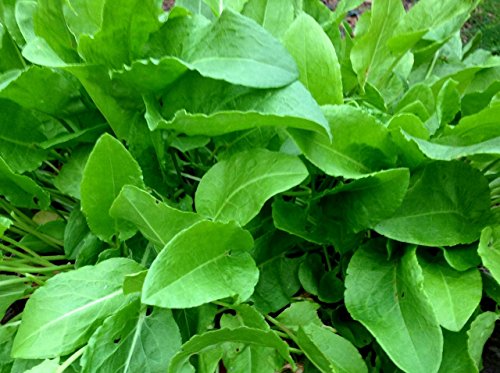
French sorrel provides one of the earliest fresh greens in spring and continues producing throughout the growing season. This lemony-flavored perennial vegetable adds bright, tangy notes to salads and cooked dishes. A single plant supplies enough leaves for regular harvests for years.
Benefits for Small Patios
French sorrel remains compact compared to other perennial vegetables, making it ideal for small patio spaces. The plant rarely exceeds 18 inches tall and wide. Multiple sorrel plants fit easily on limited patios, allowing you to grow enough for frequent use.
This hardy perennial tolerates cold better than most salad greens. The plants survive winter in zones 5 through 9 and provide fresh leaves whenever temperatures permit growth. French sorrel also tolerates partial shade, adapting to less-than-ideal patio light conditions.
Container Growing Details
French sorrel grows well in relatively small containers. A 12 to 15-inch-deep container with a 12-inch diameter accommodates one plant. You can grow three to four sorrel plants in a 20-inch-wide container for more abundant harvests.
Use standard potting soil with good drainage. French sorrel isn’t particularly demanding about soil fertility but grows best with moderate nutrients. Mix a handful of compost into the soil at planting time.
Care and Maintenance
Start French sorrel from divisions, crowns, or seeds. Seeds germinate readily and produce harvestable plants within two months. Plant in early spring or fall for best results.
French sorrel grows well in full sun to partial shade. The plant tolerates shade better than most vegetables, making it perfect for patios that receive only four to six hours of sunlight daily. In hot climates, afternoon shade prevents stress and maintains leaf tenderness.
Keep soil evenly moist during the growing season. French sorrel has moderate water needs—neither excessively thirsty nor particularly drought-tolerant. Water when the top inch of soil feels dry.
Remove flower stalks as soon as they appear. Flowering diverts energy from leaf production and signals the plant to reduce leaf output. Regular deadheading extends the harvest season and maintains leaf quality.
Harvesting and Using Sorrel
Begin harvesting French sorrel leaves when they reach 3 to 4 inches long. Pick individual leaves from the outside of the plant, allowing the center to continue producing new growth. Harvest regularly to encourage tender new leaves.
Young leaves have the mildest flavor and best texture for fresh use. They add bright, lemony notes to salads and sandwiches. Larger leaves develop a stronger flavor and slightly tougher texture, but remain excellent when cooked.
French sorrel makes wonderful soup, sauce, and garnish ingredients. The leaves cook down significantly, similar to spinach. The acidic flavor mellows with cooking while adding complexity to dishes. Sorrel pairs particularly well with eggs, fish, and cream-based preparations.
Harvest sorrel leaves any time during the growing season. Production slows in extreme heat but resumes when temperatures moderate. In mild climates, French sorrel provides fresh leaves year-round except during the coldest winter weeks.
9. Watercress: Peppery Greens for Shade
Watercress offers exceptional nutrition and a distinctive peppery flavor. This aquatic perennial vegetable thrives in conditions that challenge most crops—constant moisture and limited sunlight. Container-grown watercress produces abundant harvests in shady patio spots unsuitable for sun-loving vegetables.

Unique Growing Requirements
Unlike most perennial vegetables, watercress requires constantly moist to wet soil conditions. The plant naturally grows in shallow running water and adapts to container culture when provided with similar conditions. This unusual requirement makes watercress perfect for utilizing shady patio areas with poor drainage where other vegetables fail.
Watercress tolerates and even prefers shade. The plant grows well with just two to four hours of direct sunlight or in bright indirect light all day. This shade tolerance opens growing opportunities on north-facing patios, covered porches, and under patio furniture.
Container Setup for Watercress
Grow watercress in shallow, wide containers rather than deep pots. The plant develops shallow roots that spread horizontally. A container 6 to 8 inches deep and 12 to 18 inches wide works perfectly. Use a watertight container without drainage holes, or plug the drainage holes of standard containers.
Create a growing medium by mixing equal parts potting soil and compost. Place this mix in the bottom third of the container. Fill the remaining space with water, keeping the water level 2 to 3 inches above the soil surface. This creates the boggy conditions watercress requires.
Growing and Maintaining Watercress
Start watercress from cuttings or plants rather than seeds for container growing. Cuttings from grocery store watercress often root successfully when placed in water. Once rooted, plant the cuttings into your prepared container.
Place watercress containers in shade to partial shade. The plant tolerates full shade better than any other vegetable. Too much sun causes bitter flavor and encourages premature flowering.
Maintain the water level consistently. Check containers every few days and add water as needed to keep the level 2 to 3 inches above the soil. Change the water completely every two weeks to prevent stagnation and maintain nutrient availability.
Watercress grows actively in cool weather and slows during summer heat. The plant produces best in spring and fall when temperatures range between 50 and 70°F. In hot climates, watercress may die back in summer but regrows when temperatures cool.
Harvesting Watercress
Begin harvesting watercress as soon as stems reach 4 to 6 inches long. Cut stems above the water line, leaving at least 2 inches of stem intact. The plant regrows quickly from these cuts, producing new harvestable stems within two weeks.
Harvest watercress regularly to maintain tender growth and prevent flowering. Frequent cutting keeps the plant producing young, flavorful stems. Watercress that’s allowed to mature develops woody stems and a stronger, sometimes bitter flavor.
Use watercress fresh for the best flavor and nutrition. The leaves wilt quickly after harvest, so cut only what you’ll use within a day or two. Store harvested watercress in the refrigerator with stems in water, like cut flowers, to maintain freshness.
The peppery flavor of fresh watercress enhances salads, sandwiches, and garnishes. Cooked watercress makes excellent soup and can be used similarly to spinach in many recipes. The distinctive flavor remains detectable even after cooking.
10. Potato Onions: Multiplying Bulbs
Potato onions are perennial multiplier onions that produce clusters of bulbs from a single planted bulb. Plant one potato onion in the fall, and harvest five to seven full-size bulbs the following summer. Save a few bulbs from each harvest to replant, and you’ll never need to purchase onions again.

Why Potato Onions Excel in Containers
These remarkable alliums require minimal space while producing substantial yields. The bulbs store for months without special conditions, providing homegrown onions long after harvest. Container growing prevents potato onions from spreading throughout the garden while making harvest incredibly simple—just dump the container.
Potato onions tolerate cold exceptionally well, surviving zone 5 winters without protection. They begin growing earlier than any other onion type and mature earlier too. This extended growing season makes them reliable producers even in short-season climates.
Container Specifications
Grow potato onions in containers at least 12 inches deep and 12 to 18 inches in diameter. A 10-gallon container accommodates five to seven bulbs comfortably. The bulbs multiply significantly, so provide adequate space for expansion.
Standard potting soil works well for potato onions. These adaptable plants tolerate a wide range of soil conditions. Ensure good drainage—onions rot in waterlogged soil. Add a handful of compost at planting time to provide nutrients.
Planting and Growing Cycle
Plant potato onion bulbs in fall, about six weeks before the ground freezes. This timing allows roots to establish before winter dormancy. In mild climates, plant any time from fall through early spring.
Space bulbs 4 to 6 inches apart in containers. Plant with the pointed end up, positioning the bulb so its neck sits just at the soil surface. Water after planting and again whenever the soil dries out during fall or winter warm spells.
Potato onions grow actively in early spring as soon as soil warms. Keep soil moderately moist during active growth. The plants don’t require heavy fertilization—a single application of balanced fertilizer or compost in early spring provides adequate nutrients.
Green shoots appear in late winter or very early spring. These shoots are edible and can be harvested sparingly like scallions. Avoid over-harvesting green shoots if you want large bulb production—the foliage feeds the developing bulbs.
Harvest and Storage
Potato onions mature in early to midsummer when foliage yellows and begins to fall over. Stop watering when half the foliage has yellowed. Allow the foliage to die back completely before harvest.
Dump the container contents to reveal the multiplied bulbs. A single planted bulb typically produces five to seven full-size bulbs plus several smaller bulbs. Brush off soil and allow the bulbs to cure in a shaded, well-ventilated location for two weeks.
After curing, remove dried foliage and loose outer skin. Store potato onions in a cool, dry location with good air circulation. Properly cured bulbs store for six to eight months. Save medium-size bulbs for replanting—very large bulbs split into smaller divisions when planted, while very small bulbs produce smaller yields.
Replant in fall for next year’s crop. The cycle continues indefinitely with proper management. Share extra bulbs with friends or expand your production by planting more containers.
11. Lovage: Celery-Flavored Powerhouse
Lovage functions as an intensely flavored celery substitute that grows as a hardy perennial. Every part of the plant is edible—leaves, stems, seeds, and roots all offer a strong celery flavor. A single lovage plant produces more usable material than a dozen celery plants while requiring a fraction of the care.
Growing Advantages
Lovage grows effortlessly compared to finicky celery. The plant tolerates cold, heat, drought, and neglect while producing prolifically. This hardy perennial survives zone 3 winters without protection and thrives in zones 3 through 9. Container-grown lovage provides fresh celery flavor year after year from a single planting.
The plant grows large—up to 6 feet tall in ideal conditions—but adapts to container size constraints. Container-grown specimens typically reach 3 to 4 feet tall while remaining perfectly productive. The substantial size creates vertical interest on patios while the hollow stems allow light to reach plants beneath.

Container Requirements
Lovage needs a large container to accommodate its substantial root system. Choose containers at least 18 to 20 inches deep and 18 inches in diameter. A 20 to 25-gallon container supports one mature lovage plant comfortably. The investment in a large container pays off with decades of production from a single plant.
Use rich, moisture-retentive potting soil. Lovage appreciates fertile conditions and consistent moisture. Mix compost into the potting soil at planting time and refresh with additional compost each spring.
Care Instructions
Start lovage from seeds, divisions, or plants. Seeds germinate slowly and require patience. Division from established plants provides the fastest route to harvest. Plant in spring or fall, positioning the crown just below the soil surface.
Lovage grows well in full sun to partial shade. The plant tolerates shadier conditions than most vegetables, making it suitable for patios with limited direct sunlight. Four to six hours of sun daily produces good results.
Keep soil consistently moist during the growing season. Lovage has higher water needs than many perennial vegetables. Don’t allow containers to dry out completely. Mulch the soil surface to conserve moisture and moderate temperature swings.
Feed lovage with compost or balanced fertilizer in early spring. A second feeding in midsummer supports continued production. The plant’s substantial size requires adequate nutrients to maintain vigorous growth and flavor intensity.
Harvesting and Using Lovage
Begin harvesting lovage leaves when plants reach 12 inches tall. Cut outer stems at the base, leaving the central growing point intact. The plant rapidly produces new growth to replace harvested stems. Harvest regularly throughout the growing season for the most tender leaves.
Young leaves have the best texture for fresh use. Use them like celery leaves in salads, soups, and as a garnish. The hollow stems can be used like celery stalks, though the flavor is considerably stronger. One lovage leaf provides as much flavor as several celery stalks.
Lovage flowers in early summer, producing large umbels of yellow flowers. Allow some flowers to mature into seeds if you want lovage seed for cooking or propagation. The seeds taste like celery seed and work well in pickles, bread, and seasoning blends.
Cut back lovage stems after flowering to encourage fresh growth. The plant produces a second flush of tender leaves in late summer and fall. In mild climates, lovage remains somewhat evergreen, providing fresh leaves during winter.
12. Good King Henry: Historic Perennial Green
Good King Henry grows as a reliable perennial vegetable that produces spinach-like leaves, edible shoots like asparagus, and edible flower buds. This historic vegetable was cultivated throughout Europe for centuries before being displaced by annual vegetables. Modern gardeners rediscovering Good King Henry appreciate its productivity and tolerance for challenging conditions.
Why Grow Good King Henry
This versatile perennial vegetable provides three separate harvests from one plant. Use the young spring shoots like asparagus. Harvest the leaves like spinach throughout the growing season. Pick the immature flower buds and use them like broccoli. Few vegetables offer such varied harvests from a single compact plant.
Good King Henry tolerates partial shade and poor soil better than most vegetables. The plant grows reliably in conditions where annual vegetables struggle. This adaptability makes it valuable for difficult patio locations—north-facing areas, dry corners, or spots with less-than-ideal soil.
Container Growing Details
Good King Henry adapts well to container culture. Plant in containers at least 12 to 15 inches deep and 12 inches in diameter. A 10-gallon container accommodates one plant or three plants in a larger 20-gallon container create an abundant patch.
Standard potting soil works fine for Good King Henry. This undemanding plant tolerates a range of soil conditions. Add compost at planting time and refresh the surface layer each spring.
Planting and Maintenance
Start Good King Henry from seeds or divisions. Seeds germinate slowly and sporadically. Soaking seeds overnight before planting improves germination rates. Division from established plants provides faster results but requires finding source plants since Good King Henry remains relatively uncommon.
Plant in spring or fall. Good King Henry establishes the first year slowly, then grows vigorously from the second year onward. Be patient with newly planted specimens—they need time to develop strong root systems.
The plant grows well in full sun to partial shade. Good King Henry is also known for its tolerance of less-than-ideal light conditions. Four to six hours of sun produce acceptable results. The plant tolerates deep shade better than most vegetables, though production decreases significantly without adequate light.
Water regularly during active growth, but allow the soil surface to dry between waterings. Good King Henry tolerates drought once established, but produces better with consistent moisture. Feed lightly in spring with compost or balanced fertilizer.
Harvesting Multiple Crops
Wait until the second growing season before harvesting Good King Henry. The plant needs the first year to establish before it can sustain regular harvests.
In early spring, blanch the emerging shoots by covering them with a pot or bucket. Harvest the pale shoots when they reach 4 to 6 inches tall. Cut them at the base like asparagus. Remove the covering after taking the spring shoot harvest to allow the plant to grow normally.
Harvest leaves throughout the growing season once plants reach 8 to 10 inches tall. Pick outer leaves, leaving the central growing point intact. Young leaves 2 to 4 inches long have the best texture. Larger leaves remain edible but develop a slightly bitter flavor and a tougher texture.
The immature flower buds appear in midsummer. Harvest these clusters before individual flowers open. Steam or sauté them like broccoli. The flavor is mild and pleasant, less distinctive than the leaves.
Good King Henry produces abundantly once established. Regular harvesting maintains tender growth and extends the harvest season. The plant dies back to the roots in winter and regrows each spring vigorously, typically producing more than the previous year.
Maximizing Small Patio Space for Perennial Vegetables
Limited patio space requires strategic planning to maximize production. These space optimization techniques help you grow more perennial vegetables in less space without sacrificing plant health or harvest quality.
Vertical Growing Strategies
Utilize vertical space to dramatically increase growing capacity. Many perennial vegetables naturally grow upward or can be trained vertically, freeing ground space for additional plants.
Install trellises or stakes behind climbing varieties. Walking onions develop tall stems with top bulbs—support these stems to keep them upright and prevent them from falling. Lovage and Good King Henry grow tall naturally—position them against walls or railings where their height creates privacy screening while producing food.
Use tiered plant stands or stacked shelving to create multiple growing levels. Place shade-tolerant vegetables like watercress and Good King Henry on lower levels where upper plants cast shadows. Sun-loving vegetables occupy the upper tiers. This vertical layering multiplies growing space within the same patio footprint.
Strategic Container Placement
Position containers thoughtfully to maximize sun exposure while maintaining accessibility. Place the tallest plants on the north side of patios where they won’t shade shorter plants. Arrange medium-height vegetables in the middle zone. Position the shortest plants along the south edge where they receive full sun.
Create microclimates by grouping containers. Plants clustered together create humidity, reduce wind exposure, and moderate temperature swings. This beneficial environment improves growth and reduces water needs.
Use vertical surfaces for mounting containers. Wall-mounted planters, hanging baskets, and railing planters add growing space without consuming floor area. French sorrel and watercress adapt well to elevated containers. Small potato onion plantings work in mounted boxes.

Succession and Companion Planting
Combine perennial vegetables with different harvest seasons in shared containers. Plant early-spring producers like asparagus with late-season growers. The asparagus harvest finishes before companion plants need full space, allowing efficient resource sharing.
Interplant compatible perennials to maximize container productivity. Shallow-rooted French sorrel shares containers successfully with deep-rooted vegetables like horseradish. The different root zones prevent competition while doubling production per container.
Add annual herbs or flowers around the edges of perennial vegetable containers. These companions utilize space while perennials establish during their first season. The extra plants attract beneficial insects and enhance patio aesthetics.
Mobile Container Systems
Place large containers on wheeled plant caddies or dollies. Mobility allows you to reposition plants seasonally for optimal sun exposure. Move containers closer together during winter for frost protection. Spread them out in summer for better air circulation.
Rotate container positions throughout the growing season. Some perennial vegetables like artichokes benefit from intense sun in spring but appreciate afternoon shade during summer heat. Mobility provides flexibility to adapt to changing conditions.
Year-Round Care for Patio Perennial Vegetables
Perennial vegetables require different care throughout the seasons. Understanding these changing needs ensures healthy plants and abundant harvests year after year.
Spring Maintenance Tasks
Spring begins the active growing season for most perennial vegetables. Examine containers as temperatures warm in early spring. Remove winter mulch gradually as new growth appears. Cut back any dead foliage left from the previous season.
Refresh the top 2 to 3 inches of potting soil in each container. Remove old soil and replace it with fresh compost or potting mix. This annual renewal replenishes nutrients without the disruption of complete repotting.
Apply balanced fertilizer as new growth emerges. Follow package directions for container applications. Slow-release fertilizers work well for perennial vegetables, providing steady nutrition throughout the growing season with a single application.
Divide overcrowded plants in early spring before active growth begins. Plants that have outgrown their containers benefit from division and replanting. Save divisions to expand your collection or share with friends.
Summer Growing Season Care
Monitor soil moisture carefully during summer heat. Container soil dries faster than garden beds, particularly during hot weather. Most perennial vegetables need consistent moisture during active growth and harvest season.
Check containers daily during heat waves. Small containers may require twice-daily watering in extreme heat. Morning watering helps plants withstand afternoon sun. Evening watering replenishes moisture lost during the day.
Provide afternoon shade for heat-sensitive vegetables during summer. Move containers to shadier locations during the hottest months. Create temporary shade with umbrellas, shade cloth, or by positioning containers near larger plants.
Harvest regularly throughout the summer to maintain plant productivity. Frequent harvesting encourages continued production in most perennial vegetables. Remove spent flowers and yellowing leaves to keep plants attractive and healthy.
Fall Preparation
Reduce watering as temperatures cool and plant growth slows in fall. Container soil needs less moisture when plants enter dormancy. Overwatering dormant plants causes root rot and other problems.
Continue harvesting cool-season perennial vegetables like kale, sorrel, and watercress. These plants produce actively during the fall and tolerate light frosts. Their flavor often improves after cold exposure.
Plant spring-blooming perennials like potato onions and walking onions in fall. These cold-hardy vegetables establish roots during fall and winter, producing earlier harvests than spring plantings.
Clean up containers before winter. Remove fallen leaves and debris that harbor pests and diseases. Cut back deciduous perennials after foliage dies naturally. Leave evergreen varieties like perennial kale unpruned.
Winter Protection and Dormancy
Protect containers from extreme cold in winter. Group containers together in a sheltered location. Position them against south-facing walls where reflected heat moderates temperatures. Wrap containers with bubble wrap or burlap for additional insulation.
Move the most cold-sensitive containers into unheated garages or sheds during the coldest months. Artichokes, perennial kale, and watercress benefit from this protection in marginal zones. Ensure stored containers receive occasional watering to prevent complete soil drying.
Mulch the soil surface in containers that remain outdoors. Apply 3 to 4 inches of straw, leaves, or wood chips over the soil surface. This mulch layer insulates roots and moderates freeze-thaw cycles that damage plants.
Water containers sparingly during winter. Dormant plants need little moisture, but completely dry soil damages roots. Water occasionally during winter warm spells when temperatures rise above freezing.
Container Winter Survival: Remember that container plants are exposed to colder temperatures than in-ground plants. A plant’s cold-hardiness rating typically applies to in-ground growing. When growing in containers, assume plants need protection in zones two zones warmer than their rated hardiness. Protect accordingly to ensure plants come back year after year.







Troubleshooting Common Issues with Container Perennials
Even low-maintenance perennial vegetables occasionally face problems. Recognizing issues early and responding appropriately keeps plants healthy and productive.
Nutrient Deficiencies
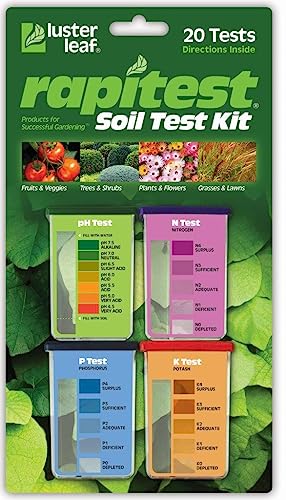
Container-grown plants exhaust soil nutrients faster than garden-grown vegetables. Symptoms of nutrient deficiency include yellowing leaves, stunted growth, and reduced harvests.
Nitrogen deficiency causes older leaves to yellow while new growth remains green. The overall plant appears pale and grows slowly. Address nitrogen deficiency by applying balanced fertilizer or adding compost to the soil surface.
Iron deficiency shows as yellowing between leaf veins while veins remain green. New growth is affected first. This problem occurs in alkaline soil conditions. Apply chelated iron fertilizer and adjust soil pH if necessary.
Prevent nutrient deficiencies by fertilizing regularly during the growing season. Annual top-dressing with compost provides slow-release nutrients. Supplement with liquid fertilizer during active growth for heavy feeders like artichokes and asparagus.
Watering Problems
Both overwatering and underwatering cause problems in container gardens. Overwatered plants develop yellow leaves, wilting despite wet soil, and root rot. Underwatered plants wilt, develop brown leaf edges, and produce small harvests.
Check soil moisture before watering. Insert your finger 2 inches into the soil. Water when the soil feels dry at this depth. In hot weather, check daily. During cool periods, check every few days.
Improve drainage in containers that stay too wet. Drill additional drainage holes if needed. Elevate containers on pot feet or bricks to improve airflow beneath. Consider repotting in a more porous soil mix.
For plants that dry out too quickly, add water-retaining amendments to the soil. Mix in coconut coir or vermiculite. Apply mulch to the soil surface to reduce evaporation. Move containers to locations with less intense sun and wind exposure.
Pest Management
Container-grown perennial vegetables typically face fewer pest problems than garden beds. The elevated growing environment and isolated nature of containers create barriers for many pests. Problems do occasionally occur.
Aphids cluster on new growth and flower buds of many perennial vegetables. These small, soft-bodied insects suck plant sap and excrete sticky honeydew. Spray affected plants with a strong stream of water to dislodge aphids. Repeat every few days until populations decline.
Slugs and snails damage the leaves of leafy perennials like kale, sorrel, and Good King Henry. These pests feed at night, leaving irregular holes and slime trails. Hand-pick slugs during evening inspections. Create barriers with copper tape around container rims. Use organic slug bait if populations become problematic.
Japanese beetles skeletonize the leaves of asparagus ferns and some other perennials during summer. Hand-pick beetles in the early morning when they’re sluggish. Drop them into soapy water. Use row covers to exclude beetles during their peak activity period.
Disease Prevention
Good cultural practices prevent most disease problems in container perennial vegetables. Ensure adequate spacing and air circulation between containers. Avoid overhead watering that keeps foliage wet. Remove diseased leaves promptly to prevent spread.
Rust appears as orange or brown spots on leaves of perennial vegetables like sorrel and asparagus. This fungal disease spreads in humid conditions. Improve air circulation around affected plants. Remove heavily infected leaves. Apply organic fungicides if problems persist.
Powdery mildew creates a white, powdery coating on leaves. This fungal disease affects stressed plants in humid conditions. Ensure plants receive adequate sunlight and air circulation. Spray with diluted milk solution (1 part milk to 9 parts water) as an organic treatment. Remove severely affected leaves.
Root rot occurs in overwatered containers with poor drainage. Affected plants wilt despite wet soil. Roots appear brown and mushy rather than white and firm. Prevention through proper watering and drainage works better than treatment. Severely affected plants rarely recover.
Frequently Asked Questions About Perennial Vegetables
How long do perennial vegetables typically produce?
Most perennial vegetables produce reliably for 5 to 15 years with proper care. Asparagus and rhubarb can produce for 20 years or more. Walking onions and potato onions continue indefinitely when you save bulbs for replanting each year. French sorrel and Good King Henry typically produce well for 5 to 7 years before needing division and renewal. The long production period makes perennial vegetables excellent investments compared to annuals that require yearly replanting.
Can I grow perennial vegetables on a north-facing patio?
Several perennial vegetables tolerate shade well enough for north-facing patios. Watercress grows well with minimal direct sunlight. French sorrel, Good King Henry, and lovage produce acceptably with 3 to 4 hours of sun or bright indirect light all day. Perennial kale adapts to partial shade. However, sun-loving vegetables like asparagus, artichokes, and sea kale perform poorly in shade and aren’t recommended for north-facing locations. Focus on shade-tolerant varieties for limited-sun patios.
How do I know when to repot perennial vegetables?
Repot perennial vegetables when roots circle the container bottom densely, when growth slows despite adequate care, or when plants dry out very quickly despite frequent watering. Most perennial vegetables need repotting every 3 to 5 years. Fast-growing vegetables like walking onions may need annual division. Slow-growing vegetables like asparagus can remain in the same container for many years. Spring is the best time for repotting before active growth begins. Move plants to containers 2 to 4 inches larger in diameter or divide them into multiple containers.
What’s the biggest mistake people make with container perennial vegetables?
The most common mistake is using containers that are too small. Perennial vegetables develop extensive root systems over multiple years and need adequate space to thrive. Small containers restrict growth, reduce harvest, and cause plants to dry out quickly. Always choose containers at the larger end of recommended size ranges. The second biggest mistake is overwatering, particularly during winter dormancy. Container soil should never stay constantly soggy. Check soil moisture before watering rather than following a fixed schedule.
Are perennial vegetables worth growing if I’m renting?
Absolutely. Container-grown perennial vegetables move with you when you relocate. Simply transport your containers to your new home and continue enjoying harvests. Many perennial vegetables also produce harvests within their first growing season, providing value even if you only stay one year. Fast-producing varieties like French sorrel, walking onions, and watercress give returns quickly. The containers also remain your property, unlike improvements made to rental property gardens.
How do I protect containers from winter damage?
Protect containers by grouping them against south-facing walls, wrapping them with bubble wrap or burlap, and mulching heavily over the soil surface. Move the most tender plants into unheated garages or sheds during extreme cold. Consider your plant’s cold hardiness zone and your local climate—plants generally need protection in zones two zones warmer than their rated hardiness when grown in containers. Container choice matters too—plastic and fiberglass containers insulate better than terracotta or ceramic pots that crack in freeze-thaw cycles.
Growing Your Own Food Security on a Small Patio
These twelve homegrown perennial vegetables transform small patios into productive food gardens. Each plant offers years of harvests from a single planting, requiring less work and expense than annual vegetables while providing superior nutrition and flavor.
Starting your perennial vegetable patio garden doesn’t require extensive experience or expensive equipment. Begin with two or three plants that appeal to you. Asparagus and rhubarb provide substantial harvests and adapt easily to containers. French sorrel and walking onions produce quickly with minimal care. Any combination of these plants creates a foundation for your productive patio garden.
The vegetables grow year after year, becoming more productive as they mature. Your initial investment in containers and plants pays dividends for decades. You’ll reduce trips to the grocery store while enjoying fresh vegetables steps from your kitchen. The satisfaction of harvesting food you’ve grown yourself adds immeasurable value beyond the grocery bill savings.
Container growing gives you complete control over soil quality, water, and nutrients. You know exactly how your food was grown without pesticides or questionable practices. The freshness and flavor of homegrown perennial vegetables surpass anything available at stores.
These perennial vegetables come back year after year, greeting each spring with fresh growth and the promise of abundant harvests. They require patience during establishment, but reward that patience with years of productivity. Start your patio perennial garden today, and you’ll be harvesting the results for many years to come.
Discover more from Cozy Corner
Subscribe to get the latest posts sent to your email.