Fresh herbs transform ordinary meals into extraordinary experiences. The good news is you don’t need a sprawling backyard to grow your own kitchen garden. A patio herb garden brings the joy of gardening and the flavor of home-grown herbs to any outdoor space, no matter how small.
Container gardening offers a perfect solution for apartment dwellers, renters, and homeowners with limited yard space. Growing herbs in pots on your patio, balcony, or doorstep provides you with immediate access to fresh ingredients while adding natural beauty to your outdoor living space.
This complete guide walks you through everything you need to know about starting and maintaining a thriving patio herb garden. From selecting the right containers to harvesting your first crop, you’ll discover practical tips that set you up for gardening success.
Get Your Free Patio Herb Garden Starter Guide
Download our comprehensive PDF guide with planting schedules, herb pairing charts, and tips for container gardening success. Email AddressFirst Name
Download Free Guide
Shop Garden Must Have
We earn a commission if you make a purchase, at no additional cost to you.





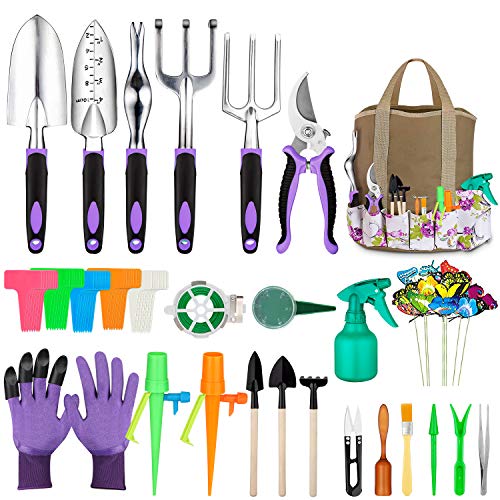

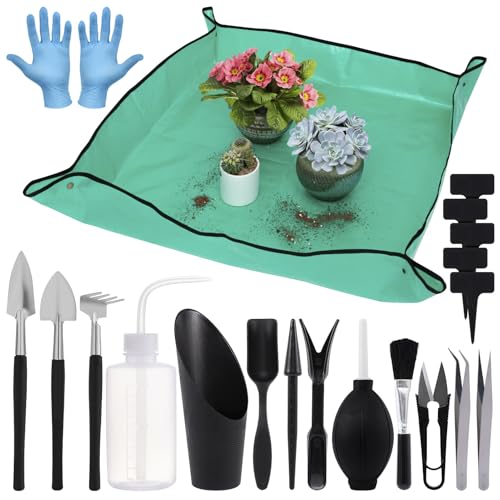


Why Choose a Patio Herb Garden
Container herb gardening delivers remarkable benefits that go beyond simple space-saving. Growing herbs in pots gives you control over every aspect of your garden environment, from soil quality to sun exposure.
A patio herb garden puts fresh flavors right outside your kitchen door. You can step onto your patio and snip exactly what you need for tonight’s dinner. This convenience encourages you to use more fresh herbs in your cooking, elevating your home-cooked meals naturally.
Container gardens offer flexibility that traditional in-ground gardens cannot match. You can rearrange pots to optimize sunlight throughout the growing season. When cold weather threatens, you can move tender herbs indoors or to protected areas. This mobility extends your growing season and protects your investment in plants and supplies.
Herbs grown in containers typically require less water than traditional gardens once established. The confined root space means less soil to keep moist. You’ll spend less time watering and more time enjoying your garden.
Pest management becomes simpler with container gardening. Raised pots naturally deter some ground-dwelling pests. You can more easily inspect plants and catch problems early. Many common garden pests find it harder to reach container-grown herbs.
Best Herbs for Container Growing
Certain herbs thrive in container environments better than others. Understanding which herbs grow best in pots helps you choose varieties that will reward your efforts with abundant harvests.

Annual Herbs That Excel in Pots
Basil stands out as one of the most popular herbs for container gardening. This warm-weather favorite grows quickly and produces abundant leaves throughout summer. Sweet basil, Thai basil, and purple basil all perform well in pots. Basil needs warm temperatures and plenty of sun to thrive.
Cilantro grows exceptionally well in containers, especially during cooler months. This fast-growing herb produces fresh leaves in just a few weeks. Plant cilantro in early spring or fall for best results. The compact root system makes it ideal for pots.
Parsley adapts beautifully to container life. Both flat-leaf and curly varieties flourish in pots. This biennial herb provides harvests for many months. Parsley tolerates partial shade better than many herbs, making it versatile for different patio locations.
Perennial Herbs for Long-Term Growing
Rosemary makes an excellent container herb for gardeners in mild climates. This woody perennial develops into an attractive plant with fragrant needle-like leaves. Rosemary needs excellent drainage and prefers to dry out between waterings. In cold climates, bring rosemary pots indoors during winter.
Thyme varieties thrive in containers and require minimal care. These low-growing perennials tolerate dry conditions once established. Common thyme, lemon thyme, and creeping thyme all work well in pots. Thyme plants prefer full sun and well-draining soil.

Oregano grows vigorously in containers and produces aromatic leaves all season long. This spreading herb fills pots quickly. Greek oregano offers the strongest flavor for cooking. Oregano handles heat well and needs full sun to develop its characteristic flavor.
Sage develops into a substantial plant in containers. This perennial herb produces soft, fuzzy leaves with intense flavor. Garden sage and purple sage both adapt to pot culture. Sage needs good drainage and benefits from regular pruning to maintain compact growth.
Mint grows so enthusiastically that containers actually help control its spread. Spearmint, peppermint, and chocolate mint all flourish in pots. Mint tolerates partial shade and needs consistent moisture. Growing mint in containers prevents it from taking over your entire garden.
Chives produce mild onion-flavored leaves and attractive purple flowers. This perennial herb grows in clumps that expand over time. Chives tolerate cooler temperatures and partial shade. Divide overcrowded clumps every few years to maintain vigorous growth.

Beginner’s Herb Starter Kit
Skip the guesswork with our curated collection of six easy-to-grow herbs. Each kit includes healthy seedlings, planting instructions, and care tips specifically designed for container growing. Perfect for starting your patio herb garden with confidence.
- Six proven container-friendly herb varieties
- Biodegradable pots for easy transplanting
- Detailed growing guide included
- Organic certified seedlings

Selecting the Right Containers for Your Herb Garden
Container choice significantly impacts herb garden success. The right pot provides adequate space, proper drainage, and suitable growing conditions for your plants. Understanding container basics helps you make smart purchasing decisions.
Container Size Guidelines
Most herbs need containers that are at least 6 to 8 inches deep. Shallow-rooted herbs like thyme, oregano, and chives can manage in 6-inch pots. Deep-rooted herbs like basil, parsley, and rosemary prefer 10 to 12-inch containers for optimal growth.
Individual herb pots should hold at least one gallon of soil. Larger containers hold more soil, which means more consistent moisture and fewer waterings. A 12-inch pot typically holds about two gallons of potting mix and accommodates most herbs comfortably.
You can grow multiple herbs in one larger container if you match plants with similar needs. A 16 to 18-inch pot can hold three to four compatible herbs. Group herbs that need the same amount of water and sunlight for best results.




Container Material Options
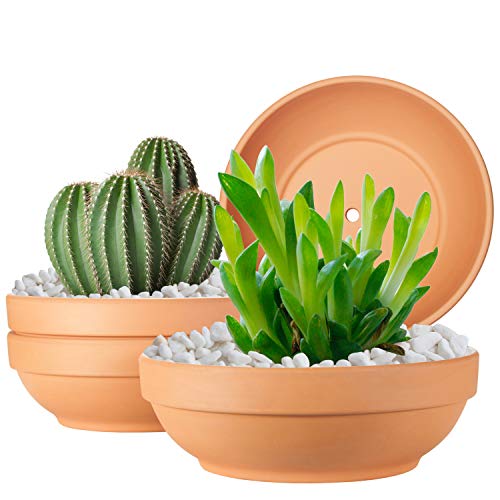
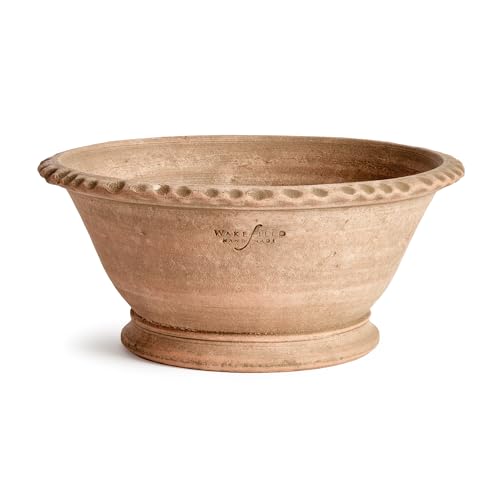
Terracotta pots remain popular for herb gardening because they breathe. These classic clay containers allow air and moisture to pass through the walls. Herbs that prefer drier conditions thrive in terracotta. The porous nature means more frequent watering in hot weather.
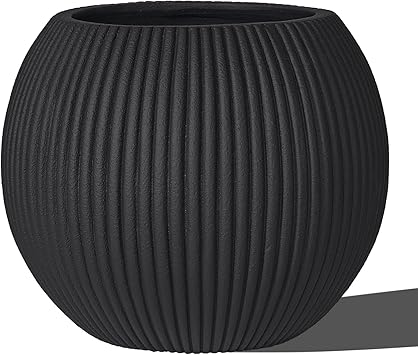
Plastic containers retain moisture longer than terracotta. Modern plastic pots come in attractive designs that mimic natural materials. Lightweight plastic makes sense for containers you plan to move frequently. Quality plastic pots last for many years with proper care.
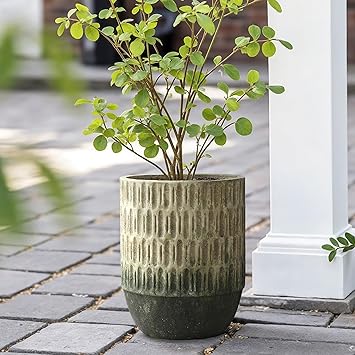
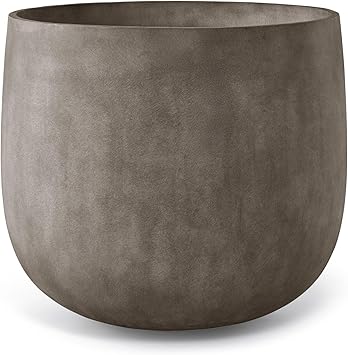
Ceramic and glazed pots offer beautiful aesthetics for visible patio locations. These containers hold moisture better than unglazed terracotta. Make sure decorative pots include drainage holes. You can use attractive ceramic pots as cachepots to hold plain nursery containers.
Fabric grow bags have gained popularity among container gardeners. These breathable bags promote excellent root development through air pruning. Fabric containers drain exceptionally well and prevent overwatering. They work particularly well for herbs that dislike wet conditions.
Wood containers add natural warmth to patio gardens. Cedar and redwood resist rot naturally. Wooden boxes and half-barrels provide ample space for multiple herbs. Line wood containers with landscape fabric to extend their life and prevent soil loss through gaps.
Drainage Requirements
Every container must have drainage holes in the bottom. Herbs cannot tolerate standing water around their roots. Without proper drainage, roots rot and plants die. Most containers come with pre-drilled holes, but you may need to add more for optimal drainage.
Add a layer of small stones or broken pottery pieces in the bottom of containers. This layer improves drainage and prevents soil from washing out through holes. Some gardeners skip this step if using quality potting mix with good drainage properties.
Elevate containers slightly off the patio surface using pot feet or small blocks. This airflow underneath prevents water from pooling and allows drainage holes to function properly. Raised containers also protect patio surfaces from water stains.
Container Selection Checklist
- Minimum 6 to 8 inches deep for most herbs
- At least one gallon soil capacity per plant
- Multiple drainage holes in the bottom
- Material suited to your climate and watering schedule
- Size appropriate for mature plant dimensions
- UV-resistant if plastic in sunny locations
- Weight manageable if you’ll move containers
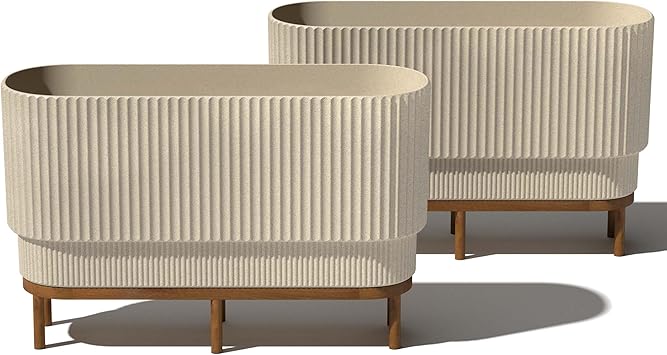
Premium Container Sets for Herbs
Our curated container collections take the guesswork out of choosing the right pots. Each set includes properly sized containers with optimal drainage, perfectly matched for popular herb combinations.
- Weather-resistant materials
- Pre-drilled drainage holes
- Multiple sizes for different herbs
- Matching saucers included
Shop Container Set
We earn a commission if you make a purchase, at no additional cost to you.


Choosing the Best Soil for Container Herb Gardens
Soil quality determines the success or failure of your patio herb garden. Container-grown plants depend entirely on the soil you provide for nutrients, moisture, and root support. Using the right potting mix creates the foundation for healthy herb growth.

Why Garden Soil Doesn’t Work
Never use soil directly from the ground in containers. Garden soil compacts in pots, preventing proper drainage and air circulation. Heavy soil suffocates plant roots and creates conditions for root rot. Containers need specially formulated potting mixes designed for container growing.
Garden soil often harbors weed seeds, diseases, and pests. These problems multiply in the confined space of a container. Starting with sterile potting mix prevents many common gardening headaches before they begin.
Components of Quality Potting Mix
Commercial potting mixes typically contain peat moss or coconut coir as the base ingredient. These materials hold moisture while remaining light and fluffy. Peat moss provides acidic properties, while coconut coir offers a more sustainable alternative with neutral pH.
Perlite or vermiculite improves drainage and aeration in potting mixes. These white particles prevent soil compaction and help roots access oxygen. Perlite drains quickly, while vermiculite holds more moisture. Most quality mixes include one or both amendments.
Compost adds nutrients and beneficial microorganisms to potting soil. Quality mixes contain aged compost that won’t burn plant roots. The organic matter in compost improves soil structure and supports healthy root development.
Selecting Potting Mix for Herbs
Look for potting mixes labeled for vegetables or herbs. These formulations provide good drainage while retaining adequate moisture. Most herbs prefer slightly lean soil rather than overly rich mixes designed for flowering annuals.
Mediterranean herbs like rosemary, thyme, and oregano need excellent drainage. Mix standard potting soil with extra perlite or coarse sand to improve drainage for these herbs. A ratio of two parts potting mix to one part perlite works well.
Moisture-loving herbs like basil, parsley, and mint perform well in standard potting mix without amendments. These plants appreciate consistent moisture and handle richer soil better than Mediterranean varieties.
Organic potting mixes provide chemical-free growing conditions if you prioritize organic gardening. These products use natural fertilizers and avoid synthetic ingredients. Organic mixes may cost more but align with sustainable gardening practices.
Soil Preparation and Container Filling
Moisten the potting mix before filling containers. Dry mix resists water initially and becomes easier to work with when pre-moistened. Add water to the bag or mix in a bucket until the soil feels like a wrung-out sponge.
Fill containers to within one to two inches of the rim. This space prevents water from running off when you irrigate. Soil settles over time, so you may need to add more mix after the first few waterings.
Firm the soil gently around plants when transplanting. Press lightly to eliminate large air pockets without compacting the mix. Overly compressed soil defeats the purpose of using loose potting mix.

Benefits of Quality Potting Mix
- Excellent drainage prevents root rot
- Lightweight for easier container handling
- Sterile formula reduces pest and disease problems
- Proper aeration supports healthy root growth
- Consistent moisture distribution
- pH balanced for most herbs
Potential Drawbacks
- Higher cost than garden soil
- Needs replacement every season or two
- May require supplemental fertilization
- Some brands contain synthetic fertilizers
- Peat-based mixes raise sustainability concerns
Sunlight Requirements and Optimal Placement
Light determines how well your herbs grow and develop flavor. Understanding your patio’s sun exposure helps you position plants for maximum success. Most culinary herbs need substantial sunlight to produce the aromatic oils that give them distinctive flavors.

Full Sun Herbs
Most popular kitchen herbs require six to eight hours of direct sunlight daily. Basil, rosemary, thyme, oregano, and sage all need full sun to thrive. These herbs develop stronger flavors and more robust growth in bright light. Insufficient sunlight makes plants leggy and reduces their aromatic properties.
South-facing locations typically provide the most consistent sun exposure in the United States. West-facing areas receive strong afternoon sun, which can be intense during summer. East-facing spots offer gentler morning sun that suits most herbs well.
Herbs That Tolerate Partial Shade
Some herbs accept four to six hours of sun and actually benefit from afternoon shade in hot climates. Parsley, cilantro, chives, and mint fall into this category. These herbs can scorch in intense afternoon sun, especially during peak summer heat.
Position shade-tolerant herbs where they receive morning sun and afternoon protection. The east side of buildings or under patio umbrellas works well. These locations provide adequate light while preventing heat stress.
Assessing Your Patio’s Light Conditions
Track sunlight patterns on your patio throughout the day. Note which areas receive morning sun, midday sun, and afternoon sun. Light conditions change with seasons as the sun’s angle shifts. Summer sun exposure differs significantly from spring or fall patterns.
Observe how buildings, trees, and structures cast shadows across your space. These obstacles block sunlight at different times. Understanding your patio’s unique light environment helps you place herbs appropriately.
Use a sun calculator app or simply observe and record sun exposure over several days. Mark areas as full sun (six-plus hours), partial sun (four to six hours), or shade (less than four hours). This information guides your container placement decisions.
Maximizing Available Light
Paint walls near your herb garden white or light colors to reflect additional light onto plants. This technique brightens shady areas and increases effective sun exposure. Light-colored patio surfaces also reflect beneficial light upward to plant foliage.
Group taller containers at the back and shorter ones in front to prevent shading. Arrange pots in tiers if necessary to ensure each plant receives adequate light. Rotate containers occasionally so all sides of plants receive equal sun exposure.
Move containers throughout the growing season to follow the sun. The mobility of container gardens allows you to adjust placement as seasons change. Shift pots to sunnier spots as fall approaches and days shorten.
Watering Guidelines and Drainage Management
Proper watering makes the difference between thriving herbs and struggling plants. Container gardens dry out faster than in-ground gardens, requiring more attention to moisture levels. Learning to water correctly prevents the most common cause of herb failure in pots.
Check soil moisture before watering by sticking your finger one to two inches into the soil. If it feels dry at that depth, it’s time to water. If it feels moist, wait another day. This simple finger test prevents both overwatering and underwatering.

How Much Water to Apply
Water thoroughly until water flows from the drainage holes at the bottom of containers. This complete watering ensures the entire root zone receives moisture. Light surface sprinkling doesn’t penetrate deeply enough and encourages shallow root development.
Allow excess water to drain completely from containers. Never let pots sit in standing water, which suffocates roots and promotes rot. Empty saucers after watering or elevate containers above drainage trays.
Watering Frequency Factors
Container size affects how often you need to water. Small pots dry out quickly and may need daily watering in hot weather. Large containers hold more soil and moisture, requiring less frequent irrigation.
Weather conditions dramatically influence watering needs. Hot, windy days dry soil rapidly. Cool, cloudy periods reduce water consumption. Adjust your watering schedule based on current conditions rather than following a rigid timetable.
Plant size and growth stage impact water requirements. Actively growing herbs need more water than dormant plants. Large, leafy herbs transpire more moisture than small seedlings. Monitor individual containers and water according to each plant’s needs.
Soil type determines water retention. Lighter mixes with lots of perlite drain quickly and need more frequent watering. Heavier mixes with more peat or coir hold moisture longer. Understanding your potting mix characteristics helps you water appropriately.
Best Watering Practices
Water early in the day when possible. Morning watering allows foliage to dry before evening, reducing disease risks. Plants can use water immediately to support photosynthesis throughout the day.
Direct water at the soil surface rather than overhead on foliage. Wet leaves increase susceptibility to fungal diseases. Bottom watering keeps foliage dry while thoroughly moistening the root zone.
Water deeply but less frequently rather than shallow daily sprinklings. This practice encourages deep root growth and creates more resilient plants. Shallow watering produces weak surface roots that dry out quickly.
Group containers with similar watering needs together. This organization makes irrigation more efficient and prevents overwatering some plants while underwatering others. Mediterranean herbs should stay separate from moisture-loving varieties.
Drainage System Maintenance
Check drainage holes periodically to ensure they haven’t become blocked. Roots sometimes grow through holes, or soil can compact and clog openings. Clear blocked holes immediately to restore proper drainage.
Observe how quickly water drains after irrigation. Water should flow through within a few minutes. If containers drain slowly, the soil may be compacted or drainage holes may be inadequate. Address drainage problems promptly to prevent root rot.
Replace potting soil annually or every other year. Old soil breaks down and loses its drainage properties. Fresh mix restores proper texture and prevents waterlogging issues.

Signs of Overwatering
Recognize these symptoms to prevent water-related problems:
- Yellowing leaves, especially lower leaves
- Wilting despite wet soil
- Mushy or blackened stems at the soil line
- Fungal growth on the soil surface
Signs of Underwatering
Catch dehydration early with these indicators:
- Dry, crispy leaf edges
- Drooping foliage that perks up after watering
- Soil pulling away from container sides
- Stunted growth and small leaves
Water Conservation Tips
Save water while maintaining healthy herbs:
- Add mulch to container tops to reduce evaporation
- Use self-watering containers for consistent moisture
- Install drip irrigation for automatic watering
- Collect rainwater in barrels for free irrigation
Seasonal Adjustments
Modify watering as seasons change:
- Increase frequency during hot summer months
- Reduce watering as temperatures cool in the fall
- Water sparingly during winter dormancy
- Resume regular watering when spring growth begins
Essential Care and Maintenance for Container Herbs
Regular care keeps your patio herb garden productive and healthy throughout the growing season. Simple maintenance tasks prevent problems and maximize your harvest. Establishing a consistent care routine makes herb gardening easier and more rewarding.

Fertilizing Container Herbs
Container-grown herbs need supplemental nutrients because frequent watering leaches fertilizer from pots. Begin feeding herbs about four to six weeks after planting, once they’ve established in their containers. New potting mixes often contain starter fertilizer that sustains plants initially.
Use a balanced liquid fertilizer diluted to half strength every two to three weeks during active growth. Water-soluble fertilizers provide readily available nutrients that plants can use immediately. Organic options like fish emulsion or seaweed extract support sustainable gardening practices.
Mediterranean herbs like rosemary, thyme, and oregano need less fertilizer than leafy herbs. Feed these varieties once monthly or even less frequently. Over-fertilizing Mediterranean herbs produces lush growth with diminished flavor.
Leafy herbs such as basil, parsley, and cilantro benefit from more frequent feeding. These fast-growing plants appreciate regular nutrients to support continuous leaf production. Follow package directions and avoid overfeeding, which can harm plants.
Pruning and Harvesting Techniques
Regular harvesting encourages bushy growth and prevents herbs from flowering prematurely. Pinch or cut stems just above a set of leaves. This pruning technique stimulates side shoots and creates fuller plants.
Remove no more than one-third of a plant’s growth at one time. Taking too much foliage stresses plants and slows regrowth. Frequent light harvests work better than occasional heavy cutting.
Pinch off flower buds as they form on basil, cilantro, and other annual herbs. Flowering signals the end of the plant’s productive life. Removing buds extends the harvest season and keeps leaves tender and flavorful.
Some herbs like chives and oregano produce edible flowers. You can enjoy these blooms while still harvesting leaves. Cut flowering stems back after blooms fade to encourage new growth.
Harvest herbs in the morning after dew dries but before the day’s heat intensifies. Morning-picked herbs contain the highest concentration of aromatic oils. This timing provides the best flavor for cooking.

Pest and Disease Management
Inspect plants regularly for signs of pests or disease. Early detection makes problems easier to manage. Look under leaves where many pests hide. Check stems for unusual discoloration or damage.
Common herb pests include aphids, spider mites, and whiteflies. Spray plants with a strong stream of water to dislodge these soft-bodied insects. This simple method controls minor infestations without chemicals.
Insecticidal soap provides safe control for persistent pest problems. Apply soap spray in the evening to avoid leaf burn. Repeat applications every few days until pests disappear. These products break down quickly and leave no harmful residues.
Powdery mildew and other fungal diseases can affect herbs in humid conditions. Improve air circulation around plants by spacing containers appropriately. Water at the soil level rather than overhead. Remove affected leaves promptly to prevent disease spread.
Seasonal Care Adjustments
Reduce fertilizer applications as days shorten and temperatures cool in fall. Plants slow their growth naturally and require fewer nutrients. Continuing heavy feeding can make herbs vulnerable to cold damage.
Bring frost-tender herbs indoors before the first freeze. Basil, for instance, dies when temperatures drop below 50 degrees Fahrenheit. Rosemary, thyme, and other perennials can overwinter outdoors in mild climates but need protection in cold regions.
Prepare hardy herbs for winter by reducing water and stopping fertilizer. Allow soil to dry slightly more between waterings. This practice helps plants harden off and enter dormancy naturally.
Clean up dead foliage and spent plants at the end of the growing season. Remove annuals that have finished their life cycle. Tidy perennials by cutting back dead stems. This maintenance prevents pests and diseases from overwintering in containers.
Year-Round Herb Gardening Strategies
Container herb gardens can provide fresh harvests across multiple seasons with proper planning. Understanding how seasons affect herb growth helps you extend your productive gardening time. Strategic planting and care adjustments keep your patio herb garden flourishing year-round.

Spring Planting and Preparation
Start your herb garden after the last frost date in your area. Spring offers ideal growing conditions with moderate temperatures and increasing daylight. Cool-season herbs like cilantro, parsley, and chives thrive when planted in early spring.
Refresh containers with new potting mix each spring. Old soil may harbor disease and lack nutrients. Starting with a fresh mix gives plants the best foundation for the growing season ahead.
Gradually acclimate indoor-started herbs to outdoor conditions. This hardening-off process prevents shock from sudden environmental changes. Place containers outside for a few hours daily, gradually increasing exposure over one to two weeks.
Summer Growth and Heat Management
Most herbs reach peak production during the summer months. Warm temperatures and long days fuel rapid growth. Harvest frequently to encourage continued production and prevent plants from becoming woody or bitter.
Protect herbs from extreme heat during peak summer. Move containers to locations that receive afternoon shade when temperatures consistently exceed 90 degrees Fahrenheit. Heat stress can damage tender herbs and slow growth.
Water more frequently during hot weather. Container plants may need daily watering when temperatures soar. Check soil moisture twice daily during heat waves. Mulch the soil surface to reduce moisture loss from evaporation.
Plant heat-tolerant herbs like basil, rosemary, and thyme in summer. These varieties handle high temperatures well and produce abundantly. Save cool-season herbs like cilantro for fall planting in hot climates.
Fall Extension Techniques
Plant a second crop of cool-season herbs in late summer or early fall. Cilantro, parsley, and chives grow beautifully as temperatures moderate. Fall-planted herbs often outlast spring plantings because they avoid summer heat stress.
Continue harvesting perennial herbs into fall. Rosemary, thyme, sage, and oregano remain productive until hard freezes arrive. Regular cutting encourages new growth and extends the harvest season.
Bring tender perennial herbs indoors before the first frost. Place them in sunny windows or under grow lights. Many herbs continue producing throughout winter when grown inside.
Protect hardy herbs from early frosts with fabric row covers. These lightweight covers trap heat and shield plants from freezing temperatures. Remove covers during the day to provide air circulation and sunlight.
Winter Care for Perennial Herbs
Hardy perennial herbs like thyme, oregano, and chives can survive winter outdoors in many climates. Insulate containers by wrapping them in burlap or bubble wrap. Insulated pots protect roots from freeze-thaw cycles that damage plants.
Move containers against a building foundation or into a protected corner. These locations offer shelter from harsh winds and extreme cold. Group pots together for mutual protection and easier management.
Water sparingly during winter dormancy. Herbs need less moisture when not actively growing. Provide just enough water to prevent soil from drying completely. Overwatering dormant plants causes root rot.
Indoor herb growing extends your harvest through the winter months. A sunny south-facing window provides adequate light for most herbs. Supplement natural light with grow lights if needed. Indoor herbs need less water and fertilizer than outdoor plants.

Regional Planting Calendar
Mild Climates (Zones 8-10): Plant cool-season herbs in fall and winter. Grow warm-season herbs from spring through fall. Many perennials grow year-round.
Moderate Climates (Zones 6-7): Plant after the last spring frost. Harvest through the first fall frost. Bring tender perennials indoors for winter.
Cold Climates (Zones 3-5): Start herbs indoors in spring. Move containers outside after frost danger passes. Expect one growing season unless you overwinter plants indoors.
Harvesting Container-Grown Herbs for Maximum Flavor
Knowing when and how to harvest herbs ensures the best flavor and encourages continued production. Proper harvesting techniques help plants stay productive throughout the growing season. Fresh herbs from your patio herb garden deliver superior taste compared to store-bought options.

Timing Your Harvest
Harvest herbs in the morning for peak flavor. Essential oils concentrate in leaves overnight and reach maximum levels after morning dew evaporates. Wait until leaves dry completely before cutting to prevent bruising.
Pick herbs just before flowering for the most intense flavor. Plants channel energy into flower production once buds form. Leaves become less flavorful after flowering begins. Regular harvesting delays flowering and extends the productive period.
Allow newly transplanted herbs to establish before harvesting. Wait until plants reach six to eight inches tall with multiple stems. This maturity ensures plants can handle regular cutting without stress.
Harvesting Methods for Different Herbs
Snip basil stems just above a leaf node where two leaves emerge. This cut stimulates side shoots and creates bushier plants. Take basil regularly to prevent flowering and maintain tender leaves. Remove entire stems rather than individual leaves for best results.
Cut parsley and cilantro stems near the base of the plants. Take outer stems first, allowing the center to continue growing. These herbs regrow readily from the crown when cut properly. Avoid cutting into the central growing point.
Pinch thyme, oregano, and rosemary tips to encourage branching. Remove three to four inches from the stem ends. These woody herbs tolerate frequent light harvesting. Cutting encourages dense, compact growth.
Snip chive leaves near the base using scissors. Cut what you need rather than harvesting entire clumps. Chives regrow quickly from the roots. Remove flower stalks after blooming to redirect energy to leaf production.
Harvest mint by cutting entire stems back to just above a leaf node. Mint grows vigorously and handles aggressive harvesting. Regular cutting prevents the plant from becoming leggy and keeps leaves tender.
Take sage leaves individually or cut entire stems. Harvest before plants flower for the best flavor. Sage produces most actively in spring and fall. Light summer harvesting allows plants to conserve energy during heat.
Maximizing Harvest Yields
Never remove more than one-third of a plant’s total growth at once. This guideline prevents shock and allows plants to recover quickly. Frequent small harvests provide better results than occasional heavy cutting.
Use sharp, clean scissors or pruning shears. Clean cuts heal faster and reduce disease risk. Dull tools crush stems and create entry points for pathogens. Wipe cutting tools with rubbing alcohol between plants.
Harvest regularly to stimulate new growth. Most herbs produce more vigorously when cut frequently. Weekly light harvesting keeps plants productive longer than sporadic cutting.
Leave enough foliage for plants to continue photosynthesis. Each plant needs sufficient leaves to produce energy for growth. Excessive harvesting weakens plants and reduces future yields.
Post-Harvest Handling
Rinse harvested herbs gently under cool water. Shake off excess moisture and pat dry with clean towels. Handle delicate herbs like basil carefully to avoid bruising leaves.
Use fresh herbs immediately for maximum flavor. Herbs begin losing aromatic oils shortly after cutting. The short journey from your patio to your kitchen preserves peak flavor.
Store unused herbs in the refrigerator if you can’t use them right away. Wrap stems in damp paper towels and place in plastic bags. Most herbs keep for three to seven days this way.
Stand woody herbs like rosemary and thyme in a glass of water on the counter. They’ll stay fresh for several days. Change water daily to prevent bacterial growth.

Herb Preservation Methods
When your garden produces more than you can use fresh, preserve herbs for year-round enjoyment. Drying works well for rosemary, thyme, oregano, and sage. Freeze basil, parsley, and cilantro to maintain their fresh flavor. Make herb-infused oils or vinegars to capture summer’s bounty. Each preservation method suits different herbs and uses.
Solving Common Patio Herb Garden Challenges
Even experienced gardeners encounter obstacles with container herb gardens. Recognizing problems early and knowing how to address them keeps your garden healthy and productive. Most issues have simple solutions when you understand the underlying causes.
Leggy Growth and Poor Development
Insufficient sunlight causes herbs to stretch toward available light. Plants develop long, weak stems with sparse foliage. This leggy growth produces fewer leaves and lacks robust flavor. Move containers to sunnier locations or supplement with grow lights.
Overcrowding in containers creates competition for light and nutrients. Thin overcrowded plants by removing the weakest ones. Give the remaining herbs adequate space to develop properly. Follow spacing recommendations for each herb variety.
Yellowing Leaves
Yellow leaves indicate several possible problems. Overwatering causes yellowing, especially on lower leaves. Check soil moisture and reduce watering frequency if the soil stays consistently wet. Improve drainage by adding holes or repotting in a fresh, well-draining mix.
Nutrient deficiency also causes yellowing foliage. Container plants need regular feeding because nutrients leach from pots. Apply diluted liquid fertilizer according to package directions. Yellow leaves with green veins often signal iron deficiency.
Natural aging causes lower leaves to yellow and drop. This normal process affects older leaves as plants mature. Remove yellow leaves to keep plants looking tidy. Continue regular care and monitor for other symptoms.
Wilting Despite Adequate Water
Root rot from overwatering causes plants to wilt even in wet soil. Damaged roots cannot absorb water properly. Check for mushy, dark roots and foul-smelling soil. Repot in a fresh mix and reduce watering if root rot is present.
Extreme heat causes temporary wilting even with proper watering. Provide afternoon shade during heat waves. Water in the morning so plants have moisture throughout the day. Most herbs recover from heat wilting once temperatures moderate.
Slow Growth and Small Leaves
Inadequate fertilization results in stunted growth and small leaves. Container herbs deplete nutrients faster than in-ground plants. Begin regular feeding four to six weeks after planting. Use balanced fertilizer at half strength every two to three weeks.
Root-bound conditions restrict growth even with proper care. Check for roots growing through drainage holes or circling the inside of pots. Transplant to larger containers or divide and repot overcrowded plants.
Cool temperatures slow growth naturally in many herbs. Basil, for instance, barely grows when temperatures drop below 60 degrees Fahrenheit. Wait for warmer weather or move containers to protected, warm locations.
Why does my basil keep flowering despite regular pinching?
Basil flowers in response to stress, day length, or maturity. Heat stress, inconsistent watering, or long summer days trigger flowering. Pinch flower buds as soon as they appear. Some varieties are more prone to bolting. Choose slow-bolting basil varieties in hot climates. Provide consistent moisture and afternoon shade during extreme heat.
Can I save my herbs if I accidentally overwatered them?
Recovery depends on damage severity. Stop watering immediately and allow the soil to dry significantly. Remove the plant from its pot and examine the roots. Trim any mushy, dark roots with clean scissors. Repot in fresh, dry potting mix. Place in a bright location but avoid direct sun until recovery begins. Water sparingly until new growth appears.
Why do my herbs taste bland compared to store-bought?
Flavor intensity depends on growing conditions and timing. Insufficient sunlight reduces essential oil production in herbs. Ensure plants receive at least six hours of direct sun daily. Harvest in the morning when oils are most concentrated. Stress from underwatering (not severe stress) can actually intensify flavor in some herbs. Avoid over-fertilizing, which produces lush but less flavorful growth.
How do I prevent containers from blowing over in the wind?
Use heavier containers or add weight to lightweight pots. Place rocks at the bottom of containers before adding soil. Group containers together for mutual support. Move potted herbs to sheltered locations during storms. Choose low, wide containers rather than tall, narrow ones. Consider pot feet with rubber grips that anchor containers to surfaces.
Growing Success: Your Patio Herb Garden Journey
Creating a thriving patio herb garden brings fresh flavors and natural beauty to any outdoor space. Container gardening makes herb cultivation accessible to everyone, regardless of yard size or gardening experience. The satisfaction of cooking with herbs you grew yourself rewards the small effort required.

Success in container herb gardening comes from understanding plant needs and providing proper care. Choose herbs suited to your climate and available sunlight. Select containers with adequate drainage and fill them with quality potting mix. Water consistently, feed regularly, and harvest often to maintain productive plants.
Start small if you’re new to gardening. A few well-chosen herbs teach you essential skills without overwhelming you. Expand your collection as you gain confidence and experience. Each growing season brings new knowledge and improved results.
Your patio herb garden will evolve with your needs and interests. Experiment with different varieties to discover favorites. Adjust care routines based on your observations. The hands-on learning process makes gardening endlessly fascinating.
Fresh herbs elevate everyday cooking from ordinary to extraordinary. The convenience of stepping outside to gather ingredients encourages culinary creativity. You’ll find yourself using herbs more frequently when they’re readily available.
Container herb gardening connects you with natural growing cycles and seasonal rhythms. Tending plants provides a peaceful respite from busy daily life. The simple act of nurturing herbs offers both practical benefits and emotional rewards.
Take the first step by planting a few herbs this season. Your future self will appreciate the fresh flavors and gardening skills you develop. The journey from novice to confident herb gardener begins with a single container and grows from there.
Ready to Start Your Patio Herb Garden?
Get our FREE guidance for your specific growing conditions. Our garden FREE guide helps you select the perfect herbs, design an efficient layout, and create a customized care plan for year-round success.






Discover more from Cozy Corner
Subscribe to get the latest posts sent to your email.