Growing fresh herbs at home brings flavor to your cooking and beauty to your space. Wall herb planting design offers a smart solution for gardeners with limited space. These vertical approaches maximize growing space while creating stunning living displays.
Whether you live in an apartment or have a small yard, wall-mounted herb gardens work beautifully. They keep plants off the ground and make harvesting easier. This guide explores ten creative ways to grow herbs vertically and transform bare walls into productive green spaces.
Vertical Pocket Planter System

Design Overview
Pocket planters revolutionize wall herb planting design by using fabric or felt material with built-in compartments. Each pocket holds soil and a single herb plant. This design creates a lush, cascading effect on any vertical surface.
The system works well for annual herbs that need replacement each season. You can arrange different herbs in each pocket to create interesting patterns. The fabric material allows excellent drainage while retaining enough moisture for healthy growth.
Best Herbs for This Design
- Basil thrives in the warm upper pockets
- Thyme spreads beautifully across multiple sections
- Sage grows strong in the center pockets
- Lavender adds color and fragrance to the display
Shop Pocket Planter Systems
We earn a commission if you make a purchase, at no additional cost to you.


Implementation Tips
Mount the pocket system securely to wall studs or solid surfaces. Fill each pocket with quality potting soil mixed with compost. Water from the top and allow excess to drain through the pockets. This design needs watering every two to three days in warm weather.
Start with smaller herbs in the upper pockets and larger varieties toward the bottom. This creates better visual balance and prevents heavy plants from pulling down the structure. The pocket design makes harvesting simple and keeps herbs at a comfortable picking height.
Wooden Ladder Herb Garden

Creating Vertical Interest
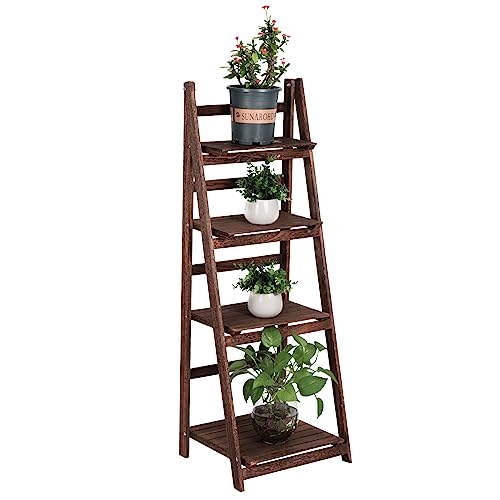
A ladder design brings rustic charm to your wall herb planting design while providing multiple growing levels. This vertical garden approach uses an old wooden ladder propped against a wall. Place pots or planters on each step to create tiers of growing space.
The ladder system offers flexibility in plant arrangement. You can move containers around to adjust for sunlight needs. Different pot sizes add visual variety while accommodating herbs with varying root depths.
Design Advantages
- Easy to relocate for seasonal changes
- No permanent wall mounting required
- Works indoors or outdoors
- Accommodates various container sizes
- Simple maintenance access
Best Plant Choices
- Rosemary for the top step, where it gets maximum sun
- Basil in medium pots for abundant harvests
- Thyme cascading over pot edges
- Sage in larger containers for root space
- Lavender adds height and fragrance
Paint or stain the ladder to match your home aesthetic. Secure it firmly to prevent tipping, especially in windy areas. Use a variety of container materials like terracotta, ceramic, or metal for added visual interest. Group herbs with similar water needs on the same level to simplify care.
Shop Decorative Garden Ladders
We earn a commission if you make a purchase, at no additional cost to you.


Mounted Rail Planter Boxes
Streamlined Growing System
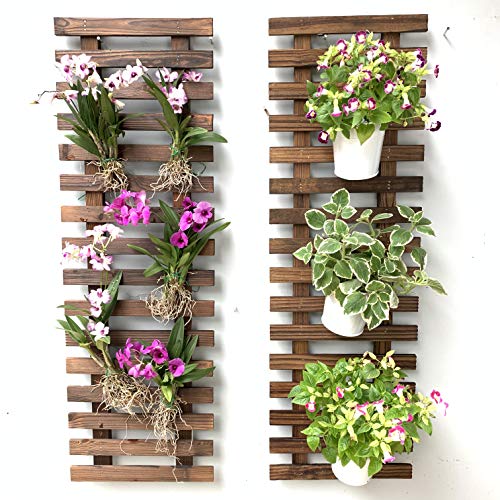
Rail-mounted planters create a clean, modern wall herb planting design. Metal or wooden rails attach horizontally to your wall. Individual planter boxes slide along the rail, allowing you to adjust spacing and arrangement. This system works perfectly for balconies, patios, or garden walls.
The rail design offers outstanding flexibility. Move planters to follow sun patterns throughout the day. Group herbs by water needs or harvest frequency. The organized look appeals to gardeners who prefer structured, tidy spaces.
Installation Considerations
Mount rails at a comfortable working height, typically between waist and shoulder level. Ensure proper wall anchoring to support the weight of soil and plants. Space multiple rails twelve to eighteen inches apart vertically. This provides room for plant growth while maximizing wall space.
Each planter box should have drainage holes to prevent waterlogging. Place a drip tray underneath or ensure proper runoff management. The rail system makes it easy to rotate plants or remove them for indoor growing during cold months.

Pro Tip: Paint planter boxes in coordinating colors to create a cohesive design theme. Use lighter colors for sunny walls to prevent soil from overheating.
Recommended Herb Combinations
- Basil and thyme pair well for similar care needs
- Rosemary grows successfully alone in larger boxes
- Sage requires more space between plants
- Lavender thrives with good air circulation
Explore Rail Planter Systems
We earn a commission if you make a purchase, at no additional cost to you.
Shop Pocket Planter Systems


Ready to Start Your Wall Herb Garden?
Download our free comprehensive guide with plant selection tips, soil recommendations, and maintenance schedules tailored for herb gardens. Learn which herbs grow best together and how to maximize your harvest.
Hanging Basket Arrangement

Cascading Vertical Beauty
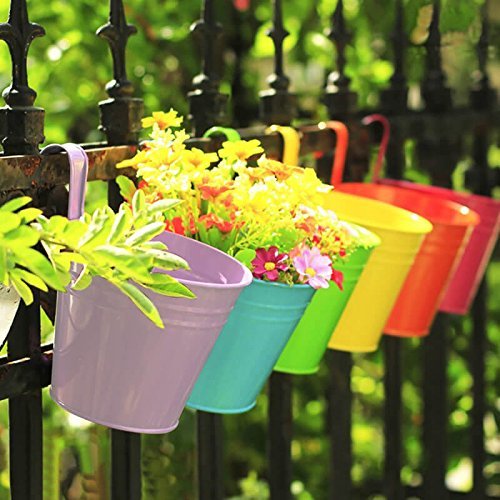
Hanging baskets create a dynamic wall herb planting design with movement and dimension. Suspend baskets at varying heights to form an attractive vertical garden composition. This approach works especially well for herbs that naturally trail or spread.
Choose baskets made from wire, wicker, or coconut fiber. Line wire baskets with moss or fabric to hold soil. The basket design provides excellent drainage and air circulation around roots. This prevents common problems like root rot and encourages healthy growth.
Top Basket Herbs
- Thyme trails beautifully over basket edges
- Basil forms full, bushy plants
- Sage grows well in deeper baskets
Placement Strategy
- Hang taller herbs at eye level
- Position trailing varieties higher
- Place shade-tolerant herbs lower
Care Requirements
- Water daily in warm weather
- Fertilize every two weeks
- Rotate for even growth
Install sturdy hooks or brackets capable of supporting filled baskets. Consider weight when wet, as saturated soil becomes heavy. Space baskets to allow adequate sunlight to reach all plants. This arrangement creates a living wall that evolves as plants grow and cascade downward.
Mix herb varieties with different textures and colors for visual appeal. Combine upright growers like rosemary with trailing types like thyme. Add flowering herbs like lavender for pops of color. The varied heights and forms create an engaging, layered look.
Browse Hanging Garden Baskets
We earn a commission if you make a purchase, at no additional cost to you.


Vertical Pallet Garden

Upcycled Garden Solution
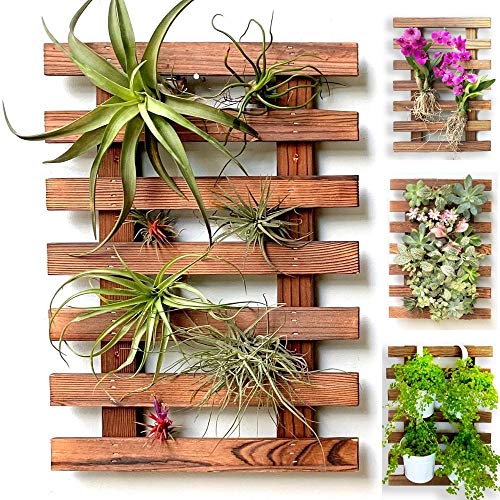
Pallet gardens represent an eco-friendly wall herb planting design using reclaimed materials. A wooden shipping pallet becomes a vertical planter when mounted on a wall. The spaces between slats hold small pots or serve as planting pockets.
This design appeals to budget-conscious gardeners and those who value sustainability. Pallets cost little or nothing and create a rustic, industrial look. The vertical orientation maximizes limited space while adding character to plain walls.
Preparation Steps
- Sand the pallet smooth to remove splinters
- Apply a weather-resistant stain or sealant
- Attach landscape fabric to the back
- Staple fabric along the bottom and sides
- Fill slat spaces with potting soil
Mount the pallet securely to wall studs before filling with soil. Allow the structure to rest horizontally for several weeks after planting. This gives the roots time to establish before standing the garden vertically. Water carefully to avoid soil washing out of pockets.
Important: Use only heat-treated (HT) pallets marked with HT stamps. Avoid chemically treated pallets marked MB, as these contain harmful substances that can leach into soil and plants.
Get Vertical Pallet Garden
We earn a commission if you make a purchase, at no additional cost to you.
Best Herbs for Pallet Gardens
Select compact varieties that thrive in confined spaces. Thyme, sage, and rosemary adapt well to shallow pockets. Basil grows successfully if you provide adequate water. Lavender works in lower sections where roots can spread deeper into the soil.
Modular Cube System

Contemporary Design Approach
Modular cube planters bring modern sophistication to wall herb planting design. Individual square or rectangular boxes mount independently on walls. Arrange them in patterns ranging from simple grids to complex geometric compositions. This flexibility allows creative expression while maintaining functionality.
The cube system offers exceptional versatility. Add or remove planters as your garden evolves. Rearrange the layout to create new visual effects or accommodate different plant needs. Each cube operates independently, simplifying maintenance and plant rotation.
Design Possibilities
- Create checkerboard patterns with alternating plants
- Form diagonal lines across the wall
- Build pyramid or triangle shapes
- Design asymmetric arrangements for artistic flair
- Group cubes by herb type or color
Practical Benefits
Individual cubes make replacing plants simple. Remove one cube without disturbing others. This system works perfectly for gardeners who like to experiment with different varieties. Each plant receives dedicated space and resources for optimal growth.
Choose cube materials that complement your home style. Metal cubes suit industrial spaces. Wooden boxes enhance rustic or traditional settings. Colorful resin cubes add playful elements to contemporary designs.
Install a drip irrigation system to water multiple cubes efficiently. Connect tubes between cubes for automated watering. This saves time and ensures consistent moisture levels. Position sun-loving herbs like rosemary and lavender in upper cubes. Place shade-tolerant varieties like mint lower on the wall.
Shop Modular Cube Planters
We earn a commission if you make a purchase, at no additional cost to you.


Wall-Mounted Shelving System
Traditional Yet Effective
Shelving systems provide a straightforward wall herb planting design solution. Mount horizontal shelves at multiple levels to create growing tiers. This classic approach works reliably for both indoor and outdoor herb gardens. The open design allows excellent air circulation and easy access.
Choose shelf materials based on your environment and aesthetic preferences. Metal shelves offer durability and modern appeal. Wooden shelves create warmth and traditional charm. Glass shelves work well for indoor gardens where light transmission matters.
Optimal Shelf Configuration
Space shelves twelve to sixteen inches apart vertically. This accommodates most herb heights while preventing upper plants from shading lower ones. Keep deeper shelves for larger herbs like rosemary and sage. Narrower shelves work perfectly for smaller varieties like thyme and basil.
Install shelves with brackets rated for the combined weight of pots, soil, and water. Add decorative elements like hooks for hanging tools or plant markers. The structured arrangement makes harvesting efficient and maintenance straightforward.

Shelf Garden Advantages
- Simple installation process
- Easy rearrangement of plants
- Works with existing containers
- Suitable for renters
Line shelves with trays to catch water drainage. This protects walls and floors from moisture damage. Use matching containers for a cohesive look or mix styles for eclectic appeal. Label each herb clearly to aid identification and harvest planning.
Group herbs by watering needs on the same shelf. Place moisture-loving basil together. Keep drought-tolerant rosemary and thyme on separate shelves. This organization makes watering more efficient, preventing both over- and under-watering of individual plants.
Get Wall Shelving Systems
We earn a commission if you make a purchase, at no additional cost to you.

Gutter Garden Installation

Innovative Horizontal Planting
Gutter gardens transform ordinary rain gutters into sleek wall herb planting design solutions. Mount sections horizontally to create long, narrow planters. This approach maximizes horizontal growing space while maintaining a slim profile. Gutters work particularly well for shallow-rooted herbs.
The system offers excellent value and simplicity. Standard vinyl gutters are inexpensive and easy to install. Cut them to the desired lengths to fit any wall width. End caps prevent soil spillage while drainage holes allow excess water to escape.
Installation Process
- Measure and cut gutter sections to length
- Attach end caps with waterproof adhesive
- Drill drainage holes every six inches
- Mount brackets to the wall at proper intervals
- Snap gutters into mounted brackets
- Fill with lightweight potting mix
Get Gutter Garden Planters
We earn a commission if you make a purchase, at no additional cost to you.

Ideal Gutter Herbs
- Thyme spreads well in shallow depths
- Basil produces abundant leaves in rows
- Sage grows successfully with limited root depth
- Lavender adapts to gutter constraints
- Rosemary thrives in well-drained gutters
Position gutters at a comfortable harvesting height. Angle them slightly for proper drainage. Stack multiple rows to create vertical interest while maintaining the clean, linear aesthetic. Paint gutters to match your home exterior or create colorful accents.
Space plants appropriately within gutters to prevent overcrowding. Allow four to six inches between herb starts. The linear arrangement makes succession planting easy. Remove spent plants and add new ones without disturbing neighbors. This continuous approach ensures fresh herbs throughout the growing season.
Living Wall Panel System

Professional-Grade Solution
Living wall panels deliver the most sophisticated wall herb planting design option. Pre-made systems include integrated irrigation and growing media. Panels mount directly to walls, creating dense, lush herb coverage. This premium approach produces a dramatic visual impact.
The panel system simplifies vertical gardening complexity. Built-in water distribution ensures even moisture. Specialized growing media provides an optimal root environment. Panels interlock to cover large areas seamlessly. This creates a true living wall effect.
System Components
- Modular panels with planting pockets
- Integrated drip irrigation tubing
- Mounting frame and brackets
- Growing media optimized for vertical growth
- Timer and control system for automation
Installation requires careful planning and proper wall preparation. Ensure adequate structural support for panel weight. Connect the water supply and test the irrigation before planting. Choose herbs based on sun exposure and climate conditions. The system accommodates diverse plant varieties.
Investment Note: Living wall panels represent a higher initial cost but offer superior longevity and performance. Professional installation ensures optimal results. Consider this option for permanent, high-impact installations.
Shop Living Wall System
We earn a commission if you make a purchase, at no additional cost to you.

Recommended Herb Selection
Mix textures and growth habits for visual interest. Combine upright growers like rosemary with spreading varieties like thyme. Add color contrast with purple sage and green basil. Include fragrant lavender for sensory appeal. The dense planting creates a cohesive, garden-like appearance.
Stackable Tower Garden

Space-Maximizing Design
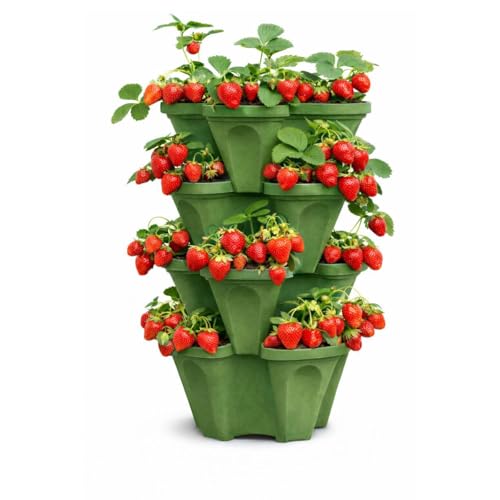
Tower gardens stack planting containers vertically to create compact wall herb planting design solutions. Individual tiers rotate or offset to provide sunlight access to all levels. This freestanding system leans against walls while occupying minimal floor space. Towers work perfectly for balconies, patios, or small yards.
The vertical orientation delivers impressive growing capacity in a small footprint. Each tier holds multiple plants, multiplying yield potential. Tower designs range from simple stacked pots to sophisticated rotating systems with built-in reservoirs. Choose based on your space, budget, and gardening ambitions.
Tower Advantages
- Maximizes limited space
- Portable and movable
- Excellent drainage
- Accessible harvesting
Planting Strategy
- Tall herbs at the top
- Medium varieties in the middle
- Trailing types at the bottom
- Group by water needs
Maintenance Tips
- Water from the top down
- Rotate for even growth
- Fertilize regularly
- Prune to prevent shading
Position towers near walls for support and protection from wind. Ensure level placement to prevent tipping. Fill each tier with quality potting soil enriched with compost. The stacked design creates excellent drainage as water flows from upper to lower levels.
Select herbs with compatible growth rates and care requirements. Place rosemary at the tower top where it receives maximum sun. Position basil in mid-levels with consistent moisture access. Add thyme or sage in lower tiers where they enjoy good drainage. This strategic arrangement ensures all plants thrive.
Shop Tower Garden Systems
We earn a commission if you make a purchase, at no additional cost to you.


Get Your Personalized Garden Plan
Implementation and Maintenance Tips

Essential Success Factors
Successful wall herb planting design requires attention to fundamental growing requirements. Understanding these core principles ensures your vertical garden thrives regardless of which design you choose. Focus on proper placement, watering, and ongoing care.
Light Requirements
Most herbs need six to eight hours of direct sunlight daily. Position your wall garden on south or west-facing surfaces for optimal sun exposure. Monitor light patterns throughout the day. Shade from buildings or trees can limit herb growth significantly.
Some herbs tolerate partial shade better than others. Mint, parsley, and chives grow reasonably well with four to six hours of sun. Basil, rosemary, and lavender demand full sun conditions. Match herb selection to your available light conditions for best results.
Watering Guidelines
Vertical gardens dry out faster than ground-level beds. Check soil moisture daily during warm weather. Water when the top inch of soil feels dry. Ensure thorough watering so moisture reaches all root zones. Excess water should drain freely to prevent root rot.
Install drip irrigation for larger installations or when manual watering becomes impractical. Automatic systems maintain consistent moisture levels and save time. Group plants with similar water needs together to simplify irrigation management and prevent over- or underwatering.
Seasonal Adjustment: Watering frequency changes with temperature and humidity. Summer heat increases water demands. Fall and spring require less frequent watering. Monitor your plants and adjust schedules accordingly.
Soil and Fertilization
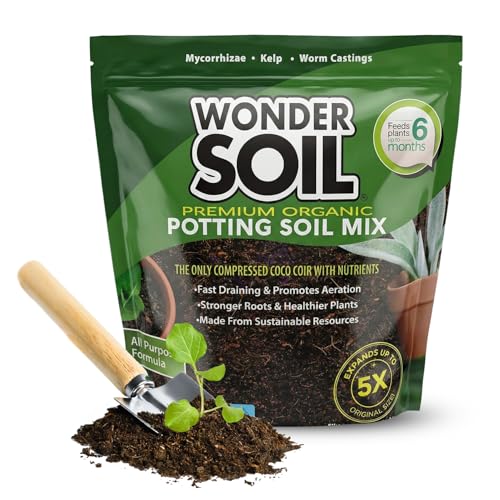
Use quality potting soil designed for container gardening. Garden soil compacts in containers and drains poorly. Potting mix provides proper aeration and moisture retention. Add compost or aged manure to boost nutrient content and improve soil structure.
Feed herbs regularly throughout the growing season. Container plants exhaust soil nutrients faster than ground-planted varieties. Apply liquid fertilizer every two to three weeks at half strength. Organic options like fish emulsion or compost tea provide gentle, steady nutrition.
Shop Pocket Planter Systems

![Organic Plant Magic - Fast-Acting Water Soluble Plant Food - All-Purpose Fertilizer Concentrate for Flower, Vegetable, Herb, Fruit Tree, Garden & Indoor Houseplants [One 1/2 lb Bag]](https://m.media-amazon.com/images/I/51XGClMsqeL._SL500_.jpg "10 Wall Herb Planting Design Ideas to Transform Your Space")




Pruning Practices
Regular harvesting keeps herbs productive and compact. Pinch stem tips frequently to encourage bushier growth. Remove flower buds on basil, sage, and other leaf herbs to maintain flavor quality. Trim dead or damaged foliage promptly to prevent disease spread.
Pest Management
Inspect plants weekly for signs of pests or disease. Catch problems early for easier control. Remove affected leaves immediately. Use organic pest control methods like insecticidal soap or neem oil. Good air circulation and proper spacing prevent many common issues.
Seasonal Considerations
Prepare your wall herb garden for seasonal changes. Many herbs grow as annuals in cold climates and need replacement each spring. Perennial varieties like rosemary, sage, and thyme may survive winter in mild areas. Protect sensitive plants with frost covers when temperatures drop.
Bring container gardens indoors before the first frost if possible. Place near sunny windows and continue regular care. Reduce watering frequency as growth slows. Indoor herb gardens provide fresh flavor throughout the winter months while protecting your investment in plants and containers.
Cold Weather Alert: Freezing temperatures damage or kill most herbs. Monitor weather forecasts and take protective action. Even cold-hardy varieties benefit from mulch or covers during severe freezes.
Ready to Start Your Wall Herb Garden?
Download our free comprehensive guide with plant selection tips, soil recommendations, and maintenance schedules tailored for herb gardens. Learn which herbs grow best together and how to maximize your harvest.
Transform Your Space With Vertical Herb Gardens
Wall herb planting design opens exciting possibilities for growing fresh herbs regardless of space limitations. These ten creative approaches demonstrate that anyone can create productive, beautiful vertical gardens. From simple pocket planters to sophisticated living walls, options exist for every skill level and budget.
Choose a design that matches your space, style, and gardening experience. Start small if you’re new to vertical gardening. Expand your system as you gain confidence and experience. The flexibility of wall-mounted gardens allows gradual growth and experimentation.
Fresh herbs grown on your own wall provide unmatched flavor and satisfaction. The convenience of stepping outside to harvest ingredients enhances daily cooking. Vertical gardens also create attractive focal points that add life and color to outdoor spaces. These living walls contribute to a healthier, more sustainable home environment.
Begin planning your wall herb garden today. Measure your available space and assess light conditions. Select a design approach that excites you and fits your lifestyle. Gather necessary materials and prepare your growing area. Soon you’ll enjoy the rewards of fresh herbs growing just steps from your kitchen.

Discover more from Cozy Corner
Subscribe to get the latest posts sent to your email.