We earn a commission if you make a purchase, at no additional cost to you.
An English garden embodies timeless beauty and natural charm. These landscapes blend structured design with seemingly wild, romantic plantings. The style has captivated gardeners worldwide for centuries.
Creating an authentic English garden in your own backyard is more achievable than you might think. This guide provides ten practical tips to transform any outdoor space into an English-style garden. You’ll discover the essential elements that define this beloved landscape design.
Whether you have a small cottage garden or expansive grounds, these principles can be applied to any space. The English garden style emphasizes harmony between formal structures and informal plantings. Let’s explore how to bring this classic aesthetic to your own garden.




Tip 1: Understand the English Garden Style and Its Core Elements
The English garden style evolved from the 18th-century landscape movement. It represents a departure from rigid, formal gardens toward a more naturalistic beauty. Understanding these foundational principles helps guide your design decisions.
Key Characteristics of English Gardens
English gardens often feature gently curving paths rather than straight lines. They embrace asymmetry and organic shapes throughout the landscape. The design creates views and vistas that unfold as you walk through the space.
- Layered planting schemes with varied heights and textures
- Integration of hardscape elements like stone walls and paths
- Focal points such as garden structures, statuary, or water features
- Abundant use of perennials, shrubs, and flowering plants
- Natural-looking layouts that appear effortless yet are carefully planned
The true English cottage garden creates an atmosphere of relaxed elegance. Colors blend harmoniously rather than contrasting sharply. This approach produces a garden that feels established and mature even when newly planted.
Historical Background and Modern Adaptations
English landscape gardens emerged as a reaction against formal French garden design. Influential designers like Capability Brown shaped vast estates with rolling lawns and naturalistic tree plantings. These landscapes emphasized the natural topography of the land.
The cottage garden style developed separately among rural working-class gardens. These spaces mixed vegetables, herbs, and flowers in dense, practical plantings. Over time, this informal cottage aesthetic became celebrated for its charm and color.
Today’s English garden style draws from both traditions. Modern interpretations scale these principles to fit contemporary properties. The essential character remains: romantic, lush, and inviting outdoor spaces.

Tip 2: Create an Informal Yet Structured Garden Layout
The layout forms the foundation of your English garden transformation. Balance is essential—the design should feel natural while maintaining underlying structure. This combination creates visual interest and practical garden areas.
Planning Your Garden Spaces
Divide your garden into distinct but connected areas. Each space can serve different purposes while contributing to the overall design. Consider sight lines and how visitors will move through the landscape.
- Establish a central lawn area as a visual anchor and gathering space
- Create curving borders along the edges of lawns and pathways
- Design alcoves or garden rooms for seating and contemplation
- Plan transition zones between different garden areas
- Position taller elements like trees and structures to frame views
Pathways should meander naturally rather than taking the most direct route. This approach invites exploration and creates a sense of discovery. Use gentle curves that feel organic to the space.
Working With Your Site
Assess your existing landscape features before finalizing your layout. Mature trees provide valuable structure and shade for an English garden style. Slopes and uneven ground add character rather than posing problems.
Natural features become design assets in English gardens. A low-lying area might become a small pond or bog garden. Rocky ground could support an alpine planting scheme. Embrace what your site offers.

Incorporating Garden Structures
Structural elements provide year-round interest and define garden spaces. These features create the bones of your English garden design. They establish a framework that plantings will eventually soften and enhance.
- Arbors and pergolas for vertical interest
- Low stone walls for defining beds and areas
- Wooden or metal garden gates
- Trellises for supporting climbing plants
- Garden sheds or small outbuildings
- Garden follies or decorative structures
- Gazebos or covered seating areas
- Ornamental bridges over water features
- Decorative fencing in traditional styles
- Sundials or armillary spheres as focal points
Choose materials that complement your home’s architecture and regional building traditions. Natural stone, weathered wood, and aged brick all work beautifully in English gardens. These materials develop attractive patina over time.
Tip 3: Select Traditional English Garden Plants for Authentic Character
Plant selection defines the visual character of your English garden. Traditional English gardens favor a specific palette of plants that have proven themselves over centuries. These plants offer reliable performance and classic beauty.

Essential Perennials for English Gardens
Perennials form the backbone of English garden borders. These plants return year after year with minimal care. They provide reliable color throughout the growing season when properly selected.
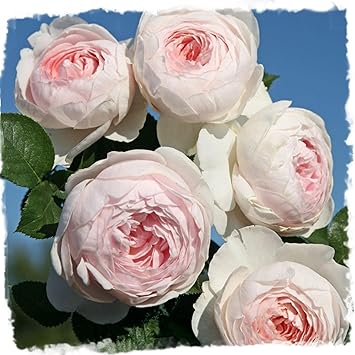
- Roses – especially David Austin English roses and climbing varieties
- Delphiniums – tall spires in shades of blue, purple, pink, and white
- Peonies – large, fragrant blooms in late spring
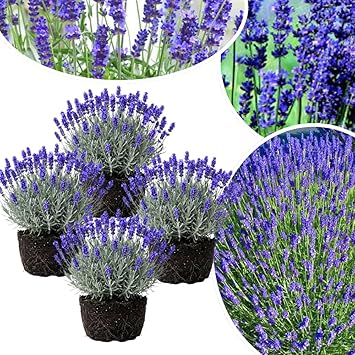
- Lavender – aromatic foliage and purple flower spikes
- Foxgloves – tall biennial with tubular flowers
- Hollyhocks – cottage garden classic reaching six feet or more
- Lupines – colorful flower spikes in early summer
- Geraniums – hardy perennial types, not annual bedding geraniums
Choose plants with overlapping bloom times to ensure continuous color. Early spring bulbs transition to late spring perennials, followed by summer bloomers. Fall-flowering plants extend the season into autumn.
Shrubs and Trees for Structure
Woody plants provide permanent structure and year-round presence in English gardens. They create the framework that herbaceous plants fill in. Strategic placement of shrubs and trees anchors the entire landscape design.
Recommended Shrubs
- Boxwood for evergreen hedging and topiary
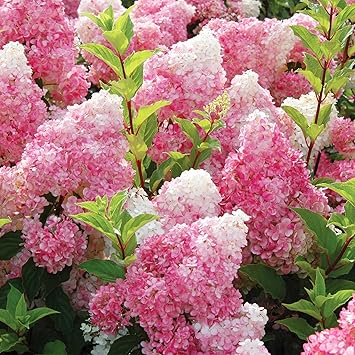
- Hydrangeas for summer blooms and fall color
- Viburnum for spring flowers and winter berries
- Spirea for cascading spring blooms
- Mock orange for fragrant white flowers
Recommended Trees
- Ornamental cherries for spring blossom displays
- Crabapples for flowers, fruit, and fall color
- English oak for long-term landscape presence
- Weeping willows near water features
- Fruit trees for productivity and seasonal interest
Combining Plants Effectively
The English garden style uses generous plant groupings rather than single specimens. Plant in odd numbers—threes, fives, or sevens—for natural-looking drifts. Repeat key plants throughout the garden to create visual rhythm and unity.
Consider foliage color and texture as carefully as flowers. Silver-leaved plants like lamb’s ear contrast beautifully with deep green backgrounds. Fine-textured plants complement bold, architectural foliage. These combinations add depth and interest even when plants aren’t flowering.

Climate Considerations
Adapt plant selections to your local climate while maintaining the English garden aesthetic. Many traditional English garden plants thrive in temperate zones with cool, moist conditions. Gardeners in warmer or drier climates need suitable substitutes.
Research heat-tolerant varieties of traditional plants for southern gardens. Seek shade and water conservation strategies for arid regions. The visual effect matters more than using the exact species. Choose plants that create similar color, texture, and form.
Tip 4: Layer Your Plantings for Depth and Visual Interest
Layering creates the lush, abundant look characteristic of English gardens. This technique involves planting in tiers from ground level to overhead canopy. Proper layering makes even small gardens feel rich and established.
Understanding Planting Layers
Think of your garden in horizontal layers from bottom to top. Each layer contributes to the overall composition while serving specific functions. This approach maximizes planting space and creates year-round interest.
Ground Layer
Ground covers and low-growing plants form the foundation. They suppress weeds and provide texture at ground level. Spring bulbs emerge through this layer early in the season.
- Creeping thyme
- Ajuga
- Sweet woodruff
- Spring bulbs (crocuses, snowdrops)
Understory Layer
Mid-height perennials fill the middle ground. These plants typically reach one to three feet tall. They provide most of the seasonal color in borders and beds.
- Catmint
- Hardy geraniums
- Coral bells
- Dianthus
Vertical Layer
Tall perennials and shrubs create height and drama. They form the background for shorter plants. These specimens draw the eye upward and add dimension.
- Delphiniums
- Tall phlox
- Roses
- Hydrangeas
Canopy Layer
Trees and large shrubs provide overhead structure. They create shade patterns and define the garden’s ceiling. These elements frame the entire landscape.
- Ornamental trees
- Large shrubs
- Climbing vines on structures
- Espalier fruit trees
Arrange plants with taller specimens toward the back of borders and shorter ones toward the front. This traditional arrangement ensures all plants remain visible. Break this rule occasionally with a few tall, see-through plants in front for a more naturalistic effect.

Creating Seasonal Layers
Layer your garden temporally as well as spatially. Plan for plants that bloom in succession throughout the year. Spring bulbs give way to early perennials, followed by summer bloomers, then fall color.
Early blooming plants can occupy the same space as summer performers. Bulbs complete their cycle and go dormant just as perennials fill in above them. This efficient use of space keeps your garden interesting for months.
Tip 5: Incorporate Climbing Plants and Vertical Elements
Vertical gardening maximizes space and creates the romantic atmosphere of English cottage gardens. Climbing plants soften hard structures while adding another dimension to your planting schemes. They draw the eye upward and create living walls of color.

Essential Climbing Plants
Climbing plants add vertical interest throughout the growing season. Many also provide fragrance that enhances the garden experience. Choose climbers based on their growth habit and support requirements.
- Climbing roses – classic choice for arbors, walls, and pergolas
- Clematis – a diverse genus offering flowers in many colors and seasons
- Honeysuckle – fragrant flowers attract hummingbirds and beneficial insects
- Wisteria – dramatic cascading blooms on mature plants
- Climbing hydrangea – elegant white flowers and attractive foliage
- Jasmine – intensely fragrant flowers and evergreen foliage in mild climates
- Sweet peas – annual climbers with wonderful scent and cut flowers
Match climbers to appropriate support structures based on their attachment method. Some plants twine around supports, while others use tendrils or need to be tied. Heavy plants like mature wisteria require very sturdy structures.
Structures for Climbing Plants
Vertical structures serve both functional and aesthetic purposes in English gardens. They provide necessary support while creating architectural interest. Well-placed structures define spaces and guide movement through the garden.
Arbors and Arches
These create dramatic entrances and frame garden views. Position them at pathways or transitions between garden areas. They provide strong vertical accents even before plants mature.

Pergolas and Covered Walks
Extended overhead structures create shaded garden rooms. They work beautifully for creating dining or seating areas. Heavy climbers transform them into living ceilings.
Walls and Fences
Existing walls become planting opportunities with added support systems. Install wire or trellis panels for climbers. Brick and stone walls provide ideal growing conditions for many plants.
Training and Maintenance
Climbing plants require regular training to achieve the desired effect. Guide young growth in the direction you want it to grow. Secure stems loosely to supports to avoid damage.
Most climbers benefit from annual pruning to control growth and encourage flowering. Different plants have specific pruning requirements. Research proper timing and techniques for each species you grow.

Tip 6: Add Pathways and Hardscaping with Natural Materials
Hardscaping elements provide structure and practicality to English gardens. Materials should complement the natural landscape rather than dominating it. Traditional materials weather beautifully and develop character over time.
Pathway Design and Materials
Garden paths serve functional purposes while contributing to the overall design aesthetic. They guide visitors through the space and protect plantings from foot traffic. The choice of paving material significantly impacts the garden’s character.
- Gravel – affordable, permeable, and easy to install in curved paths
- Natural stone – flagstone or slate creates elegant, long-lasting pathways
- Brick – traditional material that complements period architecture
- Decomposed granite – compacted natural material with a soft appearance
- Stepping stones – individual pavers set in grass or ground cover
- Mulch paths – an informal approach suitable for woodland garden areas
Path width affects the garden’s feel and function. Main paths should accommodate two people walking side by side. Secondary paths can be narrower, creating more intimate experiences.
Curved paths feel more natural and inviting than straight ones. They also make small gardens seem larger by preventing views of the entire space at once. Plan curves with purpose rather than arbitrary wiggles.

Patios and Seating Areas
Outdoor living spaces extend your home into the garden. They provide places to relax and enjoy the landscape you’ve created. Design these areas to feel integrated with surrounding plantings rather than separate from them.
- Natural stone or aged brick paving
- Partially covered areas for shade
- Nearby plantings for privacy and ambiance
- Built-in or movable seating options
- Space for outdoor dining or entertaining
- Defined but not fully enclosed spaces
- Pergolas or arbors providing partial cover
- Comfortable seating with cushions and pillows
- Small tables for drinks and books
- Container plantings for seasonal color
Edging and Borders
Defined edges create a polished look while serving practical purposes. They prevent grass from invading beds and contain mulch or gravel. Traditional materials suit the English garden aesthetic best.
Low stone walls make beautiful borders for raised beds or level changes. Brick edging complements brick pathways and traditional architecture. Steel or aluminum edging provides clean lines while remaining nearly invisible when installed properly.

Tip 7: Incorporate Water Features for Tranquility and Wildlife
Water features add sensory richness to English gardens. The sound of moving water creates a peaceful ambiance while supporting wildlife. Even small gardens can accommodate water elements that enhance the overall design.
Types of Water Features
Choose water features scaled appropriately to your garden size and style. Formal or informal designs both work in English garden contexts. Consider maintenance requirements and your local climate when selecting.
Garden Ponds
Natural-looking ponds serve as focal points and wildlife habitats. Stock them with water plants and possibly fish. Edge with stones and moisture-loving plants for an integrated appearance.
- Requires excavation and liner installation
- Benefits wildlife significantly
- Needs regular maintenance
Fountains
Fountains add sound and movement without requiring a large space. Wall-mounted or freestanding options suit different garden styles. Many self-contained models require minimal installation.
- Easy to install and maintain
- Various styles from classical to modern
- Requires an electrical connection
Water Basins
Simple containers filled with water provide bird baths and reflective surfaces. They work well in small gardens or on patios. Antique or vintage basins add authentic character.
- Minimal installation required
- Attracts birds and beneficial insects
- Requires regular water refresh

Aquatic and Marginal Plants
Water plants complete the natural look of garden ponds and water features. They provide necessary functions while adding beauty. Aquatic plants help maintain water quality by filtering and oxygenating.
- Water lilies – floating flowers in white, pink, yellow, and red
- Irises – tall plants for pond edges with dramatic flowers
- Marsh marigold – bright yellow early spring blooms
- Cattails – architectural plants for pond margins
- Water forget-me-nots – delicate blue flowers for shallow water
- Lotus – exotic flowers and dramatic foliage for larger ponds
Balance submerged plants, floating plants, and marginal plants for healthy pond ecosystems. Submerged plants oxygenate water. Floating plants provide shade and reduce algae. Marginal plants soften edges and provide wildlife habitat.

Wildlife Benefits
Water features attract birds, butterflies, frogs, and beneficial insects to your garden. They provide drinking water, bathing spots, and breeding habitats. This activity adds life and interest beyond the plants themselves.
Position water features where you can observe wildlife from your home or patio. Keep edges shallow in at least one area so small animals can safely access water. Avoid using chemicals that might harm wildlife visiting your garden.
Free Download: Complete English Garden Plant Selection Guide
Get our comprehensive plant guide featuring over 50 recommended species organized by sunlight requirements, soil type, and bloom time. Includes detailed care instructions, companion planting suggestions, and seasonal planning calendars. Perfect for creating stunning English garden color from spring through fall.NameEmail AddressDownload Free Guide
We respect your privacy. Unsubscribe anytime.
Tip 8: Embrace Color Through Thoughtful Planting Schemes
Color planning transforms gardens from pleasant to spectacular. English gardens use color generously but thoughtfully. Understanding basic color theory helps create harmonious or dramatic effects depending on your goals.

Color Scheme Options
Different color combinations create distinct moods and visual effects. Consider which atmosphere you want to create in each garden area. You can use different schemes in separate garden rooms for variety.
Cool Color Schemes
Blues, purples, and whites create peaceful, calming spaces. These colors recede visually, making small spaces feel larger. They look especially beautiful in evening light.
- Delphiniums, salvia, and catmint for blue tones
- Lavender, alliums, and asters for purple shades
- White roses, phlox, and shasta daisies
- Silver foliage plants as unifying elements
Warm Color Schemes
Reds, oranges, and yellows create energy and excitement. These colors advance visually, commanding attention. They appear especially vibrant in the morning and midday sun.
- Roses, poppies, and crocosmia for red tones
- Daylilies, calendula, and marigolds for orange
- Coreopsis, rudbeckia, and sunflowers for yellow
- Bronze foliage for complementary contrast
Creating Continuous Color
Plan for flowers blooming throughout the growing season. This approach ensures your garden always offers color and interest. Layer plants with different bloom times in the same beds.
- Spring begins with bulbs – tulips, daffodils, and crocuses provide early color
- Late spring brings peonies, irises, and early roses into bloom
- Summer peaks with roses, daylilies, coneflowers, and countless perennials
- Late summer features rudbeckia, sedum, and ornamental grasses
- Fall extends the season with asters, chrysanthemums, and changing foliage
Don’t forget foliage color in your planning. Variegated plants, purple-leaved shrubs, and silver-foliaged perennials provide color beyond flowers. These plants extend visual interest after blooms fade.

Foliage for Year-Round Interest
Flowers come and go, but foliage remains for months. Choose plants with attractive leaves, interesting textures, and varied forms. This foundation keeps gardens interesting even between bloom periods.
- Hostas offer bold leaves in greens, blues, yellows, and variegated patterns
- Ornamental grasses provide fine texture and movement
- Ferns create delicate, lacy patterns in shade areas
- Evergreen shrubs maintain structure through winter
- Colored-foliage plants like heuchera add non-floral color
Tip 9: Maintain a Controlled Yet Natural Look Through Proper Care
English gardens require regular maintenance to maintain their seemingly effortless beauty. The goal is controlled abundance rather than wildness or excessive formality. Consistent care keeps plants healthy while preserving the romantic aesthetic.
Essential Maintenance Tasks
Regular gardening tasks keep your English garden looking its best. Establish a routine that addresses seasonal needs. Consistent attention prevents small problems from becoming overwhelming projects.
Weekly Tasks
- Deadhead spent flowers to encourage continued blooming
- Remove weeds before they set seed and spread
- Water deeply during dry periods, especially new plantings
- Check for pest or disease issues requiring attention
- Tie in climbing plants and train new growth
Seasonal Tasks
- Spring: Cut back dead perennial growth, edge beds, and apply mulch
- Summer: Prune spring-blooming shrubs after flowering
- Fall: Divide overcrowded perennials, plant spring bulbs
- Winter: Plan next year’s garden, order seeds and plants
Pruning and Shaping
Strategic pruning maintains plant health and desired forms. Different plants require specific pruning approaches and timing. Learn the needs of your particular plants for best results.

Roses benefit from regular deadheading and annual dormant pruning. Remove spent blooms just above a leaf node facing outward. This practice encourages new flowering growth throughout the season.
Perennials often need cutting back after flowering to maintain tidy appearance. Some plants rebloom after deadheading or shearing. Others should be left standing for fall and winter interest or wildlife value.
Soil Health and Feeding
Healthy soil produces healthy plants that resist pests and diseases. English gardens benefit from organic matter additions that improve soil structure and fertility. This approach supports the abundant growth characteristic of the style.
- Add compost or well-rotted manure annually to beds and borders
- Mulch with organic materials to conserve moisture and suppress weeds
- Test soil pH and adjust if necessary for optimal plant performance
- Feed heavy bloomers like roses with appropriate fertilizers
- Practice crop rotation in vegetable garden areas
Organic gardening methods align well with English garden philosophy. These approaches build long-term soil health while supporting beneficial insects and wildlife. Avoid harsh chemicals that disrupt garden ecosystems.
Managing Growth and Scale
Plants in English gardens grow exuberantly, sometimes overwhelming their spaces. Stay ahead of growth through regular division and editing. Remove plants that have outgrown their locations or no longer contribute to the design.
Divide perennials every three to five years to maintain vigor. This practice also provides new plants for expanding your garden or sharing with friends. Spring and fall are ideal times for most division projects.
Tip 10: Add Personal Touches and Garden Ornaments
Personal elements make your English garden uniquely yours. Garden ornaments and decorative features add character and focal points. These finishing touches complete the transformation from ordinary yard to enchanting garden.

Traditional Garden Ornaments
Garden ornaments serve as focal points and add personality to outdoor spaces. Choose pieces that complement your garden’s scale and style. Weathered items often look more authentic than brand-new additions.
Statuary and Sculpture
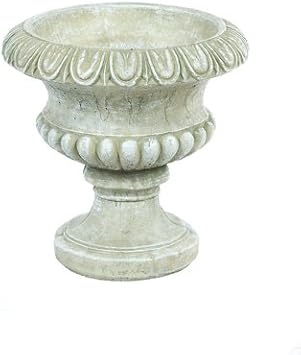
Classical figures, animals, or abstract forms create visual interest. Position them at path intersections or as border focal points. Stone and concrete age beautifully in garden settings.
Garden Furniture
Benches and chairs invite visitors to relax and enjoy views. Wooden furniture develops an appealing patina over time. Metal pieces in traditional designs suit English garden aesthetics.
Decorative Containers
Terracotta pots, wooden planters, and vintage containers add charm. Group them for impact or use individually as accents. Age new pots artificially with yogurt or moss solution.





Functional Garden Art
Some ornaments serve practical purposes while adding beauty. These dual-purpose items earn their place in the garden. They contribute to the working garden atmosphere of true cottage gardens.
- Sundials marking time with shadow and style
- Bird baths provide water for wildlife and visual interest
- Garden tools displayed as functional art
- Vintage watering cans and buckets add nostalgic touches
- Bee skeps or decorative birdhouses create focal points
- Armillary spheres or obelisks providing vertical accents

Lighting for Evening Ambiance
Garden lighting extends enjoyment into evening hours. It also highlights special features and improves safety on paths. Choose warm, subtle lighting that creates ambiance without harshness.
- Path lights for safe walkway illumination
- Uplights to highlight trees and architectural plants
- String lights for festive overhead illumination
- Lanterns for portable ambient lighting
- Spotlights for water features and focal points
- Solar options for easy installation without wiring
- Low-voltage systems for safety and energy efficiency
- Warm color temperature (2700-3000K) for a natural look
- Timer or sensor controls for automatic operation
- Strategic placement avoiding light pollution
Creating Themed Garden Areas
Develop small themed spaces within your larger garden. These areas add interest and create destinations for garden visitors. Each can reflect different aspects of the English garden tradition.
- Herb garden with traditional culinary and medicinal plants
- Cutting garden for fresh flower arrangements
- Kitchen garden combining vegetables and flowers
- Rose garden showcasing various types and colors
- Woodland garden under mature trees with shade plants
- Rock garden featuring alpine plants and stone features
Connect themed areas with pathways and transitional plantings. Each space should feel distinct yet part of the whole garden. This approach adds discovery and surprise to garden exploration.

Transform Your Outdoor Space Into an English Garden Paradise
Creating an authentic English garden involves more than simply planting flowers. You’ve learned ten essential tips covering design, plants, structures, and maintenance. These principles work together to produce the romantic, abundant aesthetic characteristic of this beloved style.
Start with a thoughtful layout that balances structure and naturalistic plantings. Select traditional plants that thrive in your climate while maintaining English garden character. Layer your plantings for depth and incorporate vertical elements for maximum impact.
Remember that English gardens develop character over time. Don’t expect instant results or perfect precision. The style embraces a certain comfortable maturity and gentle imperfection. Your garden will improve each season as plants establish and grow together.

Focus on one area at a time if transforming your entire property seems overwhelming. Complete a single border or garden room before moving to the next project. This approach produces satisfying results while keeping the process manageable.
Most importantly, create a garden that brings you joy and reflects your personal taste. English garden style provides guidelines, not rigid rules. Adapt these principles to suit your space, climate, and preferences for a truly unique outdoor retreat.

Discover more from Cozy Corner
Subscribe to get the latest posts sent to your email.