Imagine stepping into a sunlit French farmhouse where weathered wooden beams stretch across whitewashed ceilings, and soft linen curtains dance in the breeze. This is the magic of rustic French accents—a design philosophy that transforms ordinary spaces into havens of timeless elegance and lived-in comfort. Unlike fleeting trends that come and go, the rustic French aesthetic has captivated homeowners for generations because it celebrates authenticity, imperfection, and natural beauty.
What makes rustic French style so appealing is its remarkable accessibility. You don’t need to renovate your entire home or invest in expensive antiques to capture this look. A carefully chosen distressed mirror, a handful of lavender stems in a ceramic pitcher, or linen throw pillows can instantly infuse your space with provincial charm. The beauty lies in the layering of natural textures, muted color palettes, and pieces that tell a story.
This comprehensive guide will walk you through everything you need to know about incorporating rustic French accents into your home. From understanding the core design principles to selecting specific pieces for each room, you’ll discover how to create spaces that feel both sophisticated and warmly inviting. Whether you’re starting from scratch or simply looking to add character to your existing décor, rustic French accents offer an elegant pathway to a home that feels collected over time, cherished, and unmistakably yours.
Defining the Rustic French Look
At its heart, rustic French style—often called French Country or French Provincial—is born from the farmhouses and countryside estates of rural France, particularly the sun-drenched regions of Provence. This aesthetic emerged naturally from practical living, where generations of families treasured well-crafted furniture, natural materials, and functional beauty. What distinguishes this style from other rustic approaches is its sophisticated balance: it pairs the rough-hewn authenticity of country living with the refined elegance borrowed from French aristocratic traditions.
Core Design Principles
Understanding the foundational principles of rustic French design helps you make confident choices when selecting accents for your home. These timeless guidelines have remained consistent across centuries precisely because they reflect a philosophy of living well rather than following temporary fashion.
Natural Materials Reign Supreme
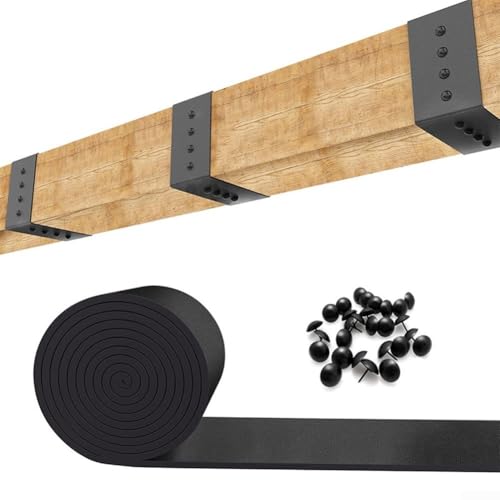
Rustic French accents celebrate materials in their most authentic forms. Weathered wood dominates the palette, from chunky farm tables bearing the patina of decades to exposed ceiling beams that anchor a room. Natural stone appears in fireplace surrounds and flooring, its irregular texture adding organic warmth. Wrought iron brings structural elegance through light fixtures, curtain rods, and decorative brackets. Terra-cotta and ceramic pieces—from floor tiles to pitchers—connect interiors to the earth itself. The key is choosing materials that age gracefully, developing character rather than deteriorating with time.

The Distinctive Color Palette
Color in rustic French design draws inspiration directly from the Provençal landscape. The palette revolves around soft, sun-bleached neutrals that create a serene foundation. Creamy whites and warm beiges echo limestone buildings and wheat fields. These neutrals are accented with muted tones: dusty sage greens reminiscent of olive groves, soft lavender purples from fragrant fields, gentle sky blues, and warm terracotta oranges. Importantly, these colors appear faded and gentle—as if naturally weathered by Mediterranean sunshine—never bright or saturated. This restraint creates spaces that feel calm, timeless, and effortlessly sophisticated.
Texture and Patina Matter
Perhaps nothing defines rustic French style more than its celebration of imperfection. Distressed furniture finishes reveal layers of paint or exposed wood grain, suggesting generations of use. Linen textiles arrive pre-wrinkled, their relaxed nature part of their charm. Stone surfaces retain natural irregularities rather than being polished smooth. This embrace of wear and patina creates authenticity—spaces feel lived in and loved rather than staged. The rustic French aesthetic understands that perfection can feel cold, while gentle imperfection invites warmth and humanity into our homes.


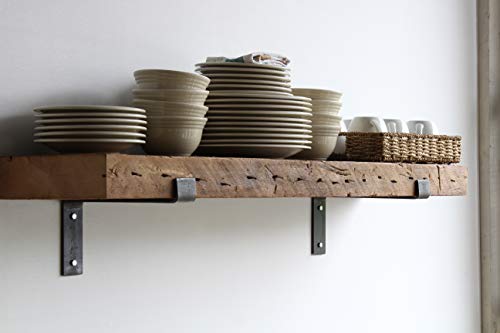


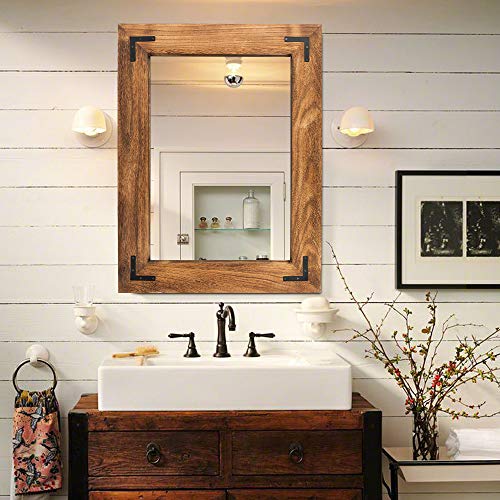

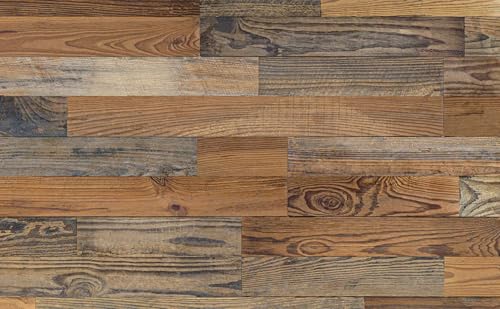


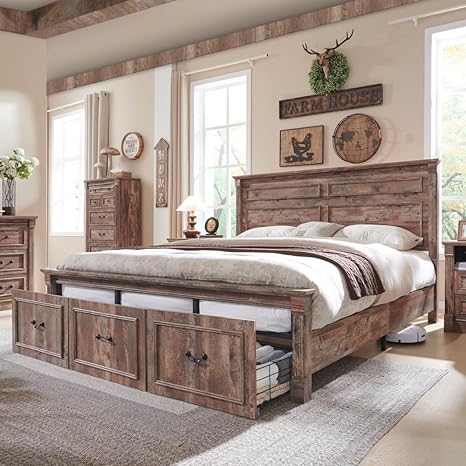



Design Tip: When selecting rustic French accents, look for pieces with visible age markers—slight chips in paint, natural wood grain variations, or fabric with a naturally relaxed drape. These “imperfections” are actually signs of authenticity and will help your space feel genuinely collected rather than recently purchased.
Key Rustic French Accents and How to Use Them
The magic of rustic French style unfolds through carefully chosen accents that layer texture, history, and natural beauty throughout your space. Each piece serves both functional and aesthetic purposes, contributing to an atmosphere that feels effortlessly elegant. Let’s explore the essential categories of accents that define this beloved style and discover how to incorporate them authentically.
Furniture That Tells a Story
Rustic French furniture combines sturdy construction with graceful lines, creating pieces that anchor your rooms with both substance and beauty. Unlike minimalist modern furniture, these pieces make statements through their material presence and visible history.

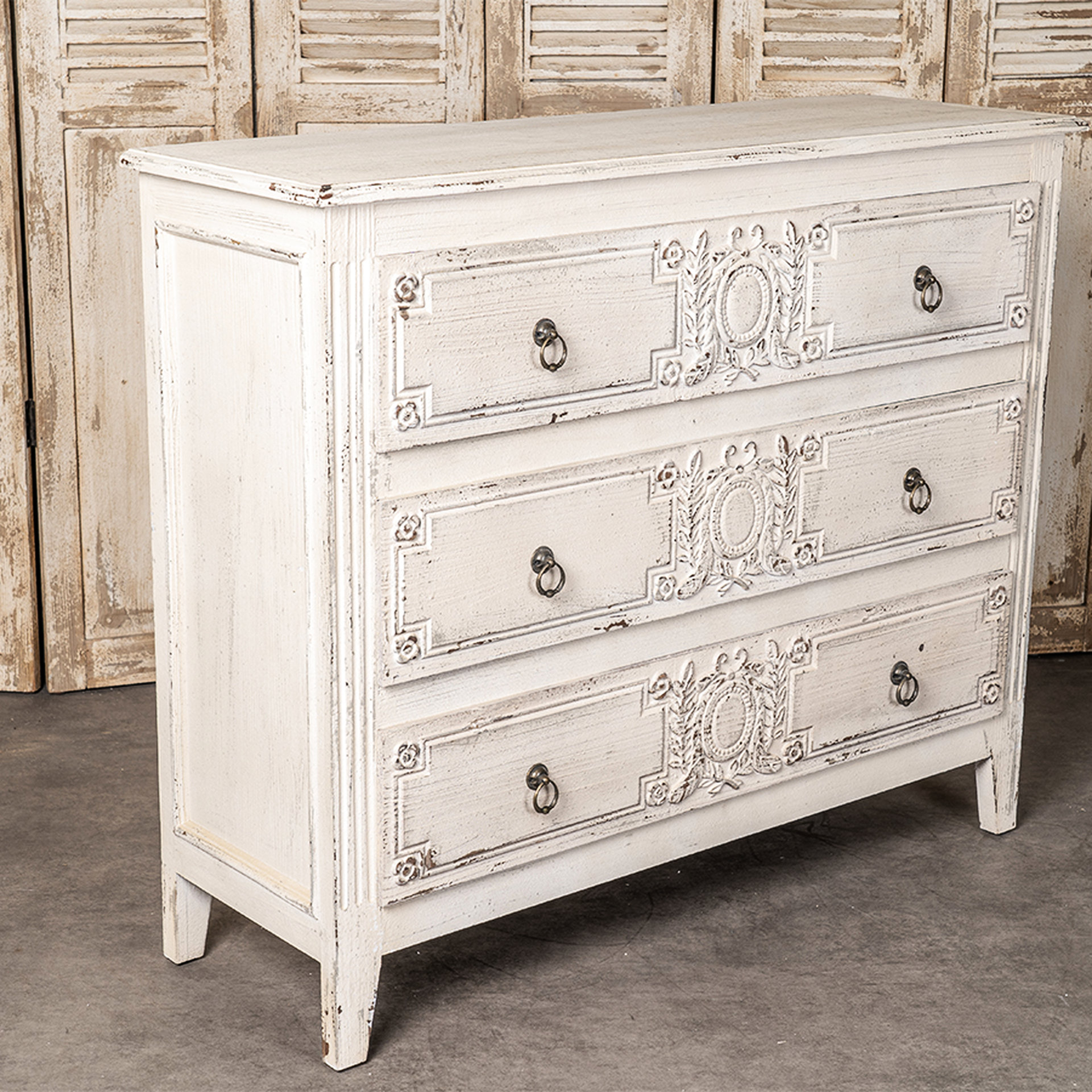
Distressed Armoires
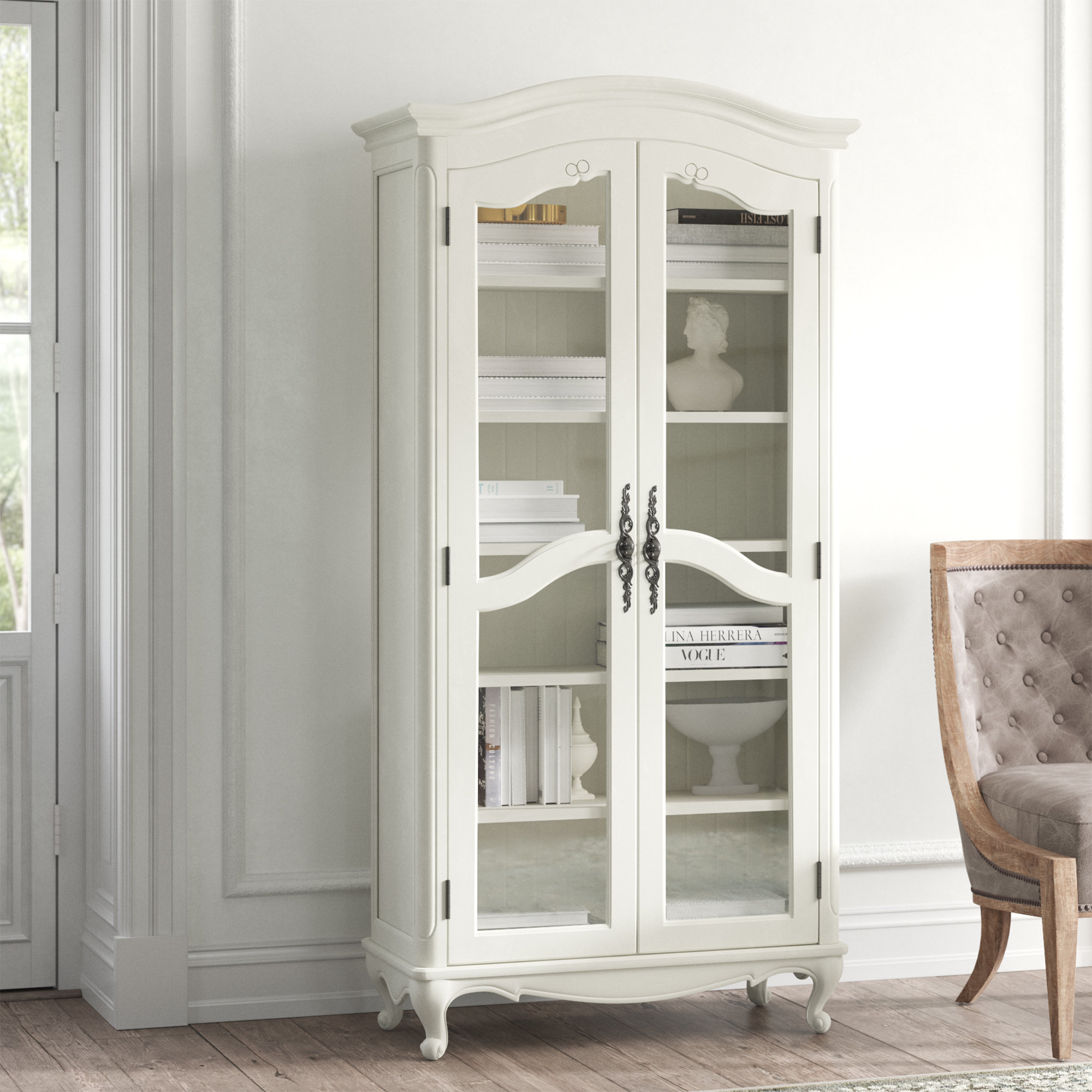
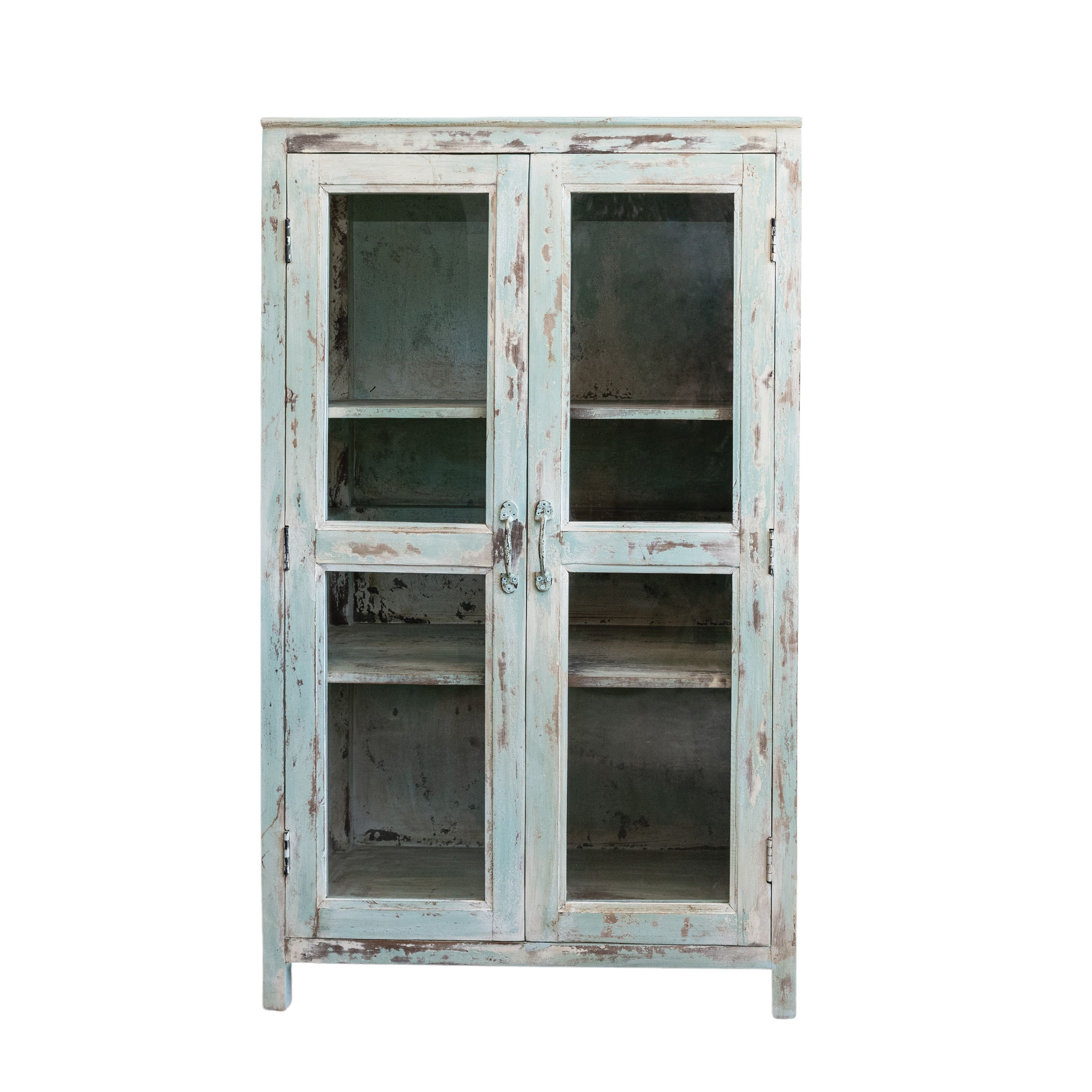
The classic French armoire serves as both storage and focal point. Look for pieces with carved details, paneled doors, and painted finishes that show gentle wear. These versatile cabinets work beautifully in bedrooms for clothing storage, in living rooms to conceal electronics, or in dining rooms to house table linens and serving pieces. Choose armoires with a patina that suggests age—soft grays, weathered whites, or natural wood with traces of old paint.

Farmhouse Dining Tables
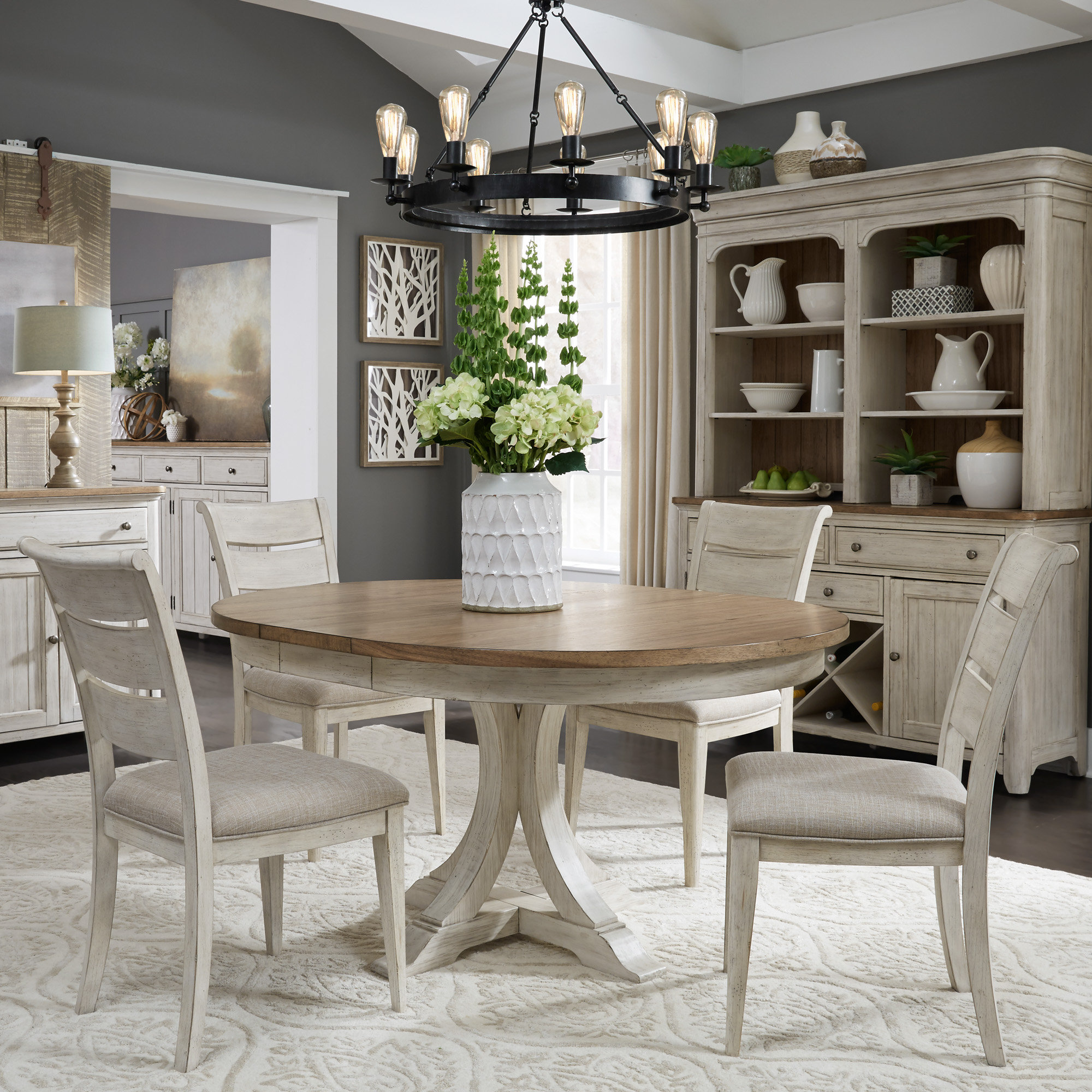
The farmhouse table represents the heart of rustic French living. Substantial wooden tables with thick plank tops and sturdy turned or trestle legs invite gathering and create a sense of permanence. The beauty lies in their honest construction and visible wood grain. These tables pair beautifully with mismatched chairs, creating a collected-over-time appeal. Allow the natural wood to show wear—scratches and slight imperfections add character that pristine surfaces lack.

Ladder-Back Chairs
Simple ladder-back chairs with woven rush seats epitomize rustic French seating. Their straightforward construction showcases traditional craftsmanship, while their slender profiles prevent dining areas from feeling heavy. These chairs work wonderfully when mixed with upholstered pieces—perhaps placing rush-seat chairs along the sides of your table and upholstered chairs at the heads. Paint finishes in soft whites, creams, or natural wood tones maintain authenticity.
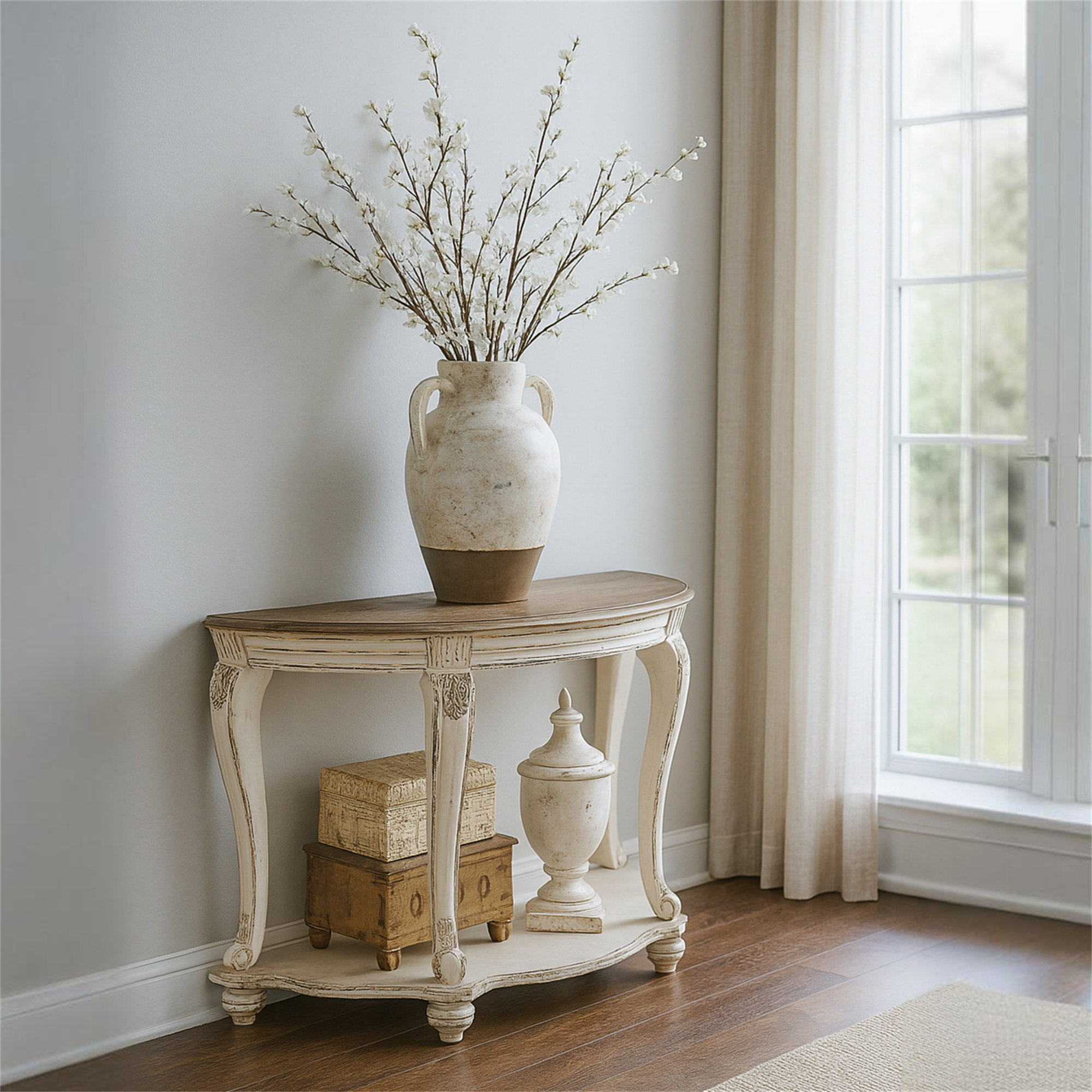
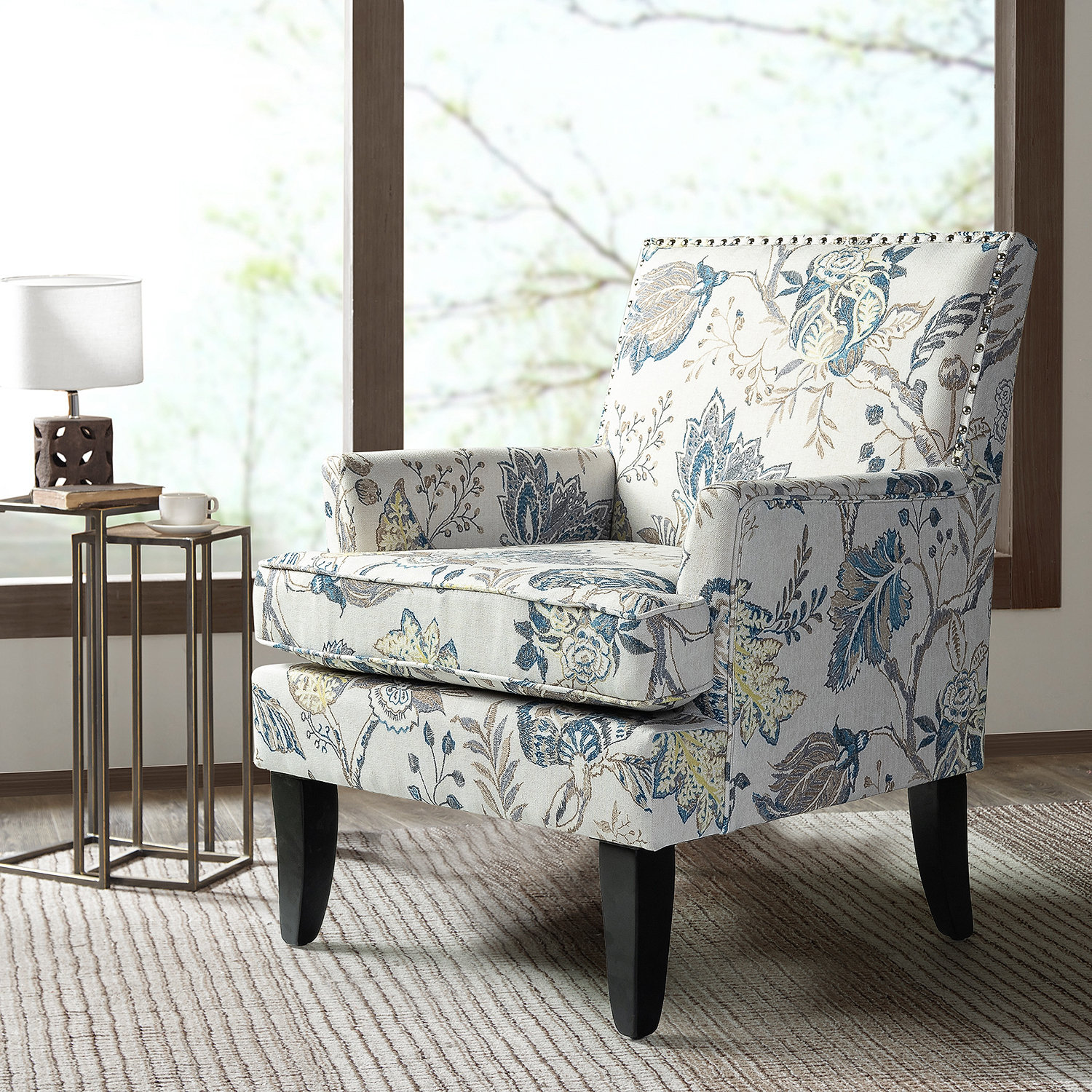
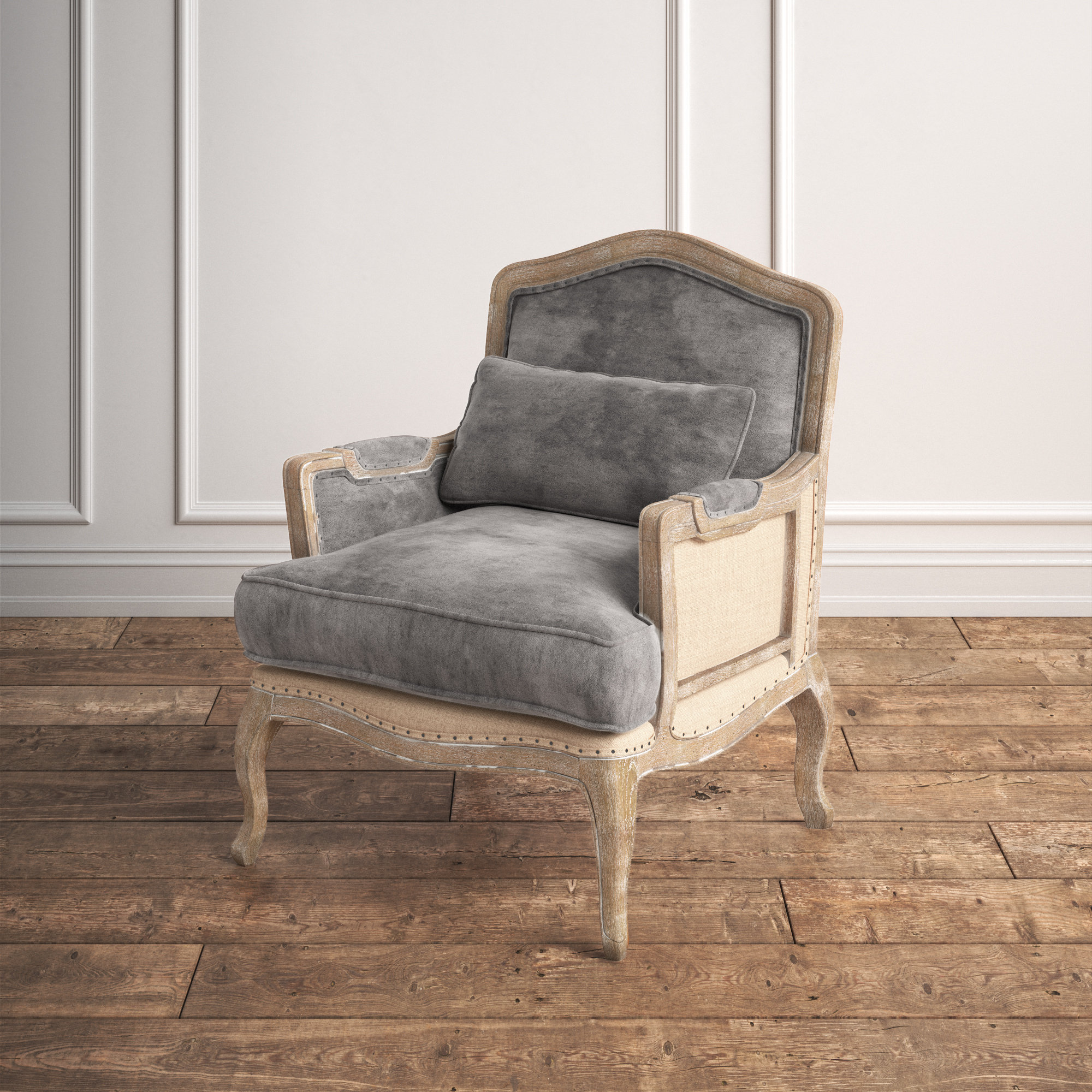
Discover Handpicked French Country Furniture
Explore our curated collection of authentic and reproduction French country furniture pieces, each selected for quality craftsmanship and timeless appeal. From weathered armoires to farmhouse tables, find accents that bring instant provincial charm to your home.
Textiles That Add Softness
Fabric layers bring essential warmth and visual softness to rustic French interiors. The textures and patterns you choose dramatically influence how inviting your space feels. French country textiles favor natural fibers and gentle, faded patterns over synthetic materials or bold graphics.
Linen Curtains and Upholstery
Natural linen embodies rustic French elegance perfectly. Its slightly irregular weave and tendency to wrinkle create relaxed beauty rather than looking unkempt. Choose linen for curtain panels in soft whites, creams, or natural oatmeal tones that filter sunlight beautifully. Linen slipcovers for sofas and chairs add casual sophistication while remaining wonderfully practical.
- Select medium-weight linen that drapes well without appearing stiff
- Embrace the natural wrinkles—pressing linen defeats its casual charm
- Layer linen curtains with heavier drapes for depth and privacy options
- Choose neutral tones that complement your wall colors rather than competing
Toile and Vintage Patterns
Toile de Jouy—the classic French pattern depicting pastoral scenes—brings instant country charm. Traditional toile features delicate illustrations in single colors (navy, red, or black) on cream backgrounds. These patterns work beautifully for throw pillows, bedding, or occasional upholstery pieces. Mix toile with simpler patterns like ticking stripes or small florals to avoid overwhelming spaces.
- Use toile as accent pieces rather than covering entire rooms
- Pair toile patterns with solid linens for visual balance
- Choose faded or vintage-looking toile rather than crisp, bright versions
- Consider toile Roman shades for a subtle pattern at windows
Quilts and Throws
Vintage-inspired quilts bring both warmth and visual interest to bedrooms and living spaces. Look for quilts in soft, faded colors rather than bright modern prints. French boutis—a traditional Provençal quilting technique—creates beautiful texture through raised stitching patterns. Drape throws casually over sofas or the foot of beds for an inviting, lived-in appeal.
- Layer quilts over neutral bedding for dimensional color
- Choose quilts with geometric or subtle floral patterns
- Don’t worry about perfectly matching colors—slightly varied tones add authenticity
- Store seasonal quilts in open baskets or displayed on ladder racks








Burlap and Natural Fibers
Coarser textiles like burlap, jute, and hemp add rustic texture that grounds more refined elements. Use burlap for table runners, wrapped around planters, or as backing for framed artwork. These humble materials connect interiors to agricultural roots while providing visual contrast against smoother surfaces like linen or painted wood.
- Layer burlap runners over linen tablecloths for textural interest
- Use jute rugs to anchor seating areas with natural warmth
- Wrap burlap around glass vases or mason jars for quick rustic accents
- Consider burlap Roman shades for casual window treatments

Decorative Accents That Add Character
The smaller decorative pieces you choose ultimately define your space’s personality. These accents bring the rustic French aesthetic to life through their materials, forms, and the stories they suggest. Each piece should feel purposeful rather than merely decorative.

Stoneware and Ceramics
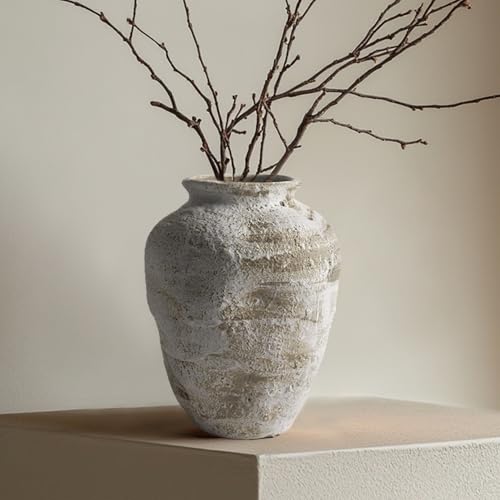
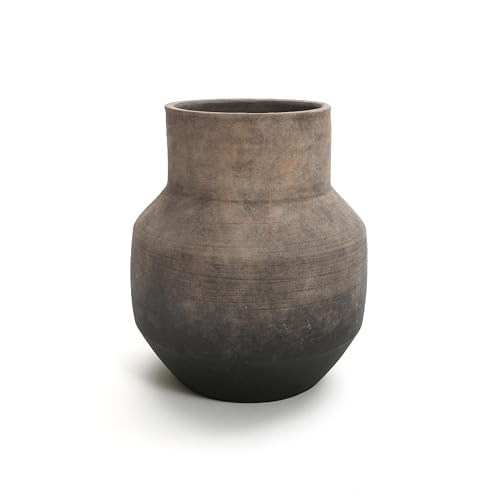
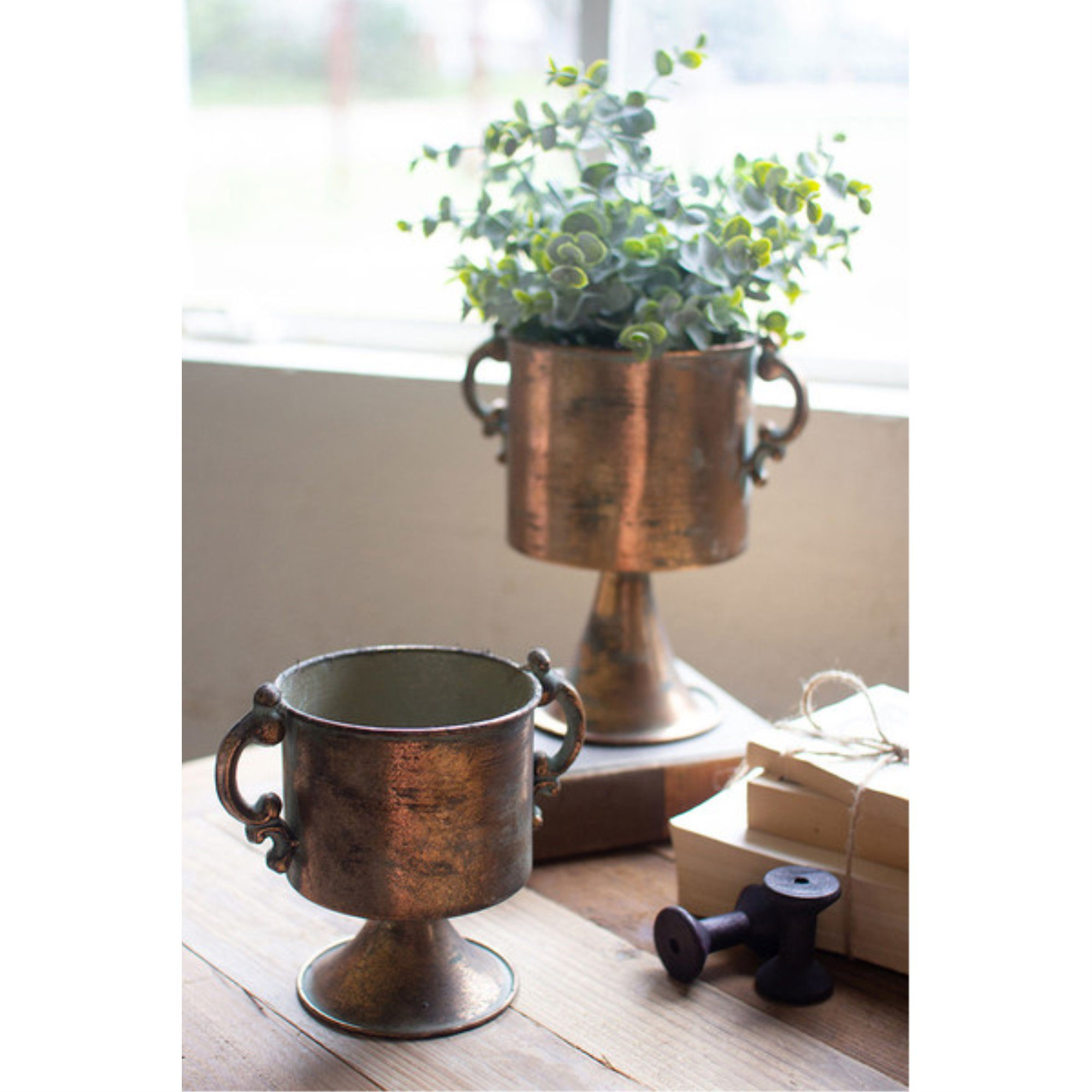
French ceramics and stoneware vessels bring both beauty and utility. Collect pitchers in varying sizes for displaying flowers, bowls for fruit, and jugs as sculptural objects. The irregular glazes, slight asymmetries, and earthy colors of artisan ceramics add organic warmth. Group collections in odd numbers on open shelves or countertops for visual impact.

Dried Lavender and Botanicals
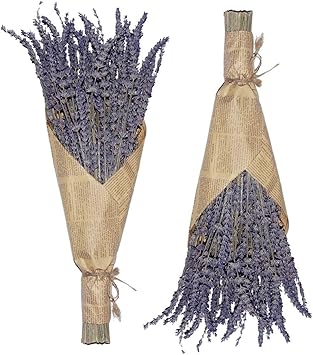
Nothing evokes Provence more immediately than lavender. Display dried lavender bundles in ceramic pitchers or tie with twine and hang from hooks. Other dried botanicals—wheat stalks, olive branches, or wildflowers—bring nature’s beauty indoors year-round. These natural accents add gentle color and organic texture while requiring no maintenance.

Wrought Iron Accents
Hand-forged wrought iron brings sculptural strength to soft French interiors. Look for candle holders with scrollwork details, wall-mounted pot racks, curtain rods with finial ends, or decorative brackets supporting shelves. The dark iron creates a striking contrast against light walls while adding handcrafted character. Patinated or slightly rusted finishes enhance authenticity.

Vintage Mirrors
Mirrors serve double duty in rustic French design—they reflect light to brighten spaces while functioning as decorative focal points. Seek out mirrors with ornate carved frames in weathered finishes. The glass itself might show slight silvering or age spots, which adds to rather than detract from their charm. Lean large mirrors against walls for casual elegance or hang them above mantels and consoles. Arched tops, baroque curves, or simple rectangular frames all work depending on your space’s formality.

Lighting That Creates Ambiance
Lighting choices dramatically impact rustic French interiors’ mood and functionality. The goal is creating warm, inviting illumination that feels romantic rather than stark or utilitarian. French country lighting combines the elegance of traditional European fixtures with the sturdy simplicity of rural living.
Chandeliers
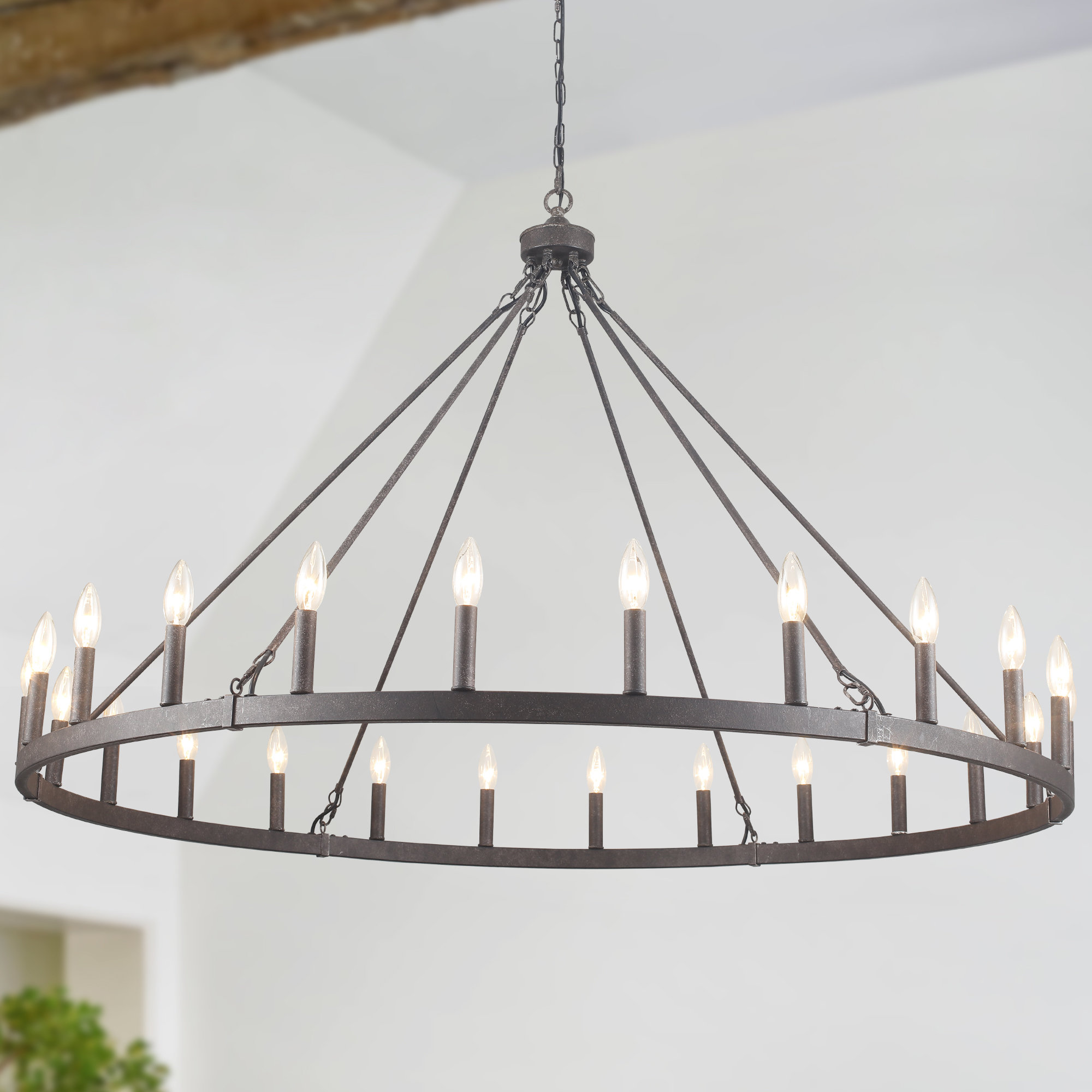
French country chandeliers range from rustic wood and iron fixtures to elegant crystal pieces. For dining rooms, choose chandeliers with multiple arms mimicking candles. Bedroom chandeliers might feature crystal drops for romance, while kitchen fixtures could use simpler metal construction. Hang chandeliers low enough to create intimate pools of light without obstructing views. Dimmer switches allow you to adjust the ambiance from bright task lighting to soft evening glow.
Lanterns
Both hanging and tabletop lanterns bring rustic charm to French interiors. Metal lanterns with glass panels work beautifully on covered porches or in entryways. Smaller lantern groups are attractively on dining tables or mantels, holding pillar candles. Look for lanterns with aged metal finishes—verdigris, rust, or black iron—rather than shiny new brass. The vintage patina suggests these pieces have illuminated countless family gatherings.
Wall Sconces
Wall-mounted sconces provide ambient lighting while freeing up table surfaces. Choose sconces with curved arms and candle-style bulbs for authentic French country appeal. Position them flanking mirrors, artwork, or on either side of a bed for reading light. Wrought iron or aged brass finishes coordinate well with other rustic French metalwork throughout your home.
Room-by-Room Inspiration
Understanding how to apply rustic French accents throughout your home helps create a cohesive aesthetic that flows naturally from space to space. Each room presents unique opportunities to layer textures, colors, and pieces that reflect this timeless style. Let’s explore practical approaches for bringing provincial charm into every area of your home.
Living Room: Creating a Welcoming Hearth
The living room serves as your home’s social center, where rustic French style creates an atmosphere of relaxed elegance. This space should invite lingering conversations and comfortable gatherings while maintaining sophisticated beauty. The key lies in balancing substantial furniture pieces with soft textiles and thoughtful accessories.
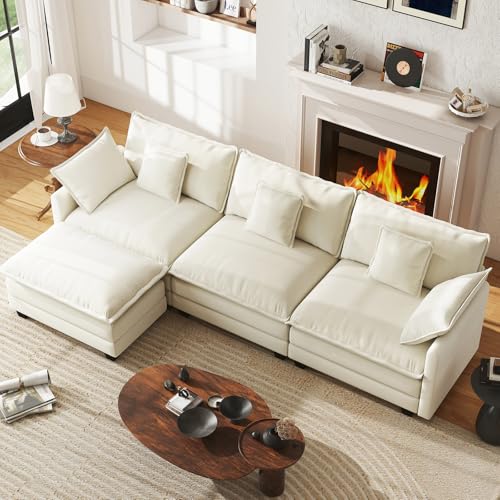
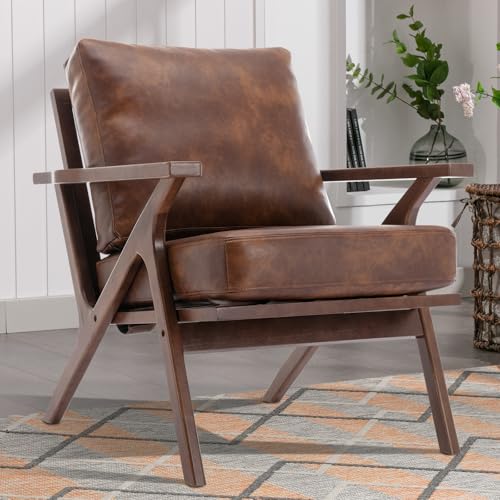
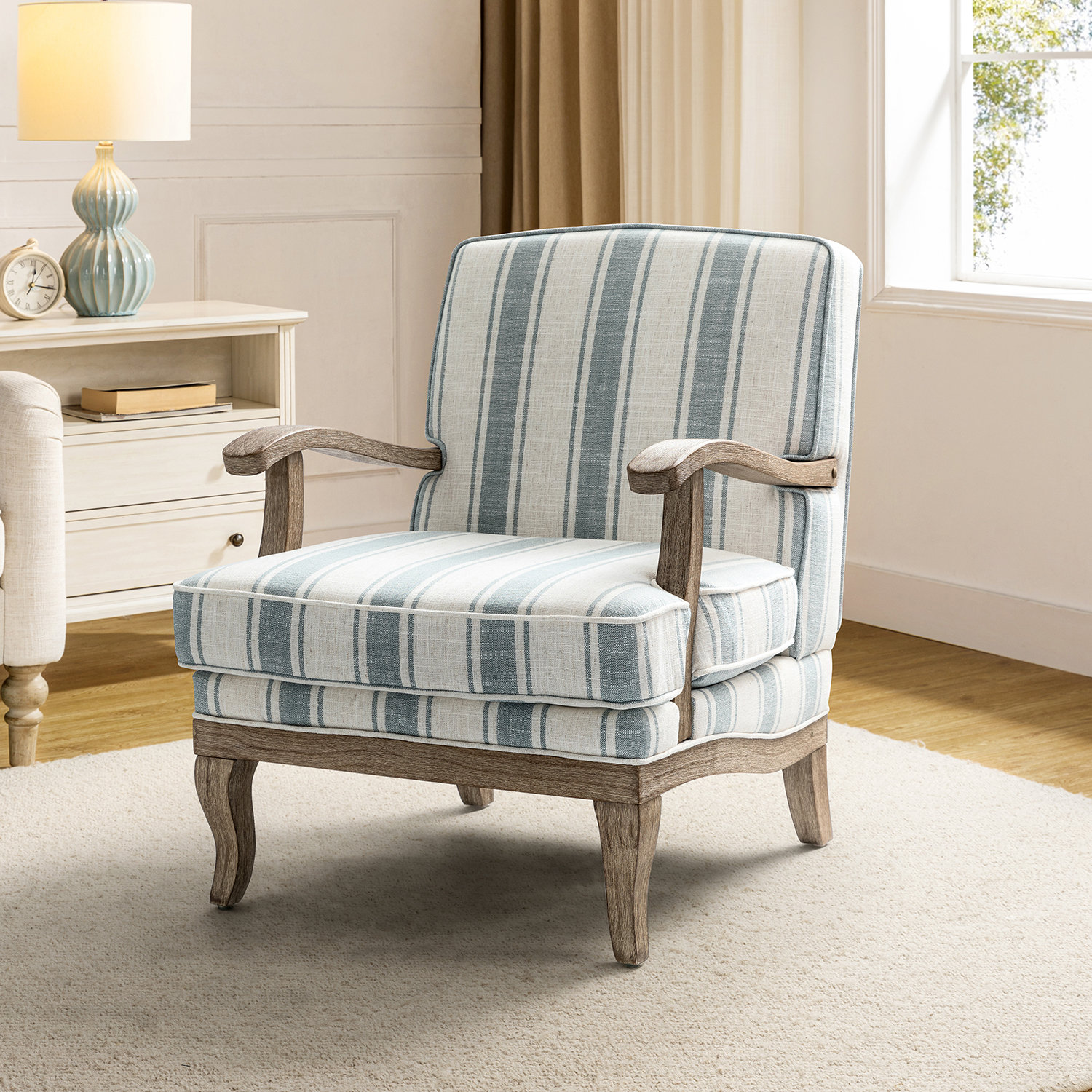
Anchor your living room with a substantial sofa in natural linen or cotton slipcovers. The relaxed fit of slipcovers creates casual elegance while offering practical removability for cleaning. Pair the sofa with one or two Bergère chairs—those classic French armchairs with exposed carved wood frames and upholstered seats and backs. Choose chairs in complementary colors or patterns that add visual interest without clashing.
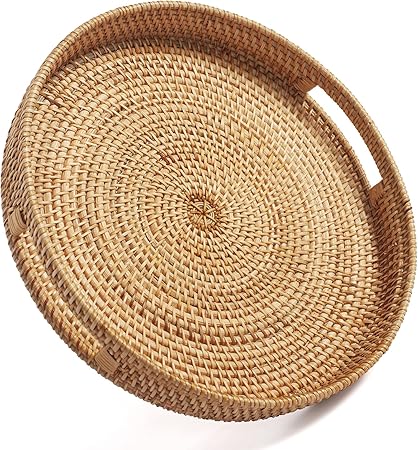
Your coffee table should make a statement through its material presence. A chunky wooden table with visible grain and distressed finish provides both function and rustic beauty. Alternatively, consider a painted table in soft blue-gray or cream that contrasts gently with darker flooring. Style the coffee table with ceramic vessels, stacked vintage books with worn spines, and perhaps a wooden tray corralling candles.

- Hang a large vintage mirror above your mantel or sofa to reflect light and create visual expansion
- Layer a vintage or vintage-style rug over wood or stone flooring for warmth underfoot
- Display ceramic pitchers and bowls on open shelving or mantels, filled with seasonal branches or flowers
- Add linen throw pillows in muted colors—sage green, soft blue, warm cream—mixing solid colors with subtle patterns
- Include wrought iron candlesticks in varying heights on your coffee table or mantel
- Drape a lightweight linen or cotton throw over the sofa arm for texture and cozy invitation
- Choose a chandelier or pendant light with iron construction and candle-style bulbs for overhead lighting
Kitchen and Dining: The Heart of the Home
French culture celebrates gathering around tables laden with good food and wine. Your kitchen and dining spaces should reflect this emphasis on conviviality and rustic elegance. These rooms benefit from mixing practical work surfaces with decorative elements that honor French culinary traditions.
If space allows, make your dining table the focal point—a substantial farmhouse table in natural wood that accommodates family and friends comfortably. Surround it with a mix of seating: perhaps ladder-back chairs with rush seats along the sides and upholstered chairs at the heads. This collected approach feels authentically French, as if the pieces were gathered over generations rather than purchased as a matching set.
Open shelving brings both function and beauty to French country kitchens. Display collections of white ceramics, earthenware bowls, and vintage glassware on wooden shelves. The exposed storage keeps everyday items accessible while creating attractive displays. Intermix practical pieces with purely decorative items like ceramic pitchers or small potted herbs.

Table Settings
Set your dining table with simple white or cream ceramics that let food shine. Add linen napkins in soft colors, tied loosely with twine or displayed in simple folds. A low centerpiece—perhaps a wooden bowl filled with fruit or a ceramic pitcher of fresh flowers—allows conversation to flow across the table. Candlesticks in varying heights bring romance for evening meals.

Storage Display
Replace upper cabinets with open wooden shelving to showcase beautiful dishware and glassware. Arrange items by color and type—white plates together, glassware grouped, ceramic bowls stacked—for visual cohesion. Include decorative elements like small potted herbs, vintage tins, or ceramic canisters between functional pieces to create a curated, lived-in appeal.

Kitchen Accents
Choose functional items that double as décor: a marble mortar and pestle, wooden cutting boards displayed standing upright, ceramic canisters for flour and sugar, and linen tea towels hanging from brass hooks. A pot rack—whether hanging or wall-mounted wrought iron—keeps cookware accessible while adding rustic character.
Bedroom: A Serene Sanctuary
Bedrooms decorated in rustic French style become peaceful retreats from daily demands. This intimate space calls for soft colors, comfortable textiles, and furniture that feels both substantial and romantic. The goal is to create an environment that invites rest and rejuvenation.
Your bed should command attention as the room’s focal point. Consider an upholstered headboard in natural linen or a carved wooden bed frame in weathered white or soft gray. Layer bedding generously: start with crisp white or cream sheets, add a linen duvet cover, include decorative pillows in muted colors, and finish with a lightweight quilt or throw at the foot of the bed. The slightly rumpled, well-slept-in look feels more authentically French than overly styled hotel precision.
- Flank your bed with nightstands in weathered wood or painted finishes, ideally with drawers for practical storage
- Hang linen curtains at windows for privacy while filtering natural light softly
- Position a vintage mirror—perhaps leaning against a wall—to reflect light and create spaciousness
- Add a small chandelier or pendant light for romantic ambient lighting
- Include table lamps with ceramic bases on nightstands for reading
- Place a comfortable chair in the corner with a small side table for a reading nook
- Display ceramic vessels with fresh or dried flowers on dressers or nightstands
- Hang a vintage quilt on the wall as textile art

Bathroom: Provincial Spa Retreat
Even utilitarian bathrooms can embrace rustic French charm through thoughtful accent choices. The key is balancing modern functionality with vintage-inspired aesthetics that create spa-like serenity.
If renovating, consider a pedestal sink or a wooden vanity with a vessel sink on top—both nod to vintage European design. A large vintage mirror above the sink provides necessary function while creating visual impact. Store towels in an open wooden cabinet or on wall-mounted shelves where their colors and textures become part of the décor. Choose bath linens in natural tones—white, cream, soft gray—and display them rolled in baskets or stacked on shelves.
Small Bathroom Tip: Even modest bathrooms can embrace French country style through small accents. Swap plastic containers for ceramic soap dishes and toothbrush holders. Replace modern towel bars with vintage-style hooks. Add a small ceramic pitcher filled with lavender or eucalyptus. Hang a framed vintage botanical print. These simple changes create a French ambiance without requiring renovation.
Transform Your Space with Our Complete Collection
Browse our curated rustic French accents for every room in your home. From furniture and lighting to textiles and decorative accessories, discover pieces that bring authentic provincial charm and timeless elegance to your living spaces.
DIY Projects and Sourcing Tips
Creating a rustic French aesthetic doesn’t require purchasing only expensive antiques or designer reproductions. Part of this style’s charm comes from mixing treasured finds, DIY projects, and carefully selected new pieces. This approach not only saves money but also ensures your home reflects your personal story rather than looking like a showroom.
Smart Sourcing Strategies
Finding authentic rustic French accents or high-quality reproductions requires knowing where to look and what signs indicate quality pieces worth investing in. Developing your eye for materials, construction, and authentic finishes helps you make confident purchasing decisions.
Where to Find Pieces
- Antique Markets and Flea Markets: These venues offer authentic vintage pieces with genuine patina. Visit regularly as inventory changes constantly. Arrive early for the best selection. Don’t hesitate to negotiate prices respectfully.
- Estate Sales: Entire households being sold often include furniture and accents that work beautifully in French country interiors. Estate sales typically offer better prices than antique shops since the goal is to clear the home.
- Online Marketplaces: Sites specializing in vintage and antique furniture provide access to pieces nationwide. Read descriptions carefully and ask sellers detailed questions about condition and measurements before purchasing.
- Specialty Retailers: Stores focusing on French country and European antiques curate collections and often guarantee authenticity and quality. While prices run higher, you’re paying for expertise and assurance.
- Architectural Salvage: Reclaimed wood beams, vintage doors, old window frames, and wrought iron pieces from demolition work beautifully as rustic French accents.

What to Look for in Quality Pieces
Whether shopping for antiques or reproductions, certain quality indicators help ensure you’re investing in pieces that will serve you well for years. Understanding these details prevents costly mistakes and helps you spot true value.
Furniture Construction
Examine joinery—quality pieces use dovetail joints, mortise and tenon construction, or wooden pegs rather than just nails or staples. Solid wood weighs more and feels more substantial than particle board or veneer. Check that drawers slide smoothly and doors hang properly. Minor repairs are acceptable if the piece is otherwise sound; avoid furniture with structural damage.
Authentic Finishes
Distressed finishes should look naturally worn rather than artificially created. Look for paint wear in logical places—edges, corners, areas that hands would touch frequently. Wood grain should be visible where paint has worn through. Avoid pieces with overly uniform “distressing” that appears stamped on. Natural patina develops slowly and irregularly over decades.
Material Quality
For textiles, natural fibers like linen, cotton, and wool far surpass synthetics in both appearance and durability. Ceramics should feel substantial—lightweight pieces often indicate lower quality. Hand-thrown pottery shows slight irregularities that add charm. Wrought iron should feel heavy and solid, with visible hammer marks or slight irregularities indicating hand-forging.
Simple DIY Projects
Many rustic French accents are surprisingly simple to create yourself, even without advanced crafting skills. These projects let you customize pieces to your exact color preferences and create one-of-a-kind items that add personal meaning to your décor.

Distressed Picture Frames
Transform plain wooden frames into rustic French accents with paint and sandpaper. This simple technique works for frames, small furniture pieces, or wooden accessories.
Materials needed: Plain wooden frame, chalk paint or latex paint in cream or soft gray, sandpaper (120-grit), clear wax or polyurethane (optional).
- Clean the frame and let it dry completely
- Apply two coats of paint, letting each coat dry thoroughly
- Use sandpaper to gently remove paint along edges, corners, and raised details where natural wear would occur
- Wipe away dust with a damp cloth
- Optional: Apply clear wax or polyurethane for protection
Time: 2-3 hours (including drying time)

Lavender Sachets
Create fragrant sachets for drawers, closets, or decorative display. This no-sew or simple-sew project brings the scent of Provence into your home.
Materials needed: Natural linen or muslin fabric (5×7 inch pieces), dried lavender buds, twine or ribbon, fabric scissors.
- Cut fabric into 5×7 inch rectangles (makes 3×4 inch finished sachets)
- If sewing: fold the fabric in half with right sides together, sew the two sides, and turn it inside out. If no-sew: simply fold the fabric in half
- Fill with 2-3 tablespoons of dried lavender
- Tie closed with twine or ribbon
- Trim excess fabric if desired for a neater appearance
Time: 30 minutes (makes multiple sachets)

Painted Terra-Cotta Pots
Elevate basic terra-cotta pots with French country colors and distressed finishes. Perfect for herbs, flowers, or as decorative vessels.
Materials needed: Terra-cotta pots (various sizes), chalk paint in French country colors, sandpaper, and clear sealer.
- Clean pots and let them dry completely
- Apply two coats of chalk paint, drying between coats
- Once fully dry, lightly sand edges for a worn appearance
- Apply a clear sealer to protect the paint (especially important for outdoor use)
- Plant with herbs or flowers, or use as decorative vessels for utensils or dried flowers
Time: 2 hours (including drying)
Mixing Old and New Successfully
The most authentic-looking rustic French interiors thoughtfully combine genuine antiques, quality reproductions, and new pieces. This mixing prevents spaces from feeling like museum displays while allowing you to work within your budget. The key is maintaining consistent color palettes, materials, and levels of finish across all pieces.
Pro Mixing Tip: When combining antique and reproduction pieces, place them in different sight lines rather than directly next to each other. An authentic antique armoire anchoring one wall and a reproduction side table across the room creates visual balance without inviting direct comparison. The consistent color palette and shared materials tie them together harmoniously.
Where to Invest in Quality
Certain pieces deserve higher investment because they anchor rooms and receive daily use. Focus your budget on these key items while economizing on smaller accents.
- Dining tables: A solid wood table will last generations with proper care
- Upholstered seating: Quality sofas and chairs provide comfort for years
- Bedroom furniture: Beds, dressers, and nightstands see daily use
- Lighting fixtures: Chandeliers and quality lamps make a dramatic visual impact
Where to Save Money
Many accents and accessories work beautifully at lower price points, especially when you’re willing to DIY or shop secondhand.
- Decorative accessories: Ceramic vessels, picture frames, candles
- Textiles: Curtains, throw pillows, table linens (can be updated seasonally)
- Small furniture: Side tables, plant stands, decorative stools
- Wall décor: Mirrors, artwork, shelving (abundant at thrift stores)
Download Your Free French Country Style Guide
Get our comprehensive 20-page PDF guide with room-by-room decorating tips, shopping checklists, color palette suggestions, and exclusive access to our monthly French country inspiration newsletter. Your NameEmail AddressWhich room are you decorating first? Select a room: Living Room, Bedroom,m Kitchen, Dining Room, Bathroom, Multiple Rooms.s Download Free Style Guide
We respect your privacy. Unsubscribe anytime. No spam, ever.
Bringing It All Together
Rustic French accents offer a timeless pathway to creating homes that feel both elegant and genuinely lived-in. This enduring style succeeds because it honors authenticity over perfection, embraces natural materials that age gracefully, and celebrates the beauty of imperfection. Unlike trendy designs that date quickly, rustic French interiors grow more beautiful with time as pieces develop patina and layers of personal history.
The beauty of this approach lies in its accessibility. You don’t need unlimited budgets or access to European antique markets to create authentic rustic French charm. Start with one or two key pieces—perhaps a substantial farmhouse table or a weathered armoire—and build your collection gradually. Mix treasured finds from flea markets with quality reproductions and DIY projects. Layer natural linen textiles in soft, neutral colors. Add ceramic vessels filled with fresh or dried flowers. Incorporate wrought iron candlesticks and vintage mirrors that reflect light and create depth.
Remember that rustic French style celebrates collected-over-time appeal rather than instant perfection. Your home should evolve organically as you discover pieces that speak to you and fit your life. The slight mismatches in wood tones, the varied chair styles around your dining table, the mix of vintage and new—these “imperfections” create the authenticity that makes French country interiors so compelling.
As you embark on incorporating rustic French accents into your home, trust your instincts. Choose pieces in materials that feel good to touch—real wood, natural linen, hand-thrown ceramics. Select colors that soothe rather than stimulate. Favor items with visible history and character over pristine perfection. Most importantly, create spaces that invite you to slow down, gather with loved ones, and appreciate life’s simple pleasures. That, after all, is the true heart of French country living.
Your journey toward rustic French elegance begins with a single piece. Whether it’s a weathered wooden bowl, a set of linen curtains, or a vintage mirror with a beautifully aged frame, that first accent will set your transformation in motion. From there, each thoughtful addition builds upon the last, creating rooms that tell your story while honoring centuries of French provincial tradition. Welcome home to rustic French beauty.

Ready to Create Your Rustic French Retreat?
Browse our curated rustic French accents for every room in your home. From furniture and lighting to textiles and decorative accessories, discover pieces that bring authentic provincial charm and timeless elegance to your living spaces.







Discover more from Cozy Corner
Subscribe to get the latest posts sent to your email.