We earn a commission if you make a purchase, at no additional cost to you.
It’s 6 PM on a weekday. You’re exhausted after work, your stomach is growling, and the dreaded question looms: “What’s for dinner?” You open the fridge, stare at random ingredients, and feel that familiar wave of decision fatigue wash over you. Sound familiar? The daily struggle of figuring out what to eat doesn’t just waste time—it drains your mental energy and often leads to less healthy choices. But there’s a better way. Mastering meal planning is the key to saving precious time, reducing food waste, and consistently eating nutritious, satisfying meals.

Why Meal Planning Matters
Before diving into the how, let’s talk about why meal planning deserves a place in your weekly routine. The benefits extend far beyond just knowing what’s for dinner.
Save Time
When you plan meals in advance, you eliminate the daily time-consuming debate about what to eat. A single 30-minute planning session can save hours of decision-making throughout your week. Plus, strategic cooking (like batch preparation) means less time in the kitchen overall.
Save Money
Meal planning significantly reduces food waste by ensuring you buy only what you need and will actually use. It also limits impulse purchases and unnecessary takeout orders when you’re too tired to think about cooking. Many people report saving 20-30% on their grocery bills after implementing consistent meal planning.
Eat Better
When hunger strikes and you have no plan, convenience often wins over nutrition. Meal planning allows you to incorporate balanced, nutritious options into your week thoughtfully. You’ll make food choices based on your health goals rather than momentary cravings or exhaustion.

Getting Started: The Meal Planning Process
Meal planning doesn’t have to be complicated. Even the simplest approach can yield significant benefits. Let’s break it down into manageable steps that anyone can follow, regardless of cooking experience or schedule constraints.
Step 1: Assess Your Week
Start by looking at your upcoming schedule. Which nights will you be home late? Do you have any social plans that include meals? Are there particularly busy days when you’ll need quick options? Understanding your week’s rhythm helps create a realistic plan you can actually follow.

Taking a few minutes to review your schedule is the foundation of effective meal planning
Step 2: Take Inventory
Before creating a shopping list, check what you already have. Look through your refrigerator, freezer, and pantry. This prevents buying duplicates and helps you build meals around ingredients that need to be used soon, reducing food waste. Keep a running list of staples that need replenishing.
Step 3: Plan Your Meals
Now for the core planning. Decide which meals you’ll prepare for the coming week. You don’t need to plan every single meal—start with dinners, then add other meals as you get comfortable with the process. Consider these strategies to make planning easier:
- Theme nights (Meatless Monday, Taco Tuesday) to simplify decision-making
- “Cook once, eat twice” meals that intentionally create leftovers
- Batch cooking components (like grilled chicken or roasted vegetables) that can be used in multiple meals
- Including at least one “emergency” meal using pantry staples for unexpected busy days

Shopping and Preparation: Setting Yourself Up for Success
Create a Strategic Shopping List
Transform your meal plan into an organized shopping list. Group items by store section (produce, dairy, etc.) to shop efficiently. This approach prevents wandering through aisles, which often leads to impulse purchases. Consider using a grocery list app that saves your common items for even faster planning in future weeks.

The Power of Prep Day
Dedicating 1-2 hours to meal preparation after shopping can dramatically reduce weekday cooking time. You don’t need to fully cook every meal—even basic prep makes weeknight cooking much faster. Consider these prep activities:
- Wash and chop vegetables for the week’s meals
- Cook grains like rice or quinoa in larger batches
- Prepare protein sources (grill chicken, cook ground beef, etc.)
- Make sauces, dressings, or marinades
- Portion snacks into grab-and-go containers

Storage Solutions
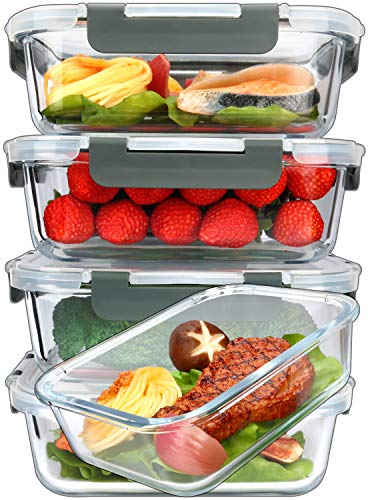
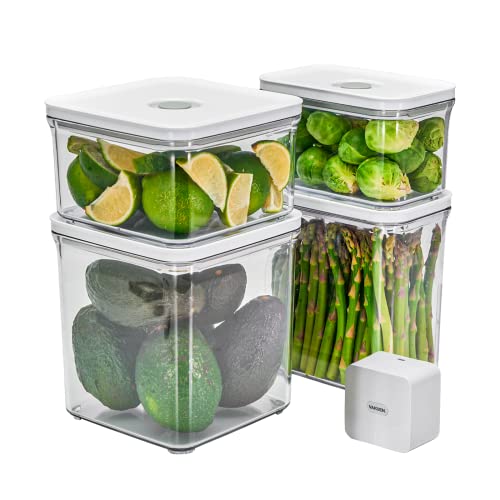
Proper storage extends the life of your prepped ingredients and makes assembly easier. Invest in quality containers that are stackable, leak-proof, and preferably transparent so you can see what’s inside. Label containers with contents and prep date to stay organized.
Meal Planning Strategies That Work
There’s no one-size-fits-all approach to meal planning. The key is finding a system that works with your lifestyle, preferences, and cooking ability. Here are some proven strategies to consider:

The Master Menu Approach
Create a list of 15-20 meals your household enjoys and that you’re comfortable preparing. Rotate through these favorites when planning, occasionally adding new recipes to prevent boredom. This approach reduces decision fatigue while ensuring meals you know will be well-received.
Batch Cooking
Dedicate time to cooking larger quantities of staple items that can be mixed and matched throughout the week. For example, roast a large batch of vegetables, cook a whole chicken, and prepare a pot of beans. These components can be combined in different ways for varied meals with minimal additional cooking.
Theme-Based Planning
Assign themes to different days of the week to create structure while maintaining variety. Examples include Meatless Monday, Taco Tuesday, Pasta Wednesday, Stir-Fry Thursday, Pizza Friday. Themes narrow down your options while still allowing for creativity within each category.
Freezer Meals
When cooking, double recipes and freeze half for future weeks. Build a collection of ready-to-heat meals for especially busy periods. Soups, stews, casseroles, and many pasta dishes freeze exceptionally well and can be lifesavers on hectic days.

Overcoming Common Meal Planning Hurdles
Even with the best intentions, challenges can arise. Here’s how to address common obstacles to successful meal planning:
“I don’t have time to plan meals.”
Start small with just planning 3-4 dinners per week. Use a template to speed up the process, and remember that a 30-minute planning session saves hours of daily decision-making. The time investment pays off significantly.
“I get bored eating the same things.”
Build variety into your plan by trying one new recipe each week. Use different spices, sauces, or preparation methods to transform similar ingredients into distinctly different meals. International cuisines offer endless inspiration.
“My schedule is too unpredictable.”
Plan for flexibility by including 1-2 “pantry meals” using shelf-stable ingredients that won’t spoil. Designate one night as a “leftover remix” or “clean out the fridge” night. Freezer meals provide backup for unexpected schedule changes.
“I’m not confident in my cooking skills.”
Start with simple recipes that require minimal techniques. Utilize time-saving shortcuts like pre-chopped vegetables or rotisserie chicken. Consider sheet pan meals, slow cooker recipes, or simple grain bowls that don’t require complex cooking methods.

Tools and Resources to Simplify Meal Planning
The right tools can make meal planning significantly easier and more enjoyable. Consider these resources to streamline your process:
Planning Tools
- Meal planning templates (printable or digital)
- Magnetic meal planning boards for your refrigerator
- Digital meal planning apps that integrate with grocery lists
- Recipe organization systems (digital or physical)
Kitchen Equipment
- Quality food storage containers in various sizes
- Slow cooker or Instant Pot for hands-off cooking
- Sheet pans for easy roasting of multiple ingredients
- Good knives that make prep work faster and safer
Time-Saving Ingredients
- Pre-washed salad greens and pre-cut vegetables
- Rotisserie chicken or other pre-cooked proteins
- Frozen vegetables and fruits (often more nutritious than old “fresh” produce)
- Quick-cooking grains like couscous or instant brown rice

Getting Started Today
Remember that meal planning is a skill that improves with practice. You don’t need to implement a perfect system immediately. Start small, be flexible, and adjust your approach as you learn what works best for your lifestyle and preferences.
Begin with planning just 3-4 dinners for the upcoming week. Choose simple recipes with ingredients you’re familiar with, and gradually expand your plan as you build confidence.

Your Path to Mastering Meal Planning
Meal planning isn’t about perfection—it’s about creating a system that makes your life easier and your eating habits healthier. The time you invest in planning pays dividends in reduced stress, saved money, and better nutrition. As you practice, you’ll develop a personalized approach that fits seamlessly into your lifestyle.
The key is to start simple and build consistency. Each week gets easier as you refine your process and build your repertoire of go-to meals. Before long, you’ll wonder how you ever managed without a meal plan.
Ready to Transform Your Mealtimes?
Pick a day this week to plan and shop for just your next 3 dinners. Start small, keep it simple, and experience the difference that even basic meal planning can make. You’ve got this!


Discover more from Cozy Corner
Subscribe to get the latest posts sent to your email.