Navigating the world of vegan grocery shopping can feel overwhelming at first. From deciphering food labels to balancing nutrition and budget concerns, there’s a lot to consider. But with some smart strategies, you can fill your cart with plant-based goodness without emptying your wallet. This guide will walk you through practical steps to make informed, budget-friendly vegan purchases that nourish both your body and your values.
Smart Planning Strategies for Vegan Shopping
The foundation of smart vegan grocery shopping starts before you even leave home. With thoughtful planning, you can maximize nutrition while minimizing costs and food waste.
Create a Weekly Meal Plan
Planning your meals for the week is the cornerstone of efficient vegan shopping. Start by choosing 3-4 main recipes that share common ingredients. This approach reduces waste and stretches your budget further. For example, if you’re making a chickpea curry one night, plan to use the remaining chickpeas in a salad or hummus later in the week.
“I save about $40 weekly by planning my vegan meals. I used to buy random ingredients that would often go bad before I could use them.” – Jamie, vegan for 3 years
Build a Vegan Pantry Foundation
A well-stocked pantry makes daily cooking easier and more affordable. Focus on versatile staples that form the backbone of many vegan meals:
Essential Dry Goods
- Legumes: lentils, chickpeas, black beans
- Whole grains: brown rice, quinoa, oats
- Pasta: whole grain and legume-based options
- Nuts and seeds: flaxseeds, chia seeds, walnuts
- Nutritional yeast (for cheesy flavor)
Long-Lasting Produce
- Onions and garlic
- Sweet potatoes and regular potatoes
- Winter squash varieties
- Carrots and other root vegetables
- Frozen fruits and vegetables
Seasonal Produce Planning
Shopping seasonally is both economical and environmentally friendly. Seasonal produce is typically less expensive, more nutritious, and has a smaller carbon footprint than out-of-season options.
| Season | Fruits | Vegetables |
| Spring | Strawberries, apricots, cherries | Asparagus, peas, artichokes, spinach |
| Summer | Berries, peaches, melons, plums | Tomatoes, zucchini, corn, bell peppers |
| Fall | Apples, pears, grapes, figs | Pumpkin, Brussels sprouts, cauliflower |
| Winter | Citrus fruits, kiwi, and persimmons | Kale, cabbage, sweet potatoes, turnips |
Label-Reading Hacks for Vegan Shoppers
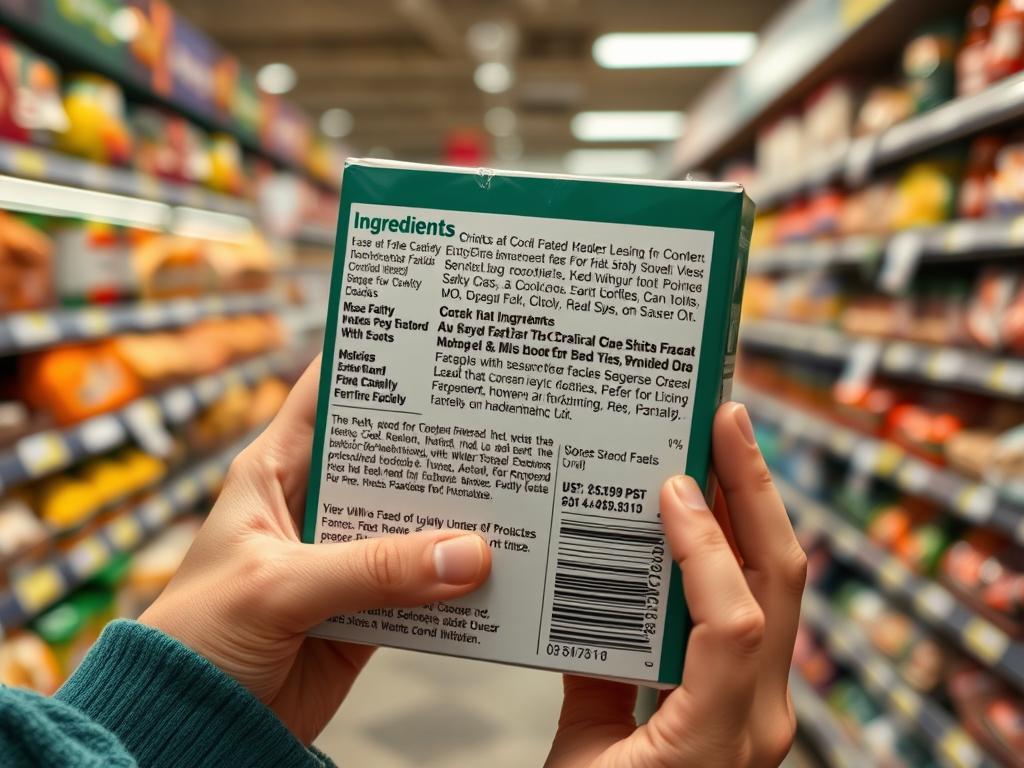
Navigating food labels is a crucial skill for any vegan shopper. Many animal-derived ingredients hide behind unfamiliar names, making careful label reading essential.
Spotting Hidden Animal Ingredients
Food manufacturers often use technical terms for animal-derived ingredients. Here’s a quick guide to some common culprits:
Dairy Derivatives
- Casein, caseinate, and caseinates
- Whey and whey powder
- Lactose and lactalbumin
- Ghee and butter fat
Other Animal Products
- Gelatin (in gummy candies and marshmallows)
- Isinglass (in some alcoholic beverages)
- Carmine/cochineal (red food coloring)
- Shellac (food glaze on some candies)
Quick Tip: When in doubt about an ingredient, use the “Food Scan” feature on your smartphone to quickly search unfamiliar terms while shopping.
Understanding Vegan Certifications
Certifications can simplify your shopping experience by eliminating the need to scrutinize every ingredient list. Look for these trusted symbols:
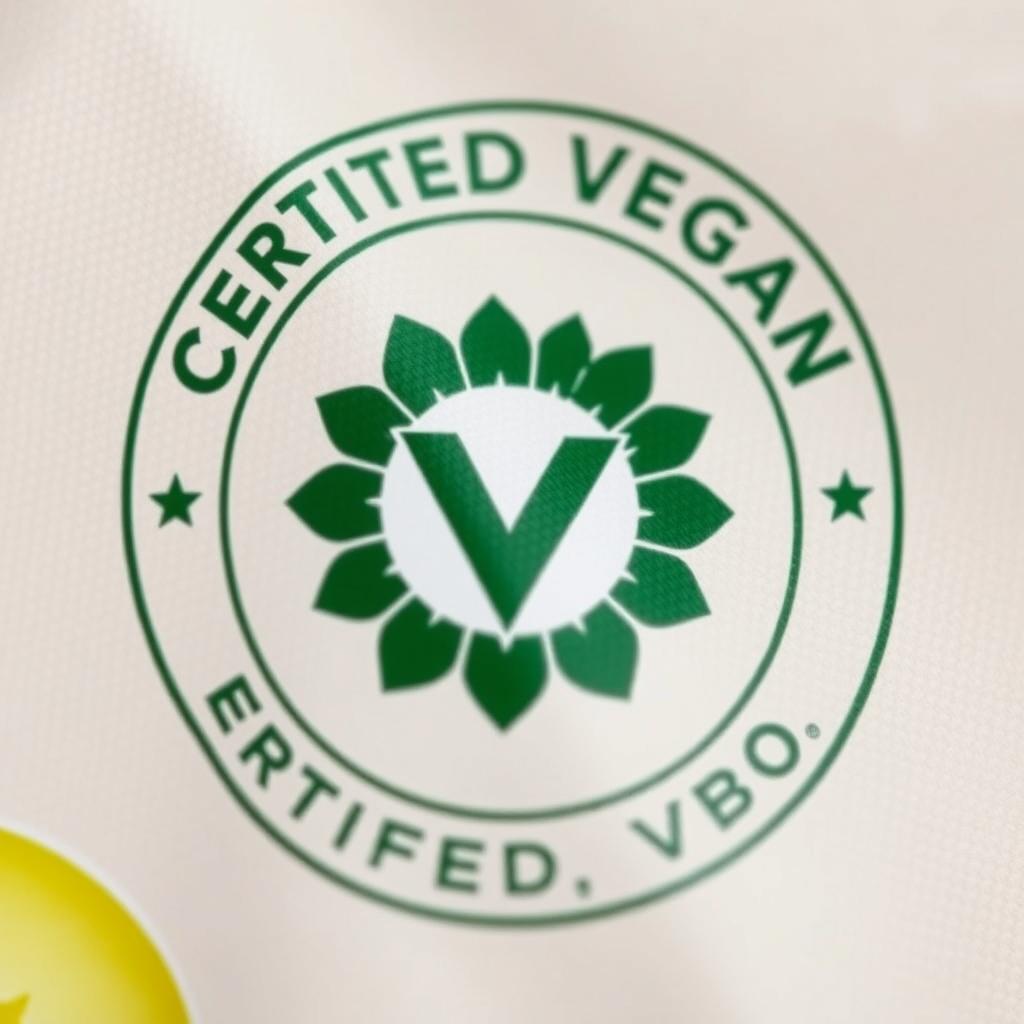
Certified Vegan Logo – Guarantees no animal products or testing

Vegan Society Trademark – Oldest vegan certification worldwide
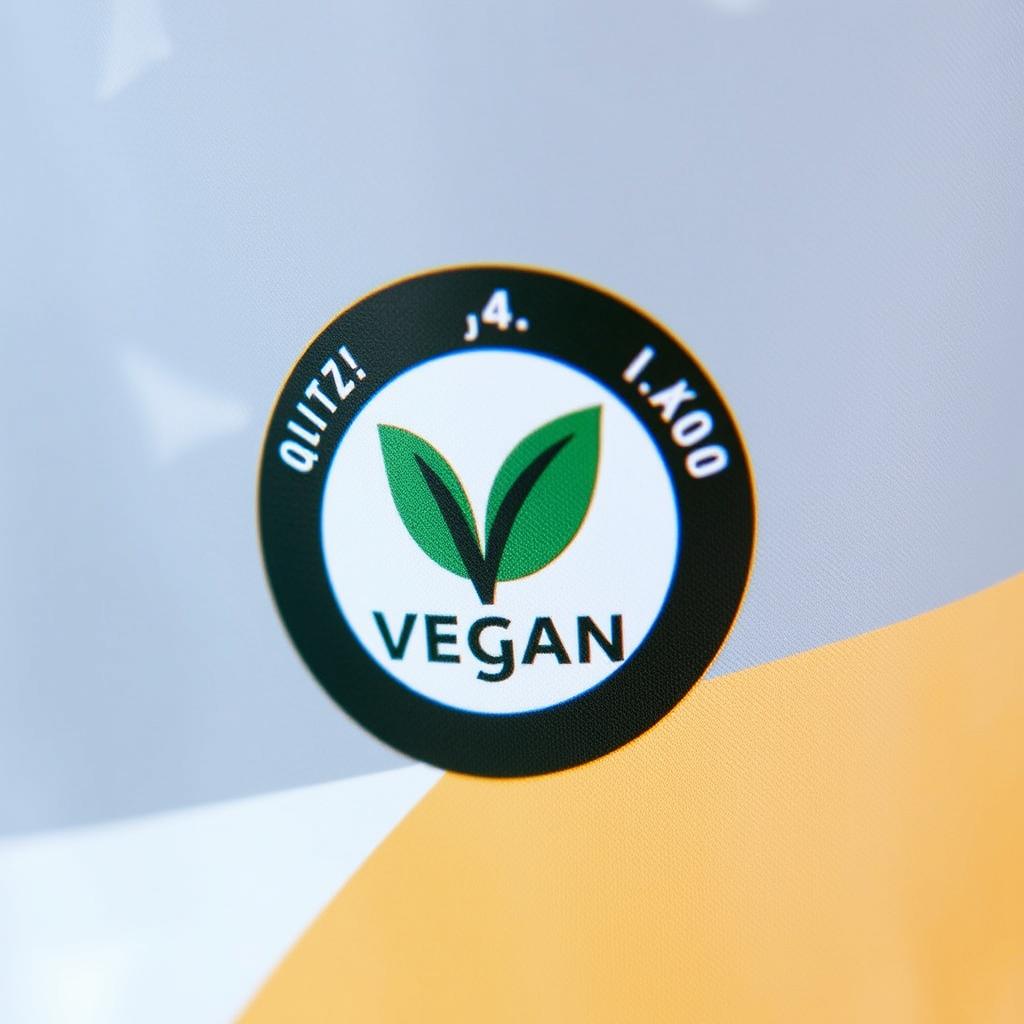
V-Label – Common in European products
When “Vegan” Isn’t on the Label
Many products are “accidentally vegan” without specific labeling. For these items, check for allergen statements like “Contains: milk, eggs,” which manufacturers are required to include. Also, look for “May contain traces of…” which indicates potential cross-contamination but not actual ingredients.
Save Time and Money with Our Vegan Shopping Checklist
Never miss an essential ingredient or waste money on unnecessary items again. Our printable vegan grocery checklist includes pantry staples, seasonal produce guides, and a meal planning template to streamline your shopping experience.
Cost-Saving Methods for Vegan Shoppers

Contrary to popular belief, a vegan diet can be very affordable. With strategic shopping approaches, you can enjoy nutritious plant-based meals while keeping costs down.
Bulk Buying Strategies
Purchasing in bulk is one of the most effective ways to reduce the cost of vegan staples. Dried beans, lentils, rice, and other grains can be 2-3 times cheaper when bought from bulk bins compared to packaged versions.
“I buy chickpeas in bulk for $1.49/pound instead of $1.29 for a 15-oz can. That’s about 70% savings, and I can cook them exactly how I like.” – Miguel, budget-conscious vegan
Consider splitting bulk purchases with friends if storage space is limited. For items with longer shelf lives, calculate the per-unit cost to determine if the bulk option truly offers savings.
Store Comparisons and Price Matching
Different stores offer varying prices on vegan staples. Take time to compare prices across:
- Conventional supermarkets
- Discount grocers (like Aldi or Lidl)
- Farmers’ markets (especially end-of-day deals)
- Ethnic grocery stores (often cheaper for beans, grains, and spices)
- Online retailers (for specialty items)
Many stores will match competitors’ prices if you show them the current advertisement. Some store apps also offer digital coupons specifically for produce and plant-based items.
Avoiding Vegan Marketing Traps
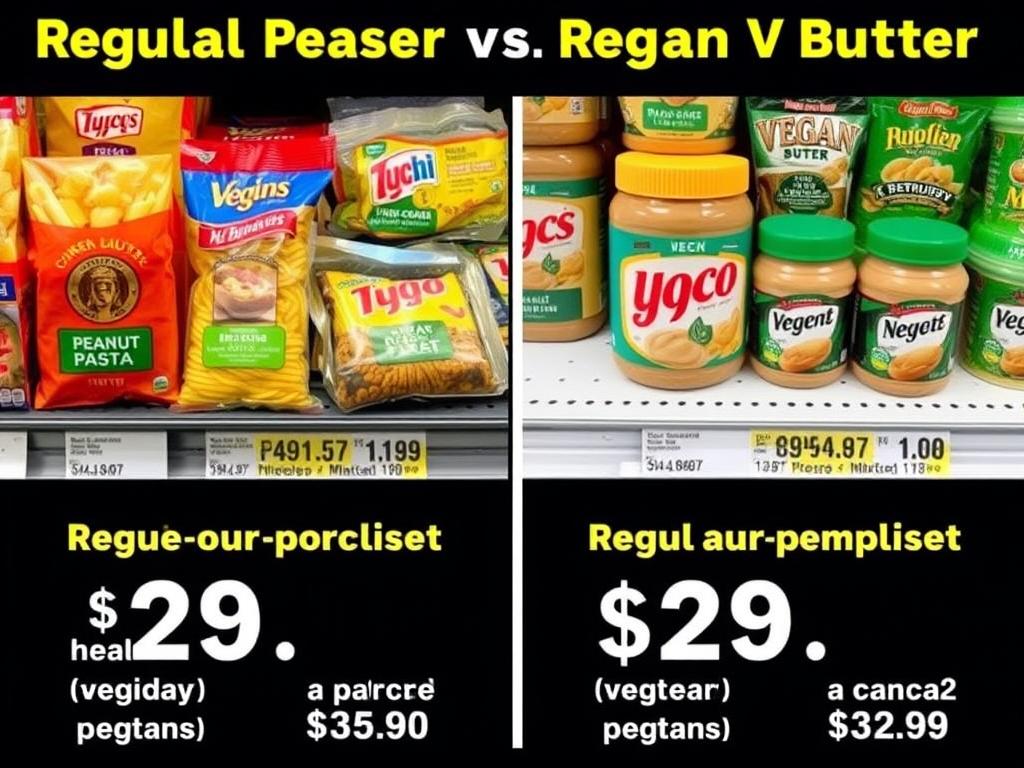
Not all products labeled “vegan” deserve a price premium. Many everyday items are naturally vegan but cost less without the special labeling. For example:
Overpriced Vegan Items
- “Vegan” pasta (regular pasta is usually vegan)
- “Vegan” peanut butter (regular is typically vegan)
- “Vegan” breakfast cereals (many regular options are vegan)
Worth the Premium
- Plant-based meat alternatives (for convenience)
- Specialty vegan cheeses
- Fortified plant milks with added nutrients
Smart Shopper Tip: Check the regular food aisles before heading to specialty vegan sections. Many staples like beans, grains, and produce are naturally vegan and priced lower in conventional aisles.
Ensuring Nutritional Balance in Your Vegan Cart
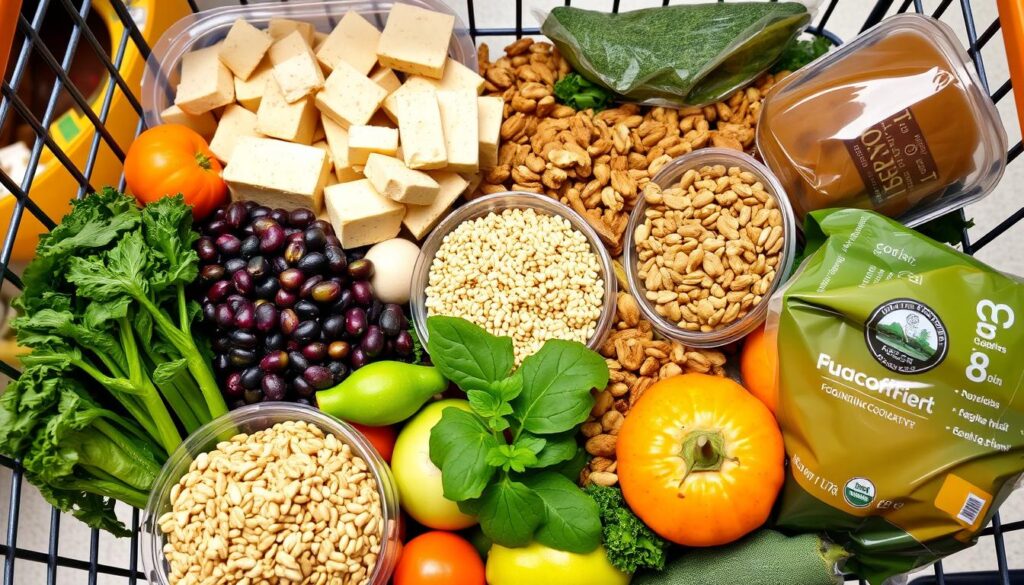
A well-planned vegan diet can meet all your nutritional needs, but it requires attention to certain key nutrients. Here’s how to ensure your grocery cart contains everything your body needs.
Essential Protein Sources
Contrary to common misconceptions, getting adequate protein on a vegan diet is straightforward when you include a variety of plant-based protein sources.
Legumes
- Lentils (18g protein per cup, cooked)
- Chickpeas (15g protein per cup, cooked)
- Black beans (15g protein per cup, cooked)
- Edamame (17g protein per cup)
Soy Products
- Tofu (20g protein per cup)
- Tempeh (31g protein per cup)
- Soy milk (7g protein per cup)
- TVP/soy curls (12g protein per ¼ cup, dry)
Other Protein Sources
- Seitan (25g protein per ½ cup)
- Quinoa (8g protein per cup, cooked)
- Nutritional yeast (8g protein per ¼ cup)
- Hemp seeds (10g protein per 3 tbsp)
Fortified Foods to Include
Some nutrients traditionally obtained from animal products can be found in fortified vegan foods. Look for these options to round out your nutritional intake:
| Nutrient | Fortified Food Sources | Shopping Tips |
| Vitamin B12 | Plant milks, nutritional yeast, breakfast cereals | Check labels for at least 25% DV per serving |
| Vitamin D | Plant milks, orange juice, and some tofu | Compare brands for the highest D2 content |
| Calcium | Plant milks, tofu (made with calcium sulfate), and orange juice | Aim for 30% DV per serving in milks |
| Omega-3s | Algae oil supplements, fortified orange juice | Look for DHA/EPA specifically |
Supplement Recommendations
While a well-planned vegan diet can provide most nutrients, certain supplements are recommended for optimal health:
Essential Supplement: Vitamin B12 is the one supplement most health professionals agree is necessary for vegans, as it’s primarily found in animal products. Look for cyanocobalamin or methylcobalamin forms.
Other supplements to consider based on individual needs:
- Vitamin D3 from lichen (especially important in northern climates)
- Algae-based omega-3 (DHA/EPA)
- Iodine (if you don’t use iodized salt)
- Iron (if blood tests indicate low levels)
Real-world example: Compare almond milk brands for calcium content – some offer only 10% DV while others provide 45% DV per cup for the same price.
Ethical Considerations for the Conscious Vegan Shopper

Veganism extends beyond avoiding animal products to considering the broader impact of our food choices. Here’s how to align your grocery shopping with ethical considerations.
Fair Trade and Worker Conditions
Many vegan staples like chocolate, coffee, bananas, and quinoa come from regions where worker exploitation is common. Look for Fair Trade certification to ensure farmers and workers receive fair compensation.
“I realized my vegan chocolate wasn’t cruelty-free if it involved exploited labor. Switching to Fair Trade brands meant my choices aligned with my values across the board.” – Sophia, ethical vegan
Products commonly associated with labor issues to check for Fair Trade certification:
- Chocolate and cocoa products
- Coffee and tea
- Bananas and tropical fruits
- Quinoa and some other imported grains
- Sugar
Local vs. Imported Considerations

The environmental footprint of food transport can be significant. While local isn’t always better (greenhouse-grown local tomatoes may have a higher carbon footprint than field-grown imported ones), generally:
When to Choose Local
- In-season fruits and vegetables
- Foods that don’t travel well (berries, delicate greens)
- When supporting local farming communities is a priority
When Imported May Be Better
- Foods grown in their natural climate without extra resources
- Fair Trade items supporting ethical production
- Specialty items not grown locally
Packaging Waste Reduction
Minimizing packaging waste is an important aspect of ethical vegan shopping. Consider these strategies:
- Bring your reusable produce bags for fruits and vegetables
- Shop from bulk bins using your own containers (many stores now allow this)
- Choose glass over plastic when possible (and reuse jars)
- Select products with minimal or recyclable packaging
- Support brands using compostable or innovative eco-friendly packaging
Real-world example: A 1-pound bag of lentils typically comes in plastic packaging, while buying the same amount from bulk bins using a reusable bag eliminates packaging waste entirely.
Your Smart Vegan Shopping Checklist
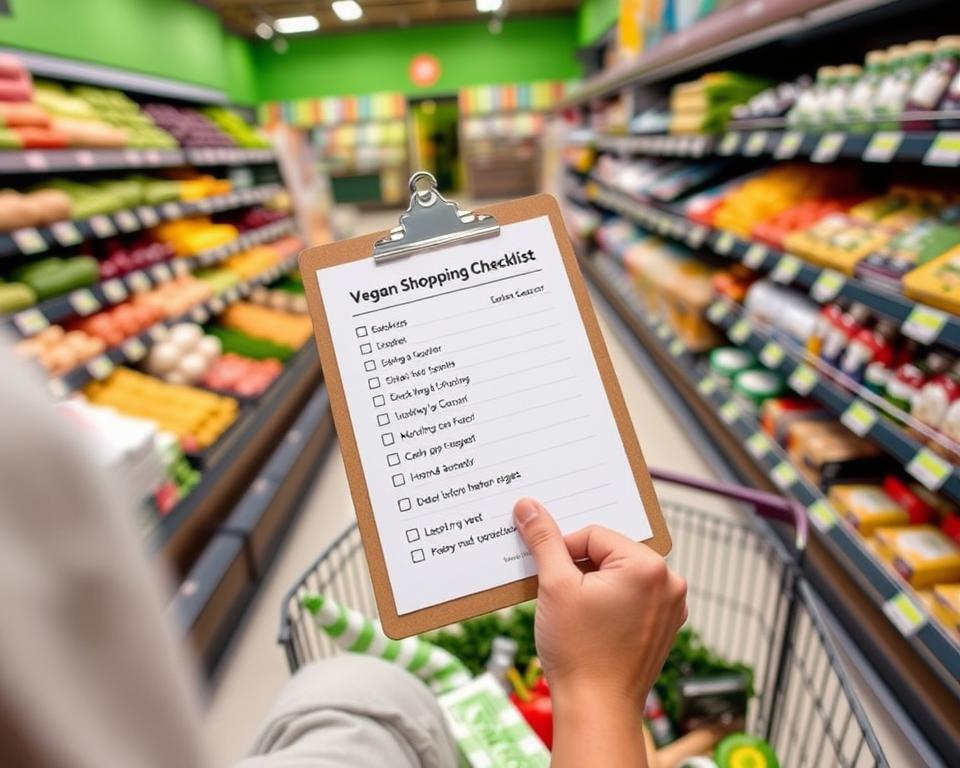
Use this practical checklist to ensure you’re making the smartest vegan grocery purchases possible:
Before Shopping
- Create a weekly meal plan focusing on balanced nutrition
- Inventory your pantry to avoid duplicate purchases
- Check local store flyers for sales on vegan staples
- Bring reusable bags and containers
- Eat before shopping to avoid impulse purchases
During Shopping
- Shop the perimeter first (produce, bulk, bread)
- Compare unit prices rather than package prices
- Check ingredients lists for hidden animal products
- Look for items on clearance that can be frozen
- Question whether “specialty vegan” items are worth the premium
Ready to Streamline Your Vegan Shopping?
Download our complete vegan grocery checklist with customizable sections for pantry staples, weekly fresh items, and meal planning templates.
Making Smart Vegan Purchases: Final Thoughts
Smart vegan grocery shopping is a skill that develops over time. By implementing the strategies in this guide—thoughtful planning, careful label reading, budget consciousness, nutritional awareness, and ethical considerations—you’ll become more efficient and effective with each shopping trip.
Remember that perfection isn’t the goal. Each smart purchase is a step toward a more sustainable, compassionate, and healthy lifestyle. Start with changes that feel manageable, and gradually incorporate more strategies as they become second nature.
The journey to becoming a savvy vegan shopper is both personal and evolving. As you continue to learn and adapt your shopping habits, you’ll discover what works best for your unique needs, preferences, and values, making each trip to the grocery store an opportunity to vote for the kind of world you want to live in.

Grab Your Copy of the Healthy Vegan & Vegetarian Cookbook!
Looking to add more plant-based meals to your lifestyle without sacrificing flavor or satisfaction? My new eBook, “50 Healthy Vegan & Vegetarian Recipes,” is the answer.
Discover more from Cozy Corner
Subscribe to get the latest posts sent to your email.