Growing red peppers in a small backyard is easier than you think! With the right approach, you can enjoy fresh, homegrown peppers full of flavor and nutrition—even in limited space. Red bell peppers are rich in vitamins A and C, antioxidants, and natural sweetness, making them a great addition to salads, stir-fries, and delicious stuffed pepper dishes. Whether you’re a seasoned gardener or a beginner, this guide will help you grow delicious, vibrant red peppers right at home!
1. Choose the Right Pepper Variety
When growing red peppers in a small backyard, selecting the right variety is key. Some excellent options for compact spaces include:
✔ Mini Bell Peppers – Small but packed with flavor.
✔ California Wonder – A classic sweet pepper variety.
✔ Red Beauty – Perfect for container gardening.
✔ Lunchbox Peppers – Bite-sized and great for snacking.
These varieties thrive in containers and raised beds, making them ideal for small gardens.

2. Planting Red Peppers in Small Spaces
To maximize space in your backyard, consider container gardening or raised beds. Use:
✔ 5-gallon containers with drainage holes.
✔ Well-draining, nutrient-rich soil (a mix of compost and potting soil works best).
✔ A sunny location—peppers need 6-8 hours of direct sunlight daily.
Plant seeds indoors 8-10 weeks before the last frost or buy young seedlings for quicker results. Once the weather warms up, transplant them outdoors when nighttime temperatures stay above 55°F (13°C).
3. Watering & Feeding Your Peppers
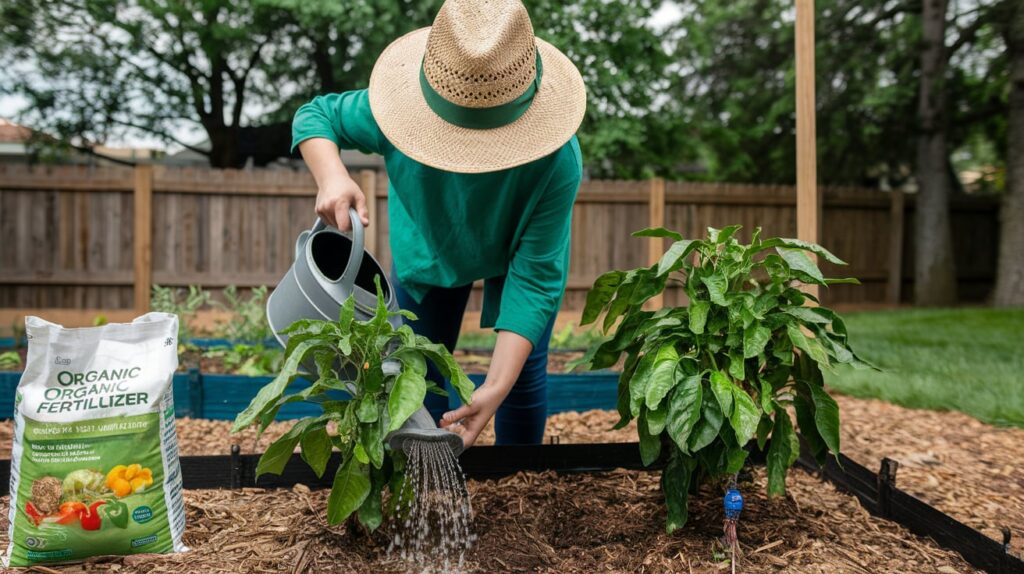
✔ Water consistently – Peppers need about 1-2 inches of water per week. Keep the soil moist but not soggy.
✔ Use mulch – A layer of mulch helps retain moisture and prevents weeds.
✔ Feed them well – Use an organic fertilizer every 2-3 weeks for optimal growth. A balanced fertilizer with nitrogen, phosphorus, and potassium will boost healthy fruit production.
4. Supporting & Pruning for Maximum Yield 🌿
As your red peppers grow, they might need some support to prevent branches from breaking under the weight of heavy peppers. Use small stakes or cages to support the plants.
Prune unhealthy or crowded leaves to improve airflow and encourage larger, healthier peppers. Remove any early flowers to direct energy toward plant growth before fruiting.
5. Harvesting & Ripening Your Peppers
Peppers start green and gradually turn red as they ripen. The longer they stay on the plant, the sweeter and more flavorful they become! Harvest them by cutting the stem with sharp scissors or garden shears to avoid damaging the plant.
If cold weather arrives before all your peppers ripen, bring them indoors to continue ripening at room temperature.

Enjoying Your Homegrown Red Peppers
Once you’ve grown your delicious red peppers, the possibilities in the kitchen are endless! One of the best ways to enjoy them is by making stuffed bell peppers—a hearty, flavorful dish that can be filled with ingredients like ground meat, quinoa, cheese, and seasonings. Their natural sweetness pairs beautifully with savory flavors, making them a favorite for both healthy and indulgent meals. Whether roasted, grilled, or sautéed, homegrown red peppers add vibrant color and taste to any dish!
Final Thoughts
Growing red peppers in a small backyard is rewarding, space-efficient, and fun. With the right setup, care, and a little patience, you can enjoy fresh, organic peppers straight from your garden. Whether you use them in salads, stir-fries, or stuffed pepper recipes, nothing beats the taste of homegrown produce!
Are you growing peppers this season? Share your gardening tips in the comments!
Disclaimer: AI-Generated Content, AI makes this blog and all images
Discover more from Cozy Corner
Subscribe to get the latest posts sent to your email.