A worn crate, empty bottle, or leftover board can become the detail that gives an outdoor space its soul. With a little planning, recycled items can create useful structure, warm garden decor, and a rustic look without the cost of buying new.
This guide shows how to build a welcoming garden from materials you already have or can find locally. You will learn how to plan the space, make planters and beds, add paths, choose plants, and manage soil, compost, and water.

What Successful Recycled Garden Pages Do Well
The ranking pages target people who want ideas they can see and copy. Their primary goal is to inform, not sell a landscape service. Their content likely relies on numbered concepts, strong images, short explanations, and links to related gardening topics.
Birds & Blooms speaks to home gardeners who enjoy practical inspiration. The Middle-Sized Garden appeals to readers who value thrift, sustainability, and thoughtful design. Backyard Boss attracts DIY readers who want to turn ordinary trash into attractive decor.
The common CTA pattern is soft. Readers are encouraged to view more projects, explore related articles, follow the publisher, or click a product reference. These actions suit cold B2C visitors because they require little commitment.
Competitive insight: Your article should give the reader a visible result, a clear materials list, and a next step. A helpful checklist CTA can add conversion value without changing the informational purpose.

Plan the Layout Before You Collect Materials
Start with a quick sketch of the backyard. Mark the house, fence, shade, sunny areas, hose connection, and places where rain collects. Then decide what the space must do. A garden can grow food, frame a seating area, screen a view, or simply make the yard more inviting.
Keep the main path wide enough for a wheelbarrow. Place tall beds toward the back and low plants near the edge. Leave space around each plant for air movement and future growth. A simple layout makes even mixed recycled materials look intentional.
Shop
We earn a commission if you make a purchase, at no additional cost to you.


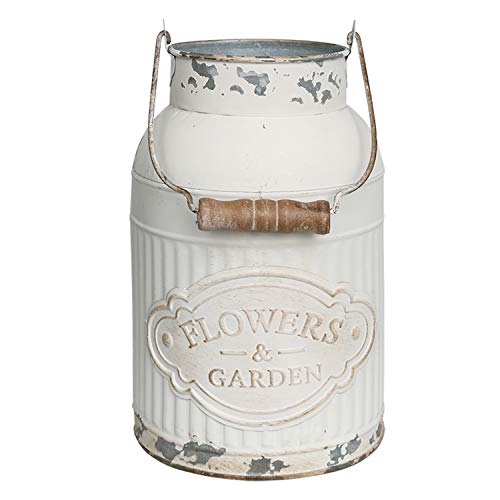


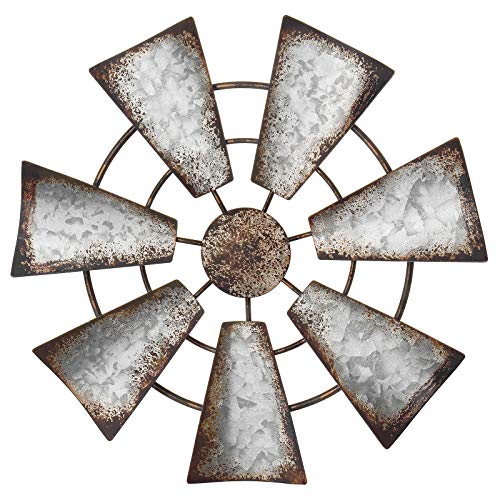

- Choose one main focal point, such as a bench, arch, or large planter.
- Repeat two or three materials across the space.
- Group plants by sun, water, and height needs.
- Keep compost and tools near the area where you work most.
Think about movement as well as appearance. A seating corner should face the best view. A kitchen garden should sit near the door. This balance of function and visual appeal is what turns a collection of items into a real outdoor space.

Choose Safe Materials for a Cohesive Rustic Look
Use recycled materials that are clean, stable, and suited to outdoor life. Untreated wood works well for frames and beds. Bricks, stone pieces, and concrete fragments can form paths or edging. Glass bottles add color, while old metal may become a planter, sign, or wind chime.
Avoid wood that smells strongly of chemicals or has visible oil stains. Do not use containers that held pesticides, solvents, or unknown substances. Older painted items may contain lead. When the history of an item is unclear, keep it away from soil and food plants.
Good choices
- Untreated boards and sturdy crates
- Clean bottles and jars
- Terracotta pots and old buckets
- Brick, stone, and weathered metal
Use caution with
- Flaking paint or sharp edges
- Pressure-treated scraps of unknown age
- Containers with chemical residue
- Weak plastic exposed to strong sun

Make Planters From Bottles, Cans, and Containers
Small containers are an easy starting point for a recycled garden. Wash them well, remove sharp labels or edges, and make drainage holes before adding soil. Bottles can hang on a fence, sit in a frame, or become a vertical herb display.
Shop
We earn a commission if you make a purchase, at no additional cost to you.


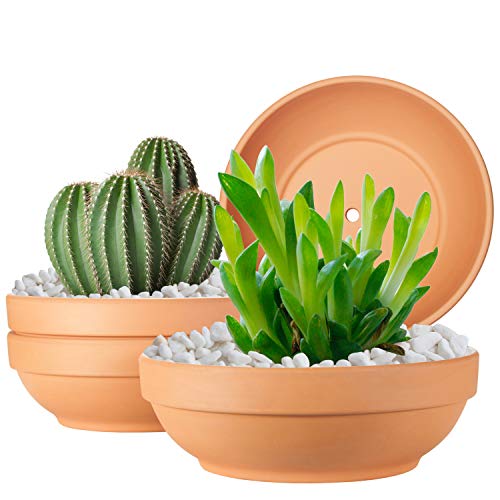

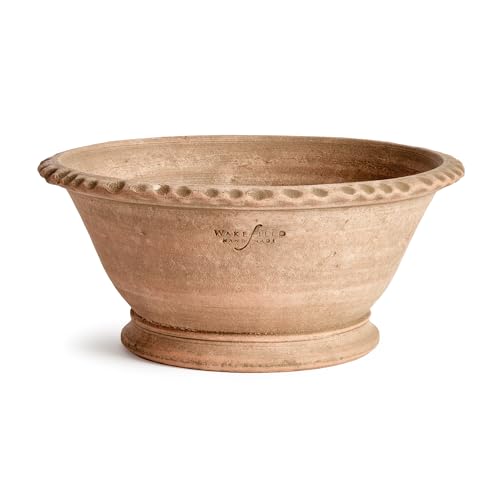

For a bottle planter, cut the side opening rather than removing the entire bottom. Add two or three small holes along the lowest edge. Tie the bottle firmly to a fence with weatherproof cord. Fill it with light soil and choose shallow-rooted plants such as herbs, lettuce, or trailing flowers.
Old cans also make useful planters. Smooth the cut rim with a file, punch drainage holes in the bottom, and paint the outside with an outdoor product if desired. Leave the inside unpainted where possible. Place cans on a shelf or group them in odd numbers for a relaxed look.

Plan Your First Recycled Planter
Use a simple checklist to choose containers, add drainage holes, and match each planter with the right plant.
Build Raised Garden Beds With Reclaimed Wood
Raised garden beds improve access and give the backyard a strong rustic shape. Use straight, solid boards for the sides. Set the wood on firm ground and join the corners with exterior-rated screws. Avoid building beds so wide that you cannot reach the center.
Line the bottom with flattened cardboard if you need to block grass. Overlap the pieces and wet them before adding soil. Fill the bed with mature compost mixed with quality topsoil. Do not fill it with compost alone because it can settle too much or hold excess water.
- Measure and mark the bed location.
- Remove large weeds and level the ground.
- Join reclaimed boards into a strong frame.
- Check each corner and smooth exposed splinters.
- Add cardboard, soil, and finished compost.
- Water slowly and let the bed settle before planting.
Keep a narrow strip between beds for access. If the wood is old or uncertain, use it as an outer border and add a food-safe liner that does not block drainage.

Create Paths and Edging From Reused Pieces
Paths protect soil from foot traffic and make garden care easier. Brick pieces, flat stones, broken concrete, and wood rounds can all work. Set each piece firmly so it does not rock under a foot or wheelbarrow.
For a dry path, remove a few inches of soil, add compacted gravel, and place the largest pieces first. Fill gaps with smaller stones. For wood rounds, select untreated pieces and keep them above constantly wet soil. They will eventually soften, so plan to replace them.
Edging can be simple. Sink glass bottles neck-down along a bed border, or place short reclaimed boards in a straight line. Use one edging method in several areas to create a unified look rather than mixing every available item.

Add Rustic Furniture and Handmade Garden Decor
Reclaimed furniture makes the outdoor space feel like an extension of the home. A solid wooden chair can become a plant stand. An old ladder can hold small planters. A pallet may work as a vertical display if it is clean, stable, and not chemically treated.
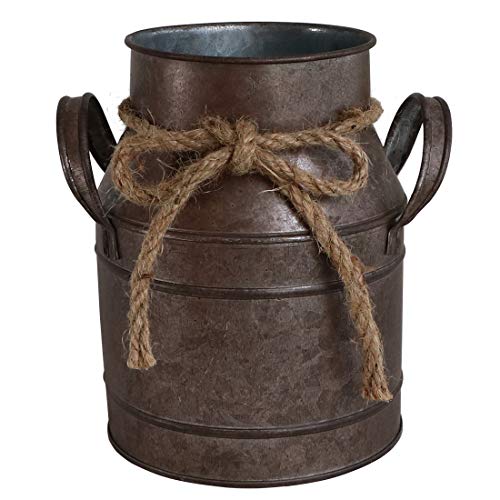
Decor should support the garden rather than compete with it. Choose a limited color palette, such as wood brown, faded blue, and galvanized gray. Repeat the same tones in planters, signs, and seating. This creates a calm, rustic look even when the items differ.
For a wind chime, collect clean metal pieces, old keys, or small shells. Drill only when you have the right bit and eye protection. Hang the finished wind chime where it can move freely but cannot strike a window or walkway.
Shop
We earn a commission if you make a purchase, at no additional cost to you.
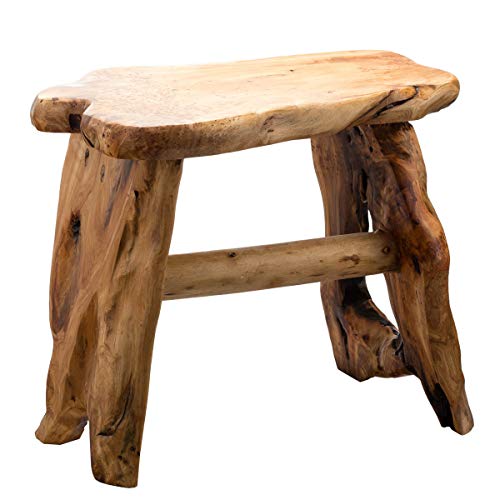


Seating
Use a repaired chair, crate bench, or sturdy stool. Check every joint before use.
Display
Use a ladder, shelf, or crate to lift planters and improve the garden view.
Sound
Make a wind chime from light, smooth pieces that will not create sharp hazards.

Select Low-Maintenance Plants for the Space
Good plant choices depend on your United States region, light, soil, and rainfall. Native plants are often the easiest option because they support local wildlife and fit the climate. Herbs, salad greens, marigolds, coneflowers, lavender, and ornamental grasses can add useful variety.
Place plants with similar needs together. Sun-loving flowers should not share a shaded corner with plants that prefer cool soil. Use trailing plants at the front of beds and taller plants at the back. This makes every layer visible.
- Choose native flowers for pollinators and lower care.
- Use herbs near the kitchen door.
- Grow greens in shallow bottles or small planters.
- Reserve deep beds for root crops and larger plants.
- Leave room for mature width, not only the current size.
Mulch with dry leaves, shredded cardboard, or untreated wood chips. Mulch protects soil, slows evaporation, and reduces weeds. Keep it a few inches away from plant stems to reduce rot.

Save Water With Simple Reused Systems
Water early in the day so plants can absorb moisture before heat increases evaporation. Direct water to the soil instead of spraying leaves. A reused food-safe container with a small hole can become a slow-release reservoir for a large planter.
Always confirm that a container is clean and safe. Do not collect roof runoff for edible plants if the roof contains unsafe coatings or bird waste. A covered barrel connected to a suitable downspout can supply water for ornamental plants when local rules allow it.
Use a layer of mulch and check soil before watering. Push a finger into the top inch or two. If the soil still feels damp, wait. This small habit protects plants and reduces waste.
Watering needs vary by climate and season. Follow local restrictions, protect stored water from mosquitoes, and keep open containers covered.

Turn Kitchen Scraps Into Useful Compost
Compost gives garden soil organic matter and keeps many items out of the trash. A simple bin can be made from a clean wooden crate, wire mesh, or reused pallet boards. Place it on soil in a shaded spot with room to turn the pile.
Balance green materials, such as vegetable scraps and fresh grass, with brown materials, such as dry leaves, torn cardboard, and small untreated wood pieces. Keep the pile damp like a wrung-out sponge. Turn it every few weeks to add air.
- Add fruit and vegetable scraps, coffee grounds, and dry leaves.
- Keep meat, dairy, pet waste, and oily foods out of a small home pile.
- Cover fresh scraps with brown material to reduce smells and flies.
- Use finished compost when it looks dark and earthy.
Place the compost where it is easy to reach but not directly beside seating. A small sign or reused metal label can make the area look deliberate rather than forgotten.

Try Three Small Recycled Garden Ideas First
Small projects build confidence before you reshape the whole backyard. Choose one project that solves a real problem. A vertical bottle display saves floor space. A crate planter lifts herbs to a comfortable height. A brick border keeps mulch in place.

Bottle herb wall
Wash bottles, cut side openings, add drainage holes, and secure them before adding soil. Plant herbs that have similar light needs.

Crate planter
Check the crate for strength, add a breathable liner, create drainage, and fill it with light soil. Set it on bricks to keep the bottom dry.

Brick bed border
Dig a shallow trench, level a gravel base, and set bricks tightly together. Test the edge with a foot before adding mulch.
Get the Recycled Garden Project Guide
Choose a project by time, space, and available materials. The guide helps warm up your plan before you buy or build.
Improve Durability, Safety, and Daily Function
Inspect every item before it enters the garden. Remove nails, staples, splinters, and sharp metal. Sand rough wood and cap exposed screws. Wear gloves, eye protection, and a dust mask when cutting or drilling.
Anchor tall displays so wind cannot move them. Keep heavy planters on level ground. Do not place glass where children play or where a mower can throw stones. Check furniture often, especially after winter or heavy rain.
Drainage is essential. Containers need drainage holes in the bottom, and raised beds need soil that does not stay saturated. If water pools after rain, improve the grade, add organic matter, or move plants that dislike wet roots.
Durability also comes from restraint. Use fewer, stronger items instead of filling the yard with fragile decor. A cohesive recycled garden should feel useful, calm, and easy to maintain.
Never burn painted wood, plastic, or unknown materials. Dispose of treated, contaminated, or damaged items through local waste programs.

Keep the Recycled Garden Cohesive and Easy to Maintain
Step back after placing the large features. Ask whether the eye can move from the doorway to the seating area, beds, and focal point. Repeat shapes or colors to connect separate zones. A line of bottles can echo the curve of a path, while reclaimed wood can repeat in beds and furniture.
Give every item a job. A bottle holds a plant. A crate lifts a planter. A brick controls mulch. When decor has a practical role, the space stays attractive as it ages.
Set a seasonal care routine. Remove broken items, refresh mulch, check drainage, turn compost, and prune plants that block paths. Replace weak pieces before they become hazards. Reuse what you can, and recycle what no longer has a safe purpose.

Start Your Backyard Garden With Recycled Material Today
You do not need a large budget or a perfect collection of items. Begin with one corner, one material, and one useful project. Take a photo, sketch the layout, and gather only clean pieces that can last outdoors.
The most effective next step is small and specific. Use the form below to request a simple project suggestion based on your space and the materials you already have. Name, Email

Build a Rustic Garden One Useful Piece at a Time
A beautiful recycled garden comes from thoughtful choices, not expensive supplies. Plan the layout, protect drainage, select safe materials, and repeat a few colors and textures. Add plants that fit your light and climate, then support them with compost, mulch, and careful water use.
Start this weekend with a crate planter, bottle display, or short brick border. Each small improvement can make the backyard more useful, more personal, and kinder to the environment.
Shop Rustic Garden
We earn a commission if you make a purchase, at no additional cost to you.




Discover more from Cozy Corner
Subscribe to get the latest posts sent to your email.