We earn a commission if you make a purchase, at no additional cost to you.
French gardens capture a timeless elegance that transforms ordinary outdoor spaces into enchanting retreats. These designs blend formal structure with natural beauty, creating landscapes that feel both sophisticated and welcoming. Whether you dream of a Provençal courtyard or a grand estate-inspired space, French garden design offers endless inspiration.
The charm of a French-inspired backyard lies in its careful balance. Structured elements like trimmed hedges and geometric pathways meet flowing blooms and lush greenery. This combination creates visual harmony that delights the senses throughout every season.
From intimate urban courtyards to expansive country estates, these eight enchanting designs showcase the versatility of French garden aesthetics. Each example demonstrates how traditional French elements can adapt to different climates, spaces, and personal styles while maintaining their distinctive character.
Classic Provençal Courtyard Garden

The Provençal courtyard brings the essence of southern France to your backyard. This design emphasizes warm terracotta tones, aromatic herbs, and sun-loving plants that thrive in Mediterranean-style climates. The space becomes an outdoor room perfect for dining and relaxation.
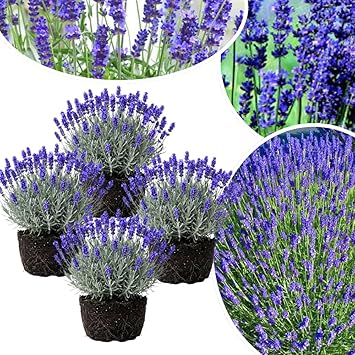
Lavender serves as the signature plant in this garden design. Purple blooms create dramatic borders while releasing their distinctive fragrance on warm summer days. These hardy shrubs require minimal maintenance once established, making them ideal for busy homeowners.

Gravel pathways define the circulation through this courtyard space. The crunching sound underfoot adds sensory appeal while the neutral tones complement colorful plantings. Gravel also provides excellent drainage and keeps maintenance requirements low.
Essential Elements for Provençal Style
Stone walls create the foundation of authentic Provençal design. Whether original masonry or newly constructed, these vertical elements provide privacy while supporting climbing plants. Weathered limestone or sandstone delivers the most traditional appearance.
Outdoor furniture in this space should feature natural materials. Wrought iron tables paired with rush-seat chairs evoke classic French café culture. Add weathered wooden benches beneath shaded areas for additional seating that develops character over time.

Plant Selection for Mediterranean Climate
Herbs play a dual role in Provençal gardens. Rosemary, thyme, and sage provide culinary value while their silvery foliage creates textural contrast. These drought-tolerant plants thrive in sunny locations with well-drained soil.
Olive trees anchor the space with their twisted trunks and silvery leaves. These traditional French garden trees offer year-round interest and develop more character as they mature. Container-grown specimens work well for smaller spaces or colder climates where winter protection is needed.
Climbing roses soften hard architectural elements. Train these romantic blooms over walls, arbors, or pergolas to add vertical interest and fragrance. Choose disease-resistant varieties in soft pinks, whites, or apricot tones for authentic French appeal.
Formal Versailles-Inspired Parterre Garden

Versailles-style gardens represent the pinnacle of formal French landscape design. These spaces feature precise geometric patterns created with carefully trimmed boxwood hedges. The symmetrical layout reflects the classical French principle that gardens should demonstrate mastery over nature.
Boxwood hedges form the backbone of parterre design. These evergreen shrubs maintain their structure year-round and tolerate frequent trimming. The low borders create intricate patterns that look stunning from elevated viewpoints like second-story windows.

Creating Symmetrical Layouts
Central axes define traditional French garden design. Create a strong visual line from your home’s entrance through the garden space. This pathway becomes the organizational spine around which all other elements arrange themselves symmetrically.
Focal points anchor each garden section. Stone urns, statuary, or fountains provide visual destinations that draw the eye through the landscape. Position these elements at pathway intersections or terminal points for maximum impact.
Repetition strengthens the formal aesthetic. Use matching planters, identical topiary specimens, or repeated plant groupings on both sides of the central axis. This mirrored arrangement creates the hallmark symmetry of French garden style.

Maintenance Requirements
Regular trimming keeps boxwood hedges crisp and defined—plan for shaping sessions every six to eight weeks during the growing season. Sharp hedge shears or electric trimmers make this task manageable, even for elaborate patterns.
Seasonal plantings add color to formal green spaces. Traditional French gardens fill parterre sections with spring bulbs or summer annuals. Choose flowers in limited color palettes—often just two or three complementary shades—to maintain sophisticated restraint.
Gravel infill between hedges requires periodic refreshing. Rake paths smooth and add new material as needed to maintain depth and coverage. This maintenance keeps the garden looking pristine while suppressing weeds.
Romantic Rose Garden Retreat

Rose gardens epitomize the French romantic garden style. These spaces celebrate the queen of flowers with thoughtful displays that highlight different rose varieties, colors, and growth habits. The result is a fragrant sanctuary that blooms from late spring through autumn.

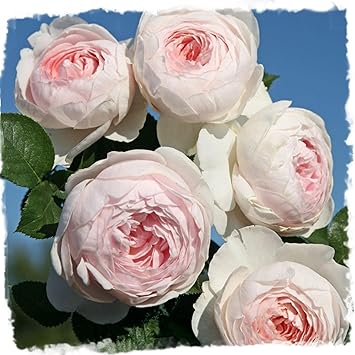
Climbing roses create vertical drama throughout the space. Train these vigorous plants over arches, pergolas, or garden walls to maximize blooming surface area. Popular French varieties include ‘Pierre de Ronsard’ with its quartered pink blooms and ‘Madame Alfred Carrière’ with fragrant white flowers.

Layered Planting Design
A layered look maximizes visual interest in rose gardens. Position tall climbing varieties at the rear, shrub roses in the middle ground, and low-growing companion plants along borders. This arrangement creates depth while ensuring all plants receive adequate light.
Companion plants enhance rose displays. Lavender, catmint, and sage provide purple and blue tones that complement rose colors beautifully. These perennials also attract beneficial insects, while their aromatic foliage may help deter pests.
Repeat bloomers extend the flowering season. Modern French rose varieties often bloom continuously from June until the first frost. Mix these with once-blooming heritage roses to enjoy both extended color and the intense fragrance of old garden roses.

Supporting Structures and Hardscape
Trellises and obelisks provide essential support for climbing roses. Choose structures in materials that weather gracefully—wrought iron, painted wood, or natural cedar. Position these vertical elements to create rooms within the garden or frame specific views.
Pathways invite exploration through rose plantings. Use crushed limestone, decomposed granite, or traditional gravel to create permeable surfaces that complement the romantic aesthetic. Wider paths accommodate strolling while narrower routes add intimacy.
Seating areas become destinations within rose gardens. Place a weathered stone bench or wrought iron loveseat in a spot with afternoon shade. Surround this retreat with particularly fragrant varieties to create a multisensory experience.
Mediterranean Pool Garden with French Flair

French Riviera-style pool gardens blend aquatic leisure with sophisticated landscaping. These designs emphasize clean lines, drought-tolerant plants, and materials that withstand pool chemicals and splashing water. The result is a resort-quality outdoor space perfect for summer entertainment.
Lavender borders define pool edges with color and fragrance. These Mediterranean natives tolerate heat, resist deer, and require minimal water once established. Their silvery foliage and purple blooms create a stunning contrast against the blue pool water.

Plant Selection for Pool Areas
Columnar cypress trees add vertical drama without dropping debris. Italian cypress or ‘Skyrocket’ juniper provides Mediterranean character, while their narrow profiles work well in confined spaces. These evergreens frame views and create privacy without overwhelming pool areas.
Ornamental grasses offer movement near water features. Silver-leaved varieties like blue fescue or Mexican feather grass complement the coastal aesthetic. These plants tolerate reflected heat from pool decks while requiring little maintenance.
Potted citrus trees in large planters enhance the French Riviera atmosphere. Lemon, lime, or kumquat trees thrive in containers and can winter indoors in cold climates. Their glossy leaves and fragrant blooms add authentic Mediterranean charm.

Hardscape and Furniture Choices
Natural stone pool decking provides slip-resistant surfaces with timeless appeal. Limestone, travertine, or sandstone in pale tones stay cooler underfoot than dark materials. These stones develop attractive patina over time rather than appearing dated.
Outdoor furniture should balance comfort with weather resistance. Teak loungers, aluminum frames with weather-resistant cushions, or resin wicker in neutral tones suit French pool gardens. Add market umbrellas in canvas or acrylic fabrics for essential shade.
Outdoor showers using simple fixtures enhance pool functionality. Install these near changing areas using vintage-style brass or brushed nickel hardware. Surround shower spaces with privacy screens of bamboo or wooden slats for a spa-like atmosphere.

Traditional French Potager Kitchen Garden

The French potager combines vegetable production with ornamental beauty. This kitchen garden style arranges edible plants in attractive geometric patterns that provide visual pleasure along with fresh produce. Flowers mix freely with vegetables, creating a garden that feeds both body and soul.
Raised beds organize different crops within the potager layout. These structures improve drainage, extend the growing season, and reduce bending during maintenance. Build frames from cedar, composite materials, or stone to complement your home’s architecture.

Designing Functional Beauty
Central focal points anchor potager designs. Position a decorative element like a sundial, birdbath, or container fountain at pathway intersections. This traditional French touch transforms a purely functional space into an artistic composition.
Companion planting maximizes space and plant health. Interplant tall vegetables like tomatoes with basil at their base. Edge beds with marigolds or nasturtiums that deter pests while adding cheerful color to the edible landscape.
Succession planting extends harvest seasons. Replace early spring crops like lettuce and radishes with summer beans or autumn kale. This rotation keeps beds productive and visually interesting throughout the growing season.

Traditional Potager Elements
Fruit trees trained as espaliers save space while adding architectural interest. Apple, pear, or fig trees trained flat against walls or freestanding wires provide fruit without shading lower plantings. This centuries-old French technique combines functionality with artistry.
Tool storage integrates into the potager design. A small wooden shed painted in classic French blue-gray or soft sage green stores equipment while contributing to the garden’s aesthetic. Position this structure to anchor a corner or terminus of the garden.
Herb spirals create microclimates for different plant needs. Build a circular raised stone structure that offers Mediterranean herbs like rosemary and thyme the sharp drainage they prefer at the top, while moisture-loving parsley and chives thrive in the base.
French Woodland Shade Garden

Shade gardens capture the mystery of French forest estates. These designs work with existing trees or create the layered look through strategic plantings. The result is a cool, peaceful retreat that thrives in conditions where sun-loving plants struggle.

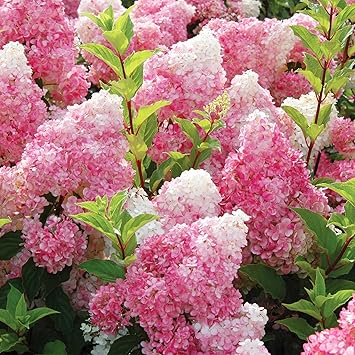
Hydrangeas dominate shade garden plantings with their massive blooms. French varieties like ‘Annabelle’ produce enormous white flower heads, while lacecap types offer delicate beauty. These versatile shrubs provide months of color from summer into autumn.

Creating Depth with Layered Plantings
Canopy trees establish the woodland structure. Existing mature specimens provide instant atmosphere, while new plantings of birch, Japanese maple, or plane trees develop the overhead layer. Choose species with interesting bark or branching for winter interest.
Understory shrubs fill the middle layer between trees and groundcovers. Oakleaf hydrangeas, viburnums, and shade-tolerant camellias create visual interest at eye level. Their varied textures and seasonal changes maintain four-season appeal.
Groundcovers carpet the forest floor with living texture. Hostas, ferns, and hellebores provide foliage interest in varying shades of green. Add spring bulbs like bluebells or wood anemones for early-season color before tree leaves fully emerge.

Pathways and Garden Features
Meandering paths invite exploration through woodland spaces. Unlike formal French gardens, shade designs benefit from curved routes that reveal new vistas gradually. Use natural materials like bark mulch, flagstone, or stabilized decomposed granite.
Moss-covered elements enhance the aged, romantic atmosphere. Allow moss to colonize stone edges, statuary, or tree bases naturally. In dry climates, Irish moss or similar low-growing plants create a similar carpet-like effect.
Water features add movement and sound to shaded retreats. A simple stone basin fountain or naturalistic stream brings life to quiet areas. The sound of trickling water creates an especially peaceful ambiance in woodland settings.
Urban French Courtyard Container Garden

Container gardens bring French style to urban spaces with limited ground area. This approach layers pots of varying sizes, materials, and heights to create lush displays on patios, balconies, or small courtyards. The flexibility of containers allows seasonal changes while maintaining a year-round structure.
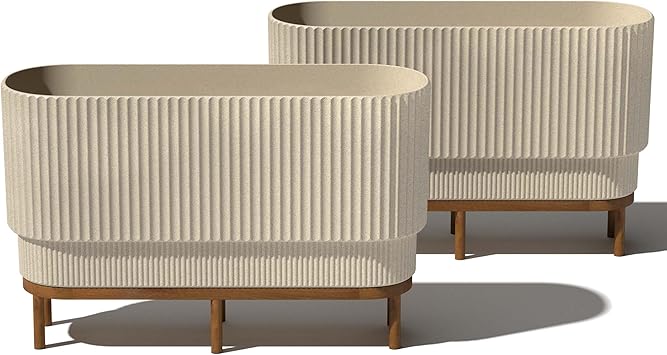
Terracotta planters provide traditional French character. These classic containers age beautifully, developing mineral deposits and moss that enhance rather than detract from their appearance. Choose varied sizes to create visual rhythm and accommodate different plant types.

Designing with Containers

Permanent structure plants anchor container displays year-round. Boxwood topiaries, dwarf conifers, or small olive trees provide consistent form even when flowering plants fade. These specimens can remain in containers for years with proper root pruning and soil refreshment.
We earn a commission if you make a purchase, at no additional cost to you.




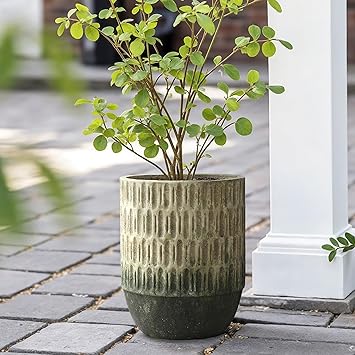
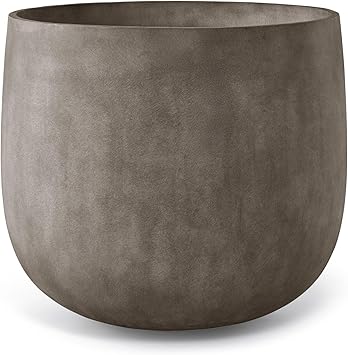
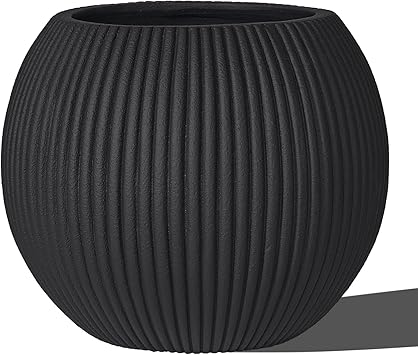


Seasonal color comes from changeable plantings in supporting roles. Rotate annuals like petunias, verbena, or trailing lobelia to match the season. Spring bulbs, summer bloomers, and autumn ornamental cabbages keep the display fresh throughout the year.
Climbing plants maximize vertical space in confined areas. Train jasmine, clematis, or climbing roses on wall-mounted trellises or freestanding obelisks. These vertical elements draw the eye upward, making small spaces feel larger.

Creating Outdoor Rooms
Furniture selection transforms courtyards into functional outdoor rooms. Bistro tables and folding chairs in classic French styles provide dining space without overwhelming small areas. Choose metal or weather-resistant materials that can remain outdoors year-round.
Lighting extends usability into evening hours. String café lights overhead, position small uplights to highlight specimen plants, or use candle lanterns for an intimate ambiance. Solar-powered options eliminate wiring concerns in rental properties or historic buildings.
Privacy screening creates an enclosure in open spaces. Use tall containers with bamboo, ornamental grasses, or columnar evergreens to define boundaries. Strategically positioned screens block unwanted views while maintaining air circulation.
French Gravel Garden with Drought-Tolerant Plants

Gravel gardens represent modern French landscape design that celebrates sustainability. These low-water spaces rely on drought-tolerant plants that thrive in well-drained conditions. The result is a garden that looks lush while requiring minimal irrigation and maintenance.
Free-draining gravel serves multiple functions in these designs. The stone surface suppresses weeds, conserves soil moisture, and allows plants to self-seed naturally. Choose colors that complement your plantings—warm golden tones or cool gray shades each create different moods.

Plant Palette for Dry Conditions
Silver-leaved plants unify gravel garden designs. Artemisia, lavender, santolina, and lamb’s ears provide foliage interest while their drought tolerance makes them ideal for these conditions. These plants also offer textural contrast against finer gravel surfaces.
Mediterranean herbs contribute fragrance and utility. Rosemary, thyme, oregano, and sage thrive in gravel gardens while providing culinary harvests. Their aromatic oils intensify during hot, dry weather, releasing scent when brushed against.

Ornamental grasses add movement and seasonal interest. Stipa, Festuca, and pennisetum varieties contribute feathery textures that catch light and breeze. These plants provide vertical accents among lower-growing herbs and perennials.

Design Principles and Maintenance
Naturalistic drifts create contemporary French style. Plant in irregular masses rather than rigid rows, allowing species to intermingle at edges. This soft approach mimics wild landscapes while maintaining design intention.

Strategic rock placement adds structure and focal points. Position larger stones individually or in small groups as sculptural elements. These anchor plantings and provide visual weight that balances fine-textured grasses and flowers.
Minimal maintenance keeps gravel gardens sustainable. Allow plants to self-seed within reason, editing volunteers to maintain composition. Annual top-dressing with fresh gravel maintains a clean appearance while controlling weeds naturally.
Creating Your French-Inspired Backyard

French-inspired backyard designs offer endless possibilities for transformation. Whether you choose the formal elegance of a parterre, the romantic abundance of a rose garden, or the sustainable beauty of a gravel landscape, each style captures distinctive French garden charm.
Success lies in selecting elements that suit your climate and space. Not every French garden feature works in every location, but the underlying principles—attention to structure, appreciation for beauty, and thoughtful plant selection—translate universally.
Start with one area or design element that speaks to your vision. Perhaps a container grouping on your patio, a small herb garden near the kitchen, or simply adding lavender borders along an existing pathway. These initial steps begin your journey toward a French-inspired outdoor space.
The most enchanting French gardens evolve over seasons and years. Trees mature, hedges fill in, and plants develop the character that comes only with time. Embrace this gradual transformation as part of the authentic French garden experience.

Essential Plant Collections
Shop curated collections of Potted Tree Designs for Patios. From classic lavender and boxwood to heritage roses and olive trees, we have the finest specimens for your garden.

Monthly Garden Inspiration
Receive seasonal French garden tips, plant care guides, and design ideas delivered to your inbox. Join our community of garden enthusiasts creating beautiful outdoor spaces.

Discover more from Cozy Corner
Subscribe to get the latest posts sent to your email.