We earn a commission if you make a purchase, at no additional cost to you.
Your skin deserves the best care possible. Every day, your face is exposed to environmental stressors, pollution, and natural aging processes. The good news? You can transform your complexion with just six simple daily skincare routines.
These aren’t complicated treatments that require hours of your time. They’re straightforward steps that fit seamlessly into your morning and evening schedule. Whether you have dry skin, oily skin, sensitive skin, or acne-prone skin, these routines work for every skin type.
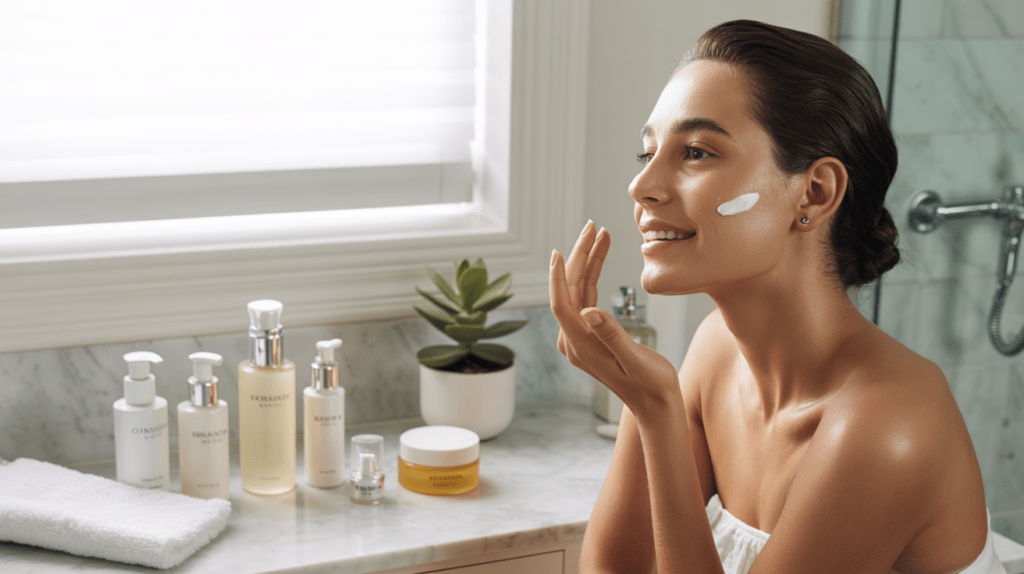
Board-certified dermatologists agree that consistency matters more than complexity. Your skin barrier needs regular care to function properly. When you follow these six routines daily, you’ll notice visible improvements in texture, tone, and overall skin health within weeks.
Get Your Personalized Skincare Routine Guide
Download our comprehensive daily routine tracker and discover your unique skin type. Start transforming your skin.
Download our comprehensive daily routine tracker and discover your unique skin type. Start transforming your skin.
Morning Cleanse: Start Fresh Every Day
Your first daily skincare routine begins the moment you wake up. Morning cleansing removes overnight oil buildup, dead skin cells, and residue from nighttime products. This step prepares your skin to absorb the beneficial ingredients you’ll apply next.

A proper face wash does more than clean. It balances your skin’s pH levels and maintains your skin barrier’s integrity. Many people skip this step or use harsh products that strip natural oils. This mistake leads to irritation, dryness, and even increased oil production.
Why Morning Cleansing Works
Your skin regenerates while you sleep. This process produces sebum and sheds dead skin cells throughout the night. Without proper cleansing, these accumulations clog pores and create a dull complexion.
Dermatologists recommend gentle cleansers that don’t disrupt your skin’s natural moisture. The right cleanser removes impurities without leaving your skin feeling tight or dry. This balance is crucial for maintaining healthy skin throughout the day.

Choosing Your Perfect Morning Cleanser
Your skin type determines which cleanser works best. Oily skin benefits from gel-based formulas with salicylic acid. Dry skin needs cream-based cleansers with hydrating ingredients. Sensitive skin requires fragrance-free, gentle options that won’t trigger irritation.

CeraVe Hydrating Facial Cleanser
4.7/ 5.0
Dermatologist Recommended for All Skin Types
This gentle, non-foaming cleanser works perfectly for dry skin and sensitive skin. It contains hyaluronic acid and ceramides to maintain your skin barrier while cleansing. Fragrance-free and non-comedogenic.
Best for: Dry, normal, and sensitive skin type

La Roche-Posay Toleriane Hydrating Gentle Cleanser
4.6/ 5.0
Allergy Tested Sensitive Skin
This milky cream cleanser removes makeup and impurities without disrupting skin’s natural protective barrier. Formulated with ceramide-3 and niacinamide to soothe and hydrate sensitive skin.
Best for: Sensitive, dry, and normal skin

Neutrogena Oil-Free Acne Wash
4.5/ 5.0
Acne Treatment Oily Skin
Contains salicylic acid to treat and prevent acne breakouts. This foaming cleanser penetrates pores to remove dirt and oil. The pink grapefruit formula refreshes and invigorates acne-prone skin.
Best for: Oily and acne-prone skin

Fresh Soy Face Cleanser
4.8/ 5.0
Luxury Choice All Skin Types
This gel cleanser removes makeup and impurities while maintaining pH balance. Infused with soy proteins, rose, and cucumber extracts to tone and refresh all skin types. Ophthalmologist tested for eye area safety.
Best for: All skin types, especially normal to combination
How to Cleanse Properly
Technique matters as much as product selection. Start by wetting your face with lukewarm water. Hot water strips natural oils and irritates. Cold water doesn’t effectively remove oil buildup.
- Apply a dime-sized amount of cleanser to damp skin
- Massage gently in circular motions for 30-60 seconds
- Focus on oily areas like the T-zone (forehead, nose, chin)
- Rinse thoroughly with lukewarm water
- Pat dry with a clean towel—never rub or scrub
- Proceed immediately to the next step while the skin is still slightly damp

Vitamin Serum Application: Boost Your Skin’s Defense
After cleansing, your skin is primed to absorb active ingredients. This makes the morning the perfect time for vitamin serum application. Serums contain concentrated ingredients that penetrate deeper than moisturizers or creams.
Vitamin serums protect your skin from environmental damage throughout the day. They neutralize free radicals from pollution, UV rays, and other stressors. This protection prevents premature aging and maintains your skin’s youthful appearance.

Understanding Vitamin Serums
Different vitamin serums serve different purposes. Vitamin C serum brightens skin and evens skin tone. It also stimulates collagen production to reduce fine lines. Vitamin E provides antioxidant protection and enhances skin barrier function.
Many dermatologists recommend combining vitamin C with vitamin E. This combination provides superior antioxidant protection. The vitamins work synergistically to protect against sun damage and environmental aging.

Vitamin A derivatives (retinoids) belong in your nighttime routine, not morning. They increase sun sensitivity and work best during the skin’s overnight regeneration process. Save these powerful anti-aging ingredients for evening application.
Top Vitamin Serums for Daily Use

Skin Ceuticals CE Ferulic
4.9/ 5.0
Gold Standard Professional Grade
The gold standard vitamin serum recommended by dermatologists worldwide. Contains 15% pure vitamin C, 1% vitamin E, and 0.5% ferulic acid. This powerful combination provides advanced environmental protection and reduces visible signs of aging.
Best for: Normal, dry, and sensitive skin

TruSkin Vitamin C Serum
4.4/ 5.0
Best Value All Skin Types
This budget-friendly option delivers effective vitamin C benefits with hyaluronic acid and vitamin E. Plant-based formula brightens skin and reduces hyperpigmentation. Over 30,000 positive reviews confirm its effectiveness.
Best for: All skin types seeking affordable vitamin C

Mad Hippie Vitamin C Serum
4.5/ 5.0
Natural Formula Sensitive Skin
Features a stable vitamin C derivative that won’t oxidize quickly. Includes hyaluronic acid, ferulic acid, and vitamin E. Cruelty-free and vegan formula perfect for sensitive skin types.
Best for: Sensitive and combination skin

Paula’s Choice C15 Super Booster
4.6/ 5.0
Lightweight All Skin Types
Contains 15% pure vitamin C in a lightweight, silky texture. Peptides and licorice extract enhance brightening effects. Fragrance-free formula suitable for all skin types, including acne-prone skin.
Best for: All skin types, especially oily skin
Proper Serum Application Technique
Apply vitamin serum to slightly damp skin immediately after cleansing. This timing maximizes absorption and effectiveness. Your skin should feel clean but not completely dry.
- Dispense 3-4 drops of serum onto your fingertips
- Warm the serum between your fingers for 2-3 seconds
- Gently press and pat the serum onto your face and neck
- Avoid rubbing or pulling on delicate skin
- Let the serum absorb for 1-2 minutes before the next step
- Don’t forget your neck—it shows aging signs too

Store vitamin serums properly to maintain their effectiveness. Keep them in a cool, dark place away from direct sunlight. Vitamin C oxidizes when exposed to light and air. An oxidized serum turns brown and loses its benefits.
Moisturize and Hydrate: Lock in All the Good Stuff
Moisturizing is non-negotiable in daily skincare routines. This step seals in the beneficial ingredients from your serum while providing essential hydration. Every skin type needs moisturizer—yes, even oily skin.
Your skin barrier depends on proper moisturization to function correctly. A compromised skin barrier leads to irritation, sensitivity, and accelerated aging. The right moisturizer strengthens this protective barrier and keeps skin healthy.

The Science of Hydration
Moisturizers work through two mechanisms: humectants and occlusives. Humectants like hyaluronic acid draw water into your skin. Occlusives like ceramides prevent water loss by creating a protective seal.
Hyaluronic acid holds up to 1,000 times its weight in water. This ingredient provides deep hydration without adding oil. It works for all skin types and addresses multiple concerns simultaneously.

Many people confuse dry skin with dehydrated skin. Dry skin lacks oil production and needs richer, cream-based moisturizers. Dehydrated skin lacks water and benefits from lightweight, water-based formulas with hyaluronic acid.
Best Moisturizers by Skin Type

Cetaphil Daily Facial Moisturizer SPF 15
4.5/ 5.0
Dermatologist-Tested Sensitive Skin
This lightweight formula provides 24-hour hydration plus sun protection. Non-greasy texture absorbs quickly without clogging pores. Fragrance-free and hypoallergenic for sensitive skin types.
Best for: Normal to combination skin, sensitive skin

Neutrogena Hydro Boost Water Gel
4.6/ 5.0
Bestseller Oily Skin
Oil-free gel formula with hyaluronic acid provides intense hydration without heaviness. Instantly quenches dry skin and leaves skin looking healthy and refreshed. Perfect for oily and combination skin types.
Best for: Oily, combination, and normal skin

La Roche-Posay Toleriane Double Repair Moisturizer
4.7/ 5.0
Editor’s Choice All Skin Types
Features prebiotic thermal water, ceramide-3, and niacinamide to restore the skin barrier. Lightweight yet nourishing texture suits all skin types. Provides up to 48 hours of hydration.
Best for: All skin types, especially dry and sensitive skin

Drunk Elephant Protini Polypeptide Cream
4.8/ 5.0
Luxury All Skin Types
Protein moisturizer combines signal peptides, growth factors, and amino acids. Restores skin’s youthful appearance while improving texture and tone. Clean formula without essential oils or silicones.
Best for: All skin types, anti-aging concerns
Moisturizing Tips for Maximum Benefit
Apply moisturizer while your skin is still slightly damp from serum application. This technique traps more moisture and enhances absorption. Use gentle upward motions to avoid pulling on delicate facial skin.
- Use a pea-sized amount for your entire face
- Apply additional product to extra-dry areas as needed
- Extend moisturizer down your neck and décolletage
- Wait 2-3 minutes before applying sunscreen
- Don’t over-apply—more isn’t always better
- Adjust texture based on season (lighter in summer, richer in winter)

Download Your Perfect Morning Routine Bundle
Download our complete skincare guidance with recommendations tailored to your specific skin type. Join thousands who’ve achieved their glowing skin goals.
Sunscreen Protection: Your Daily Anti-Aging Insurance
Sunscreen is the most important step in any skincare routine. This single product prevents more skin damage than any other treatment. Dermatologists unanimously agree that daily sunscreen use is essential for healthy skin.
UV rays cause up to 90% of visible aging signs. Sun damage creates fine lines, wrinkles, dark spots, and skin texture irregularities. It also increases your risk of skin cancer significantly. Protection isn’t optional—it’s mandatory.

Why Sunscreen Matters Every Single Day
Many people only wear sunscreen at the beach. This approach leaves your skin vulnerable 95% of the time. UV rays penetrate clouds, windows, and even reflect off surfaces like water and snow.
You need at least SPF 30 for adequate protection. SPF 30 blocks 97% of UVB rays. Higher SPF numbers offer marginally better protection but require proper application to work effectively.

Broad-spectrum sunscreen protects against both UVA and UVB rays. UVB rays cause sunburn and skin cancer. UVA rays penetrate deeper, causing premature aging and collagen breakdown. You need protection from both.
Choosing the Right Sunscreen
Two main types exist: chemical and mineral sunscreens. Chemical sunscreens absorb UV rays and convert them to heat. Mineral sunscreens (zinc oxide, titanium dioxide) physically block rays. Both work effectively when applied correctly.

EltaMD UV Clear Broad-Spectrum SPF 46
4.8/ 5.0
#1 Dermatologist Choice Acne-Prone Skin
Lightweight, oil-free formula perfect for acne-prone skin and sensitive skin. Contains niacinamide to calm irritation and reduce redness. Sheer, non-comedogenic formula won’t clog pores or cause breakouts.
Best for: Acne-prone, sensitive, and oily skin

La Roche-Posay Anthelios Melt-In Milk SPF 60
4.7/ 5.0
Water Resistant All Skin Types
Fast-absorbing, lightweight milk texture provides high SPF 60 protection. Cell-Ox Shield technology with antioxidants protects against UVA, UVB, and infrared radiation. Water-resistant for 80 minutes.
Best for: All skin types, outdoor activities

CeraVe Hydrating Mineral Sunscreen SPF 30
4.5/ 5.0
Mineral Formula Sensitive Skin
100% mineral sunscreen with zinc oxide and titanium dioxide. Enriched with ceramides and hyaluronic acid to hydrate while protecting. Non-comedogenic, fragrance-free, and reef-safe formula.
Best for: Sensitive, dry, and normal skin

Supergoop Unseen Sunscreen SPF 40
4.6/ 5.0
Cult Favorite All Skin Types
Completely invisible, weightless gel formula doubles as makeup primer. Red algae and frankincense provide additional antioxidant benefits. Vegan and cruelty-free with no white cast.
Best for: All skin types, especially under makeup
Proper Sunscreen Application
Most people don’t apply enough sunscreen to get the labeled SPF protection. You need approximately one-fourth teaspoon for your face alone. That’s about two finger-lengths worth of product.
- Apply sunscreen as the final step in your morning routine
- Use at least SPF 30 or higher every single day
- Apply 15 minutes before sun exposure for best protection
- Reapply every 2 hours when outdoors
- Don’t forget the ears, neck, and the back of your hands
- Reapply after sweating, swimming, or toweling off
- Use sunscreen even on cloudy days—UV rays penetrate clouds

Many moisturizers contain SPF, but they’re not sufficient as your sole sun protection. These products rarely provide adequate coverage because people don’t apply enough. Use a dedicated sunscreen product for proper protection.
Nighttime Cleanse: Remove the Day
Your nighttime routine begins with thorough cleansing. This step removes more than your morning cleanse—it tackles makeup, sunscreen, pollution, and accumulated dirt. A proper nighttime cleanse prepares your skin for overnight regeneration.
Sleeping with makeup on clogs pores and prevents skin from breathing. This leads to breakouts, dull skin, and accelerated aging. Your skin repairs itself at night, but it can’t do this effectively under layers of debris.

The Double Cleanse Method
Many dermatologists recommend double cleansing at night. The first cleanse removes makeup and sunscreen. The second cleanse actually cleans your skin. This two-step process ensures thorough cleansing without harsh scrubbing.
Start with an oil-based cleanser or micellar water. Oil dissolves oil-based products like sunscreen and makeup effectively. Follow with your regular face wash to remove any remaining residue and clean pores.

Best Nighttime Cleansers and Makeup Removers

Garnier Skin Active Micellar Cleansing Water
4.6/ 5.0
Bestseller All Skin Types
This gentle micellar water removes makeup, cleanses, and refreshes skin without harsh rubbing. Micelles lift dirt and oil without stripping skin. No rinsing required, making it perfect for a first cleanse.
Best for: All skin types, makeup removal

Banila Co Clean It Zero Cleansing Balm
4.7/ 5.0
K-Beauty Favorite All Skin Types
Solid balm melts into silky oil that dissolves makeup and impurities. Transforms to a milky texture with water for easy rinsing. Removes even waterproof makeup without irritation.
Best for: All skin types, heavy makeup wearers

Neutrogena Makeup Remover Cleansing Towelettes
4.5/ 5.0
Convenient for all skin types
Ultra-soft cloths remove 99% of makeup, including waterproof mascara. Gentle enough for sensitive skin around the eyes. Perfect for travel or quick removal, though follow with cleanser for best results.
Best for: Quick makeup removal, travel

DHC Deep Cleansing Oil
4.8/ 5.0
Cult Classic All Skin Types
Japanese beauty staple with olive oil base dissolves stubborn makeup and sunscreen. Emulsifies completely with water, leaving no oily residue. Rich in antioxidants to nourish skin while cleansing.
Best for: All skin types, thorough makeup removal
Nighttime Cleansing Technique
Take your time with nighttime cleansing. This isn’t a rushed morning routine. Spend at least 60 seconds on each cleansing step to ensure thorough removal of all products and debris.
- First cleanse: Apply oil cleanser or micellar water to dry skin
- Massage gently for 60 seconds to dissolve makeup and sunscreen
- Rinse thoroughly with lukewarm water or remove with a cotton pad
- Second cleanse: Use your regular cleanser on damp skin
- Massage in circular motions for another 60 seconds
- Rinse completely—no product residue should remain
- Pat dry gently and proceed immediately to the treatment products

Pay special attention to areas where makeup accumulates. The hairline, jawline, and around the nose often retain product residue. Make sure you cleanse these areas thoroughly to prevent clogged pores and breakouts.
Nighttime Treatment: Repair While You Sleep
Your skin enters repair mode while you sleep. Night is the perfect time for potent treatment products. These powerful ingredients work without sun exposure concerns and support your skin’s natural regeneration process.
Nighttime treatments address specific skin concerns like acne, aging, or hyperpigmentation. They contain higher concentrations of active ingredients than daytime products. Your skin absorbs these ingredients better at night when it’s not fighting environmental stressors.

Understanding Nighttime Active Ingredients
Retinol tops the list of nighttime ingredients. This vitamin A derivative increases cell turnover and stimulates collagen production. It reduces fine lines, improves skin texture, and fades dark spots effectively.
Start with a low concentration of retinol if you’re new to this ingredient. Use it 2-3 times per week initially. Gradually increase frequency as your skin builds tolerance. This approach minimizes irritation and maximizes results.
Other beneficial nighttime ingredients include niacinamide, peptides, and alpha hydroxy acids. Niacinamide strengthens the skin barrier and reduces inflammation. Peptides signal collagen production. AHAs exfoliate for a smoother texture.
Acne Treatment Products
Acne-prone skin benefits from nighttime treatments with salicylic acid or benzoyl peroxide. These ingredients penetrate pores to clear breakouts and prevent new ones. They work best at night when you’re not applying makeup over them.

Paula’s Choice 2% BHA Liquid Exfoliant
4.7/ 5.0
Award Winner Acne Treatment
Gentle leave-on exfoliant with salicylic acid unclogs pores and smooths skin texture. Reduces breakouts, blackheads, and enlarged pores. Suitable for daily use on acne-prone skin without harsh drying effects.
Best for: Acne-prone, oily, and combination skin

Differin Adapalene Gel 0.1%
4.6/ 5.0
FDA Approved Acne-Prone Skin
OTC retinoid specifically formulated to treat acne. Normalizes skin cell turnover to prevent clogged pores. Also improves overall skin tone and texture with continued use. Previously prescription-only.
Best for: Acne-prone skin, preventive acne treatment

The Ordinary Niacinamide 10% + Zinc 1%
4.5/ 5.0
Best Value Oily Skin
High-strength niacinamide serum reduces the appearance of blemishes and congestion. Zinc balances oil production for acne-prone skin. Affordable option that delivers professional-level results.
Best for: Oily, acne-prone, and combination skin

CeraVe Resurfacing Retinol Serum
4.6/ 5.0
Gentle Formula All Skin Types
Encapsulated retinol gradually releases for minimal irritation. Improves skin texture, reduces post-acne marks, and refines pores. Contains ceramides and niacinamide to support the skin barrier.
Best for: Retinol beginners, sensitive skin
Anti-Aging Night Treatments
Mature skin or those concerned with aging should focus on retinol and peptide treatments. These ingredients address fine lines, wrinkles, and loss of firmness. Consistent nighttime use shows visible improvement within 8-12 weeks.

RoC Retinol Correxion Deep Wrinkle Night Cream
4.5/ 5.0
Clinically Proven Anti-Aging
Pure retinol formula clinically proven to reduce deep wrinkles. Rich cream texture provides intense overnight hydration. Visible results in fine lines and skin texture within 4 weeks.
Best for: Mature skin, anti-aging concerns

Olay Regenerist Retinol 24 Night Moisturizer
4.6/ 5.0
24-Hour Hydration All Skin Types
Fragrance-free retinol formula with niacinamide provides 24 hours of hydration. Penetrates 10 surface layers to smooth fine lines and wrinkles. Gentle enough for nightly use without irritation.
Best for: All skin types, fine lines prevention

Skin Ceuticals Retinol 0.5 Refining Night Cream
4.8/ 5.0
Professional Grade Dermatologist Approved
Pure 0.5% retinol concentration for experienced users. Bisabolol and boswellia serrata minimize irritation. Dramatically improves visible signs of aging and skin texture irregularities.
Best for: Experienced retinol users, significant aging concerns

Neutrogena Rapid Wrinkle Repair Retinol Oil
4.4/ 5.0
Fast Results Dry Skin
Retinol SA formula accelerated with glucose for faster results. Lightweight oil texture is perfect for dry skin. Visible improvement in just one week with continued enhancement over time.
Best for: Dry and normal skin, quick results seekers
Application Order for Night Treatments
Apply treatments to clean, dry skin before moisturizer. This ensures maximum absorption of active ingredients. Wait 2-3 minutes between steps to let each product penetrate properly.
- Start with the cleanest, freshly cleansed skin
- Apply treatment product to entire face (avoid eye area unless specified)
- Use a pea-sized amount—more isn’t better with active ingredients
- Wait 20-30 minutes before applying moisturizer over retinol
- Don’t mix retinol with AHAs, BHAs, or vitamin C at night
- Use retinol 2-3 times weekly initially, building to nightly use
- Always follow with moisturizer to prevent excessive dryness

Some people experience initial purging with active ingredients like retinol or salicylic acid. This temporary increase in breakouts happens as the product accelerates cell turnover. It typically resolves within 4-6 weeks as your skin adjusts.
Important Note: If you experience severe irritation, redness, or burning with any treatment product, discontinue use immediately and consult a dermatologist. Some sensitivity is normal when starting active ingredients, but excessive irritation isn’t.
Choosing Products for Your Skin Type
Understanding your skin type helps you select the most effective products. Using the wrong products wastes money and can worsen skin concerns. Take time to identify your true skin type before building your routine.

Identifying Your Skin Type
Wash your face and wait 30 minutes without applying any products. Examine your skin in natural light. This test reveals your skin’s natural state without product influence.
Normal Skin
Balanced oil production with few imperfections. Pores barely visible. Skin feels comfortable throughout the day without tightness or excess shine.
- Soft, smooth texture
- Even tone and texture
- No sensitivity issues
- Makeup applies evenly
Oily Skin
Overactive sebaceous glands produce excess oil. Visible, enlarged pores, especially in the T-zone. Shiny appearance develops quickly after cleansing.
- Shiny, greasy appearance
- Enlarged, visible pores
- Prone to blackheads
- Makeup slides off easily
Dry Skin
Insufficient oil production leads to a tight, uncomfortable feeling. May show flaking or rough patches. Fine lines appear more prominent.
- Tight, uncomfortable feeling
- Flaky or rough texture
- Barely visible pores
- Prone to irritation
Combination Skin
Different areas show different characteristics. T-zone tends toward oiliness while cheeks may be normal to dry. Most common skin type.
- Oily T-zone area
- Normal to dry cheeks
- Mixed pore sizes
- Requires targeted treatment
Sensitive Skin
Reacts easily to products and environmental factors. Prone to redness, burning, or stinging. May experience irritation from fragrances and certain ingredients.
- Frequent redness
- Stinging or burning
- Reactive to products
- Visible capillaries
Acne-Prone Skin
Experiences frequent breakouts and blemishes. May occur with any skin type. Congested pores and inflammation characterize this condition.
- Regular breakouts
- Clogged pores
- Inflammation and redness
- Post-acne marks
Mature Skin
Shows visible signs of aging, including fine lines and wrinkles. Loss of elasticity and collagen production. May also exhibit dryness.
- Fine lines and wrinkles
- Loss of firmness
- Uneven skin tone
- Decreased elasticity
Dehydrated Skin
Lacks water, not oil. Can affect any skin type. Appears dull with emphasized fine lines. Feels tight even if producing oil.
- Dull appearance
- Emphasized texture
- Tight feeling
- Increased sensitivity

Product Selection Guide by Skin Type
| Skin Type | Cleanser Type | Key Serum Ingredients | Moisturizer Texture | Avoid These |
| Normal | Gentle gel or cream | Vitamin C, niacinamide | Lightweight lotion | Harsh exfoliants, heavy oils |
| Oily | Foaming gel with salicylic acid | Niacinamide, salicylic acid | Oil-free gel or water-based | Heavy creams, coconut oil |
| Dry | Cream or oil-based | Hyaluronic acid, peptides | Rich cream with ceramides | Alcohol, harsh sulfates |
| Combination | Balanced gel cleanser | Vitamin C, hyaluronic acid | Lightweight cream | One-size-fits-all products |
| Sensitive | Fragrance-free, gentle | Centella asiatica, niacinamide | Soothing cream, minimal ingredients | Fragrances, essential oils, alcohol |
| Acne-Prone | Salicylic or benzoyl peroxide | Niacinamide, retinol, salicylic acid | Non-comedogenic, oil-free | Heavy oils, pore-clogging ingredients |
| Mature | Hydrating, gentle cream | Retinol, peptides, vitamin C | Rich cream with retinol or peptides | Harsh exfoliants, drying ingredients |

Common Skincare Mistakes to Avoid
Even with the right products, improper techniques sabotage your results. Many people unknowingly damage their skin through common mistakes. Learning what to avoid is as important as knowing what to do.

Top Mistakes That Damage Your Skin
Do These
- Cleanse twice daily with appropriate products
- Apply products to damp skin for better absorption
- Use sunscreen every single day, rain or shine
- Pat skin dry gently with a clean towel
- Introduce new products one at a time
- Wait between product applications for absorption
- Remove makeup before bed every night
- Change pillowcases weekly to prevent bacteria
- Drink adequate water for internal hydration
- Get 7-9 hours of sleep for skin regeneration
Avoid These
- Skipping sunscreen on cloudy days or indoors
- Using hot water, which strips natural oils
- Over-exfoliating, which damages the skin barrier
- Picking at blemishes, causing scarring
- Using too many products at once
- Sleeping with makeup on
- Sharing face towels with others
- Applying retinol during daytime
- Using expired skincare products
- Touching face frequently throughout the day

Understanding Over-Exfoliation
Many people believe more exfoliation equals better results. This misconception leads to a compromised skin barrier. Over-exfoliation causes redness, sensitivity, increased breakouts, and accelerated aging.
Your skin barrier needs time to regenerate. Exfoliating more than 2-3 times weekly strips this protective layer. Signs of over-exfoliation include persistent redness, burning sensations, and increased skin sensitivity.
- Limit physical exfoliation to 1-2 times per week
- Use chemical exfoliants (AHAs, BHAs) 2-3 times weekly maximum
- Never combine multiple exfoliating products on the same day
- Choose gentle exfoliants with rounded particles, not jagged scrubs
- Skip exfoliation if skin feels irritated or sensitive
- Always follow exfoliation with hydrating products

Product Layering Mistakes
The order in which you apply products affects their effectiveness. Applying products incorrectly prevents proper absorption. Follow the general rule: thinnest to thickest consistency.
Correct Morning Order: Cleanser → Toner (optional) → Serum → Eye cream → Moisturizer → Sunscreen
Correct Evening Order: Cleanser → Toner (optional) → Treatment (retinol/acids) → Serum → Eye cream → Moisturizer → Face oil (optional)
Never mix certain active ingredients. Retinol combined with vitamin C or AHAs causes excessive irritation. Use vitamin C in the morning and retinol at night to avoid conflicts.
Sunscreen Application Errors
Most people apply only 25-50% of the recommended sunscreen amount. This drastically reduces the protection level. An SPF 50 applied too thinly might provide only SPF 15 protection.
- Dispense at least one-fourth teaspoon for the face alone
- Apply to all exposed areas, including ears and neck
- Wait 15 minutes before sun exposure for proper binding
- Reapply every 2 hours when outdoors
- Don’t rely on makeup with SPF as your only protection
- Apply sunscreen as the last step after all other products absorb

Lifestyle Factors That Affect Your Skin
Your daily skincare routines work best when supported by healthy lifestyle choices. External products can’t overcome poor sleep, a bad diet, or chronic stress. True skin health requires a holistic approach.

Sleep and Skin Regeneration
Your skin repairs itself during sleep. This regeneration process peaks between 10 PM and 2 AM. Insufficient sleep disrupts this repair cycle, leading to premature aging and dull skin.
Lack of sleep increases cortisol levels. Elevated cortisol breaks down collagen and triggers inflammation. This combination accelerates aging and worsens skin conditions like acne and eczema.
- Aim for 7-9 hours of quality sleep nightly
- Sleep on your back to prevent sleep lines and wrinkles
- Use a silk or satin pillowcase to reduce friction
- Keep bedroom cool (60-67°F) for optimal sleep quality
- Avoid screens 1 hour before bed for better sleep
- Apply night treatments before sleep for maximum benefit

Nutrition for Healthy Skin
What you eat directly impacts your skin’s appearance. Certain nutrients support collagen production, fight inflammation, and protect against damage. A balanced diet complements your external skincare routine.
Antioxidant-rich foods neutralize free radicals that cause aging. Omega-3 fatty acids reduce inflammation and strengthen the skin barrier. Adequate protein provides building blocks for collagen and elastin.
Best Foods for Glowing Skin
- Fatty fish (salmon, mackerel) for omega-3s
- Berries for antioxidants and vitamin C
- Leafy greens for vitamins A, C, E, K
- Nuts and seeds for vitamin E and healthy fats
- Avocados for healthy fats and vitamin E
- Sweet potatoes for beta-carotene
- Bell peppers for vitamin C
- Green tea for polyphenols
- Dark chocolate for antioxidants
- Bone broth for collagen support

Hydration’s Role in Skin Health
Water makes up about 64% of your skin. Adequate hydration maintains skin’s elasticity, flushes toxins, and delivers nutrients to skin cells. Dehydration shows quickly in your complexion.
While topical hyaluronic acid helps, internal hydration is fundamental. Drink at least 8 glasses of water daily. Increase intake during exercise, hot weather, or in dry climates.

Stress Management for Clear Skin
Chronic stress wreaks havoc on skin. Stress hormones trigger oil production, inflammation, and skin barrier disruption. This explains why breakouts often appear during stressful periods.
Implementing stress-reduction techniques improves skin appearance noticeably. Regular exercise, meditation, adequate sleep, and relaxation practices all support skin health.
- Practice daily meditation or deep breathing exercises
- Engage in regular physical activity (30 minutes most days)
- Maintain social connections and support systems
- Take breaks from work and screens regularly
- Pursue hobbies and activities you enjoy
- Consider professional help for chronic stress

Exercise and Skin Health
Regular exercise increases blood flow, delivering oxygen and nutrients to skin cells. This enhanced circulation gives skin a healthy glow. Exercise also helps manage stress and promotes quality sleep.
Sweating during exercise purges dirt and oil from pores. However, make sure you cleanse promptly after working out. Leaving sweat on skin can lead to clogged pores and breakouts.
- Exercise 30 minutes daily for optimal skin benefits
- Remove makeup before working out
- Cleanse your face immediately after exercise
- Stay hydrated during workouts
- Wear moisture-wicking, breathable fabrics
- Apply sunscreen for outdoor activities

Adjusting Your Routine for Different Seasons
Your skin’s needs change with the seasons. Temperature, humidity, and sun exposure vary dramatically throughout the year. Smart adjustments keep skin balanced regardless of weather conditions.
Summer Skincare Adjustments
Summer brings increased sun exposure, heat, and humidity. Your skin produces more oil in warm weather. Switch to lighter formulas and increase sun protection.
Summer Routine Modifications
- Switch to gel-based or water-based moisturizers
- Increase sunscreen application frequency
- Use oil-free sunscreen formulas
- Add a lightweight vitamin C serum for extra protection
- Consider mattifying primers for oily areas
- Keep a facial mist for midday refreshing
- Cleanse immediately after swimming or sweating
- Apply after-sun products if exposed extensively

Key Summer Ingredients: Lightweight hyaluronic acid, oil-free sunscreen, mattifying niacinamide, refreshing aloe vera, soothing cucumber extract

Winter Skincare Adjustments
Cold air and indoor heating strip moisture from skin. Winter demands richer, more protective formulations. Even oily skin may need extra hydration during harsh winter months.

Key Winter Ingredients: Rich ceramides, nourishing facial oils, thick shea butter, protecting squalane, healing hyaluronic acid
Winter Routine Modifications
- Switch to cream-based, richer moisturizers
- Add facial oil as the final step at night
- Use hydrating overnight masks weekly
- Apply lip balm and hand cream regularly
- Consider a humidifier for the bedroom
- Reduce exfoliation frequency if skin feels dry
- Layer hydrating products for extra protection
- Don’t skip sunscreen—snow reflects UV rays

Spring and Fall Transitions
Transitional seasons require gradual routine adjustments. Don’t switch all products at once. Introduce new seasonal products one at a time while monitoring your skin’s response.
- Assess your skin’s needs as the weather changes
- Gradually transition between summer and winter products
- Spring: Start lightening moisturizer textures
- Fall: Begin adding richer products back into routine
- Maintain consistent sunscreen use year-round
- Adjust exfoliation based on the skin’s condition
- Pay attention to indoor air quality changes

When to See a Dermatologist
While daily skincare routines handle most concerns, some situations require professional help. Dermatologists provide treatments beyond what over-the-counter products can achieve. Know when to seek expert guidance.

Signs You Need Professional Help
Persistent skin problems that don’t respond to home care need professional evaluation. Some conditions require prescription treatments or procedures. Don’t struggle with stubborn issues when help is available.
Seek Immediate Dermatology Care For:
- Severe or cystic acne that doesn’t respond to OTC treatments
- Sudden changes in moles or skin lesions
- Persistent redness, rash, or irritation lasting over 2 weeks
- Severe reactions to skincare products
- Signs of skin infection (pus, warmth, spreading redness)
- Hair loss or scalp issues
- Unexplained skin growths or changes
- Chronic skin conditions affecting quality of life

Professional Treatments That Enhance Daily Routines
Professional treatments complement your daily skincare routines. These procedures deliver results impossible with at-home products alone. Consider these options for specific concerns.
Chemical Peels
Professional-strength acids remove damaged outer layers. Improves texture, tone, acne scarring, and hyperpigmentation. Results appear gradually over several treatments.
Best for: Hyperpigmentation, acne scars, fine lines, dull skin
Frequency: Every 4-6 weeks
Cost Range: $150-300 per treatment
Microneedling
Tiny needles create controlled micro-injuries. Stimulates collagen production naturally. Reduces scarring, large pores, and improves overall texture.
Best for: Acne scars, large pores, fine lines, skin texture
Frequency: Every 4-6 weeks
Cost Range: $200-700 per session
Laser Treatments
Targeted light energy addresses specific concerns. Different lasers treat different issues. Can significantly improve sun damage, scars, and signs of aging.
Best for: Sun damage, scars, redness, pigmentation, wrinkles
Frequency: Series of 3-5 treatments
Cost Range: $300-1,500 per session
Prescription Retinoids
Stronger than OTC retinol products. Prescription-strength tretinoin delivers superior anti-aging results. Requires dermatologist supervision.
Best for: Moderate to severe acne, significant aging signs
Frequency: Nightly application (as prescribed)
Cost Range: $50-150 per prescription

Preparing for Your Dermatology Appointment
Make the most of your dermatology visit with proper preparation. Bring a list of current products and medications. Document your concerns with photos if possible.
- List all skincare products you currently use
- Note any medications or supplements you take
- Document when problems started and what triggers them
- Remove makeup before the appointment for an accurate assessment
- Prepare questions about your routine and concerns
- Bring photos showing the progression of skin issues
- Be honest about your budget for treatments
- Ask about combining professional treatments with home care
Need Personal Skincare Guidance?
Download our complete skincare guidance with recommendations tailored to your specific skin type. Join thousands who’ve achieved their glowing skin goals.
Frequently Asked Questions About Daily Skincare Routines

How long until I see results from my new skincare routine?
Most people notice initial improvements within 2-4 weeks of consistent daily skincare routines. However, significant changes typically require 8-12 weeks. Your skin needs time to complete its natural cell turnover cycle.
Some products show faster results than others. Hydrating ingredients like hyaluronic acid provide immediate plumping effects. Anti-aging ingredients like retinol require months of consistent use for a visible reduction in fine lines and wrinkles.
Patience and consistency are crucial. Stick with your routine for at least three months before deciding if products work for you. Take progress photos weekly to track subtle improvements you might not notice daily.
Can I skip moisturizer if I have oily skin?
No, even oily skin needs moisturizer. Skipping this step actually worsens oil production. When skin lacks hydration, it compensates by producing more sebum. This creates a vicious cycle of increased oiliness.
Choose oil-free, gel-based, or water-based moisturizers specifically formulated for oily skin. These formulas provide essential hydration without adding heaviness. Look for non-comedogenic products that won’t clog pores.
Ingredients like hyaluronic acid and niacinamide work excellently for oily skin. They hydrate without greasiness and actually help regulate sebum production over time. Your skin will look healthier and feel more balanced.
What’s the difference between morning and nighttime routines?
Your morning routine focuses on protection. It prepares and shields your skin from environmental damage throughout the day. Essential morning steps include cleanser, antioxidant serum, moisturizer, and sunscreen.
Your nighttime routine emphasizes repair and treatment. It supports your skin’s natural regeneration process during sleep. Evening steps include thorough cleansing, treatment products like retinol, and rich moisturizer.
Some ingredients work better at specific times. Vitamin C provides daytime protection from free radicals. Retinol works overnight without sun exposure concerns. Sunscreen is exclusively a morning product since you don’t need UV protection while sleeping.
Do I really need to wear sunscreen every day, even indoors?
Yes, daily sunscreen is essential for healthy skin. UV rays penetrate windows, meaning you’re exposed even indoors. UVA rays that cause aging pass through glass easily.
Research shows that up to 90% of visible aging signs result from sun exposure. Daily sunscreen prevents premature aging, hyperpigmentation, and skin cancer risk. This single step provides more anti-aging benefits than any other product.
Use at least SPF 30 every single day, regardless of weather or plans. Reapply every 2 hours if you’re outdoors. Make sunscreen your most non-negotiable daily skincare routine step for long-term skin health.
How do I know which products to use for my skin type?
First, accurately identify your skin type through the bare-face test. Cleanse your face and wait 30 minutes without applying products. Observe how your skin feels and looks in natural light.
Normal skin feels balanced without tightness or excess oil. Oily skin shows shine and enlarged pores. Dry skin feels tight with possible flaking. Combination skin exhibits oily T-zone with normal or dry cheeks. Sensitive skin reacts easily to products.
Once you know your skin type, select products formulated specifically for your needs. Read ingredient lists carefully. Consider consulting a dermatologist if you’re uncertain or have complex concerns.
Can I use vitamin C serum and retinol together?
You can use both, but not simultaneously. Apply vitamin C serum in your morning routine for daytime protection. Use retinol in your nighttime routine to avoid sun sensitivity and potential irritation.
Combining these ingredients in the same application can irritate and reduce effectiveness. The pH levels required for each ingredient differ significantly. Vitamin C works best at acidic pH, while retinol prefers neutral pH.
This separation strategy allows you to enjoy the benefits of both powerful ingredients. Vitamin C protects and brightens during the day. Retinol repairs and regenerates overnight. Your skin receives comprehensive care without conflict.
Why is my acne getting worse after starting a new routine?
You may be experiencing “purging,” a temporary increase in breakouts when starting active ingredients. Products like retinol, salicylic acid, and benzoyl peroxide accelerate cell turnover, bringing underlying clogs to the surface faster.
Purging typically lasts 4-6 weeks as your skin adjusts. Breakouts should decrease as the process completes. However, if new breakouts continue after 8 weeks or worsen significantly, the products may not suit your skin.
True purging occurs only in areas where you normally break out. If new acne appears in previously clear areas, you’re likely experiencing an adverse reaction rather than purging. Discontinue the product and consult a dermatologist.
How much product should I use for each step?
Proper amounts vary by product type. Cleanser: dime-sized amount. Serum: 3-4 drops or a pea-sized amount. Moisturizer: nickel to quarter-sized amount. Sunscreen: at least one-fourth teaspoon for the face alone.
These measurements ensure adequate coverage without waste. Using too little reduces effectiveness, especially with sunscreen. Using excessive amounts doesn’t improve results and may cause irritation or clogged pores.
Remember that more isn’t always better with active ingredients. A pea-sized amount of retinol suffices for your entire face. Excessive application increases irritation risk without enhancing benefits. Follow product instructions for optimal results.
Should I exfoliate every day?
No, daily exfoliation is too harsh for most skin types. Over-exfoliation damages your skin barrier, causing irritation, sensitivity, and increased breakouts. Your skin needs time to regenerate between exfoliation sessions.
Most skin types benefit from exfoliating 2-3 times weekly, maximum. Sensitive skin may tolerate only once weekly. Choose between physical exfoliants (scrubs) and chemical exfoliants (AHAs, BHAs) based on your skin’s tolerance.
Pay attention to your skin’s response. If you notice persistent redness, burning, or increased sensitivity, reduce exfoliation frequency. A compromised skin barrier shows as tight, dry, irritated skin that reacts to previously tolerated products.
Do expensive skincare products work better than drugstore options?
Price doesn’t always indicate effectiveness. Many excellent drugstore products contain the same active ingredients as those found in luxury brands. The difference often lies in packaging, marketing, and additional “feel-good” ingredients rather than actual efficacy.
Focus on active ingredients rather than price tags. A $10 drugstore retinol with proper concentration can work as well as a $100 luxury version. However, some high-end products do offer superior formulations, textures, or stability.
Read ingredient lists carefully. Compare concentrations of active ingredients across price points. Consider your budget and priorities. Invest in products with proven active ingredients at effective concentrations, regardless of price point.
Start Your Journey to Radiant Skin Today
These six simple daily skincare routines form the foundation of healthy, glowing skin. Consistency matters more than perfection. Even following these steps most days provides significant benefits over neglecting your skin completely.
Remember that everyone’s skin is unique. What works perfectly for someone else might not suit your skin type. Pay attention to how your skin responds and adjust accordingly. Don’t hesitate to seek professional guidance for persistent concerns.

Your skin is your largest organ and deserves proper care. These daily routines require only minutes each day but deliver lifelong benefits. Investing in quality products and consistent care pays dividends in confidence and improved skin health.
Start implementing these routines today. Begin with the basics: cleanser, moisturizer, and sunscreen. Gradually add other steps as your routine becomes habitual. Your future skin will thank you for the care you provide now.
Ready to Transform Your Skin?
Download our complete skincare routine bundle tailored to your specific skin type. Join thousands who’ve achieved their glowing skin goals.

Beautiful skin is achievable for everyone willing to commit to regular care. These six daily routines provide everything your skin needs to thrive. Make them part of your lifestyle, and watch your skin transform into the radiant, healthy complexion you’ve always wanted.
Discover more from Cozy Corner
Subscribe to get the latest posts sent to your email.