We earn a commission if you make a purchase, at no additional cost to you.
Creating a rustic atmosphere in your home starts with understanding how natural materials and earth-inspired colors work together. The right rustic texture and color combinations transform ordinary spaces into warm, inviting sanctuaries that feel both timeless and grounded.
Rustic design celebrates imperfection and authenticity. It brings the outdoors inside through organic materials and nature-inspired hues. Whether you’re renovating a country cottage or adding rustic charm to a modern apartment, these texture and color pairings will guide your design journey.
Each combination in this guide pairs specific textures with complementary color palettes. You’ll discover how wood, stone, leather, and other natural materials create depth when matched with the right rustic colors. These ideas work in any room and adapt to various rustic styles from farmhouse to mountain lodge.

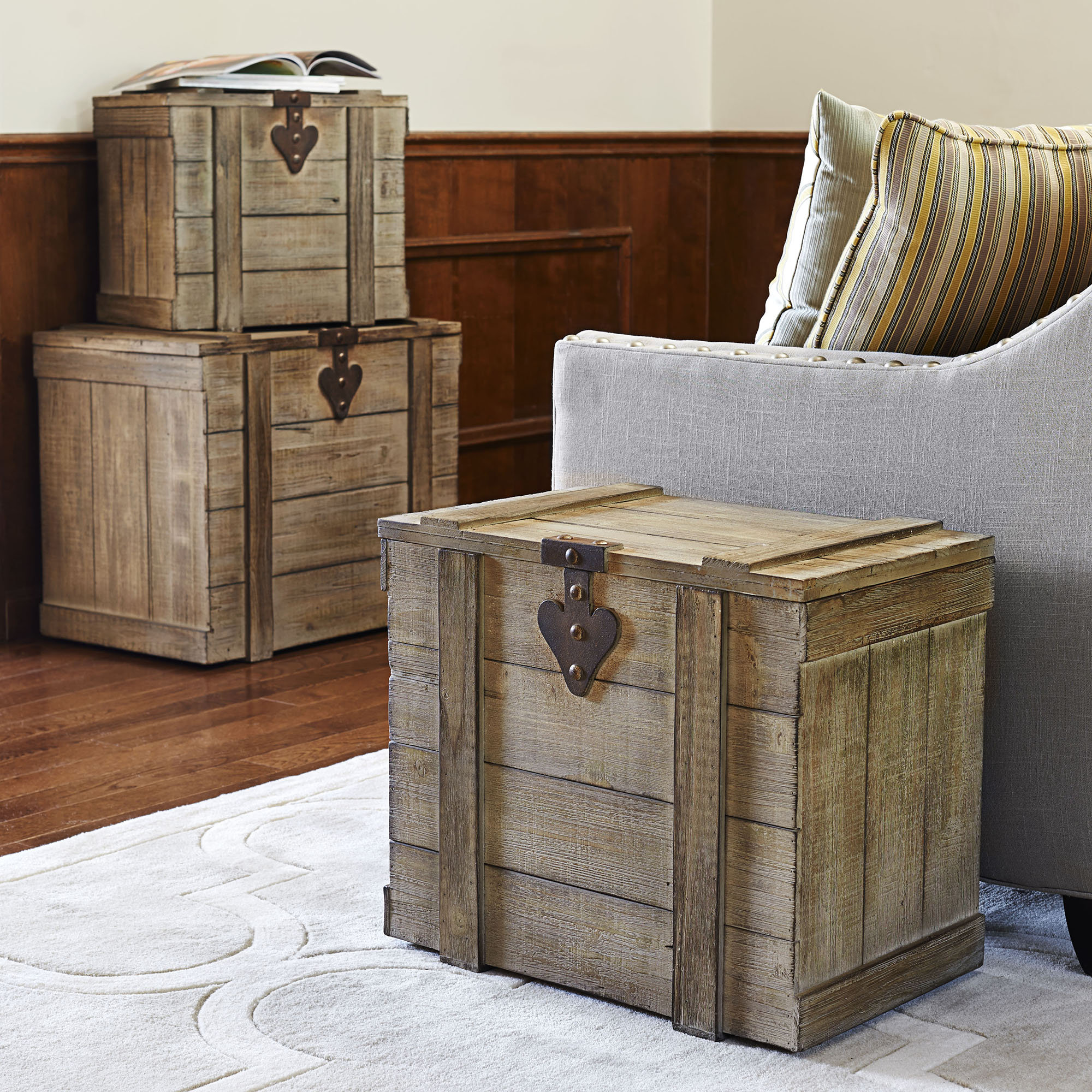
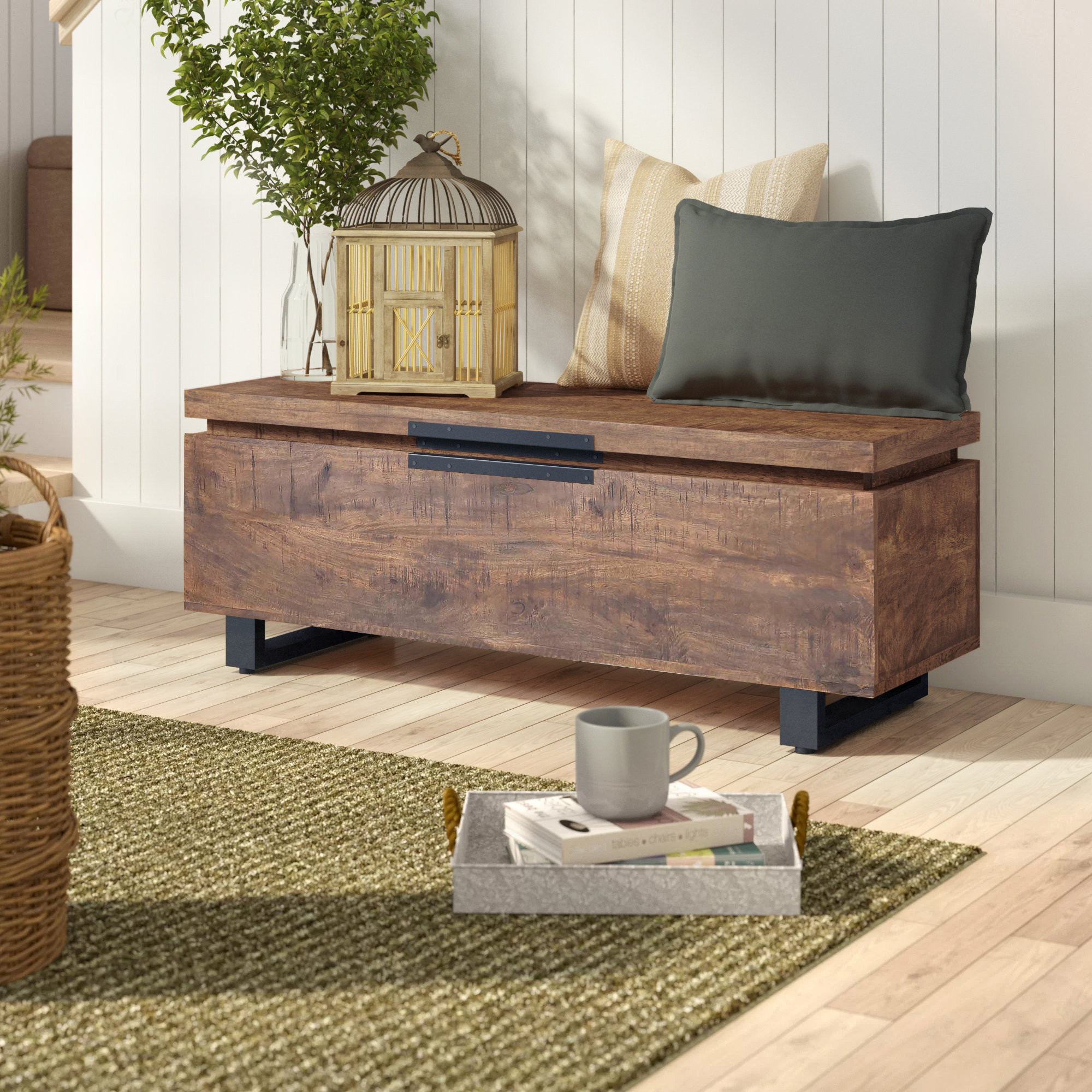


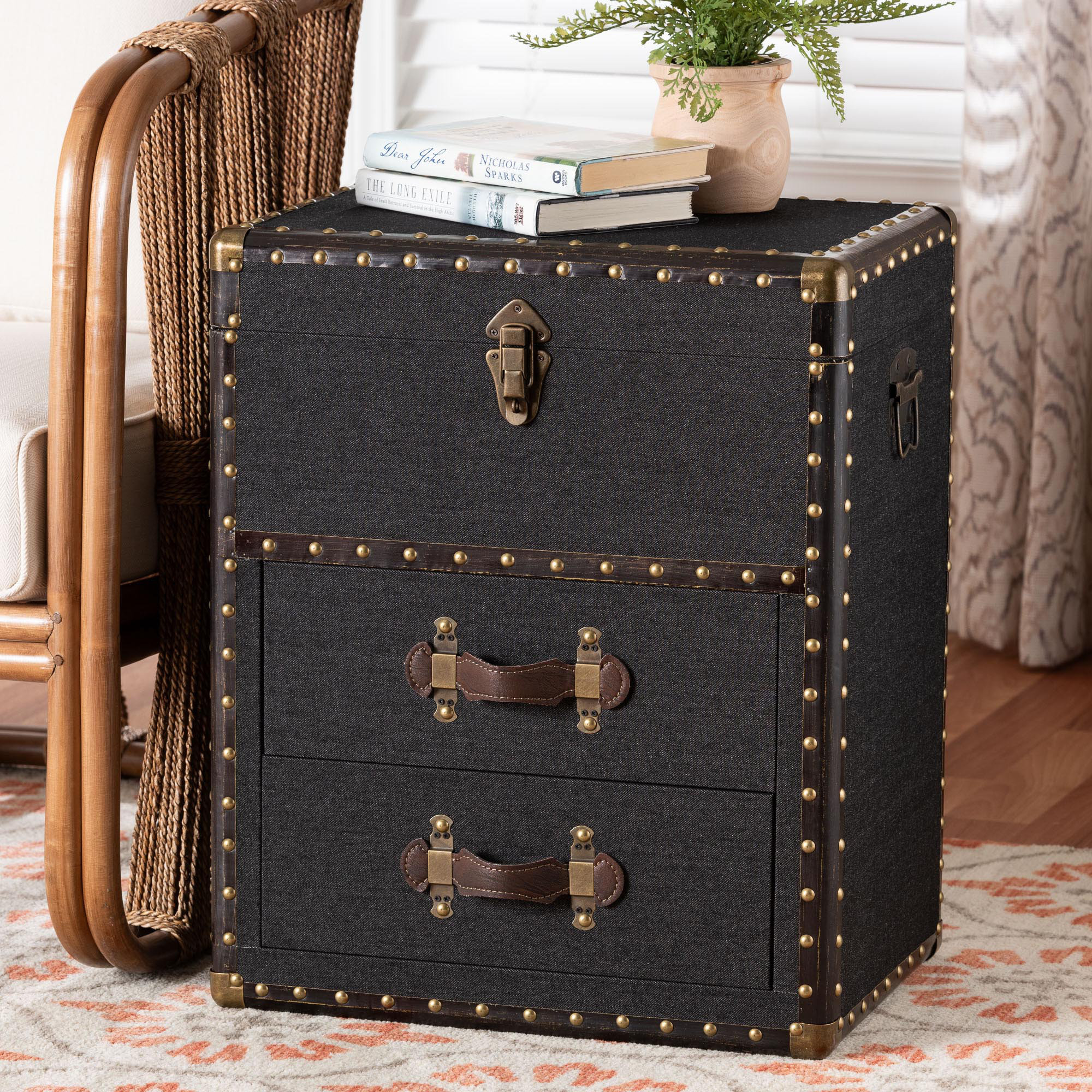
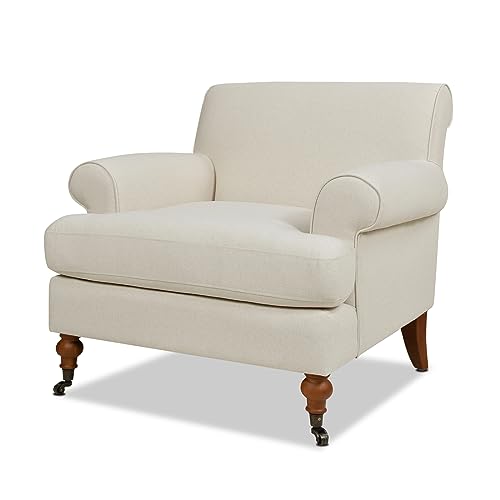
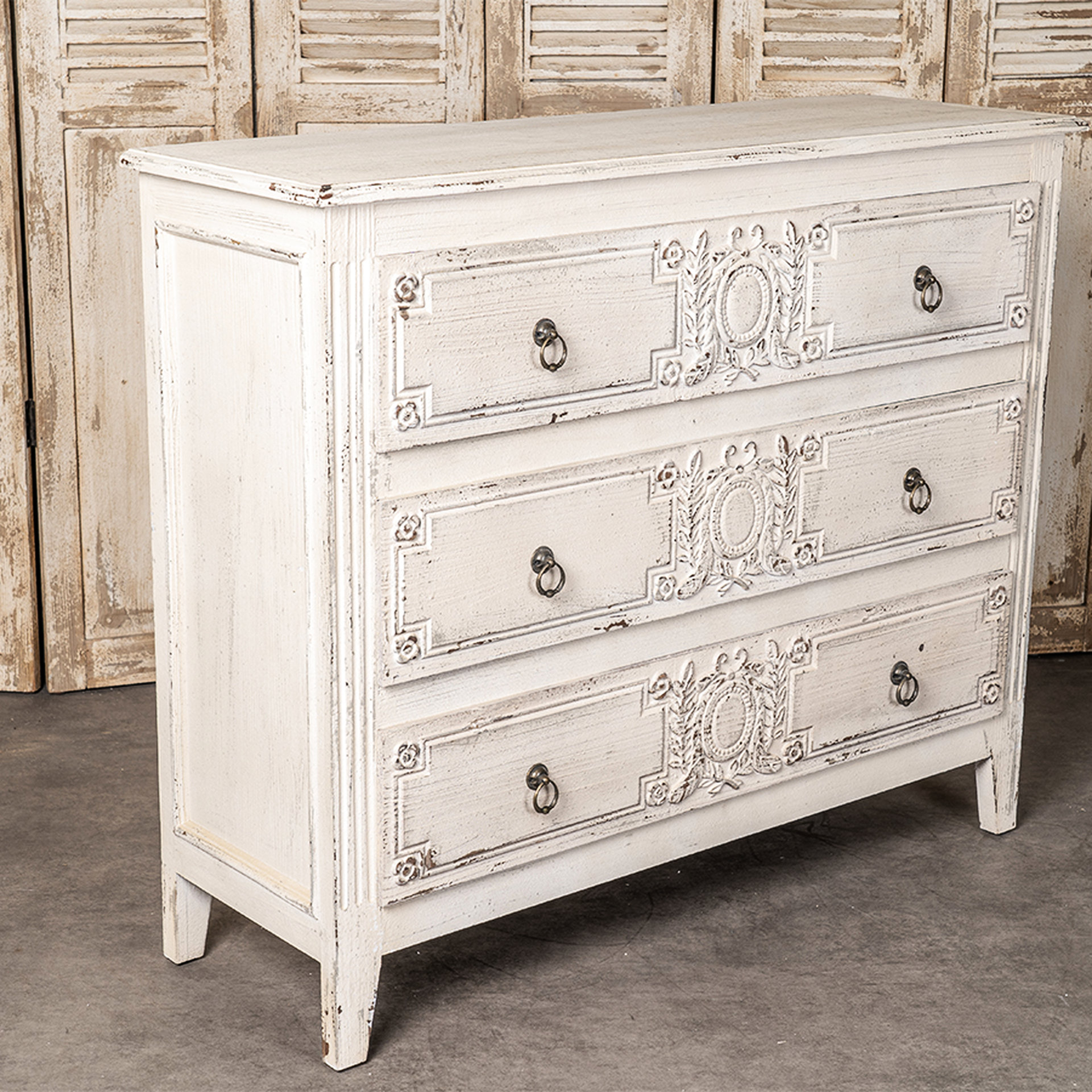
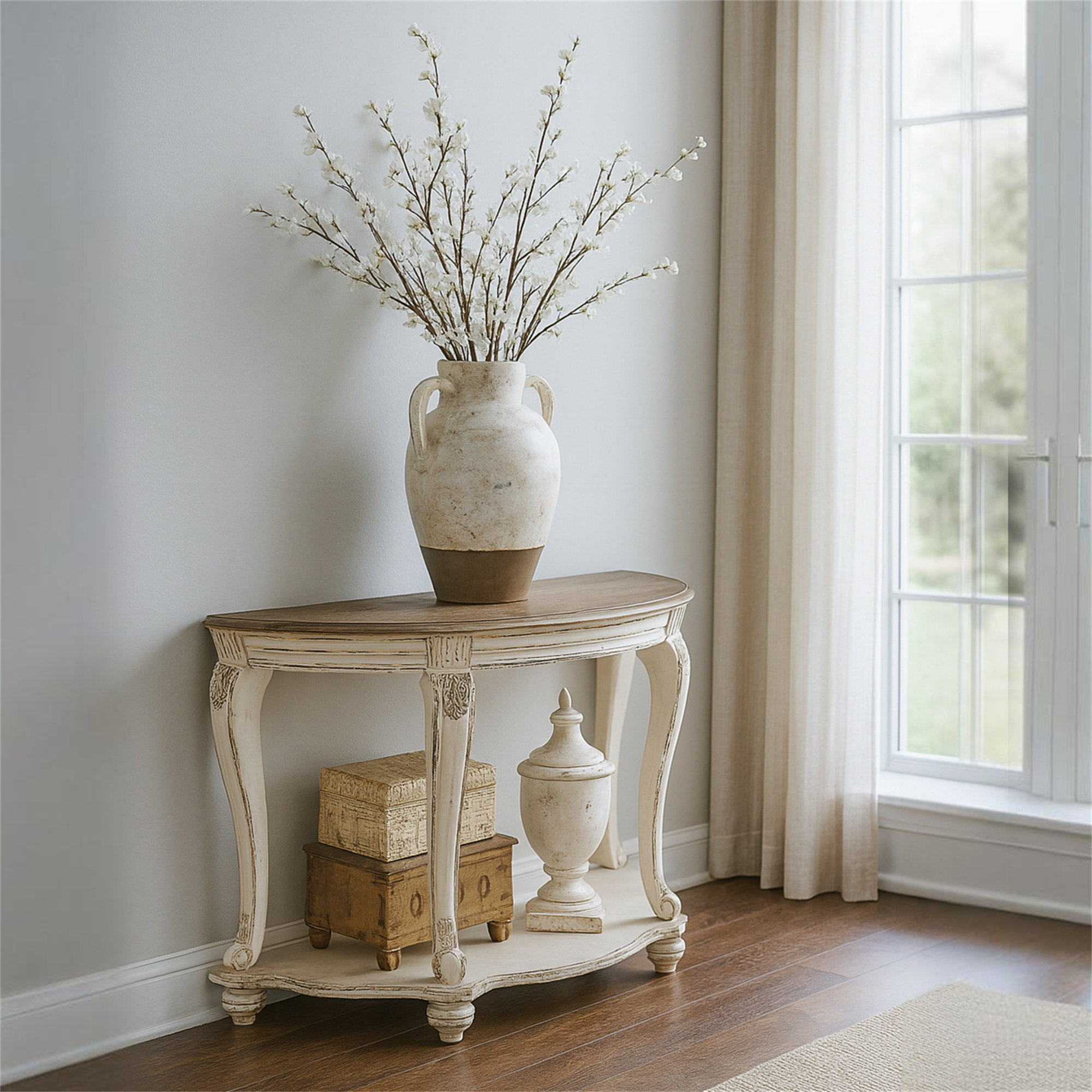
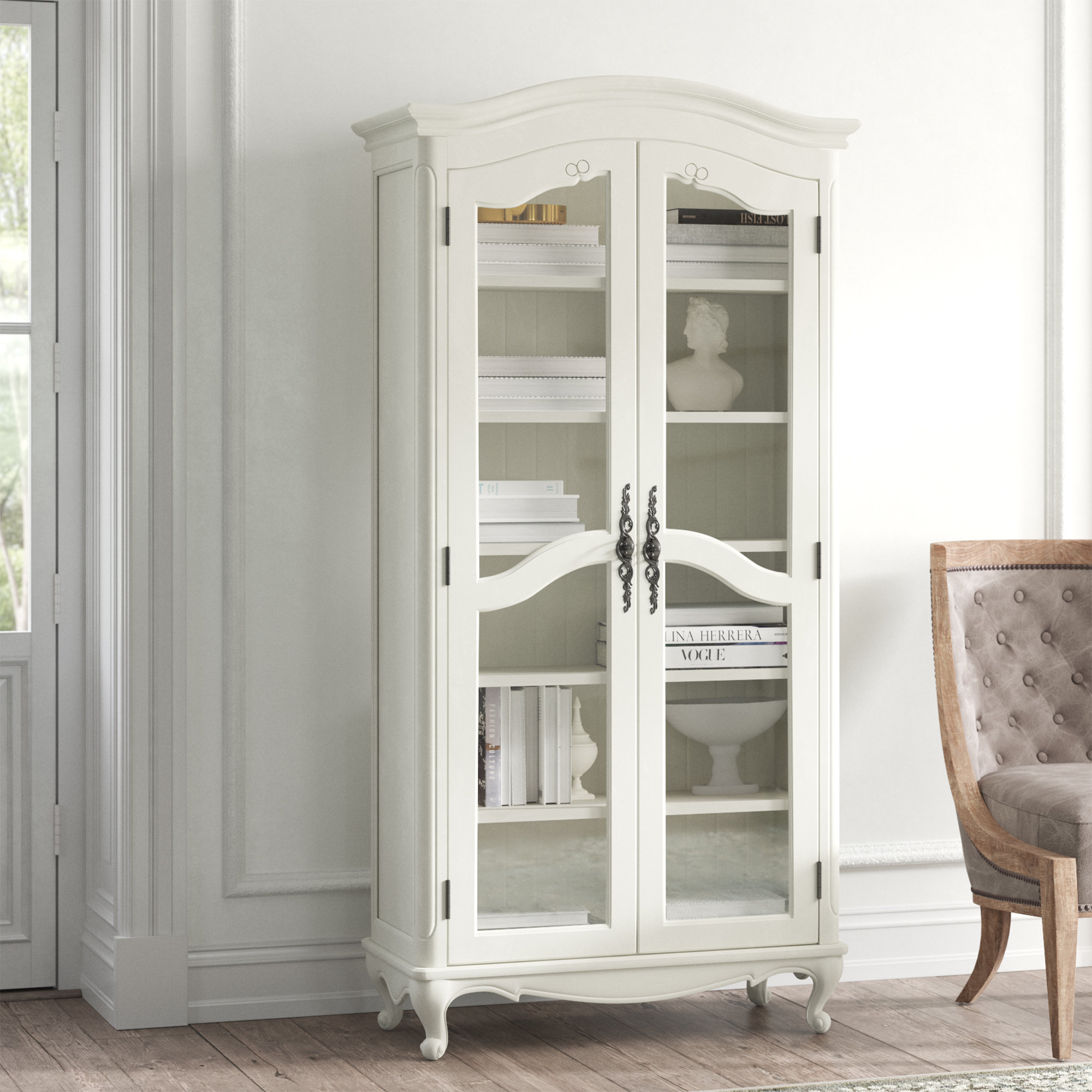


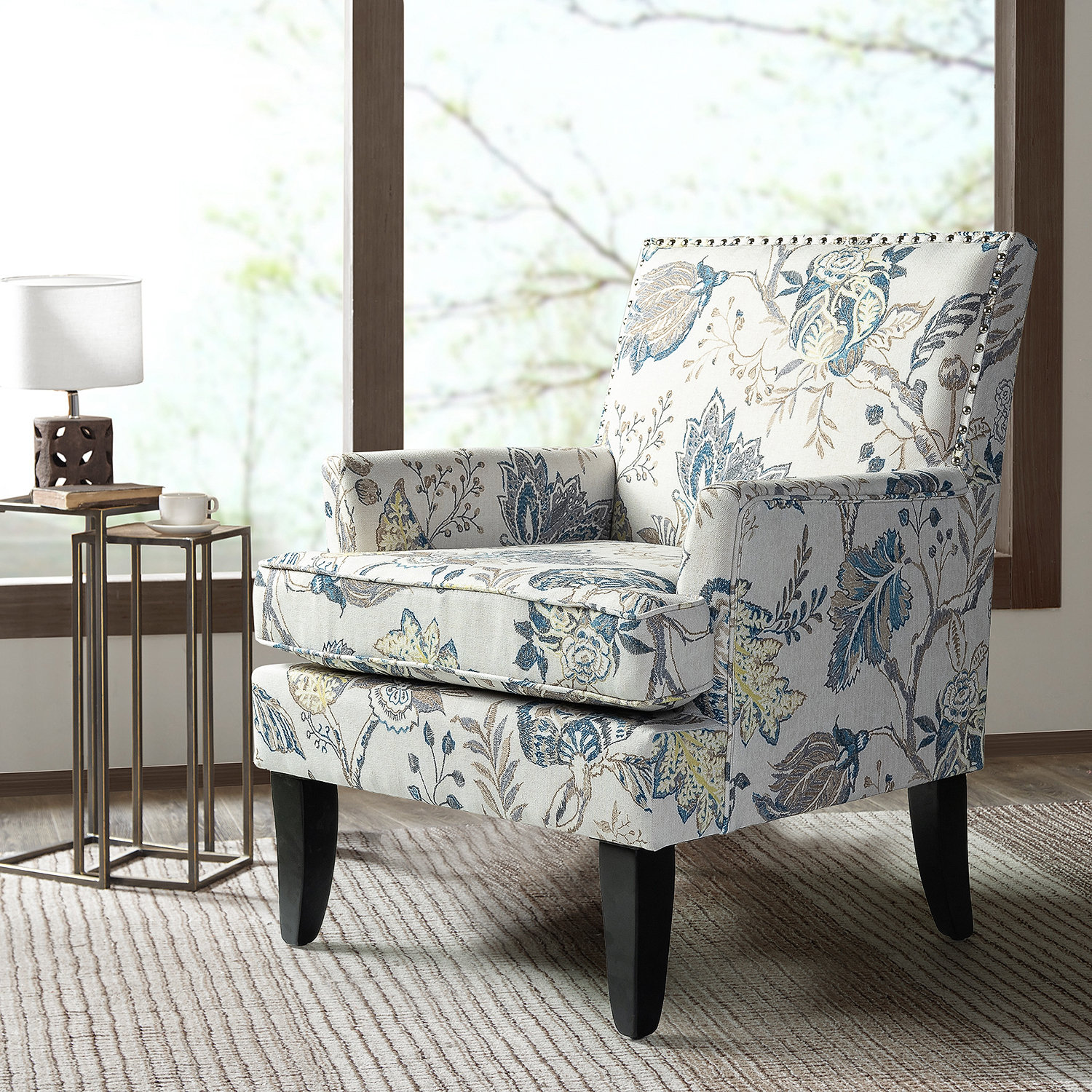
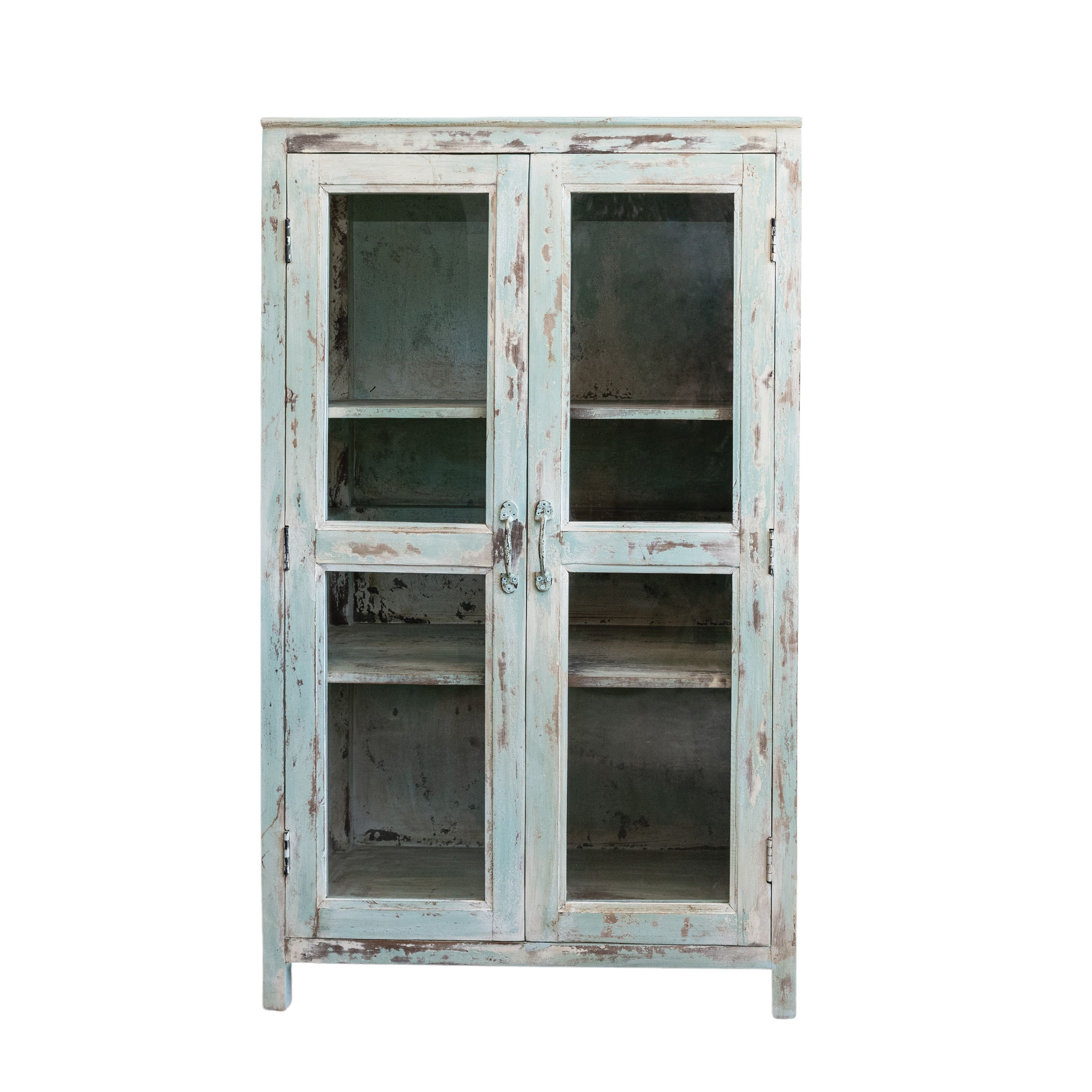
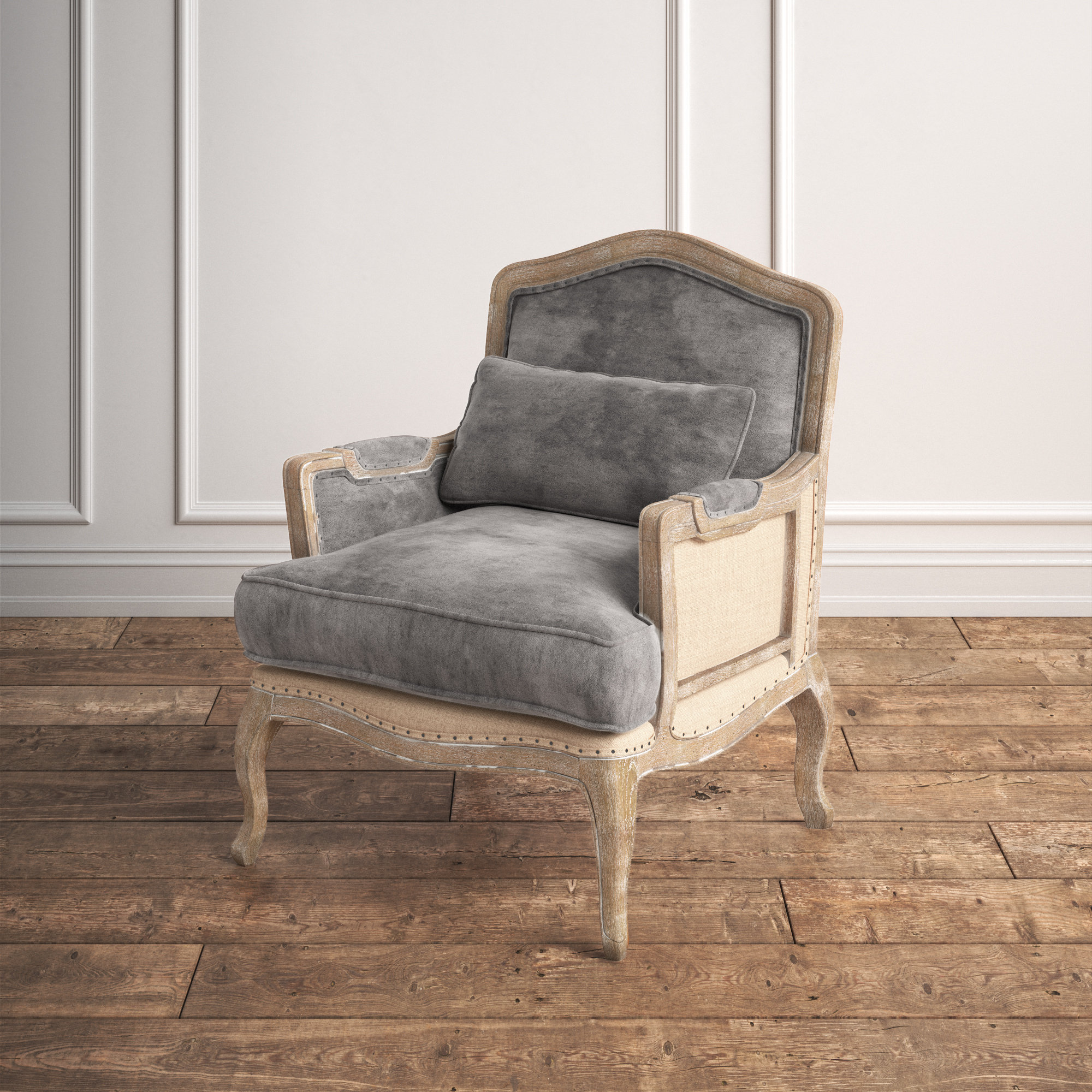
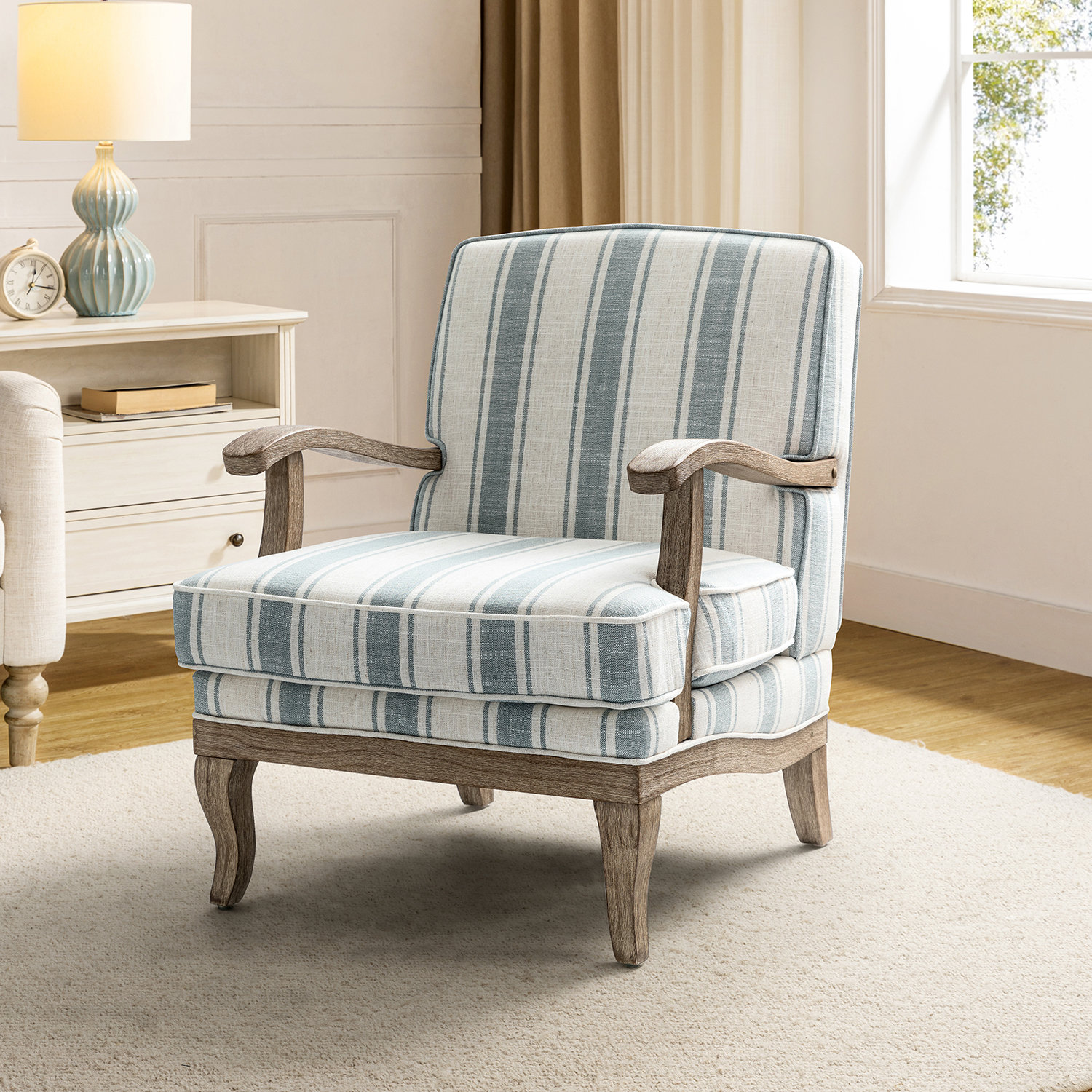
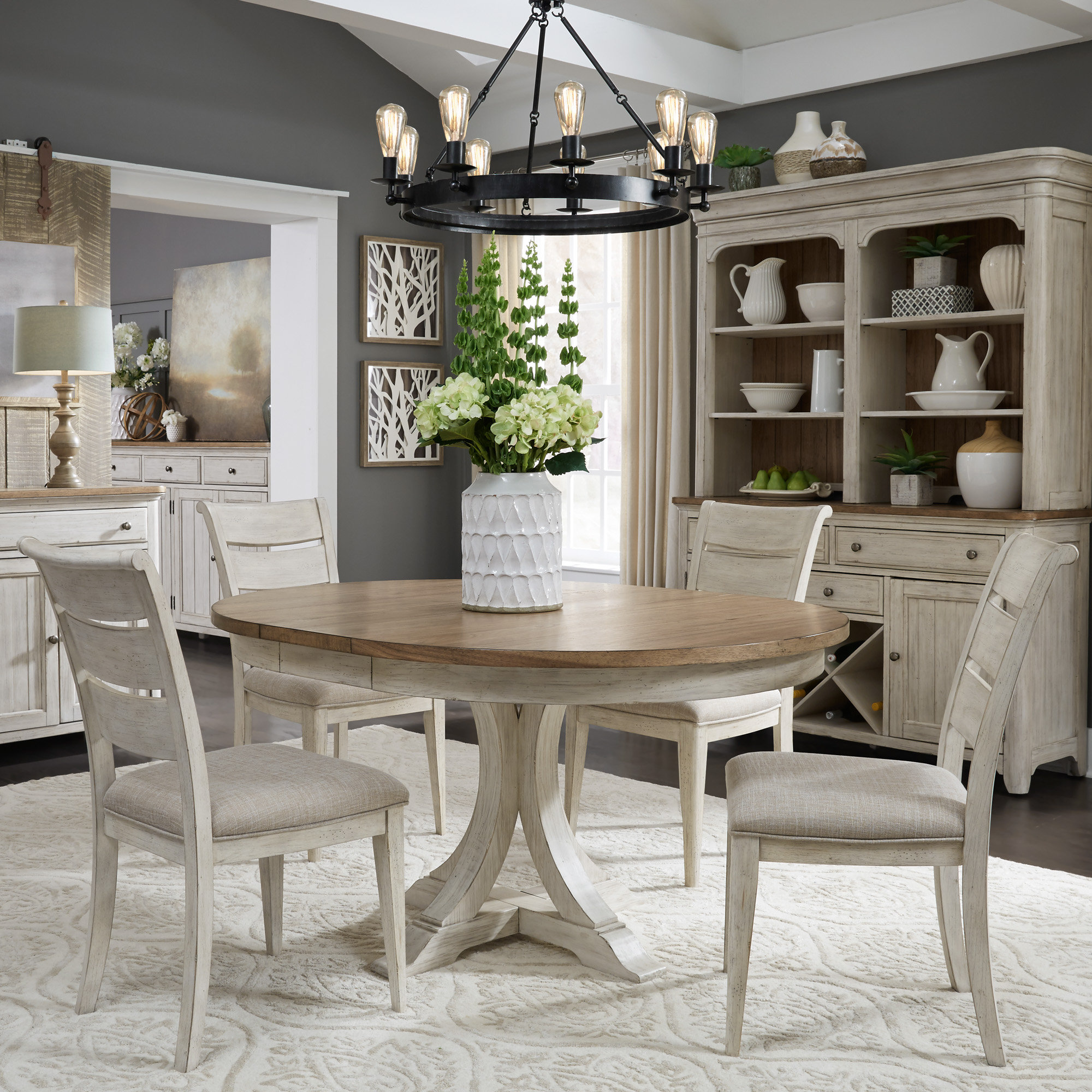
1. Reclaimed Wood with Warm Neutrals

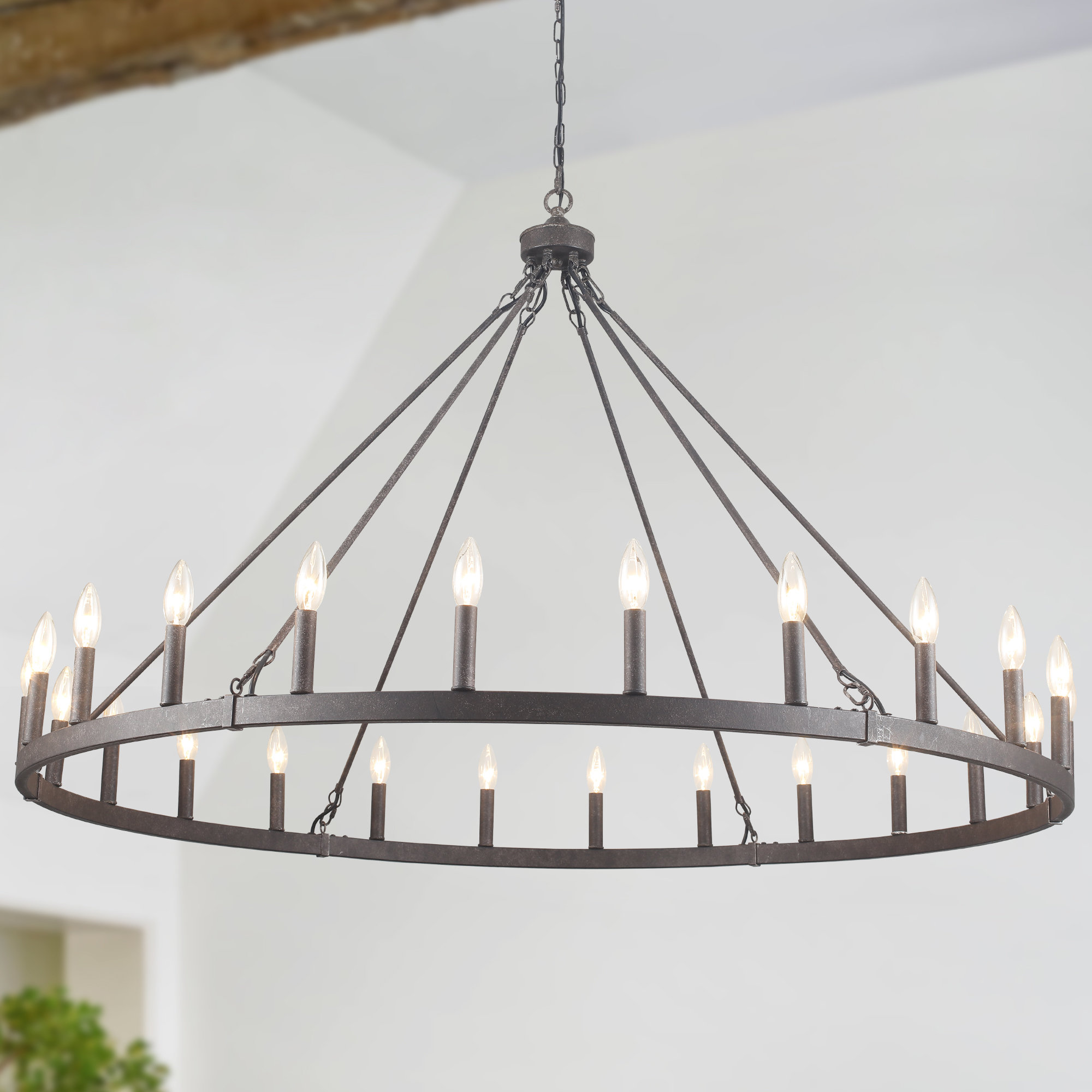
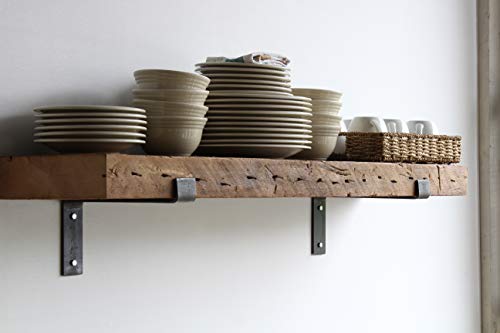
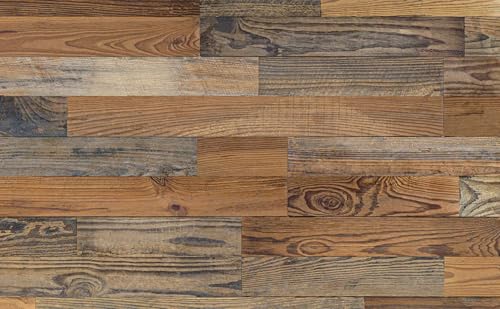
Reclaimed wood brings instant rustic character with its weathered patina and natural imperfections. The aged texture tells a story through knots, nail holes, and varied grain patterns. This material works beautifully as accent walls, ceiling beams, or furniture pieces.
Pair reclaimed wood with a warm neutral palette of cream, beige, and soft taupe. These colors let the wood’s natural beauty shine while creating a cohesive look. The neutrals provide breathing room and prevent the space from feeling too heavy or dark.
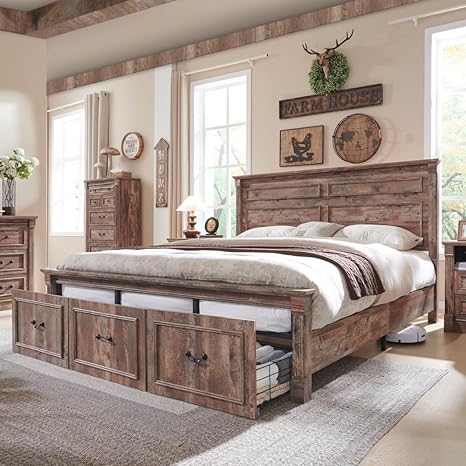
This combination excels in bedrooms and living rooms where you want a calm, grounded atmosphere. The wood adds warmth and texture while the neutral base keeps the room feeling open and airy. Layer different shades of cream and beige to add subtle depth without competing with the wood’s character.
Consider using lighter neutrals on walls to contrast with darker reclaimed wood tones. This creates visual interest and highlights the wood’s unique texture. Add soft textiles in complementary beige tones to complete the rustic color palette.
2. Natural Stone with Earthy Browns

Natural stone introduces a raw, organic texture that grounds any rustic space. Fieldstone, river rock, and slate offer varied surface patterns from smooth to rough. Stone works as fireplace surrounds, accent walls, or flooring to anchor your design.
Match stone’s natural variations with a palette of earthy browns ranging from chocolate to tan. These colors echo the outdoors and create harmony with the stone’s inherent tones. The brown spectrum adds warmth that balances the stone’s cooler gray undertones.
This pairing shines in living spaces and entryways where you want to make a strong first impression. The stone provides durability and timeless appeal, while browns add coziness. Use darker browns for furniture and lighter tans for walls to create layered depth.
Incorporate different brown shades through leather furniture, wood accents, and textiles. This creates a rich, monochromatic scheme that feels sophisticated yet rustic. The texture contrast between smooth browns and rough stone adds visual interest throughout the room.
3. Rough-Hewn Timber with Forest Greens
Rough-hewn timber showcases wood in its most authentic form with visible saw marks and unfinished edges. This texture brings an organic, handcrafted quality that feels both rustic and refined. Exposed beams, mantels, or furniture made from rough timber become focal points.
Combine this rugged wood texture with deep forest green tones for a nature-inspired color scheme. Green connects to the outdoors and pairs naturally with wood’s warm tones. This rustic color palette evokes mountain cabins and woodland retreats.
The contrast between timber’s warm browns and cool forest greens creates visual balance. Use sage, olive, or pine green in varying intensities. Lighter greens work for walls while deeper shades accent through textiles and decor.
This combination thrives in dens, home offices, or dining rooms where you want an intimate, grounded feel. The timber adds architectural interest while greens provide a calming backdrop. Mix in cream or ivory accents to prevent the space from feeling too dark.

4. Distressed Leather with Rustic Reds

Distressed leather brings luxurious texture with a lived-in quality that’s essential to rustic style. The worn patina and soft sheen add sophistication while maintaining an authentic, unpretentious feel. Leather furniture becomes more beautiful with age and use.
Pair rich leather tones with rustic reds ranging from brick to burgundy. These warm reds create an inviting, heritage-inspired atmosphere. The color combination feels both bold and grounded, perfect for spaces where you want drama without sacrificing coziness.
Use cognac or brown leather as your primary texture in sofas or chairs. Introduce rustic reds through accent walls, textiles, or decorative elements. The reds should enhance the leather’s warm undertones rather than compete with them.
This pairing works exceptionally well in living rooms, libraries, or man caves. The combination of soft leather texture and bold red hues creates a masculine, sophisticated rustic look. Balance the richness with neutral elements like cream or charcoal to prevent visual overwhelm.
Layer different red shades from terracotta to deep burgundy for dimensional color. Add copper or bronze metal accents to bridge the warm tones. This creates a cohesive rustic color scheme that feels intentional and polished.
5. Weathered Barn Wood with Soft Grays


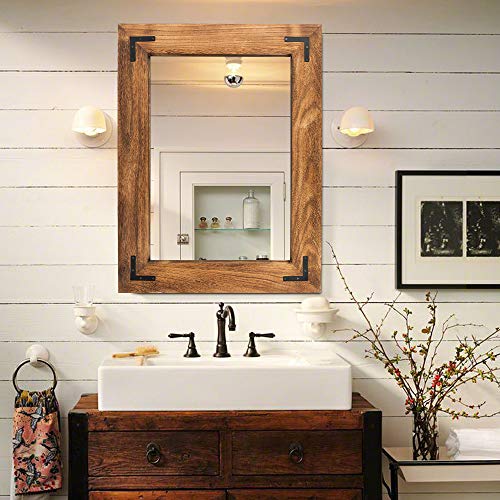
Weathered barn wood develops a silvered gray patina over decades of exposure to the elements. This texture offers rustic authenticity with a softer, more refined appearance than darker reclaimed wood. The gentle gray tones feel both vintage and contemporary.
Match barn wood’s subtle coloring with a palette of soft grays from dove to charcoal. This monochromatic approach creates a sophisticated rustic look that feels calm and cohesive. Gray tones provide versatility and pair well with any accent color you choose.
The combination works beautifully in bathrooms, kitchens, or modern farmhouse spaces. Weathered wood adds rustic texture without overwhelming smaller rooms. The gray palette keeps the space feeling light and airy rather than heavy or dark.
Use lighter grays for walls and ceilings to create contrast with the barn wood’s varied tones. Introduce charcoal or slate gray through hardware, light fixtures, or textiles for depth. This layered approach adds visual interest while maintaining a cohesive color scheme.
White or cream accents brighten the gray palette and highlight the wood’s natural texture. This three-color combination of weathered wood, gray, and white creates a fresh take on rustic style that feels current and timeless.
6. Raw Concrete with Industrial Grays

Raw concrete introduces an urban, industrial texture to rustic design. The smooth yet imperfect surface with subtle color variations adds a modern edge. Concrete works as flooring, countertops, or accent walls to ground contemporary rustic spaces.
Pair concrete’s cool gray tones with industrial-inspired grays in steel, charcoal, and slate. This creates a modern rustic palette that feels sophisticated and masculine. The monochromatic gray scheme provides a neutral canvas for bold accent colors or natural wood tones.
This combination thrives in lofts, kitchens, or bathrooms where you want an updated rustic look. The concrete adds durability and low-maintenance appeal while gray colors create visual cohesion. Mix smooth concrete with rough textures like wood or metal for contrast.
Introduce warmth through natural wood elements and avoid making the space feel cold or sterile. Use different gray intensities to create depth within the monochromatic palette. Darker charcoal accents add definition while lighter grays keep the room feeling open.
Metal accents in steel or iron complement both concrete and gray beautifully. This material combination creates an industrial rustic style that feels current and sophisticated. Add greenery or natural fibers to soften the hard surfaces and connect to organic rustic roots.
7. Burlap and Linen with Creamy Whites

Natural fiber textiles, such as burlap and linen, add an organic texture with visible weaves and slight irregularities. These materials bring softness to rustic spaces while maintaining an authentic, handcrafted quality. Their matte finish and natural variations create visual interest.
Combine these neutral textiles with a palette of creamy whites and warm ivories. This light, airy color scheme feels fresh and peaceful while remaining true to rustic style. The subtle warm undertones prevent the whites from feeling stark or clinical.
Layer different natural fiber textures throughout the space for dimensional interest. Use burlap for accent pieces, linen for bedding or curtains, and cotton for additional softness. The varied textures create depth within the monochromatic cream palette.
This combination excels in bedrooms and living spaces where you want a serene, restful atmosphere. The light colors make small spaces feel larger while natural textures add warmth. Mix in weathered wood or wicker elements to enhance the rustic character.
Accent with soft beige or tan tones to add gentle contrast without disrupting the peaceful palette. This neutral base allows you to easily change accent colors seasonally while maintaining a cohesive rustic foundation. The combination of cream and natural fiber feels timeless and adaptable.
8. Copper and Metal with Warm Oranges

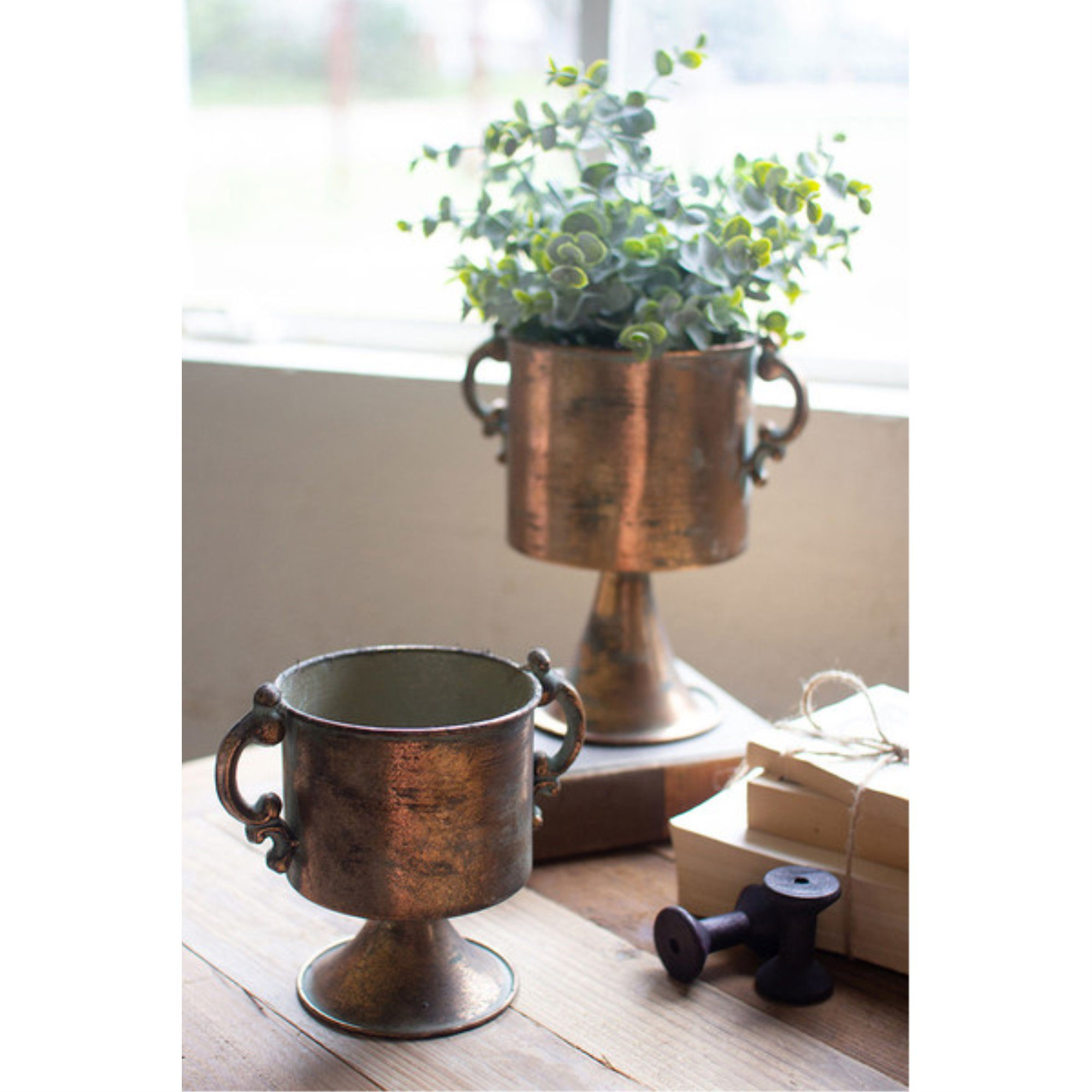
Metal accents in copper, bronze, and iron add reflective texture and warmth to rustic spaces. Copper’s natural patina develops character over time, making it perfect for authentic rustic design. The metallic sheen creates visual interest and catches light beautifully.
Pair warm metals with orange-based hues ranging from rust to burnt orange. These colors echo copper’s natural tones and create a harmonious, sun-warmed palette. The combination feels bold yet grounded, perfect for spaces needing energy and warmth.
Use copper in light fixtures, hardware, or decorative accents throughout the room. The metal’s reflective quality helps distribute light and adds points of visual interest. Orange tones work as accent walls, textiles, or pottery to reinforce the warm color scheme.
This pairing thrives in kitchens, dining rooms, or spaces with southern exposure. The warm tones enhance natural light and create an inviting, energetic atmosphere. Balance the intensity with cream or beige neutrals to prevent overwhelming the senses.
Layer different orange shades from pale peach to deep rust for color depth. Mix copper with other metals like aged iron for textural contrast. This creates a rich, layered rustic look that feels collected and intentional rather than matchy.
9. Wicker and Rattan with Sandy Beiges
Woven wicker and rattan introduce organic texture with intricate patterns and natural warmth. These materials add a casual, relaxed character while providing functional furniture and storage solutions. The woven texture creates shadow patterns that add visual depth.
Match these natural woven materials with sandy beige tones that echo coastal and desert environments. This color palette feels relaxed and organic, perfect for creating laid-back rustic spaces. Beige provides a neutral foundation that lets texture take center stage.
Use wicker and rattan furniture, baskets, or light fixtures to distribute texture throughout the room. The natural variations in weave and tone add interest without overwhelming the space. Sandy beige walls and textiles create a cohesive backdrop that enhances the materials’ natural beauty.
This combination works wonderfully in sunrooms, porches, or casual living areas. The light colors and natural materials create an airy, breathable atmosphere. Layer different beige shades from sand to tan for subtle dimensional color that maintains the peaceful palette.

Add white or cream accents through cushions and throw pillows for freshness. Natural fiber rugs in jute or sisal reinforce the organic texture theme. This creates a cohesive rustic look that feels effortlessly pulled together and comfortable.
10. Slate and Charcoal with Deep Grays

Slate and similar layered stone materials bring sophisticated texture with natural striations and depth. The matte surface and subtle color variations create understated elegance. Slate works as flooring, countertops, or wall cladding for a dramatic rustic impact.
Pair slate’s natural gray tones with a palette of deep charcoal and slate blue-grays. This creates a moody, dramatic rustic color scheme that feels modern and refined. The darker tones add coziness and an intimate atmosphere to larger spaces.
Use lighter grays as your base to prevent the space from feeling cave-like. Introduce charcoal and slate tones through accent walls, furniture, or architectural elements. The layered gray palette creates depth while maintaining visual cohesion throughout the room.
This combination excels in bathrooms, home theaters, or master bedrooms where you want a sophisticated retreat. The darker tones create intimacy while the stone texture adds natural elegance. Balance with white fixtures or cream textiles to add contrast and prevent monotony.
Mix smooth and rough textures within the gray palette for dimensional interest. Polished slate against matte charcoal paint creates a subtle yet effective contrast. Add warm wood tones or copper accents to prevent the space from feeling too cool or austere.
Bringing Rustic Texture and Color Combinations Together
Creating successful rustic interiors requires understanding how textures and colors interact. Each combination in this guide offers a foundation you can adapt to your specific space and style preferences. The key is maintaining balance between bold textures and complementary color palettes.
Start with Texture
Choose your primary texture first based on the room’s function and your design goals. This anchors your design and guides color decisions.
- Consider maintenance requirements for each material
- Evaluate how texture affects room acoustics and light
- Think about tactile experience and comfort
- Plan for texture placement as focal points
Layer Your Colors
Use a base color for walls, then add depth through accent tones. This creates visual interest without overwhelming the space.
- Apply the 60-30-10 rule for color distribution
- Test paint samples in different lighting conditions
- Consider how colors shift throughout the day
- Balance warm and cool tones for harmony
Mix Materials Thoughtfully
Combine different textures within your chosen palette to add dimensional interest and authentic rustic character.
- Pair rough textures with smooth surfaces for contrast
- Repeat materials throughout space for cohesion
- Limit to three or four primary materials
- Consider scale and proportion in material selection
Balance Light and Dark
Create visual contrast by balancing light and dark elements within your rustic color scheme for depth and interest.
- Use darker tones to ground and anchor spaces
- Apply lighter colors to reflect light and open rooms
- Add white or cream as a contrast color throughout
- Consider natural light sources when planning tones

Practical Application Tips
When implementing these rustic textures and color combinations, start with smaller elements before committing to major changes. Paint swatches on walls and live with them for several days to see how light affects the color throughout the day. Consider the room’s natural light exposure when selecting tones.
Purchase material samples whenever possible to test texture and color together in your actual space. This prevents costly mistakes and ensures satisfaction with your choices. Photograph samples in your room at different times to see how they interact with existing elements.
Remember that rustic style embraces imperfection and evolution. Your space will develop more character over time as materials age naturally. Choose quality materials that improve with use rather than deteriorate. This authentic approach creates genuinely rustic spaces rather than staged replicas.
Common Mistakes to Avoid
Don’t over-coordinate your rustic color palette to the point where it feels artificial or forced. Natural materials have inherent color variations that should be celebrated rather than matched perfectly. Allow some intentional mismatch for authentic rustic character.
Avoid using too many competing textures in one space. While texture is essential to rustic design, overloading a room creates visual chaos. Select three to four primary textures and repeat them throughout for cohesion.
Don’t neglect proper lighting when planning your color scheme. Dark rustic colors need adequate lighting to avoid feeling oppressive. Layer ambient, task, and accent lighting to highlight textures and create warmth throughout the space.
Creating Your Perfect Rustic Sanctuary
These ten rustic texture and color combinations provide a foundation for creating spaces that feel authentic, warm, and inviting. Each pairing balances natural materials with complementary colors to achieve a genuine rustic style. The key to success lies in understanding how texture and color work together to create atmosphere.
Remember that rustic design celebrates natural beauty and imperfection. Don’t strive for perfection or excessive coordination. Instead, focus on creating spaces that feel lived-in, comfortable, and connected to nature. Use these combinations as starting points and adapt them to reflect your personal style and practical needs.
Start small by introducing one combination into a single room. As you gain confidence with pairing textures and colors, expand your rustic design throughout your home. The beauty of these combinations is their flexibility and timeless appeal that will serve you well for years to come.

Your home should reflect who you are while providing comfort and functionality. These rustic textures and color combinations help you achieve that goal through thoughtful material selection and harmonious color planning. Whether you prefer the drama of dark slate and charcoal or the serenity of cream and natural fibers, there’s a rustic combination that will transform your space into the sanctuary you envision.










Discover more from Cozy Corner
Subscribe to get the latest posts sent to your email.