We earn a commission if you make a purchase, at no additional cost to you.
Being surrounded by clutter doesn’t just make your space look messy—it actually increases your stress levels. Studies show that physical clutter raises cortisol (the stress hormone) and can lead to anxiety, poor focus, and even depression. On the flip side, decluttering raises serotonin levels, making you happier, calmer, and more focused. If you’re feeling overwhelmed by stuff and complexity, you’re not alone. This guide offers 10 practical, easy-to-implement strategies to help you declutter your space and simplify your life.

The transformation from cluttered to simplified living spaces can dramatically reduce stress and increase well-being.
Get Your Free Decluttering Checklist
Start your decluttering journey with our room-by-room checklist. This printable guide will help you tackle every space in your home systematically and effectively.
1. Start With Small, Visible Spaces
One of the biggest mistakes people make when decluttering is trying to tackle too much at once. This approach often leads to feeling overwhelmed and giving up before making real progress. Instead, start with small, visible areas that will give you quick wins and motivation to continue.

Begin With These Quick-Win Areas:
- Kitchen countertops (clear everything except 1-2 essential appliances)
- Bathroom counters (limit to daily essentials only)
- Your nightstand (keep only what you use nightly)
- The dining table (should be completely clear when not in use)
- Entryway surfaces (create a dedicated spot for keys and mail)
Set a timer for just 10-15 minutes and focus on one small area. You’ll be amazed at how much you can accomplish in short bursts, and the visible results will fuel your motivation to continue your decluttering and simplifying your life journey.
2. Implement the “One In, One Out” Rule
A key principle to maintaining a clutter-free home is controlling what comes in. The “One In, One Out” rule is simple but powerful: for every new item you bring home, one similar item must leave. This creates a sustainable system that prevents clutter from accumulating again after your initial decluttering efforts.

How to Make This Rule Work:
- Before purchasing something new, identify what it will replace
- Keep a donation box in your closet for immediate action
- Apply this rule to all categories: clothes, books, kitchen items, toys
- For digital items, delete old files when adding new ones
- Make exceptions only for true necessities
This simple habit prevents the slow creep of clutter back into your life. It’s especially effective for managing areas prone to accumulation, like clothing, books, and kitchen gadgets. When shopping, ask yourself: “What will this replace?” If you can’t answer, reconsider the purchase.
3. Use the Four-Box Method for Efficient Sorting
When tackling larger decluttering projects, the four-box method provides a simple framework to make decisions quickly and consistently. This approach eliminates decision fatigue and creates clear categories for every item you encounter.

Set Up Four Containers Labeled:
Keep
Items you use regularly or that bring genuine joy. These stay in the current space but may need better organization.
Donate/Sell
Items in good condition that someone else could use. These leave your home but benefit others.
Trash/Recycle
Items that are broken, expired, or unusable. These leave your home immediately.
Relocate
Items that belong in a different room. These stay in your home but need proper placement.
The power of this method is that it forces a decision for every item—nothing goes back into storage without consideration. Work through one area at a time, handling each item once and placing it in the appropriate box. When finished with the area, immediately take out the trash and put the donation box in your car.
4. Don’t Forget Digital Decluttering
Physical clutter isn’t the only type that affects our well-being. Digital clutter—from overflowing inboxes to chaotic file systems—can be just as mentally draining. A digital declutter can improve your productivity and reduce the mental load of managing too much information.

Digital Areas to Declutter:
- Email inbox (create folders, unsubscribe from newsletters, delete old messages)
- Computer desktop (organize files into folders, delete unused shortcuts)
- Phone apps (remove apps you haven’t used in 3+ months)
- Photos (delete duplicates and poor-quality images, organize into albums)
- Social media (unfollow accounts that don’t bring value or joy)
- Bookmarks (clean up and organize into folders)
Set aside 20 minutes each week for digital maintenance. Just as with physical spaces, maintaining digital order is easier than dealing with accumulated digital clutter. Consider using apps designed to help manage digital information, such as password managers, photo organizers, or email management tools.
5. Practice Mindful Consumption
A simplified life isn’t just about getting rid of things—it’s about being intentional about what you bring into your life in the first place. Mindful consumption means making thoughtful choices about purchases rather than buying on impulse or for temporary emotional satisfaction.

Questions to Ask Before Buying:
“Do I need it, or do I just want it right now?”
“Where will I store this item?”
“Will I still be using this a year from now?”
“Does this align with my values and priorities?”
“Am I buying this to fill an emotional need?”
Practical Strategies:
- Implement a 24-hour waiting period for non-essential purchases
- Keep a wish list and review it monthly before making purchases
- Focus on experiences rather than material goods
- Consider the full lifecycle of items (including eventual disposal)
- Choose quality over quantity for items you use regularly
By becoming more conscious of consumption habits, you naturally reduce the inflow of new items and maintain the simplicity you’ve worked to create. This mindset shift is often the most powerful long-term strategy for a decluttered life.
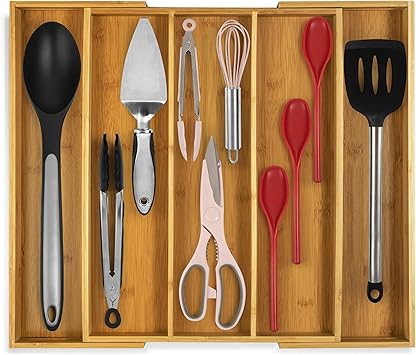
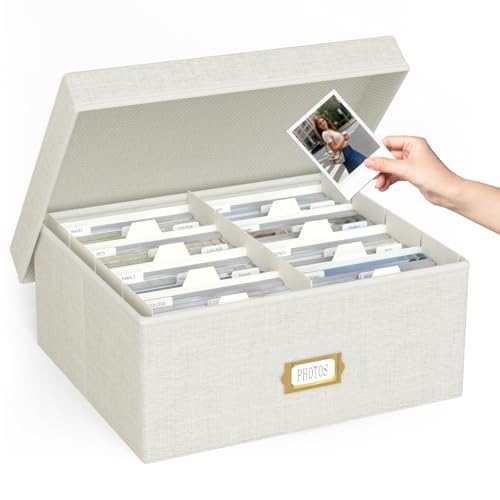
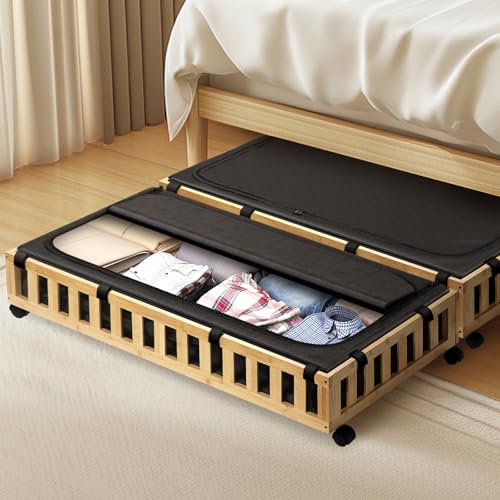
6. Create Simple Organization Systems
Once you’ve decluttered, establishing simple organization systems helps maintain order and prevents the slow return of chaos. The key is creating intuitive systems that are easy to maintain—if it’s complicated, you won’t stick with it.

Essential Organization Principles:
- Store items where you use them (cleaning supplies near where you clean)
- Group similar items together (all baking supplies in one area)
- Make everyday items easily accessible
- Use clear containers so you can see what’s inside
- Label everything, especially in shared spaces
- Leave 20% empty space in drawers and shelves
Simple Systems That Work:
Paper Management: Create three folders—Action (bills to pay), Reference (documents to keep), and Archive (important records).
Clothing: Arrange by category and color; use the “front-facing” method to see all options.
Kitchen: Zone areas by function (cooking, baking, coffee station) and store items accordingly.
Entryway: Create a “landing strip” with designated spots for keys, mail, and bags.
Remember that the best system is one you’ll actually use. Start simple and adjust as needed based on your habits and needs. The goal is to make maintaining order easier than creating disorder.






7. Schedule Regular Decluttering Sessions
Decluttering isn’t a one-time event but an ongoing process. Scheduling regular decluttering sessions prevents buildup and keeps your spaces functional and peaceful. These maintenance sessions are much easier and quicker than major decluttering projects.

Effective Scheduling Approaches:
Daily Quick Tidy (5-10 minutes)
- Clear and wipe kitchen counters
- Process mail immediately
- Return items to their proper homes
- Do a quick sweep of high-traffic areas
Weekly Focus Areas (30 minutes)
- Monday: Kitchen declutter
- Wednesday: Bathroom refresh
- Friday: Office/paperwork review
- Sunday: Week ahead preparation
Monthly Deep Dive (2-3 hours)
Choose one area per month for a more thorough decluttering and organization review. Rotate through spaces like:
- Clothing and accessories
- Kitchen cabinets and pantry
- Digital files and photos
- Garage or storage areas
- Children’s toys and books
Put these sessions on your calendar and treat them as important appointments. Even 15 minutes of focused decluttering is better than nothing. Consistency is more important than marathon sessions that lead to burnout.
8. Handle Sentimental Items Thoughtfully
Sentimental items often present the biggest challenge when decluttering. These objects carry emotional weight that can make rational decision-making difficult. With a thoughtful approach, you can honor memories while preventing sentimental clutter from overwhelming your space.

Strategies for Sentimental Items:
- Set a physical limit (one memory box per person or life phase)
- Take photos of bulky items before letting them go
- Keep one representative item instead of the entire collection
- Create digital scrapbooks for photos and children’s artwork
- Display truly special items rather than storing them
- Ask: “Does this item help me connect with the memory, or is the memory in me?”
“We don’t need to keep everything to preserve a memory. Often, the memory lives within us, not within the object.”
Remember that letting go of an item doesn’t mean letting go of the memory or diminishing its importance. By curating your sentimental items to those that truly matter, you actually honor those memories more effectively than by keeping everything in boxes you never open.
9. Simplify Daily Routines
Clutter isn’t just physical—it can be in how we structure our time and activities. Simplifying your daily routines creates more space for what truly matters and reduces the mental load of decision-making throughout your day.

Areas to Simplify:
Morning Routine
- Prepare clothes and meals the night before
- Create a consistent wake-up sequence
- Limit morning decisions (same breakfast options)
- Build in buffer time to reduce stress
Work Processes
- Batch similar tasks together
- Schedule focused work blocks
- Limit meetings to specific days/times
- Create templates for recurring tasks
Meal Planning
- Develop a rotating menu of favorite meals
- Shop with a specific list based on planned meals
- Prep ingredients in batches
- Simplify weeknight cooking with theme nights
Evening Wind-Down
- Create a consistent bedtime routine
- Prepare for the next day
- Include a quick 10-minute tidy-up
- Limit screen time before sleep
By creating predictable routines for recurring activities, you free up mental energy for more important decisions and creative thinking. Start by identifying your most stressful or chaotic daily activities and focus on simplifying those first.
10. Regularly Evaluate Commitments and Relationships
A truly simplified life extends beyond physical possessions to include how you spend your time and energy. Regularly evaluating your commitments and relationships ensures you’re investing in what truly matters to you rather than what others expect.

Questions for Commitment Evaluation:
“Does this activity align with my current values and priorities?”
“Does this commitment energize me or drain me?”
“If I were invited to this today, would I say yes?”
“Am I doing this out of obligation or genuine desire?”
“What would happen if I stepped back from this commitment?”
Practical Steps:
- Schedule a quarterly “life audit” to review all commitments
- Practice saying “no” to new requests that don’t align with priorities
- Create boundaries around your time and energy
- Invest deeply in mutually supportive relationships
- Let go of relationships that consistently drain you
- Delegate or eliminate tasks that others could handle
Remember that every “yes” to one thing is a “no” to something else. By curating your commitments as carefully as your possessions, you create space for what truly matters and reduce the stress of overcommitment.
Start Your Journey to a Decluttered, Simplified Life Today
Decluttering and simplifying your life isn’t just about having a tidier space—it’s about creating room for what truly matters. As you implement these strategies, you’ll likely notice benefits beyond organization: reduced stress, better focus, improved mood, and more time and energy for meaningful activities.
Remember that simplifying is a journey, not a destination. Start small, celebrate progress, and be patient with yourself. Even implementing just one or two of these strategies can create significant positive change in your daily experience.

The ultimate goal of decluttering isn’t perfection, but creating space for what brings you joy and fulfillment.
Ready to Transform Your Space?
Get our comprehensive room-by-room decluttering checklist to guide you through the entire process. This free resource includes specific questions to ask for each area and helps you track your progress.
Discover more from Cozy Corner
Subscribe to get the latest posts sent to your email.