When it comes to fat loss, many people find themselves caught in an endless cycle of trying the latest workout trend or diet fad, only to be disappointed with minimal results. The truth is that sustainable fat loss isn’t about choosing between exercise or diet—it’s about finding the right balance between both. This comprehensive guide will show you why this balanced approach is crucial and how to implement it effectively for long-term success.
Finding the right balance between exercise and nutrition is the key to sustainable fat loss
Why Both Exercise and Diet Matter for Fat Loss
Many people make the mistake of focusing exclusively on either exercise or diet when trying to lose fat. Some spend hours at the gym while paying little attention to what they eat. Others meticulously count calories but remain sedentary. Research consistently shows that combining both approaches yields the best results.
A comprehensive review published in the Journal of the American Medical Association found that interventions combining diet and exercise produced greater weight loss than diet alone or exercise alone. This synergistic effect occurs because each component addresses different aspects of the fat loss equation.
Benefits of Exercise for Fat Loss
- Increases calorie expenditure
- Preserves and builds muscle mass
- Improves metabolic health
- Enhances insulin sensitivity
- Reduces visceral fat (dangerous fat around organs)
Benefits of Diet for Fat Loss
- Creates calorie deficit more efficiently
- Improves nutrient intake
- Regulates hunger hormones
- Supports recovery from exercise
- Easier to sustain long-term than exercise alone
When combined strategically, exercise and proper nutrition create a powerful synergy that accelerates fat loss while preserving muscle mass and supporting overall health. Let’s explore the science behind this synergy.
The Science Behind Fat Loss: Understanding Calorie Deficit
At its core, fat loss comes down to energy balance—specifically, creating a calorie deficit where you consume fewer calories than you burn. This fundamental principle is supported by the first law of thermodynamics as it applies to human metabolism.

When your body needs more energy than you’re providing through food, it turns to stored energy sources—primarily body fat—to make up the difference. This process leads to fat loss over time. However, how you create this deficit matters tremendously for your results and overall health.
The Role of Metabolism in Fat Loss
Your metabolism is the sum of all chemical processes that maintain life in your body. Your total daily energy expenditure consists of:
- Basal Metabolic Rate (BMR): The calories your body needs at rest (60-70% of total)
- Thermic Effect of Food (TEF): Energy used to digest and process food (10-15% of total)
- Physical Activity: Both exercise and non-exercise movement (15-30% of total)
Diet primarily affects your calorie intake and has a slight influence on TEF. Exercise directly increases your physical activity expenditure while also potentially boosting your BMR through increased muscle mass. This is why the combination is so powerful—each component targets different aspects of the energy balance equation.
Research shows that while diet alone can create a calorie deficit, adding exercise helps preserve muscle mass during weight loss. A study published in the International Journal of Obesity found that dieters who included resistance training maintained significantly more lean muscle mass compared to those who only reduced their calorie intake.
Ready to Transform Your Approach to Fat Loss?
Get our 7-Day Fat Loss Meal Plan eBook is your ultimate guide to achieving results without sacrificing flavor or variety. This easy-to-follow plan includes nutritionally balanced recipes and a complete grocery shopping list!
Effective Exercise Strategies for Fat Loss
Exercise is a crucial component of any fat loss program, but not all exercise is created equal when it comes to burning fat. The most effective approach combines different types of training to maximize calorie burn, preserve muscle, and improve metabolic health.

Cardio Training for Fat Loss
Aerobic exercise is excellent for burning calories during the activity itself. Both moderate-intensity steady-state cardio (like jogging or cycling) and high-intensity work have their place in a fat-loss program.
Moderate-Intensity Cardio
- Burns calories directly during exercise
- Can be sustained for longer periods
- Lower impact on joints and recovery
- Improves cardiovascular health
- Recommended: 150-300 minutes per week
High-Intensity Interval Training (HIIT)
- Burns calories during and after exercise (EPOC effect)
- More time-efficient than steady-state cardio
- Improves insulin sensitivity
- Preserves muscle mass better than steady-state
- Recommended: 2-3 sessions per week, 20-30 minutes each
Strength Training: The Secret Weapon for Fat Loss
While cardio may burn more calories during the actual workout, strength training offers unique benefits that make it essential for optimal fat loss:

- Preserves and builds muscle mass during a calorie deficit
- Increases resting metabolic rate, as muscle tissue burns more calories than fat tissue
- Improves insulin sensitivity, enhancing nutrient partitioning
- Creates a more defined, toned appearance as fat is lost
- Provides lasting metabolic benefits beyond the workout itself
A 2021 review of 58 studies found that resistance training for at least 4 weeks reduced body fat percentage by an average of 1.46% and significantly decreased visceral fat, which is linked to various health conditions.
“Strength training is not optional when it comes to fat loss—it’s essential. Without it, up to 25% of the weight you lose could come from muscle rather than fat.”
Creating a Balanced Exercise Plan
The most effective approach combines both cardio and strength training in a structured program:
| Day | Exercise Type | Duration | Intensity | Focus |
| Monday | Strength Training | 45-60 min | Moderate-High | Full Body or Upper Body |
| Tuesday | Cardio (HIIT) | 20-30 min | High | Interval Sprints or Circuit |
| Wednesday | Active Recovery | 30-45 min | Low | Walking, Yoga, or Stretching |
| Thursday | Strength Training | 45-60 min | Moderate-High | Full Body or Lower Body |
| Friday | Steady-State Cardio | 30-45 min | Moderate | Jogging, Cycling, or Swimming |
| Saturday | Strength Training | 45-60 min | Moderate-High | Full Body or Core Focus |
| Sunday | Rest or Active Recovery | Optional | Very Low | Complete Rest or Light Activity |
Nutritional Approaches That Support Fat Loss
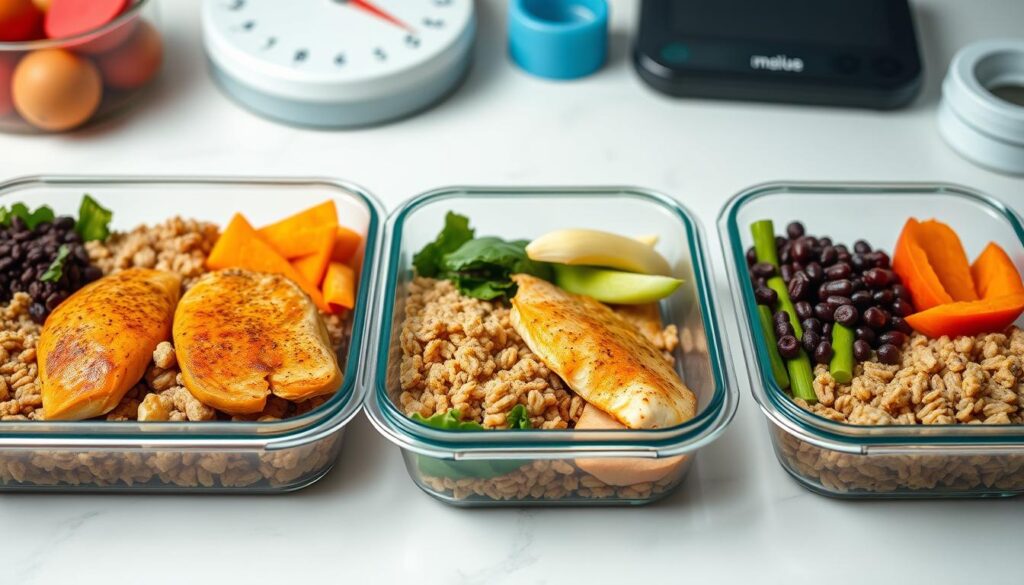
While exercise is important, nutrition typically plays an even larger role in fat loss success. The right dietary approach creates a sustainable calorie deficit while providing the nutrients needed to support exercise performance and overall health.
Macronutrient Balance for Fat Loss
Rather than focusing solely on calories, paying attention to macronutrients—protein, carbohydrates, and fats—can optimize your fat loss results:
Protein
Protein is particularly important during fat loss because it helps preserve muscle mass and increases satiety. Research suggests consuming 1.6-2.2g of protein per kg of body weight daily when in a calorie deficit.
Best sources: Lean meats, fish, eggs, dairy, legumes, and plant-based proteins
Carbohydrates
Carbs provide energy for exercise performance. Focus on fiber-rich, complex carbohydrates that support gut health and provide sustained energy. Adjust intake based on activity level.
Best sources: Vegetables, fruits, whole grains, and legumes
Fats
Healthy fats are essential for hormone production, including those that regulate metabolism. They also increase meal satisfaction and aid in the absorption of fat-soluble vitamins.
Best sources: Avocados, nuts, seeds, olive oil, and fatty fish
Meal Timing and Frequency
While total calorie intake remains most important, how you distribute your meals throughout the day can impact hunger, energy levels, and exercise performance:

- Pre-workout nutrition: Consuming protein and carbohydrates 1-2 hours before exercise can improve performance and prevent muscle breakdown.
- Post-workout nutrition: Eating protein within 1-2 hours after training helps optimize muscle recovery and growth.
- Meal frequency: Whether you prefer 3 larger meals or 5-6 smaller meals, consistency helps regulate hunger and energy levels.
- Intermittent fasting: Some people find time-restricted eating (such as the 16/8 method) helpful for controlling calorie intake.
Research shows that while meal timing can offer benefits, it’s secondary to total calorie intake and macronutrient balance. Find an approach that works with your lifestyle and preferences for better long-term adherence.
Portion Control Strategies
Even healthy foods can contribute to weight gain when consumed in excess. These practical strategies can help manage portions without constant measuring:
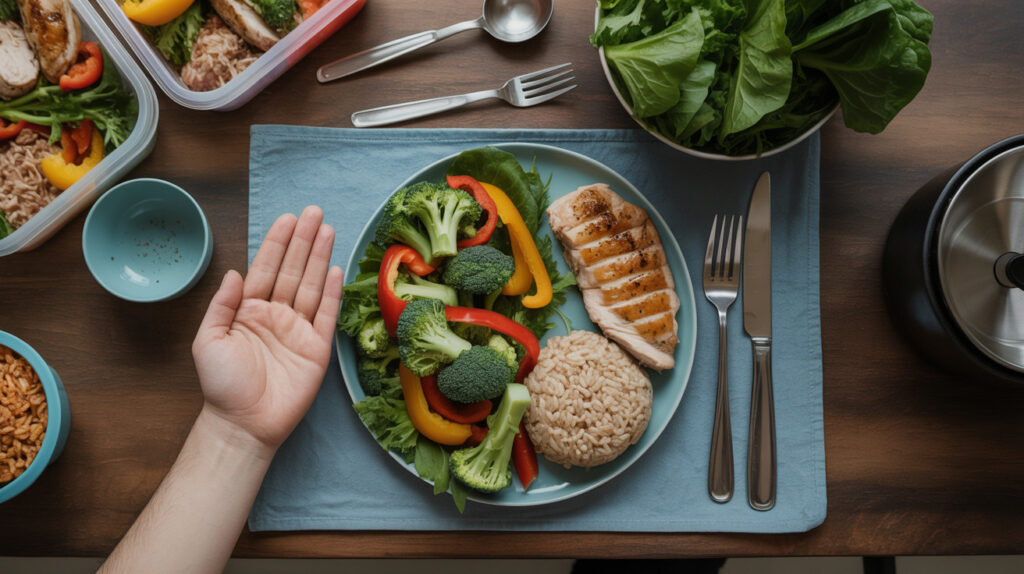
Using your hand as a portion guide can simplify healthy eating
- Use smaller plates and bowls to naturally reduce portion sizes
- Fill half your plate with non-starchy vegetables
- Use your hand as a measuring tool (palm for protein, fist for carbs, etc.)
- Eat slowly and mindfully to better recognize fullness cues
- Prepare meals in advance to avoid impulsive overeating
Creating a Sustainable Balance for Long-Term Success
The most effective fat loss approach is one you can maintain over time. Finding the right balance between exercise and nutrition is crucial for sustainability.

Adjusting Your Approach Based on Results
Fat loss rarely follows a linear pattern. Being prepared to make adjustments based on your progress is essential:
Signs You Need More Focus on Diet
- Exercising intensely but seeing minimal changes in body composition
- Feeling constantly hungry or having strong cravings
- Energy levels fluctuate dramatically throughout the day
- Recovery between workouts is taking longer than expected
Signs You Need More Focus on Exercise
- Weight loss is occurring but body still lacking tone or definition
- Losing weight but also losing strength or endurance
- Hitting a plateau despite careful attention to diet
- Feeling mentally stressed despite good nutrition
Lifestyle Factors That Impact Fat Loss
Beyond diet and exercise, several other factors significantly influence your fat loss results:

- Sleep: Research shows that getting less than 7 hours of sleep per night can increase hunger hormones, reduce energy for exercise, and slow metabolism. Aim for 7-9 hours of quality sleep.
- Stress management: Chronic stress elevates cortisol levels, which can increase abdominal fat storage and trigger emotional eating. Regular stress-reduction practices like meditation can help.
- Hydration: Proper hydration supports metabolism and can help distinguish thirst from hunger. Aim for at least 2-3 liters of water daily.
- Consistency: Small, consistent actions over time yield better results than periodic extreme efforts followed by rebounds.
Common Mistakes When Focusing on Only One Aspect
Understanding the pitfalls of an unbalanced approach can help you avoid common setbacks in your fat loss journey.

Problems with an Exercise-Only Approach
Many people try to “out-train” a poor diet, which presents several challenges:
- Overestimation of calories burned: Most people (and even fitness trackers) overestimate exercise calorie expenditure by 30-50%.
- Compensation effect: Intense exercise can increase hunger and lead to subconscious “reward eating” that negates the calorie deficit.
- Overtraining risk: Excessive exercise without proper nutrition can lead to injuries, hormonal imbalances, and burnout.
- Nutrient deficiencies: Without attention to diet quality, performance and recovery will suffer despite high exercise volume.
Problems with a Diet-Only Approach
Similarly, focusing exclusively on diet without exercise has significant limitations:
- Muscle loss: Without resistance training, up to 25% of weight lost through diet alone can come from muscle tissue.
- Metabolic slowdown: Loss of muscle mass reduces resting metabolic rate, making further fat loss more difficult.
- “Skinny fat” appearance: Losing weight without exercise often results in lower weight but still a high body fat percentage.
- Reduced fitness: Cardiovascular health, strength, and functional capacity decline without regular physical activity.
Research from the National Weight Control Registry, which tracks people who have successfully maintained significant weight loss, found that 89% of participants used both diet and exercise to lose weight and keep it off long-term.
Practical Tips for Implementing Both Exercise and Dietary Changes
Making changes to both your exercise routine and diet simultaneously can feel overwhelming. These practical strategies can help you implement a balanced approach successfully.

Starting Small and Building Momentum
Rather than overhauling your entire lifestyle at once, focus on implementing small, sustainable changes:
Exercise Implementation
- Begin with just 10-15 minutes of daily movement if you’re currently sedentary
- Add one strength training session per week before increasing frequency
- Incorporate exercise into existing routines (walking meetings, active commuting)
- Find activities you genuinely enjoy rather than forcing yourself to do exercises you hate
- Track progress in ways beyond the scale (strength gains, endurance improvements)
Nutrition Implementation
- Start by adding protein to each meal before making other dietary changes
- Replace one processed food item with a whole food alternative each week
- Practice mindful eating at one meal daily, then expand to more meals
- Plan and prepare meals in advance to avoid impulsive food choices
- Allow for flexibility and occasional treats to prevent feelings of deprivation
Tracking Progress Effectively
Monitoring your progress helps maintain motivation and identify when adjustments are needed:

- Body measurements: Waist, hip, and limb circumferences often show changes when the scale doesn’t
- Progress photos: Take photos every 2-4 weeks in the same lighting, position, and clothing
- Performance metrics: Track improvements in strength, endurance, and workout volume
- Energy and mood: Note changes in how you feel throughout the day and during workouts
- Clothing fit: How your clothes fit often provides more meaningful feedback than scale weight
How quickly should I expect to see fat loss results?
Healthy, sustainable fat loss typically occurs at a rate of 0.5-1% of body weight per week (about 1-2 pounds for most people). However, visible changes in body composition often take 4-6 weeks to become noticeable. Focus on consistency rather than speed for long-lasting results.
Should I prioritize diet or exercise if I’m just starting out?
If you’re completely new to both, making simple dietary changes often provides the quickest initial results while gradually adding physical activity. Start with adding protein to each meal and incorporating 15-30 minutes of daily walking, then build from there as these habits become established.
How do I break through a fat loss plateau?
Plateaus are normal and usually indicate that your body has adapted to your current routine. Try rotating your exercise stimulus (changing workout type, intensity, or volume), reassessing your calorie intake (which may need adjustment as you lose weight), or implementing a diet break at maintenance calories for 1-2 weeks before resuming your deficit.
Ready to Achieve Sustainable Fat Loss?
Stop struggling with unbalanced approaches that lead to frustration. Our expert team will help you create a personalized plan that combines effective exercise strategies with nutritional guidance tailored to your body and lifestyle.
Conclusion: The Synergistic Effect of Balance
Fat loss is ultimately about finding the right balance between exercise and nutrition that works for your body and lifestyle. Neither approach alone provides optimal results, but together they create a powerful synergy that transforms both your body composition and overall health.
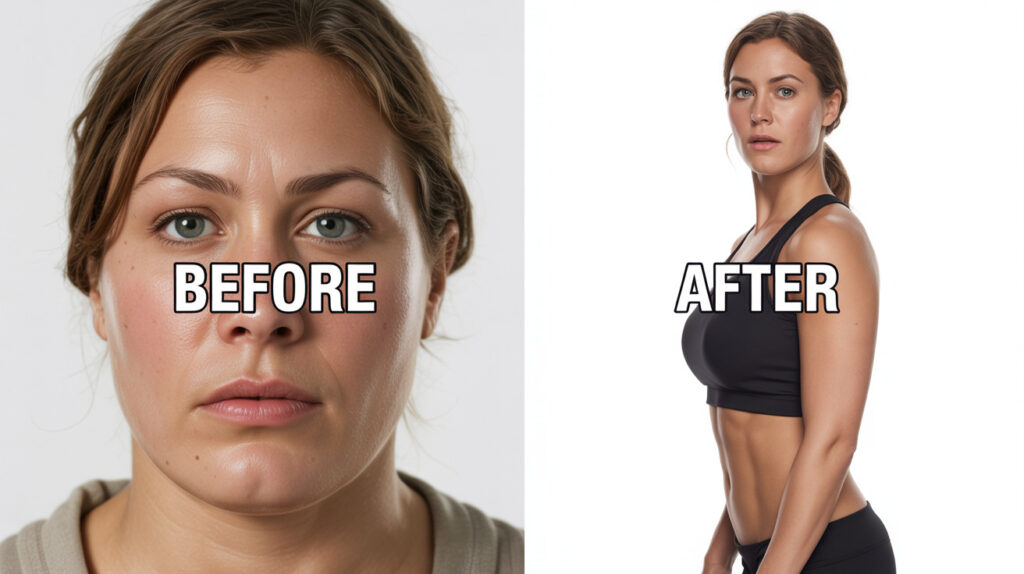
Remember that sustainable fat loss isn’t about finding the perfect diet or exercise program—it’s about consistency with an approach you can maintain long-term. By implementing both dietary and exercise strategies in a balanced way, you create a lifestyle that not only helps you lose fat but also improves your strength, energy, confidence, and overall quality of life.
The most successful fat loss journeys aren’t those that produce the fastest results, but those that lead to permanent positive changes. By understanding the science behind fat loss and implementing a balanced approach that includes both exercise and proper nutrition, you set yourself up for lasting success rather than temporary changes.
Start with small, manageable changes to both your diet and activity levels, then build upon these foundations as they become habitual. Your body will respond best to this balanced, sustainable approach—and you’ll be more likely to maintain your results for life.
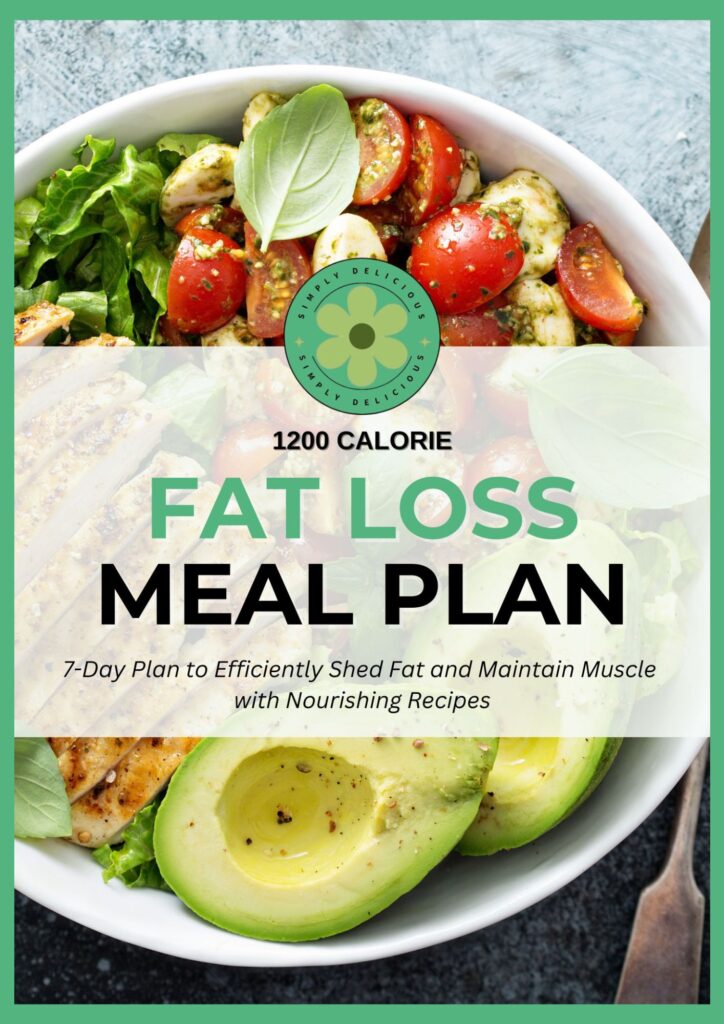
Grab Your Copy of 7-Day Fat Loss Meal Plan
Our 1200 Calorie Fat Loss Meal Plan eBook is your ultimate guide to achieving results without sacrificing flavor or variety. This easy-to-follow plan includes nutritionally balanced recipes and a complete grocery shopping list!
Discover more from Cozy Corner
Subscribe to get the latest posts sent to your email.