8 Easy Healthy Bowls: Quick & Nutritious Recipes
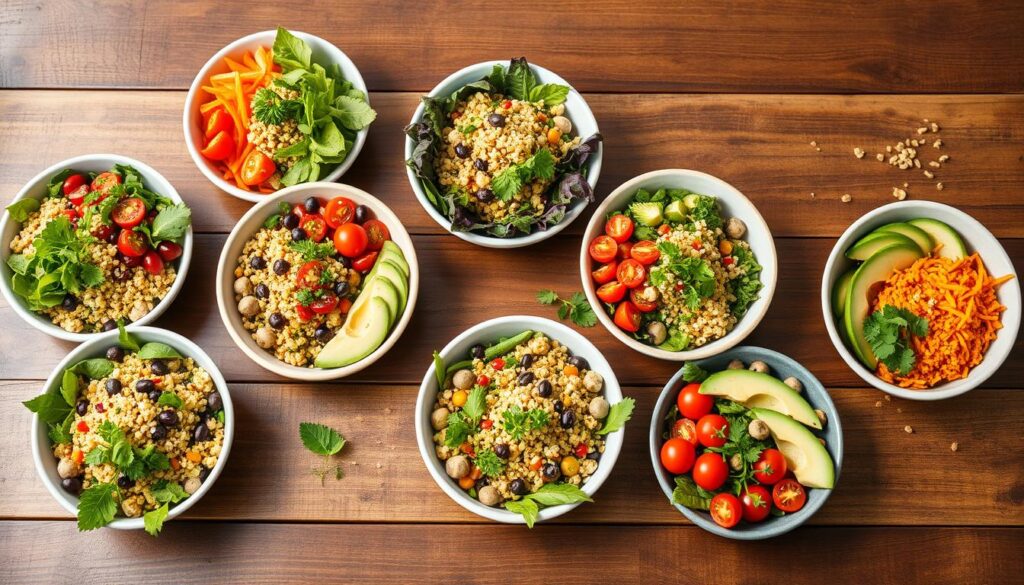
Did you know 8 out of 10 Americans find it hard to eat well because of their busy lives? Here’s a simple way to make meal planning easier and keep your body nourished – easy, healthy bowl recipes! These 8 tasty bowls are quick and nutritious, great for anyone who’s always on the go.
Need to prep meals for the week or want a healthy lunch? These bowls are perfect. They’re filled with plant-based proteins, fresh veggies, and tasty sauces. Each dish is a flavor bomb that also feeds your body well. Try a Korean beef and rice bowl or a quinoa and black beans bowl for a boost of energy all day long.
Key Takeaways
- 8 easy, healthy bowl recipes for busy lifestyles
- Quick and nutritious meals suitable for work lunches or weekly meal prep
- Balanced meals with a variety of vegetables, grains, and plant-based proteins
- Utilization of time-saving techniques like pre-cut ingredients and microwaveable options
- Diverse flavors and sauces to enhance the overall experience
Benefits of Healthy Bowl Meals for Modern Living
In today’s fast world, healthy bowl meals are a big win. They are packed with protein and plants, known as “buddha bowls.” These bowls save time, offer balanced nutrition, and are easy on the wallet. They’re perfect for today’s fast-paced life.
Time-Saving Advantages
Healthy bowl meals are quick to make and easy to put together. Just mix whole grains, veggies, lean proteins, and toppings. You get a nutritious meal fast, saving you time and effort.
Nutritional Balance Benefits
Healthy bowls combine different foods in one dish. They offer a balanced mix of carbs, proteins, fats, and vitamins. This makes them great for those looking for a complete meal.
Cost-Effective Meal Solutions
Healthy bowls are also budget-friendly. You can make ingredients like grains and veggies in bulk. This saves money and reduces waste. It makes eating well affordable for everyone.
There’s a bowl for every taste, from Mediterranean to Asian fusion and plant-based bowls. They suit many diets and tastes, making them a favorite for health-focused people.
“Healthy bowl meals are a game-changer for busy professionals and health-conscious individuals, offering a delicious and nutritious solution that fits seamlessly into modern lifestyles.”
Essential Components of a Perfect Healthy Bowl
Making a nutritious bowl meal is simple with the right ingredients. Grain bowls, superfood bowls, and other balanced diet options have key elements. These elements come together to make a delicious and healthy dish.
The base of a healthy bowl is whole grains like quinoa or brown rice. They offer complex carbs, fiber, and nutrients. Then, add colorful, fresh veggies for vitamins, minerals, and antioxidants.
A quality protein is crucial. Choose plant-based like tofu or lean animal proteins like chicken or salmon. Add healthy fats like avocado or nuts for creaminess and omega-3s.
A flavorful sauce or dressing brings it all together. Try zesty tahini or tangy lemon-herb vinaigrette. These sauces add taste and make each bite enjoyable.
| Key Bowl Components | Examples |
|---|---|
| Whole Grain Base | Quinoa, brown rice, farro |
| Vegetables | Kale, carrots, brussels sprouts, sweet potatoes |
| Protein | Tofu, tempeh, chickpeas, grilled chicken, salmon |
| Healthy Fats | Avocado, nuts, seeds |
| Flavorful Sauce | Tahini, lemon-herb vinaigrette, gochujang |
With these five key components, you can make endless delicious bowls. From grain bowls to superfood bowls, a balanced meal nourishes your body and soul.
8 Easy Healthy Bowls for Every Taste
Discover a variety of delicious and healthy bowl recipes. They range from Mediterranean to Asian fusion and plant-based options. These meals are easy to make and offer a tasty way to eat clean and stay healthy.
Mediterranean-Inspired Bowls
Try our Greek Chicken Grain Bowls and Roasted Mediterranean Shrimp Bowls for a taste of the Mediterranean. They’re filled with quinoa, veggies, and lean proteins. It’s a flavorful way to enjoy a balanced diet.
Asian Fusion Creations
Experience the bold flavors of Asia with our Spicy Sesame Rice Bowls and Tuna Poke Bowls. These clean eating dishes mix Asian ingredients like brown rice and fresh tuna. They’re both satisfying and nourishing.
Plant-Based Power Bowls
Discover the power of plants with our Lentil Broccoli Falafel Bowls and Roasted Squash and Pumpkin Seed Mole Bowls. These nutritious meals are full of healthy, tasty ingredients. They’ll make you feel full and energized.
| Recipe | Protein (g) | Carbs (g) | Fats (g) |
|---|---|---|---|
| Greek Chicken Grain Bowl | 35 | 45 | 12 |
| Roasted Mediterranean Shrimp Bowl | 32 | 40 | 14 |
| Spicy Sesame Rice Bowl | 28 | 50 | 16 |
| Tuna Poke Bowl | 35 | 35 | 10 |
| Lentil Broccoli Falafel Bowl | 32 | 42 | 11 |
| Roasted Squash and Pumpkin Seed Mole Bowl | 29 | 48 | 13 |
Check out these diverse and nutritious meals for all tastes and diets. Whether you love Mediterranean, Asian fusion, or plant-based dishes, these healthy bowls will please your taste buds and support a balanced diet.
Protein-Rich Bowl Combinations
Protein-rich bowls are a game-changer for making satisfying meals. They mix lean proteins with fresh ingredients for balanced meals. You can make everything from Steak Burrito Bowls to Shrimp Bowls with Scallion Vinaigrette.
The Salmon Niçoise Bowl is a standout. It has tender salmon, crisp greens, roasted potatoes, hard-boiled eggs, and briny olives. It’s a Mediterranean dish that’s both protein-rich and packed with nutrients.
The Steak Burrito Bowl is great for a hearty meal. It has juicy steak, fluffy rice, black beans, avocado, and a zesty lime crema. These bowls are perfect for meal prep, keeping you fueled all week.
Seafood fans will love the Shrimp Bowls with Scallion Vinaigrette. Succulent shrimp are tossed in a tangy dressing, served with greens, quinoa, and roasted veggies. It’s a lean protein and omega-3 fatty acid powerhouse.
Adding different proteins to your bowls lets you make endless meals. Whether you want a Mediterranean feast or a hearty burrito bowl, these combinations are perfect for meal prep.

Quick Assembly Tips and Techniques
Streamlining your meal prep has never been easier. These time-saving strategies help you make delicious and nutritious bowls quickly. We’ve got you covered for quick and clean eating.
Prep-Ahead Strategies
Start your bowl meals early by batch cooking grains and proteins. Cook a big batch of brown rice to portion out later. Also, prepare extra protein like roasted chicken or tofu for easy assembly.
Storage Solutions
Keep your bowl ingredients fresh by storing them separately. Use airtight containers in the fridge. This keeps flavors and textures intact. When it’s time to assemble, grab your prepped items and go.
Reheating Guidelines
Follow proper reheating to keep your bowls tasty and nutritious. Use the microwave for quick heating, but watch out for avocado. For crispy veggies, a quick stovetop or oven stint works best.
With these easy tips, you’ll meal prep with confidence. Enjoy time-saving, clean eating bowls every day.
| Tip | Benefit |
|---|---|
| Batch cook grains and proteins | Streamlines assembly and reduces prep time |
| Store components separately | Maintains freshness and texture of ingredients |
| Use appropriate reheating methods | Preserves quality and flavor of prepped items |
Grain and Base Options for Nutritious Bowls
Creating tasty and healthy grain bowls or superfood bowls starts with the base. Look into different grains and bases. They add texture and help make your meal balanced.
Quinoa is a top pick because it’s gluten-free and has all the protein you need. Brown rice is another great choice, packed with complex carbs and fiber. Whole wheat pasta brings a heartier feel, while cauliflower rice is a low-carb option that feels like regular rice.
| Grain/Base | Nutritional Benefits | Cooking Time |
|---|---|---|
| Quinoa | Complete protein, fiber, minerals | 15-20 minutes |
| Brown Rice | Complex carbs, fiber, B vitamins | 35-45 minutes |
| Whole Wheat Pasta | Fiber, protein, complex carbs | 8-12 minutes |
| Cauliflower Rice | Low-carb, vitamins, minerals | 5-7 minutes |
These grains and bases let you make many kinds of grain bowls and superfood bowls. You can pick from quinoa for protein to brown rice for fiber. It’s all about making a meal that’s both delicious and balanced.
“Grain bowls are the perfect canvas for a nutritious and satisfying meal. With so many options to choose from, the possibilities are endless!”
Fresh and Seasonal Ingredients Guide
Using fresh, seasonal ingredients makes a big difference in your bowl meals. It lets you enjoy the best flavors and quality of produce. Plus, it adds variety to your clean eating diet.
Spring/Summer Options
With warmer weather, your dishes can shine with the season’s best. Add tomatoes, cucumbers, and berries for bright, refreshing tastes. These ingredients not only taste great but also boost your health.
Fall/Winter Choices
In cooler months, choose heartier, nutrient-rich foods. Use squash and root vegetables for their earthy sweetness. Add kale and spinach for a nutritious, comforting touch. These ingredients bring warmth and depth to your meals.
Adapting your recipes to use the best seasonal produce keeps your meals fresh and healthy. This approach not only improves taste but also supports a sustainable, clean eating lifestyle.
“Eating seasonally is not only better for the environment, but it also ensures you’re getting the freshest, most nutrient-dense produce available.”
Sauce and Dressing Combinations
Make your clean eating meals more exciting with our guide to tasty sauces and dressings. From tangy Asian sauces to creamy Mediterranean vinaigrettes, these options can turn simple bowls into gourmet dishes.
For a rich flavor, try a sesame ginger dressing. It’s made with toasted sesame oil, rice vinegar, and a bit of honey. It’s perfect with grain bowls, crisp veggies, and lean proteins like shrimp or chicken.
Looking for something creamy? A tahini-based dressing with lemon, garlic, and maple syrup is great. It goes well with plant-based bowls, roasted veggies, quinoa, and chickpeas.
For a Mediterranean flair, use a lemon herb vinaigrette. It’s got olive oil, lemon juice, and herbs like parsley and oregano. It’s perfect for grain bowls with feta, olives, and roasted tomatoes.
- Sesame Ginger Dressing: Toasted sesame oil, rice vinegar, honey
- Creamy Tahini Dressing: Tahini, lemon juice, garlic, maple syrup
- Lemon Herb Vinaigrette: Olive oil, lemon juice, parsley, oregano
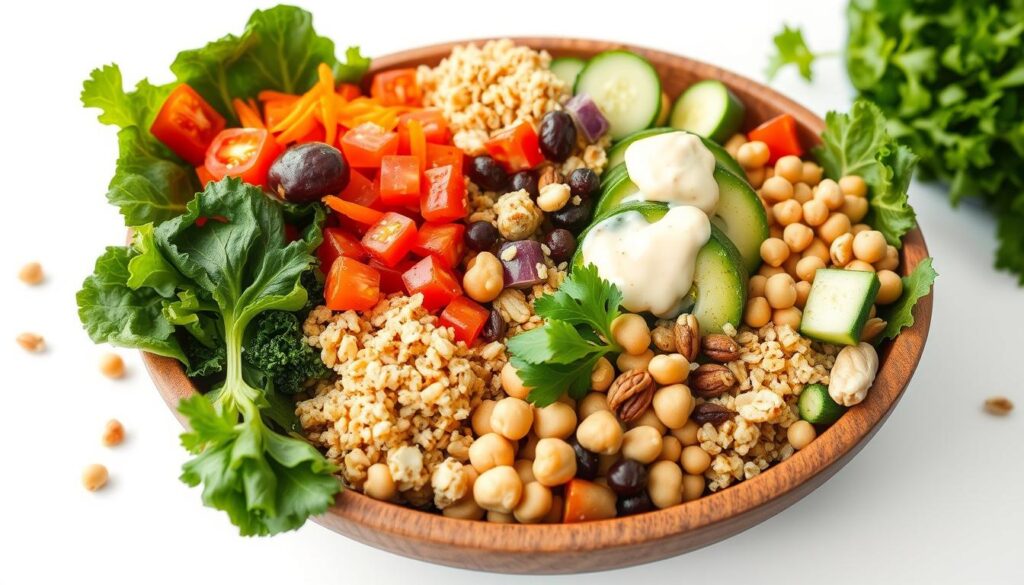
Try these sauces and dressings to make your healthy bowl meals more exciting. They’ll not only taste great but also be good for you. Add these easy-to-make options to your healthy eating routine.
Conclusion
Incorporating 8 easy healthy bowls into your meal routine can change your life. These recipes are quick, easy, and packed with nutrients. They fuel your body and save you time.
Looking for something Mediterranean, Asian, or plant-based? There’s a bowl for everyone. You can mix and match ingredients to fit your taste and diet.
Meal prep has never been simpler. These bowls can be made ahead, stored, and reheated. Try new flavors and ingredients to find your favorite bowls.
FAQ
What are the key components of a healthy bowl?
A healthy bowl has a base like quinoa or brown rice. It also has a protein source, such as tofu, chicken, or fish. Add a variety of vegetables, healthy fats like avocado or nuts, and a tasty sauce or dressing.
What are some examples of healthy bowl recipes?
Try Mediterranean bowls like Greek Chicken Grain Bowls and Roasted Mediterranean Shrimp Bowls. For Asian flavors, make Spicy Sesame Rice Bowls and Tuna Poke Bowls. Plant-based bowls include Lentil Broccoli Falafel Bowls and Roasted Squash and Pumpkin Seed Mole Bowls.
What are the benefits of incorporating healthy bowls into my meal routine?
Healthy bowls save time and offer nutritional balance. They combine different food groups. Plus, they’re cost-effective and reduce food waste.
How can I streamline the assembly of healthy bowls?
To make bowls quickly, prep grains and proteins in advance. Store parts separately to keep them fresh. Follow food storage and reheating tips.
What are some grain and base options for healthy bowls?
Try different grains and bases like quinoa, brown rice, whole wheat pasta, and cauliflower rice. Each has its own nutritional benefits and textures.
How can I incorporate seasonal ingredients into my healthy bowls?
Use seasonal ingredients to boost flavor and nutrition. In Spring/Summer, add fresh tomatoes, cucumbers, and berries. For Fall/Winter, choose squash, root vegetables, and hearty greens.
What are some sauce and dressing combinations that can enhance the flavors of my healthy bowls?
Enhance bowl flavors with tahini-based dressings, Asian sauces like sesame ginger, and Mediterranean flavors like lemon herb vinaigrettes.
Are healthy bowls suitable for different dietary needs?
Yes, healthy bowls fit various diets. Options include Steak Burrito Bowls, Shrimp Bowls with Scallion Vinaigrette, and Salmon Niçoise Bowls. They feature lean proteins and complementary ingredients.

Mastering Meal Planning: Save Time and Eat Better
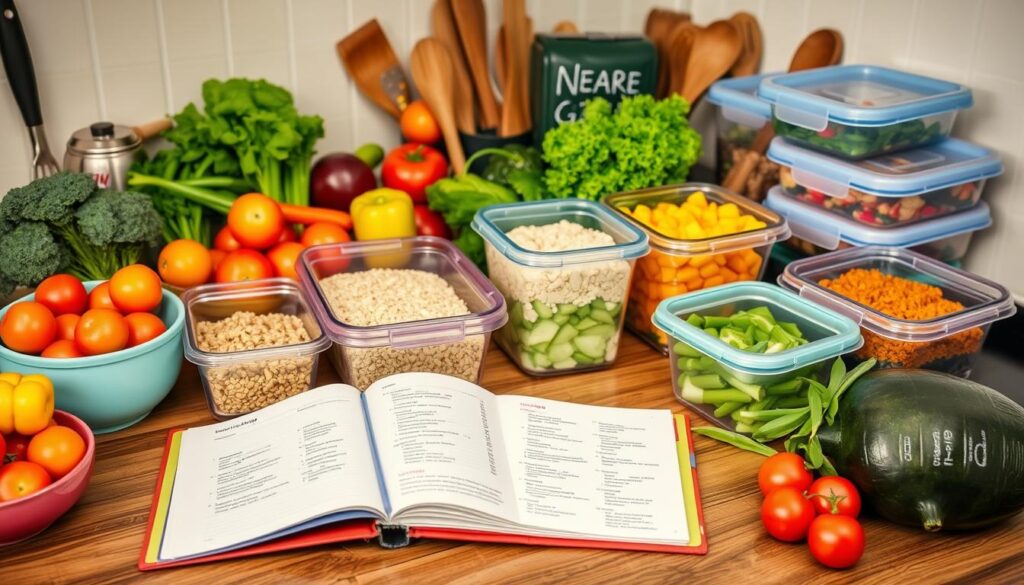
As a busy professional, I’ve learned how hard it is to stay healthy with a tight schedule. But, meal planning has changed everything for me. It saves time, cuts down stress, and helps me eat better. In this guide, I’ll share my top tips for meal planning. You’ll learn how to make your kitchen efficient and cook healthy, tasty meals.
Key Takeaways
- Meal prepping can save up to 2 hours per week on cooking and cleaning.
- A well-organized kitchen can reduce food waste by up to 20%.
- Efficient meal preparation methods can result in a 15% decrease in grocery bills.
- Properly portioned meals can help individuals manage their weight effectively.
- Meal prepping can contribute to a 30% increase in diet variety.
Understanding the Foundations of Meal Planning
Learning to plan meals is a big win for your diet and wallet. It saves time, money, and stress. Plus, it makes sure you eat well.
Benefits of Strategic Meal Planning
- Save time by avoiding last-minute dinner decisions
- Reduce food waste and save money by shopping your pantry and taking advantage of sales
- Enjoy a healthier, more balanced diet by planning nutritious meals
- Minimize stress by having a clear plan for the week ahead
Setting Realistic Goals and Expectations
Start small when you begin meal planning. Aim for 2-3 meals a week and grow as you learn. Get your family involved to make sure everyone likes the meals.
Creating a Sustainable Routine
Being consistent is crucial for meal prepping on a budget. Pick specific times for planning, shopping, and cooking. Use apps or charts to stay on track. Remember, balanced diet planning is a long-term effort, so build a routine that fits your life.
| Meal Planning Strategies for Busy Moms | Shopping Your Pantry | Plan Around Sales |
|---|---|---|
| Weekly meal planning to avoid last-minute dinner decisions Pick one day to plan meals | Start meal planning by checking pantry and freezer contents Reduce waste and save money | Plan meals based on sales to save money Build menus around discounted items |
“Meal planning does not have to be an extensive, time-consuming process. It can be tailored to your individual preferences and schedule.”
Essential Kitchen Organization for Efficient Prep
Mastering time-saving cooking tips and meal prep strategies starts with a well-organized kitchen. Create zones for different tasks to streamline your cooking. Declutter your countertops and cabinets, keeping only essential tools and appliances within reach.
Use vertical storage, drawer dividers, and clear containers to optimize your kitchen’s layout. This maximizes space and makes your kitchen more efficient.
Implement a first-in, first-out system for pantry items and leftovers to reduce food waste. This technique ensures you use the oldest ingredients first. It prevents them from getting forgotten at the back.
Keep frequently used items within easy access. This further streamlines the cooking process and minimizes unnecessary steps.
| Organizational Benefit | Efficiency Improvement |
|---|---|
| Organized kitchen prep stations | Up to 30% reduction in cooking time |
| Proper kitchen organization | 25% decrease in stress levels during cooking |
| Mise en place methodology | 20% improvement in cooking efficiency |
| Well-designed kitchen workflow | 15% increase in productivity |
| Efficient kitchen prep stations | 20% reduction in risk of foodborne illnesses |
Investing time and effort in organizing your kitchen can greatly improve efficiency. A well-structured workspace reduces stress and promotes healthy cooking habits. It also helps minimize food waste.
Start small, and see how these time-saving cooking tips and meal prep strategies change your cooking experience.
Smart Grocery Shopping Strategies
Grocery shopping can be pricey, but smart strategies can help. You can save time and money by planning well. Let’s look at how to master grocery shopping hacks and meal prepping on a budget.
Building an Effective Shopping List
Start by checking what you already have at home. Then, make a detailed shopping list. Organize items by store section to make your trip smoother. This way, you avoid buying things you don’t need.
Seasonal Shopping Tips
Buying produce when it’s in season can cut your costs. Find out which fruits and veggies are best during different times. This way, you save money and get the freshest ingredients.
Budget-Friendly Shopping Hacks
- Shop when stores are less busy to find deals.
- Compare prices to get the best deals on basics like grains and beans.
- Use store loyalty programs and coupons to save more.
- Go to different stores for the best prices on certain items.
- Buy non-perishables in bulk to save money over time.
Using these grocery shopping hacks and focusing on meal prepping on a budget can make shopping easier. You’ll save money and enjoy healthier meals at home.
Mastering Meal Planning: Core Techniques
Creating a meal plan that’s both healthy and easy to follow is key. As you start to master meal planning, we’ll cover the essential techniques. These will make your kitchen work smoother and help you succeed.
Batch cooking is the heart of efficient meal planning. Cook big batches of grains, proteins, and sauces ahead of time. This saves you time later and gives you a variety of healthy foods to use.
- Roast a tray of vegetables to add to salads, grain bowls, and more.
- Cook a big batch of quinoa or brown rice to serve as a base for multiple meals.
- Make a flavorful marinara sauce or pesto to dress up your dishes.
Ingredient prepping is also crucial. Spend some time at the start of the week washing, chopping, and storing your veggies. This makes it easy to put together your meals without stress.
“Meal planning is the key to a healthy lifestyle. It takes the guesswork out of eating well and ensures you have the right ingredients on hand when hunger strikes.”
When planning your meals, mix quick dishes with more complex ones. This lets you adjust to your schedule while still eating healthy, homemade food. Plus, get creative with leftovers to save time and reduce waste.
Remember, mastering meal planning is a journey. As you improve, you’ll find what works best for you. Enjoy the journey and the benefits of healthy, stress-free meals all week.
Batch Cooking for Time Optimization
Batch cooking is a big help when you want to save time in the kitchen. It lets you cook big batches of food at once. This way, you spend less time cooking later on. Plus, you always have tasty, healthy meals ready when you need them.
Best Foods for Batch Preparation
Some top picks for batch cooking are:
- Soups and stews
- Casseroles and lasagna
- Grains like rice, quinoa, and farro
- Proteins such as chicken, beef, and tofu
Storage and Portioning Tips
When you cook in bulk, how you store and portion matters a lot. Use strong, airtight containers to keep food fresh. Divide meals into single servings for easy reheating. Remember to label each container with what’s inside and when you made it.
Reheating Guidelines
Here’s how to reheat your batch-cooked meals right:
- Use containers safe for the microwave or reheat on the stovetop.
- Make sure the food is hot all the way through.
- Adding a bit of water or broth helps keep it moist.
- Stir the food while it’s heating up to make sure it’s evenly warm.
Learning batch cooking can make your life easier. It’s a smart way to save time and enjoy healthy, homemade meals anytime.
Nutritional Balance and Portion Control
A balanced diet is key for good health. Meal planning should mix proteins, complex carbs, and lots of veggies. The USDA’s MyPlate helps you see the right portion sizes.
For more nutrients, make your plate colorful with fruits and veggies. Foods like eggs, beef, yogurt, lentils, and dark greens are full of vitamins and minerals.
Controlling portions is important for a balanced diet. Right serving sizes prevent eating too much and help manage calories. Healthy snacks between meals keep your energy up and control hunger.
| Nutrient | Recommended Portion |
|---|---|
| Protein | 3-4 oz per meal |
| Complex Carbohydrates | 1/2 cup per meal |
| Vegetables | 1 cup per meal |
| Fruits | 1 medium fruit or 1/2 cup per meal |
By following these tips, you can feed your body well and stay healthy.
Time-Saving Kitchen Tools and Equipment
Having the right kitchen tools and equipment is key for meal prep. Quality, time-saving essentials can make cooking faster. Let’s look at how to set up your kitchen for efficient meal planning.
Essential Prep Tools
Start with the basics. A sharp chef’s knife, sturdy cutting boards, and measuring cups and spoons are must-haves. These tools make chopping, dicing, and measuring easier. Consider a Wusthof Classic 3-1/2-Inch Paring Knife ($42) or the Victorinox Swiss Classic 4-Inch Paring Knife ($10) for precise work.
Storage Container Guide
High-quality, airtight storage containers are a big help for meal prep. Look for glass containers in different sizes for storing ingredients and leftovers. They’re durable, safe for the microwave, and keep food fresh. The ExcelSteel 5-Quart Stainless Steel Colander ($10) is a good, affordable strainer.
Smart Kitchen Gadgets
Smart kitchen gadgets can make meal prep easier. A food processor like the Black and Decker 8-Cup Food Processor ($30) quickly chops, slices, and shreds. A garlic press around $20 also helps. And a Microplane/Zester ($15) is great for grating and zesting.
| Kitchen Tool | Splurge Option | Budget-Friendly Option |
|---|---|---|
| Cookware Set | Le Creuset 20-Piece Cookware Set ($800) | Farberware Classic 15-Piece Cookware Set ($100) |
| Baking Sheet | Nordic Ware Aluminum Baker’s Big Sheet ($13) | Vollrath Aluminum Baker’s Sheet, 1/4 Size ($10) |
| Cutting Board | Epicurious 3-Piece Prep Series Cutting Boards ($45) | Faberware Large Cutting Board ($11) |
| Vegetable Peeler | Precision Kitchenware Julienne and Vegetable Peeler ($9) | N/A |
With the right tools and gadgets, you’ll improve your time-saving cooking tips and meal prep strategies. Check out these options and find what works best for you.
Family-Friendly Meal Planning Strategies
As a busy mom, I know meal planning can be tough. But, with a bit of planning and creativity, it can be fun for everyone. Here are some tips to make meal planning enjoyable and healthy for your family.
Start by getting your family involved in meal planning. Have a family meeting to talk about favorite dishes and dietary needs. This way, everyone’s tastes are considered, making meal planning more enjoyable.
- Create a family recipe book with everyone’s favorite meals. It’s easy to find and try new dishes.
- Have “family cooking nights” where everyone helps make dinner. Make it fun with games or challenges.
- Teach kids about nutrition and cooking. Give them simple tasks like measuring or assembling dishes. It helps them appreciate healthy food.
Celebrate your meal planning successes as a family. Praise when you make a tasty or healthy meal. Encourage kids to share their thoughts. This positive feedback makes meal planning a fun activity for everyone.
By getting your family involved in meal planning, you can make mealtimes enjoyable and healthy. The key is to keep it fun and tailored to your family’s tastes and needs.

Advanced Prep and Storage Solutions
Mastering meal prep saves time and makes meals healthier. I’ve found many time-saving tips to change my cooking. These tips make cooking easier and faster.
Marinating meats or making dry rubs ahead is a great trick. It adds flavor and cuts down cooking time. I make several marinades or rubs on weekends and store them in the fridge or freezer.
Freezing smoothie ingredients in bags is another big help. Just blend them with liquid for a quick breakfast. This way, I always have a healthy breakfast ready, even when I’m in a rush.
For lunches, I use mason jars for layered salads. Place dressing at the bottom, then veggies and proteins, and top with greens. Shake the jar for a ready-to-eat meal.
A vacuum sealer has been a big help for food storage. It keeps meats, cheeses, and other items fresh longer. This is great for busy evenings when I need a quick meal.
To add variety, I freeze herbs in oil or stock in ice cube trays. These cubes add flavor to soups, sauces, or any dish. It’s easy to have fresh herbs without chopping them.
Using a rotating meal schedule helps with planning. I plan meals by theme, like “Meatless Monday.” This makes planning easier and helps use ingredients in different meals.
With these strategies, meal prep is easier and faster. I enjoy home-cooked meals without spending too much time. A little effort upfront saves time and stress all week.
| Meal Prep Technique | Benefits |
|---|---|
| Marinating meats and preparing dry rubs in advance | Infuses proteins with robust flavors, reduces active cooking time |
| Freezing smoothie ingredients in portion-sized bags | Provides quick, healthy breakfast options on-the-go |
| Using mason jars for layered salads | Keeps lunches fresh all week, provides a visually appealing meal |
| Investing in a vacuum sealer | Extends shelf life of perishable items, convenient for frozen meals |
| Freezing herbs in oil or stock using ice cube trays | Adds instant flavor to dishes, reduces prep time |
| Implementing a rotating meal schedule | Ensures variety, simplifies planning and batch-cooking |
“Meal prepping for a family of four typically involves dedicating 1-2 hours on the weekend to cook and portion out several meals for the week ahead.”
Sustainable and Seasonal Meal Planning
As a home cook, I’ve found that using seasonal produce and eco-friendly practices saves money and helps the planet. By cooking with what’s in season, I get fresher, tastier food and lower my environmental impact.
Incorporating Seasonal Produce
Using seasonal produce is key to sustainable meal planning. A Winter Seasonal Meal Plan costs about $8.00 USD. The Fall Seasonal Meal Plan and Summer Seasonal Meal Plan are also $8.00 USD. This way, I get the best flavors and nutrients at great prices.
The Spring Meal Plan Bundle is $25.00 USD. It offers a full menu from breakfast to dinner, covering all meals.
Reducing Food Waste
Reducing food waste is vital in sustainable meal planning. Each week’s meal plan includes different foods, making my meals varied and reducing waste. The meal planner helps me avoid last-minute shopping and food spoilage.
Eco-Friendly Storage Options
I use eco-friendly storage like glass containers, silicone bags, and beeswax wraps. These options keep my food fresh and cut down on plastic waste. Buying in bulk also helps reduce packaging and supports local farmers, lowering my meal’s carbon footprint.
Sustainable and seasonal meal planning is now a big part of my cooking. It lets me enjoy the season’s flavors, cut down on waste, and make eco-friendly choices. With a bit of planning and a focus on seasonal produce, meal planning can be both tasty and good for the planet.
Conclusion
Mastering meal planning saves time, promotes healthy eating, and reduces stress. Start small and stay flexible. Celebrate your progress as you go.
Meal planning becomes a key part of your week. It helps you save time, eat better, and enjoy meals with your family without stress.
Key meal planning principles like strategic shopping and batch cooking are crucial. They boost your well-being. Prioritizing healthy eating habits makes you feel more energized and focused.
Healthy eating improves your brain health and digestion. It’s a game-changer for your mental and physical health.
Keep exploring new recipes and seasonal ingredients. Involve your loved ones in meal planning. It’s a flexible tool that suits your needs and tastes.
Meal planning is rewarding and nourishing. It’s a practice for a lifetime of delicious meals.
FAQ
What are the benefits of strategic meal planning?
Meal planning saves time and money. It also improves your diet and reduces stress.
How do I set realistic goals and expectations for meal planning?
Start with 2-3 meals a week. Then, increase as you get better. Set aside time for planning, shopping, and prep.
What are the best strategies for organizing my kitchen for efficient meal prep?
Organize your kitchen into zones. Clear out clutter and use vertical storage. Use clear containers for easy access.
How can I build an effective grocery shopping list and save money?
Make a list by store section. Check your kitchen first. Buy seasonal produce and use sales and coupons.
What are the core meal planning techniques I should focus on?
Focus on batch cooking and prep. Use versatile bases to save time and ensure nutrition.
What are the best foods for batch cooking and how should I store and reheat them?
Cook soups, stews, and casseroles in bulk. Store in proper containers. Reheat safely in the microwave or on the stovetop.
How can I ensure I’m maintaining nutritional balance and proper portion control?
Aim for a balanced plate. Use the USDA’s MyPlate for portion sizes and food balance.
What are some essential kitchen tools and equipment that can streamline meal prep?
You’ll need a sharp knife, cutting boards, and measuring cups. Gadgets like food processors and slow cookers also help.
How can I involve my family in the meal planning process?
Get your family involved in planning. Create a recipe book together. Host cooking nights and teach kids about cooking.
What are some advanced prep and storage solutions to save time?
Marinate meats and prepare dry rubs ahead. Use vacuum sealers for longer storage. Freezer meals and a meal schedule can also save time.
How can I incorporate seasonal produce and reduce food waste in my meal planning?
Plan meals with seasonal produce. Store ingredients well and use leftovers. Compost and choose eco-friendly storage to reduce waste.