We earn a commission if you make a purchase, at no additional cost to you.
The holiday season brings warmth, joy, and the perfect opportunity to gather loved ones for a festive celebration. Whether you’re organizing an intimate family dinner, a corporate party, or a neighborhood gathering, successful Christmas holiday event planning requires thoughtful preparation and attention to detail. A well-planned holiday event creates lasting memories and strengthens bonds between family, friends, and colleagues during this special time of year.
In this comprehensive guide, we’ll walk through 10 essential tips to help you plan and host a memorable Christmas holiday event that your guests will cherish. From setting your budget to creating the perfect ambiance, these practical strategies will reduce your stress and ensure your celebration shines bright with holiday spirit.

A beautifully decorated holiday table sets the perfect festive mood for your Christmas gathering
1. Start Planning Early and Set a Budget
Successful Christmas holiday event planning begins well before the season arrives. For larger gatherings (20+ guests), start planning 2-3 months in advance. For smaller events, 4-6 weeks should suffice. Early planning gives you access to more venue options, vendor availability, and allows guests to reserve your date before their calendars fill with other holiday commitments.

Setting a clear budget is the foundation of stress-free holiday planning. Consider these key expense categories:
- Venue rental (if not hosting at home)
- Food and beverages (including any catering costs)
- Decorations and table settings
- Entertainment and activities
- Invitations (digital or physical)
- Party favors or gifts for guests
- Transportation arrangements (if needed)

Allocate your budget according to your priorities. If gourmet food is essential to your vision, you might allocate more there and scale back on decorations. For a corporate event, you might prioritize a premium venue and professional entertainment.
Stay Organized From Start to Finish
Download our free Christmas Holiday Event Planning Checklist to keep track of all your planning details in one place.
2. Choose the Perfect Date and Venue
The timing of your Christmas holiday event significantly impacts attendance. Early December is often ideal for corporate events, while mid-December works well for friend gatherings. Family celebrations typically happen closer to Christmas Day. Consider these factors when selecting your date:
Best Days for Different Events
- Corporate parties: Thursday evenings (1-2 hours before closing time) or Friday afternoons in early December
- Friend gatherings: Friday or Saturday evenings in mid-December
- Family celebrations: Weekends closer to Christmas or Christmas Eve/Day
- Community events: Weekend afternoons throughout December
Venue Considerations
- Capacity (plus 10-15% buffer space)
- Accessibility for all guests
- Parking availability
- Proximity to public transportation
- Kitchen facilities (if self-catering)
- Ambiance and existing decorations
- Weather contingency plans


For home gatherings, assess your space realistically. A good rule of thumb: allow 15-20 square feet per person for a standing reception and 25-30 square feet per person for a seated dinner. Don’t forget to consider flow between rooms and accessibility needs.

3. Create a Festive Theme and Atmosphere
A cohesive theme elevates your Christmas holiday event planning from ordinary to extraordinary. Your theme influences everything from invitations to decorations, food, and activities. Consider these popular Christmas party themes:
Winter Wonderland
White, silver, and blue color scheme with snowflakes, icicles, and frosted elements.
Traditional Christmas
Classic red and green with pinecones, holly, and vintage ornaments.
Rustic Holiday
Natural elements like burlap, wood, greenery, and warm lighting.

Once you’ve selected your theme, create a multisensory experience:
- Visual: Decorations, lighting, and color scheme that reflect your theme
- Auditory: Carefully curated holiday music playlist appropriate to your audience
- Olfactory: Scented candles, potpourri, or fresh greenery for festive aromas
- Taste: Theme-appropriate food and beverages
- Touch: Varied textures in decorations and comfortable seating arrangements
Lighting creates instant atmosphere. Combine string lights, candles, and strategic accent lighting to create a warm, inviting glow. For corporate events, incorporate company colors alongside traditional holiday elements for a personalized touch.
4. Send Invitations and Track RSVPs
Timely invitations are crucial for Christmas holiday event planning. Send them at least 3-4 weeks in advance, or earlier for larger events. Your invitations set expectations and build excitement while providing essential information:

- Date, time (with start and end times clearly stated)
- Location with address and parking information
- Theme and dress code expectations
- What guests should bring (if anything)
- RSVP deadline and method
- Special instructions (gift exchange details, etc.)
Digital invitations offer convenient RSVP tracking and the ability to send updates. Physical invitations add a personal touch that’s appreciated during the holiday season. For corporate events, a combination approach works well—send a formal save-the-date followed by detailed digital information.
Create a system to track RSVPs, dietary restrictions, and plus-ones. Follow up with non-responders a week before your RSVP deadline. For larger events, consider using an event management platform that handles registrations and allows you to communicate updates easily.
Make Your Invitations Stand Out
Our Christmas Holiday Event Planning Guide includes templates for both digital and printed invitations that will impress your guests.
5. Plan a Festive Menu and Beverages
Food and drinks are central to any successful Christmas holiday event planning. Your menu should complement your theme while accommodating various dietary needs. Consider these service styles based on your event type:

Seated Dinner
Ideal for: Formal events, family gatherings
- Pre-set menu with 2-3 entrée options
- Served courses or family-style serving
- Formal table settings
Buffet Service
Ideal for: Medium to large gatherings
- Variety of options for different preferences
- Self-service with clear labeling
- Staggered food stations to prevent lines
Cocktail Reception
Ideal for: Corporate events, open houses
- Heavy hors d’oeuvres and finger foods
- Passed appetizers and stationary displays
- Focus on easy-to-eat items
For beverages, create a festive drink station with both alcoholic and non-alcoholic options. Signature holiday cocktails, mulled wine, hot chocolate, and apple cider are seasonal favorites. If serving alcohol, ensure you have transportation options available for guests.
Holiday Menu Planning Tips
- Prepare 80% of your menu in advance to minimize day-of stress
- Label all foods with ingredients to address allergy concerns
- Include vegetarian, vegan, and gluten-free options
- Calculate 1.5 servings per person for main dishes
- Serve desserts that can sit out during the entire event
6. Create Engaging Activities and Entertainment
Thoughtful entertainment keeps your event lively and creates memorable moments. The best activities for Christmas holiday event planning depend on your audience and event format:

Family-Friendly Activities
- Cookie decorating station
- Ornament crafting
- Holiday movie screening
- Christmas carol karaoke
- Gingerbread house competition
Adult-Oriented Activities
- Holiday cocktail mixing class
- White elephant gift exchange
- Christmas trivia with prizes
- Wine tasting with festive pairings
- Holiday-themed photo booth


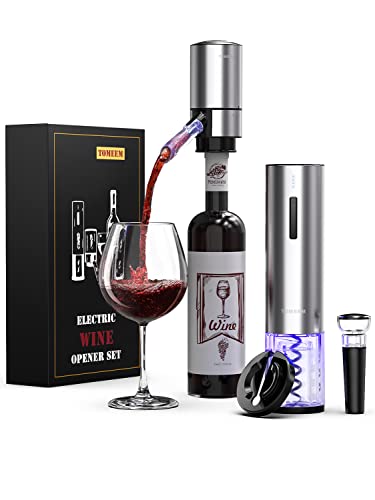


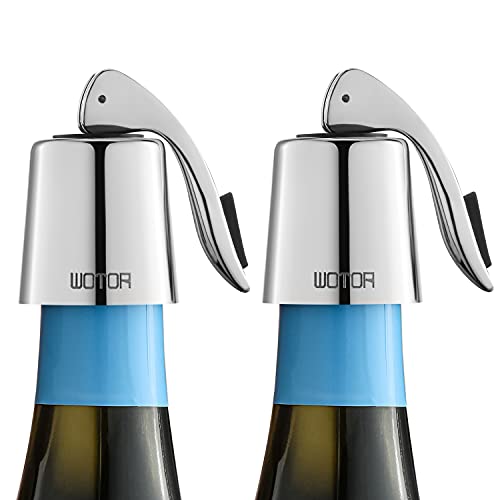

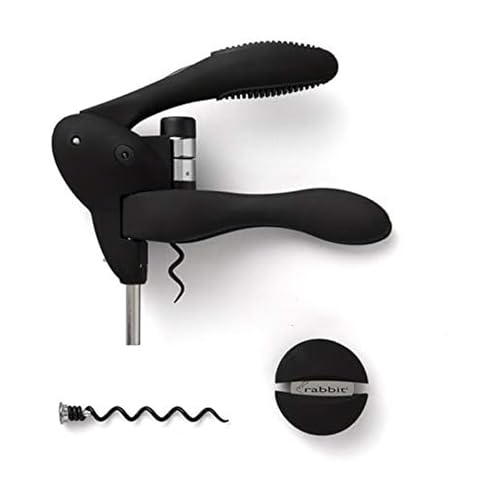


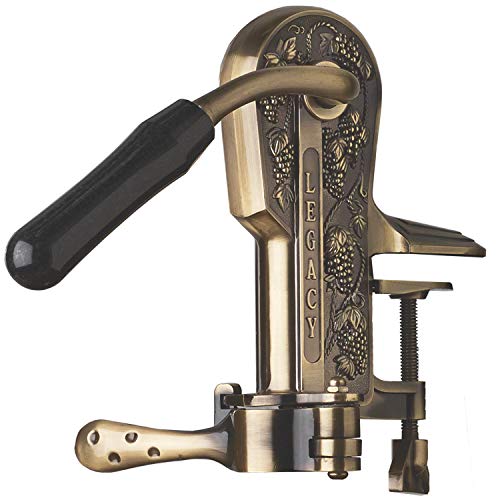
For corporate events, consider professional entertainment like musicians, magicians, or comedians. Schedule entertainment strategically throughout your event to maintain energy and engagement. Create a detailed timeline that includes when activities will occur.
“The best holiday events balance structured activities with time for organic socializing. Don’t overschedule—allow guests to connect naturally while providing entertainment touchpoints throughout the event.”
— Professional Event Planner
Gift exchanges add excitement to holiday gatherings. Set clear price limits and guidelines in advance. For larger groups, use a gift exchange app to organize participants and prevent duplication.
7. Design a Thoughtful Floor Plan and Flow
The physical layout of your event space significantly impacts guest experience. Effective Christmas holiday event planning includes creating a floor plan that facilitates movement, conversation, and participation in activities.

Create distinct zones for different activities while ensuring a natural flow between them:
- Welcome area: First impression with coat check, welcome drinks, and clear directional information
- Food and beverage stations: Positioned to prevent bottlenecks with clear traffic patterns
- Seating areas: Mix of dining tables and conversation groupings
- Activity zones: Dedicated spaces for entertainment, games, or gift exchanges
- Quiet areas: Spaces where guests can have conversations away from music or activities
Consider these practical layout tips:
Traffic Flow
Create clear pathways between high-traffic areas. Avoid dead ends and ensure doorways remain unobstructed.
Conversation Spaces
Arrange seating in small groups that facilitate conversation. Ensure music isn’t too loud in these areas.
Accessibility
Ensure all areas are accessible to guests with mobility challenges. Create wide pathways and remove obstacles.
For home events, temporarily rearrange furniture to create a more open floor plan. Remove fragile items and create dedicated spaces for coats and personal belongings.
8. Coordinate Logistics and Timeline
A detailed timeline is essential for smooth Christmas holiday event planning. Create a comprehensive schedule that includes setup, guest arrival, activities, and cleanup. Share this timeline with anyone helping you host the event.

Your event day timeline should include:
| Time | Activity | Responsible Person | Notes |
| 3-4 hours before | Arrange furniture, set tables, and prepare a welcome area | Host + helpers | Light candles, start music, and prepare welcome drinks |
| 2 hours before | Food preparation final steps | Host/Caterer | Finish cooking, arrange serving stations |
| 1 hour before | Personal preparation | Host | Get dressed, review final details |
| 30 minutes before | Final touches | Host + helpers | Greet at door, offer drinks, explain the event layout |
| Start time | Welcome guests | Host | Announce dinner, guide guests to the dining area |
| +30 minutes | Appetizers served | Servers/Host | Begin passing hors d’oeuvres or open buffet |
| +1 hour | Main meal service | Caterer/Host | Announce dinner, guide guests to dining area |
| +2 hours | Entertainment/Activities | Activity leader | Begin gift exchange, games, or entertainment |
| +3 hours | Dessert service | Host | Set out desserts, offer coffee/tea |
| End time | Farewell to guests | Host | Thank guests, distribute any party favors |
Coordinate with vendors well in advance, confirming details 1-2 weeks before the event. Create a contact sheet with phone numbers for all vendors and helpers. For complex events, consider hiring a day-of coordinator to manage logistics while you enjoy hosting.
Stay On Track With Your Holiday Event
Our comprehensive Christmas Holiday Event Planning Timeline Template helps you manage every detail from start to finish.
9. Prepare Your Space and Decorations
Transforming your venue with festive decorations is a highlight of Christmas holiday event planning. Start with a decoration plan that complements your theme and makes a strong visual impact.

Focus on these key decorative elements:
Entrance & Welcome Area
- Wreath or festive door decoration
- Pathway lighting or luminaries
- Welcome sign or event signage
- Small decorated tree or arrangement
Main Event Space
- Christmas tree (if appropriate)
- Garlands and string lights
- Hanging decorations or ceiling treatments
- Window decorations and accent lighting
Table Settings & Food Areas
- Themed centerpieces
- Coordinated linens and napkins
- Place cards or menu displays
- Decorated food and beverage stations
Prepare your space by thoroughly cleaning before decorating. For home events, consider temporarily storing everyday items to create more space and reduce clutter. Ensure all lighting is working properly and have extra bulbs on hand.
Decoration Budget-Saving Tips
- Use natural elements like pine branches, pinecones, and citrus
- Repurpose existing decorations in new combinations
- Focus on high-impact areas that guests will notice first
- Invest in quality lights and basic ornaments you can use for years
- DIY simple decorations like paper snowflakes or ribbon garlands
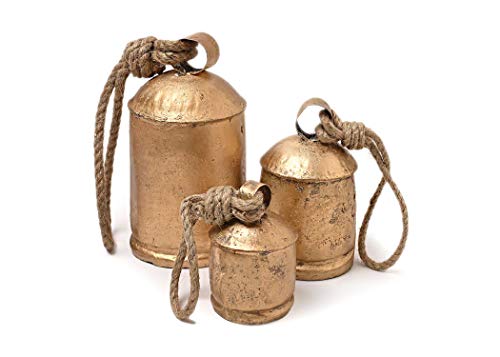
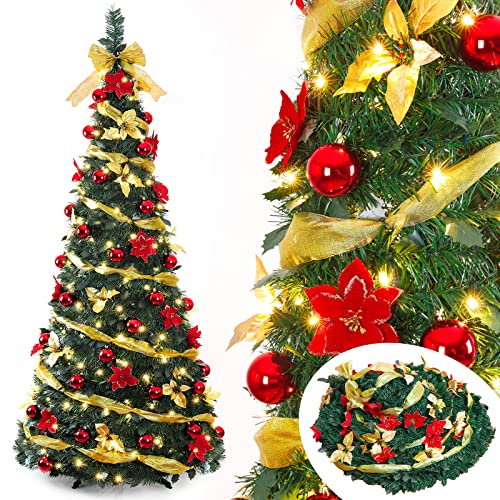


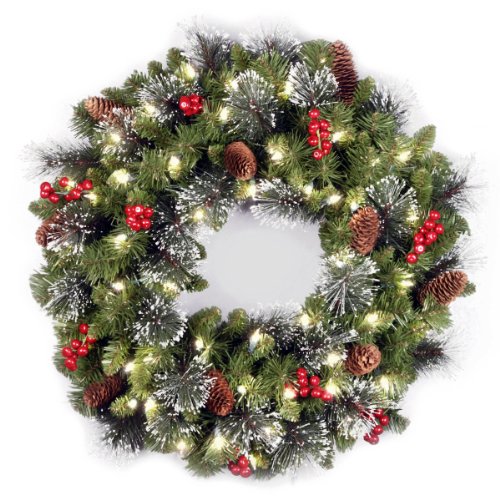



Don’t forget practical considerations like adequate trash receptacles (disguised with festive covers), accessible restrooms with necessary supplies, and comfortable room temperature adjusted for a full house.
10. Create Memorable Moments and Follow Up
The most successful Christmas holiday event planning creates meaningful experiences that guests will remember long after the party ends. Incorporate special touches that elevate your event:

- Personalized elements: Custom place cards, monogrammed napkins, or personalized party favors
- Surprise moments: Special entertainment, unexpected treats, or a visit from Santa
- Photo opportunities: Designated photo areas with good lighting and festive backdrops
- Thoughtful toasts: Prepared remarks that acknowledge guests and celebrate the season
- Parting gifts: Small tokens of appreciation like ornaments, cookies, or mini champagne bottles
Document your event through photos and videos. Consider hiring a professional photographer for larger events or designating a friend as the official photographer. Create a shared digital album where guests can view and download images.
After your event, follow up with guests to extend the experience:
Within 48 Hours
- Share photos on social media or via email
- Send a group message thanking everyone for attending
- Address any items left behind
Within One Week
- Send personalized thank-you notes
- Share recipes that guests enjoyed
- Begin planning for next year’s gathering
Take notes on what worked well and what you’d change for future events. This reflection helps you refine your Christmas holiday event planning skills year after year.
Creating Holiday Magic Through Thoughtful Planning
Successful Christmas holiday event planning combines practical organization with creative touches that reflect the joy of the season. By following these 10 tips, you’ll create a festive celebration that runs smoothly while providing meaningful experiences for your guests.

Remember that the most important element of any holiday gathering is the connection it creates between people. While perfect decorations and delicious food enhance the experience, it’s the warmth, joy, and shared moments that truly make a Christmas event special.
Start your planning early, stay organized throughout the process, and don’t forget to enjoy the celebration you’ve worked so hard to create. After all, the best gift you can give your guests is your presence and attention during the event itself.
Make Your Holiday Planning Stress-Free
Download our complete Christmas Holiday Event Planning Kit with checklists, templates, timeline tools, and decoration ideas.
We earn a commission if you make a purchase, at no additional cost to you.








![[Wire and Christmas Lighting Storage Bag] - Install N Store Light Storage Reels and Wire Spool - Includes 3 Spools, a Hanging Hook, and a Zipper Bag](https://m.media-amazon.com/images/I/5106JpI23DL._SL500_.jpg "Planning and Hosting the Perfect Christmas Holiday Event: 10 Tips")













Discover more from Cozy Corner
Subscribe to get the latest posts sent to your email.