Exploring nutrition, I always see how omega-3 fatty acids are key for health. These fats help with many body functions, like making hormones and supporting genes.
Adding omega-3s to your diet is great for a health detox plan and a natural detox program. It helps clean your body and boosts health. Knowing the good of these fats is a big step to a better life.
Key Takeaways
- Omega-3 fatty acids are essential for various bodily processes.
- Including omega-3s in your diet supports overall health and well-being.
- A health detox plan and natural detox program can benefit from omega-3s.
- These polyunsaturated fats help cleanse your body.
- Understanding omega-3 benefits is the first step to a healthier lifestyle.
The Science Behind Omega-3 Fatty Acids
Omega-3 fatty acids are very interesting. They are a special kind of fat our bodies need but can’t make. They are called essential fatty acids.
What Are Omega-3s and Why I Include Them in My Diet
I eat omega-3s because they are good for my heart and brain. They also help lower inflammation. Many studies show they are key for staying healthy.
The Three Essential Types: EPA, DHA, and ALA
There are three main omega-3s: EPA, DHA, and ALA. EPA and DHA are in fatty fish. ALA is in plants like flaxseeds and walnuts. Each type helps in different ways, with EPA and DHA being great for the heart and brain.
How Omega-3s Work in Your Body
Omega-3s help cells work better. They make cell signals stronger and lower inflammation. This helps many parts of our body, like our heart and brain.
Health Benefits of Omega-3 Fatty Acids
Omega-3 fatty acids are very good for you. They help your body in many ways. This includes keeping your heart and brain healthy.
Heart Health Support
Omega-3s help your heart by lowering bad fats and blood pressure. This can make your heart healthier. Some benefits are:
- Lowering triglycerides
- Reducing blood pressure
- Preventing blood clots
Brain Function and Mental Clarity
Omega-3s are great for your brain. They help you think clearly and stay sharp. They are important for your brain’s health.
Anti-inflammatory Effects
Omega-3s also fight inflammation. This can help with many health issues. It makes you feel better overall.
Lesser-Known Benefits
Omega-3s also support your eyes and might help with depression. More studies are needed, but the results look good.
Top Food Sources of Omega-3 Fatty Acids
To get enough omega-3s, I eat a variety of foods. This way, I get fatty acids and other nutrients too.
My Favorite Fatty Fish Options
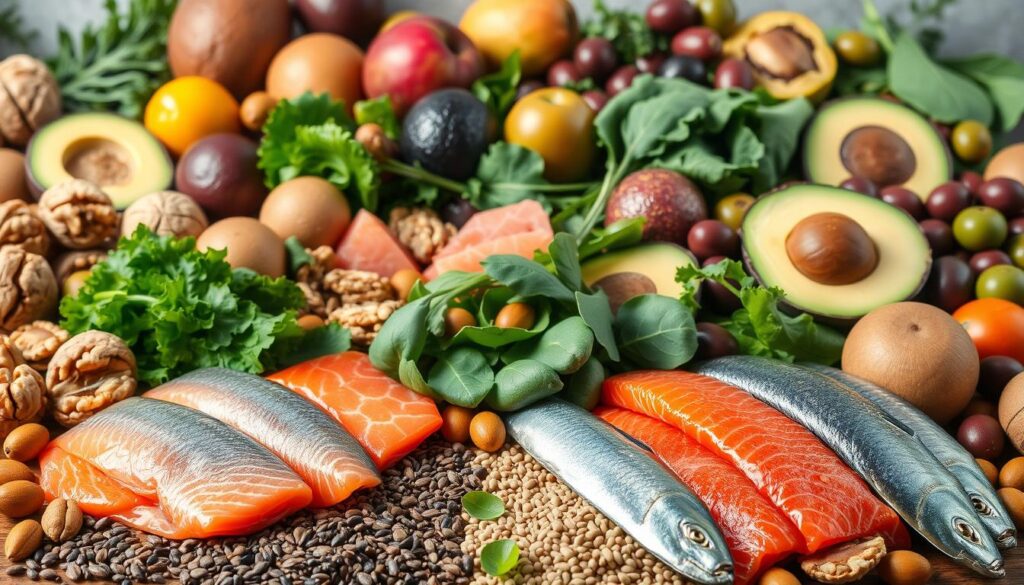
Fatty fish are full of omega-3s, like EPA and DHA. My favorites are salmon, sardines, and mackerel. They taste great and are very nutritious.
Plant-Based Sources I Recommend
If you don’t eat fish or like plant-based foods, try flaxseeds, chia seeds, and walnuts. They have ALA, a type of omega-3.
Omega-3 Enriched Foods to Look For
Some foods have extra omega-3s. Look for omega-3 enriched eggs and fortified yogurt.
| Food | Omega-3 Content |
|---|---|
| Salmon (3 oz) | 1.8 grams |
| Flaxseeds (1 tbsp) | 1.6 grams |
| Walnuts (1 oz) | 0.25 grams |
How to Incorporate Omega-3s Into Your Daily Diet
I found that making a few simple meal swaps can really help. By adding omega-3-rich foods to my meals, I get healthier. It also helps my heart and brain.
Simple Meal Swaps to Increase Omega-3 Intake
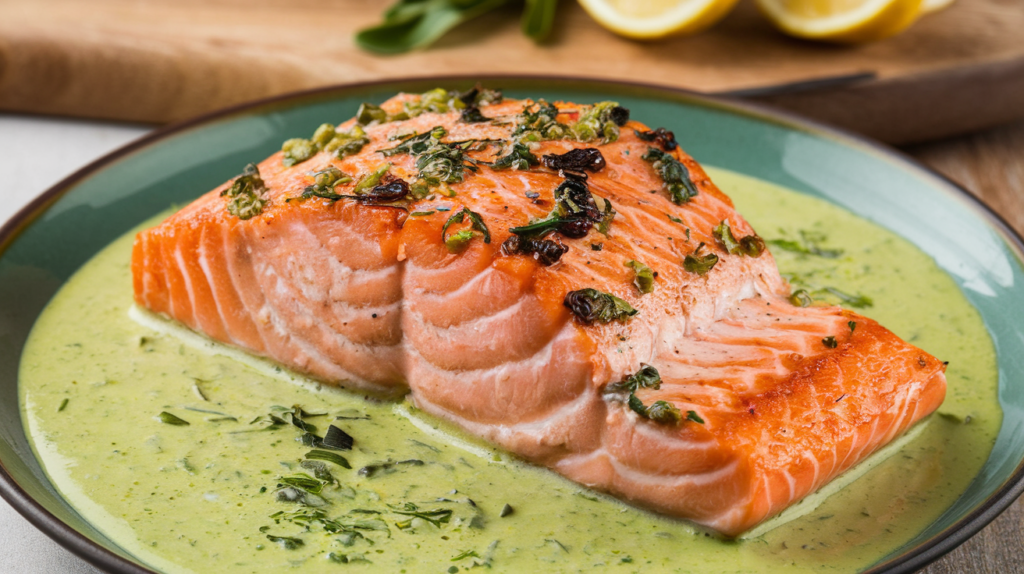
One easy way to get more omega-3s is to swap meals. For example, picking fatty fish like salmon over lean fish helps a lot. Here are some swaps I like:
- Grilled salmon instead of grilled chicken
- Sardines on toast for a quick snack
- Walnut-crusted chicken for added crunch and nutrition
My 3-Step Method for Omega-3 Rich Meal Planning
Planning meals is key to getting enough omega-3s. My method has three easy steps:
- Find omega-3 rich foods: fatty fish, nuts, and seeds
- Make meals with these foods, so they’re varied
- Prepare meals ahead to avoid unhealthy choices
Cooking Techniques That Preserve Omega-3 Content
Cooking methods can affect omega-3s in foods. I choose methods that keep these fatty acids safe.
Temperature Considerations
Cooking at high heat can hurt omega-3s. I cook at lower temperatures when I can.
Cooking Methods I Avoid
Deep-frying is bad because it adds extra calories and can harm omega-3s. I prefer baking, grilling, or steaming instead.
Choosing the Right Omega-3 Supplements
There are many omega-3 supplements out there. It’s important to know what to look for. This ensures you get a good product.
How I Evaluate Fish Oil Supplements
I check if fish oil supplements are clean. They should be free from bad stuff like mercury. Look for EPA and DHA, the good parts of omega-3s.
A good brand will show proof of testing. This means the product is safe and works well.
Vegan and Vegetarian Options I’ve Tried
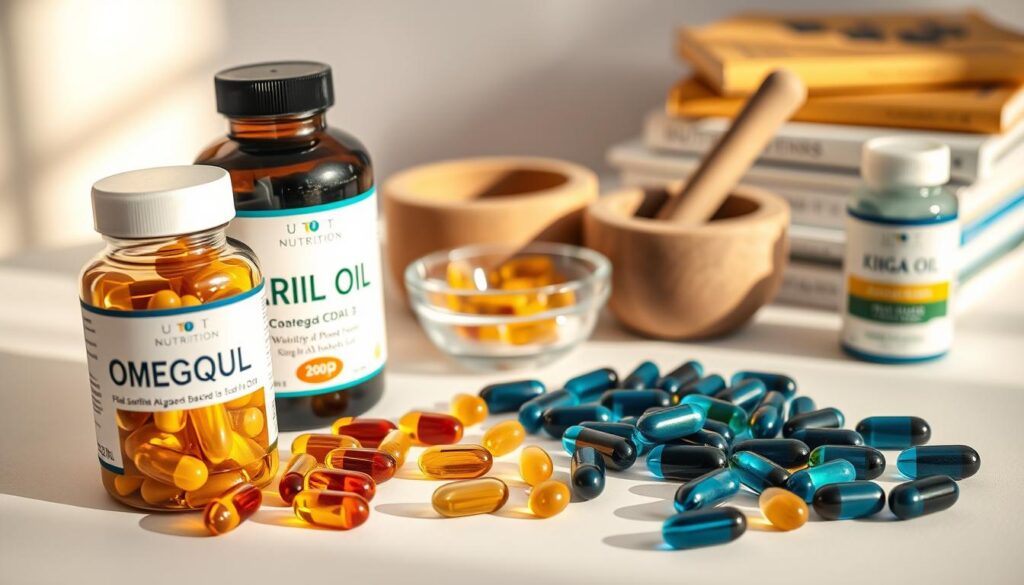
For those who don’t eat fish, algae oil is a great choice. It’s made from algae and is good for the planet. Make sure it’s approved by a trusted group.
Reading Supplement Labels: What to Look For
It’s important to understand what’s on the label. Look for omega-3 types, amounts, and where they come from. Also, check for extra stuff and how to use it.
A good label will show third-party testing. This means it’s been checked by someone else.
Potential Side Effects and How to Avoid Them
Omega-3 supplements are usually safe. But some people might feel a fishy taste or stomach issues. Start with a small dose and slowly add more.
Talking to a doctor is also a good idea. This is true if you’re on medication or have health problems.
By paying attention to these things, you can find a good omega-3 supplement. This will help your health a lot. As “The right supplement can make a significant difference in your health journey.”
My Recommended Daily Intake of Omega-3s
Finding the right amount of omega-3s depends on many things. This includes your life stage and personal needs. Everyone’s needs are different.
General Guidelines I Follow
Healthy adults should get about 250-500 mg of EPA and DHA each day. Some say more might be good for some people. As Dr. Michael Ozner says, “Omega-3 fatty acids are key for heart health and well-being.”
Adjusting Intake for Different Life Stages
Our omega-3 needs to change as we grow. Pregnant women need more for their babies. Kids need different amounts than grown-ups. The American Heart Association says to adjust based on age and health.
Signs You Might Need More Omega-3s
Do you have dry skin, feel tired, or have trouble focusing? You might need more omega-3s. As
“Omega-3 deficiency can show up in many ways, like skin problems and brain fog,” a study in the Journal of Nutrition found.
It’s important to listen to how your body feels and adjust your intake.
Common Myths About Omega-3 Fatty Acids
I love learning about nutrition. I’ve found many wrong ideas about omega-3s. Let’s clear up these myths and learn the truth about these important fats.
Why All Omega Fats Aren’t Created Equal
Not all omega-3s are the same. Fatty fish like salmon have EPA and DHA. But, plants like flaxseeds have ALA. Knowing this helps us make better choices for our omega-3s.
The Truth About Fish vs. Supplements
Many ask if it’s better to get omega-3s from fish or supplements. Fish are great, but supplements are handy too. Just pick high-quality ones with lots of EPA and DHA.
| Source | EPA/DHA Content | Benefits |
|---|---|---|
| Fatty Fish | High | Rich in protein, vitamins, and minerals |
| Supplements | Variable | Convenient, concentrated dose |
| Plant-Based Sources | Low (ALA only) | Rich in fiber, antioxidants |
Misconceptions I Used to Believe
I once thought all omega-3 supplements were the same. But, I learned that quality can really vary. Always check labels and choose trusted brands for the best benefits.
Conclusion
Omega-3 fatty acids are very important for our health. They help our heart and brain work better. Adding them to our diet can make us feel better.
To get more omega-3s, eat fatty fish and plants. You can also take supplements. Making small changes can make a big difference in your health.
By following these tips, you can improve your mental energy. You’ll also support your overall health. Start now and see the positive changes in your life.
FAQ
What are the best food sources of omega-3 fatty acids?
How can I incorporate more omega-3s into my diet?
What are the benefits of taking omega-3 supplements?
How much omega-3 should I take daily?
Can I get enough omega-3s from plant-based sources?
Are there any potential side effects of taking omega-3 supplements?
How can I ensure I’m getting high-quality omega-3 supplements?
Can omega-3s help with brain fog and mental clarity?
Are omega-3 supplements suitable for vegetarians and vegans?
Gluten Free Diet Guide
Curious about going gluten-free? Discover the benefits, top foods to enjoy, and smart swaps to support your health. Whether you’re gluten-intolerant or just exploring a cleaner way to eat, this gluten-free guide makes it easy and delicious!
Brain Boosting Diet
Discover the best brain-boosting foods that enhance memory, concentration, and cognitive function. From omega-3-rich salmon to antioxidant-packed berries, this guide shares simple ways to nourish your mind daily.
10 Days Detox Guide & Recipes
Boost your metabolism, elevate your energy levels, and step into the healthiest, happiest version of yourself — full of vitality, confidence, and lasting well-being.
Discover more from Cozy Corner
Subscribe to get the latest posts sent to your email.