
My 30-day habit experiments showed me something important. Small steps can lead to big changes. By doing the same thing every day for 30 days, we can make habits automatic.
This guide will show you how to make lasting changes. We’ll use proven methods to help you achieve your goals.
Why 30 Days is a Game Changer
Risa Williams found out why 30 days is key. She called it “activation energy.” It means our brains need to repeat something to make it a habit.
My own 30-day tests proved it. Doing something every day for 30 days makes it easy. It’s not magic, it’s science.
The Science of Establishing New Routines
Neuroscience says habits come from doing the same thing over and over. Samantha Zhu’s study shows that wanting to do it is more important than trying hard.
The habit loop is a simple guide. It has cue, routine, and reward. My daily trackers showed me that small wins can lead to big changes.
Key Takeaways for Creating Lasting Changes
- 30 days is the shortest proven timeframe for habit formation
- Start with routines that match your lifestyle
- Science shows 21-30 days rewires the brain
- Internal motivation matters more than willpower
- Track progress to stay on course
Planning and Setting Up Your 30-Day Journey
Starting a 30-day habit challenge needs clear planning. I started by making building healthy habits with SMART goals. For instance, instead of saying “exercise more,” I said “walk 30 minutes daily at 7 AM.” This makes it easy to follow.
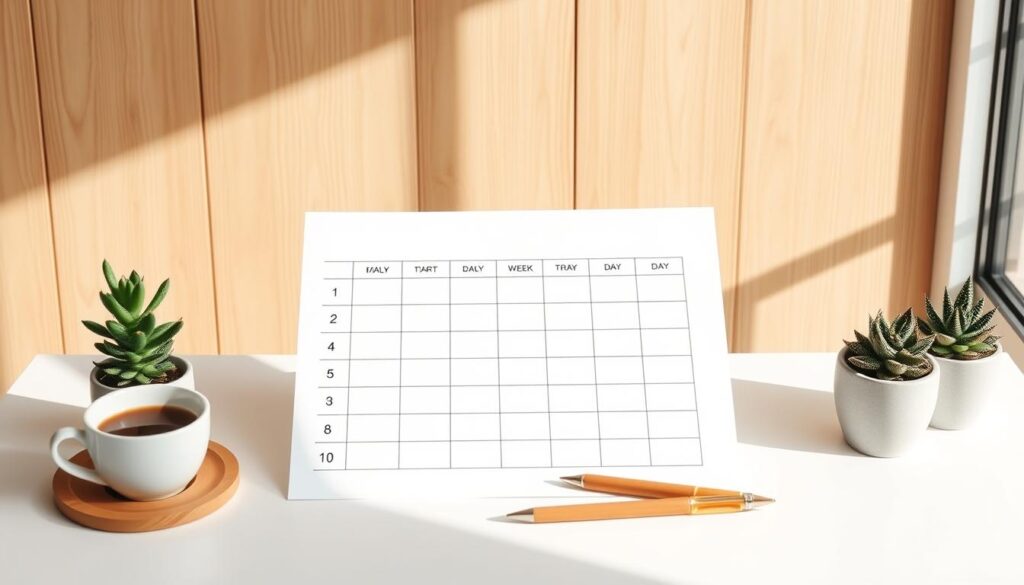
- Visual Tracking: I used a calendar with X’s for each day I completed a task. Seeing my progress helped keep me motivated.
- Micro-Goals: I broke big habits into small steps, like meditating for 5 minutes instead of an hour.
- Accountability Checks: I reviewed my progress weekly to see what worked and what didn’t.
Experts like Dr. Jacquie Lavin say to mix habit formation techniques with lifestyle. Here’s how I did it:
| Technique | How I Applied It |
|---|---|
| Habit Stacking | I paired new habits with things I already do, like flossing after brushing teeth. |
| Time Blocking | I scheduled times for habits to avoid making too many decisions. |
| Progress Journaling | I wrote 2-3 sentences each night to think about my day and what I learned. |
Choosing the right tools was important. I used an app called Habitica to make tasks fun. A physical journal helped me see how my mood changed with my habits. Remember, small steps add up to big changes with good planning.
How to make new habits in 30 days: My Step-by-Step Process
Building lasting habits starts with clarity. To create better habits, I first identified areas where small changes could boost my daily life. I used Benjamin Franklin’s journaling method to ask myself: What routines drain or energize my days? This helped me find goals like morning exercise and mindful breaks.
Identifying Habits for Positive Change
I used a habit formation strategy inspired by SMART goals: specificity matters. For example, instead of “eat healthier,” I chose “prep veggies Sunday nights.” Journaling daily, I noticed patterns—like procrastination habits—and replaced them with actionable steps.
Creating a Daily Habit Tracker
Tracking kept me accountable. I mixed tools like bullet journals and digital apps like Habitica. My system included:
- A checklist for morning, noon, and night routines
- Visual progress bars to see weekly streaks
- A “reset” column for days I missed steps
Tailoring the Challenge to My Lifestyle
Flexibility was key. I learned to build new habits by aligning them with natural rhythms. For instance:
- Scheduled workouts at 7 AM when I’m most alert
- Combined habit-building tips: Pairing hydration goals with morning coffee breaks
- Allowed “mini breaks” on stressful days to avoid burnout
Small adjustments turned habit-building tips into sustainable wins. Focusing on consistency over perfection made me turn 30 days of effort into lasting change.
Overcoming Obstacles and Tracking Habit Transformation
Building habits isn’t easy. When challenges come, being flexible and having support helps. Here’s how I overcame obstacles.
“Support and consistency are the pillars of lasting change.” – Slimming World Research Team

Strategies for Consistency
I followed these steps to stay on track:
- Set a daily habit tracker reminder on my phone.
- Joined a support group for weekly check-ins.
- Prepared for busy days by prepping materials the night before.
Dealing with Setbacks Proactively
Mistakes are not failures. My recovery steps were:
- Reviewing my new habits routine to find triggers.
- Adjusting timelines without guilt—sometimes I swapped a 30-minute workout for 10 minutes.
- Writing down what worked and what didn’t to tweak my approach.
When motivation was low, I looked at my tracker. Seeing small wins reminded me of my progress. Being flexible, not perfect, helped me keep going.
Conclusion
Building new habits takes time and effort. My 30-day experiment showed that change is possible. It’s about setting clear goals and taking action every day.
Using tools like habit trackers helps. Small wins add up over time. Healthy habits, like morning routines, become easy with practice.
Starting today is the first step. Begin with one change, like waking up early or eating better. Experts agree that dedication makes habits last.
Don’t wait; your 30-day journey starts now. Every habit starts with a choice. Make yours count.
FAQ
Why is it important to commit to a habit for 30 days?
What are some effective habit formation techniques?
How can I personalize my 30-day habit challenge?
What should I do if I encounter setbacks during my habit transformation?
How does a daily habit tracker help in the habit formation process?
What are some healthy habit ideas I can incorporate into my routine?
Can I really change my habits in just 30 days?
Disclaimer: AI-Generated Content. AI makes this blog and all images
Discover more from Cozy Corner
Subscribe to get the latest posts sent to your email.