Navigating the world of specialized diets can feel overwhelming. With so many options promising better health, weight loss, and improved wellbeing, how do you know which path is right for you? Two popular dietary approaches—gluten-free and ketogenic (keto)—often get mentioned in the same conversations, yet they serve fundamentally different purposes. This comprehensive guide will help you understand the key differences between these two dietary lifestyles, their benefits, potential drawbacks, and ultimately help you decide which might be the better fit for your unique health needs and goals.
What is a Gluten-Free Diet?
Gluten-free foods focus on eliminating wheat, barley, and rye
A gluten-free diet involves eliminating all foods containing gluten, a group of proteins found in wheat, barley, and rye. For people with celiac disease, consuming even small amounts of gluten triggers an immune response that damages the small intestine, leading to serious health complications. Others with non-celiac gluten sensitivity may experience symptoms like bloating, abdominal pain, and fatigue when consuming gluten.
The primary focus of a gluten-free diet is not macronutrient composition but rather the complete elimination of specific proteins that cause adverse reactions in sensitive individuals. This means a gluten-free diet can still include carbohydrates from sources like rice, potatoes, and corn, as well as a normal balance of proteins and fats.
What is a Ketogenic Diet?
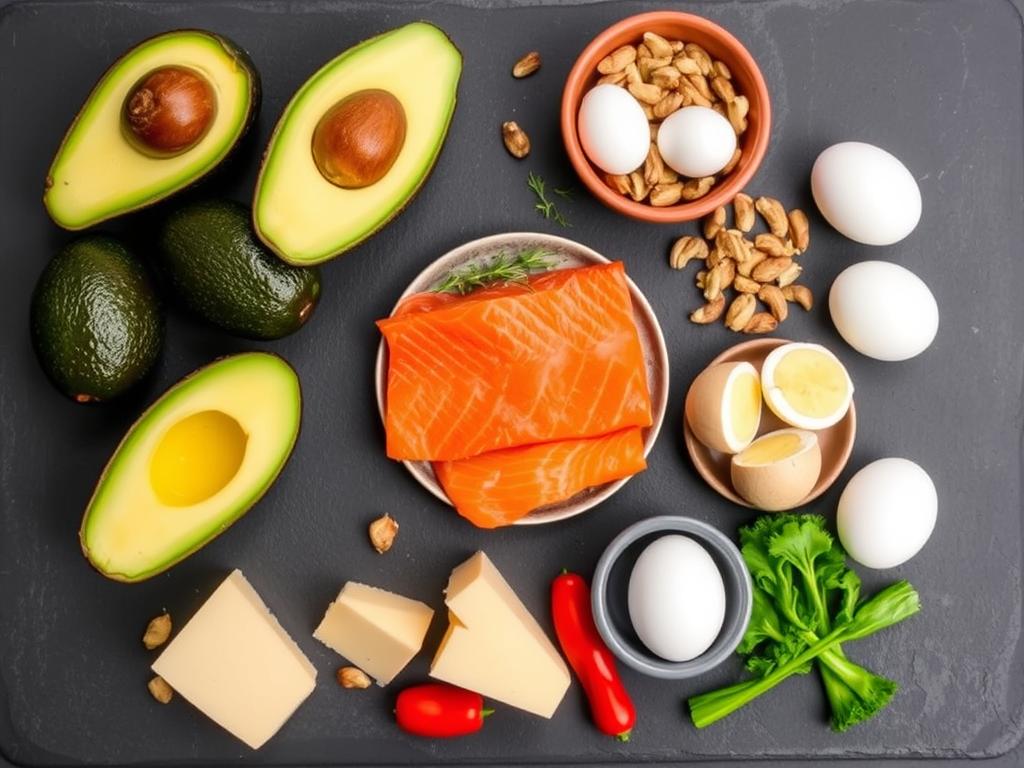
Keto foods emphasize high fat, moderate protein, and minimal carbs
The ketogenic diet is a low-carbohydrate, high-fat eating plan designed to shift your body’s primary fuel source from carbohydrates to fat. By drastically reducing carbohydrate intake (typically to less than 50 grams per day) and increasing fat consumption, the body enters a metabolic state called ketosis, where it produces ketone bodies from fat and uses them for energy instead of glucose.
Unlike the gluten-free diet, which focuses on eliminating specific proteins, the ketogenic diet is all about macronutrient composition: approximately 70-80% of calories from fat, 15-20% from protein, and only 5-10% from carbohydrates. This strict macronutrient ratio is what drives the metabolic changes that define the diet.
Key Differences Between Gluten-Free and Keto Diets
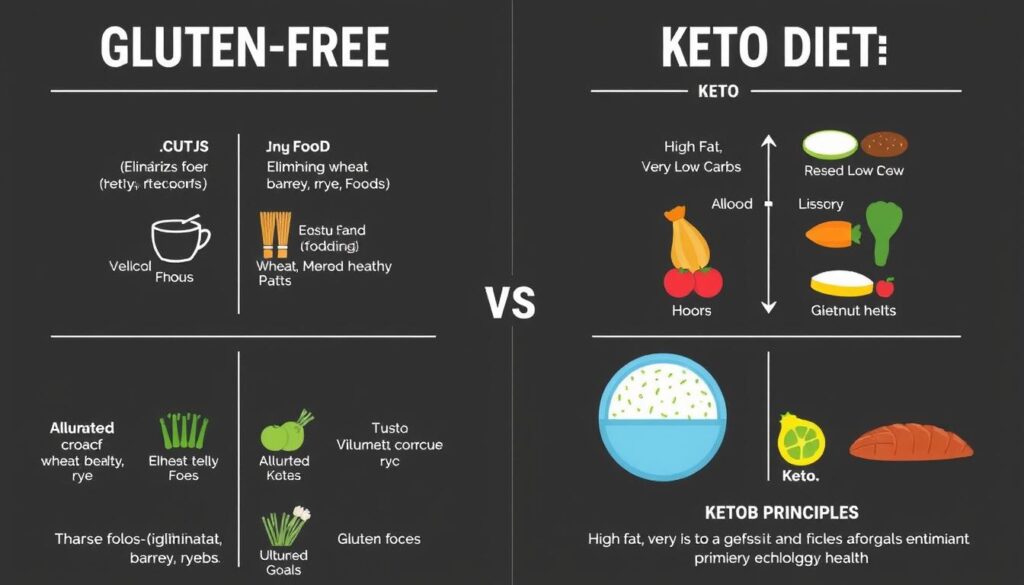
| Aspect | Gluten-Free Diet | Ketogenic Diet |
| Primary Focus | Eliminating gluten proteins | Altering macronutrient ratios to achieve ketosis |
| Carbohydrate Restriction | No specific restriction (can be high or low in carbs) | Severe restriction (typically 20-50g per day) |
| Fat Intake | No specific requirement | Very high (70-80% of total calories) |
| Primary Health Goals | Managing celiac disease or gluten sensitivity | Weight loss, metabolic health, neurological benefits |
| Food Flexibility | Can include many carb sources (rice, potatoes, corn) | Restricts most carb sources regardless of gluten content |
| Medical Necessity | Essential for celiac disease patients | Originally developed for epilepsy, now used for various purposes |
Nutritional Focus
The fundamental difference between these diets lies in their nutritional focus. A gluten-free diet targets the elimination of specific proteins (gluten) regardless of macronutrient composition, while the ketogenic diet focuses on macronutrient ratios to achieve a specific metabolic state, regardless of gluten content.
Health Goals
Gluten-free diets are primarily adopted out of medical necessity for those with celiac disease or non-celiac gluten sensitivity. The goal is to prevent immune reactions and intestinal damage. In contrast, ketogenic diets are typically chosen for weight loss, blood sugar management, or potential benefits for certain neurological conditions.
Food Restrictions and Flexibility
While both diets restrict certain foods, they do so for different reasons. A gluten-free diet allows many carbohydrate-rich foods as long as they don’t contain gluten, while a ketogenic diet restricts most carbohydrate sources regardless of their gluten content. This creates different challenges and levels of dietary flexibility for followers of each approach.
Pros and Cons of Each Diet
Gluten-Free Diet: Benefits and Drawbacks

Benefits of Going Gluten-Free
- Essential treatment for celiac disease
- Relieves symptoms for those with non-celiac gluten sensitivity
- May reduce inflammation and digestive distress
- Can improve energy levels and reduce brain fog in sensitive individuals
- Wide variety of gluten-free alternatives now available
Potential Drawbacks
- Risk of nutrient deficiencies (fiber, B vitamins, iron)
- Processed gluten-free foods often higher in sugar and fat
- Can be more expensive than conventional eating
- Social challenges when dining out
- No proven benefits for those without gluten sensitivity
For those with celiac disease, a gluten-free diet is not optional—it’s a medical necessity. The small intestine damage caused by gluten consumption in these individuals can lead to malnutrition, bone density loss, and increased risk of certain cancers. For those with non-celiac gluten sensitivity, eliminating gluten can provide significant relief from symptoms like bloating, abdominal pain, and fatigue.
However, without proper planning, a gluten-free diet can lead to nutritional gaps. Many gluten-free processed foods are lower in fiber, iron, and B vitamins compared to their gluten-containing counterparts. Additionally, some studies suggest that people without gluten sensitivity derive no health benefits from avoiding gluten.
Ketogenic Diet: Benefits and Drawbacks

Benefits of Going Keto
- Rapid weight loss for many followers
- Reduced hunger and appetite control
- Improved insulin sensitivity and blood sugar control
- Potential therapeutic effects for epilepsy
- May improve certain cardiovascular risk factors
Potential Drawbacks
- “Keto flu” during adaptation (fatigue, headaches, irritability)
- Restrictive nature makes long-term adherence challenging
- Potential for nutrient deficiencies without careful planning
- May increase LDL cholesterol in some individuals
- Limited long-term research on safety and efficacy
The ketogenic diet has shown impressive results for weight loss in numerous studies. By shifting the body’s metabolism to fat-burning, many people experience rapid initial weight loss and reduced hunger. For those with type 2 diabetes or insulin resistance, the diet can help improve blood sugar control and reduce medication needs.
However, the transition to ketosis can be challenging, with many people experiencing what’s known as the “keto flu”—a collection of symptoms including headaches, fatigue, and irritability that typically last a few days to weeks. The highly restrictive nature of the diet can also make social situations and long-term adherence difficult for many people.
Practical Meal Plan Examples
Sample Gluten-Free Daily Meal Plan

Breakfast
- Gluten-free oatmeal topped with fresh berries and sliced almonds
- Greek yogurt with honey
- Fresh orange juice
Lunch
- Quinoa bowl with roasted vegetables
- Grilled chicken breast
- Olive oil and lemon dressing
- Fresh fruit
Dinner
- Baked salmon with herbs
- Brown rice
- Steamed broccoli and carrots
- Mixed green salad with gluten-free dressing
Snacks
- Rice cakes with almond butter
- Fresh fruit
- Gluten-free granola bar
Sample Ketogenic Daily Meal Plan
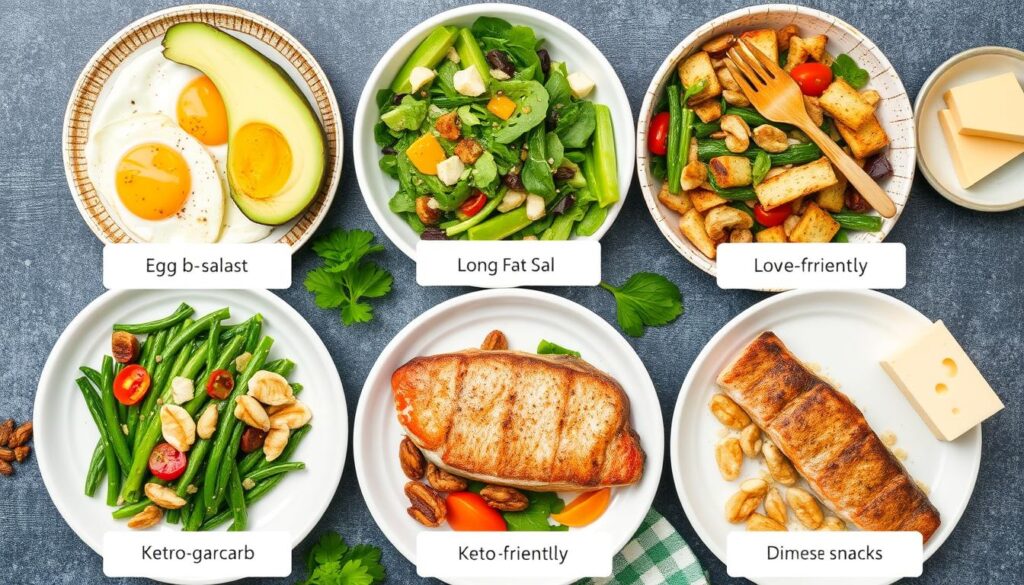
Breakfast
- Scrambled eggs with cheese and spinach
- Half an avocado
- Coffee with heavy cream or MCT oil
Lunch
- Large salad with mixed greens
- Grilled chicken thighs (with skin)
- High-fat dressing (olive oil and vinegar)
- Sprinkle of sunflower seeds
Dinner
- Ribeye steak with herb butter
- Cauliflower mash with cream and cheese
- Asparagus sautéed in olive oil
Snacks
- String cheese
- Small handful of macadamia nuts
- Pepperoni slices
Can These Diets Be Combined?
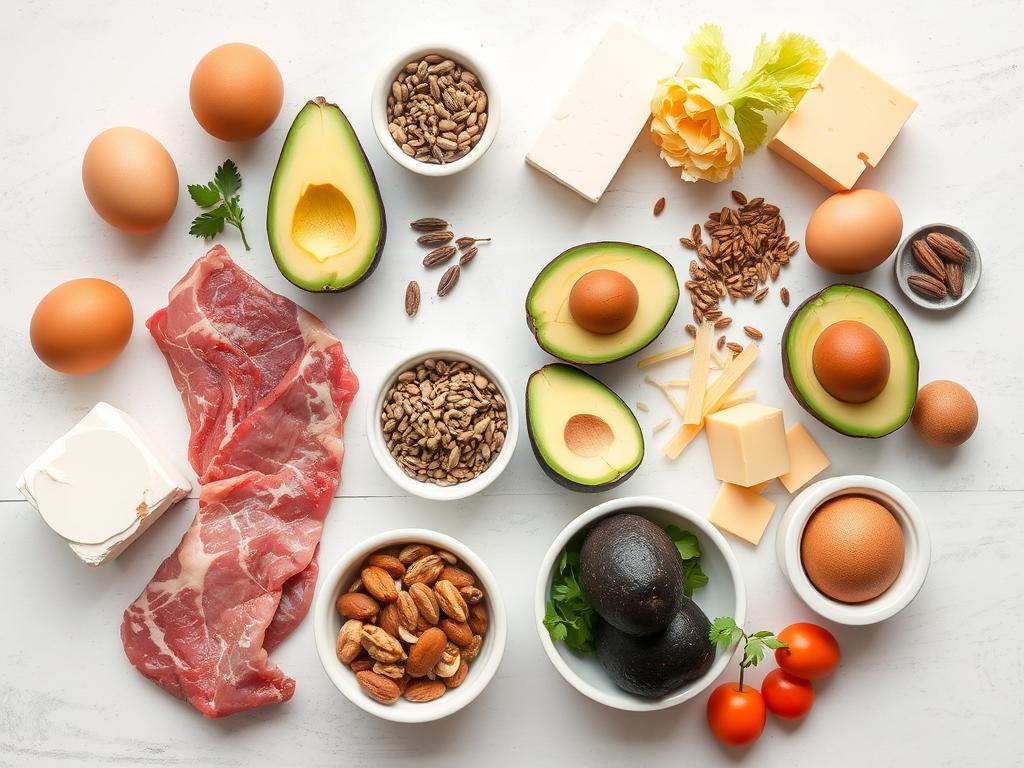
Yes, it’s entirely possible to follow a diet that is both gluten-free and ketogenic. In fact, many ketogenic diets are naturally gluten-free since they eliminate most grain-based foods that contain gluten. However, it’s important to note that combining these approaches creates an even more restrictive eating pattern that requires careful planning to ensure nutritional adequacy.
Foods that work well for both diets include:
- Meats, poultry, and fish
- Eggs
- Most cheeses
- Nuts and seeds
- Low-carb vegetables
- Healthy oils (olive, avocado, coconut)
- Avocados
Which Diet is Right for You? A Decision-Making Guide

Choosing between a gluten-free and ketogenic diet depends on your specific health needs, goals, and lifestyle preferences. Consider these key questions to help guide your decision:
Do you have celiac disease or confirmed gluten sensitivity?
If yes, a gluten-free diet is medically necessary for you. This should be your primary dietary focus, though you could potentially combine it with ketogenic principles if you have additional goals like weight loss.
What is your primary health goal?
For weight loss: A ketogenic diet may offer more rapid results, though a well-planned gluten-free diet can also support weight management.
For managing digestive issues: If related to gluten, a gluten-free diet is the clear choice. If not specifically gluten-related, either diet might help, depending on your triggers.
For blood sugar management: A ketogenic diet typically offers superior blood sugar control due to its very low carbohydrate content.
How restrictive can your diet realistically be?
A ketogenic diet is generally more restrictive than a gluten-free diet, as it limits entire macronutrient groups rather than just specific proteins. Consider your lifestyle, social eating patterns, and how much effort you’re willing to put into meal planning and preparation.
Do you have any other health conditions?
Certain conditions may influence which diet is more appropriate. For example, those with kidney disease should consult a doctor before trying keto, while those with multiple food sensitivities might find a carefully planned gluten-free diet more manageable.
Still Unsure Which Diet to Choose?
Consider consulting with a registered dietitian who specializes in therapeutic diets. They can provide personalized guidance based on your specific health needs, goals, and food preferences.
Frequently Asked Questions
Can you follow both a gluten-free and a keto diet simultaneously?
Yes, you can combine both approaches. Many keto-friendly foods are naturally gluten-free, such as meats, eggs, cheese, nuts, seeds, and low-carb vegetables. However, you’ll need to be vigilant about hidden sources of gluten in processed foods and ensure you’re getting adequate nutrition while following such a restrictive combined approach.
Which diet is better for people with diabetes?
A ketogenic diet typically offers superior blood sugar control for people with diabetes due to its very low carbohydrate content. Multiple studies have shown that ketogenic diets can improve insulin sensitivity and reduce medication needs in people with type 2 diabetes. However, people with diabetes should always consult their healthcare provider before making significant dietary changes, as medication adjustments may be necessary.
Will I lose weight on a gluten-free diet?
Weight loss is not guaranteed on a gluten-free diet. In fact, some people gain weight after going gluten-free, especially if they rely heavily on processed gluten-free products, which can be higher in calories, sugar, and fat than their gluten-containing counterparts. Weight management on a gluten-free diet requires the same principles as any healthy eating plan: portion control, emphasis on whole foods, and regular physical activity.
How long does it take to see results on each diet?
For people with celiac disease or gluten sensitivity, symptom improvement on a gluten-free diet can begin within days to weeks, though complete intestinal healing may take months to years. On a ketogenic diet, many people notice initial weight loss within the first week (largely water weight), with more consistent fat loss in the following weeks. Metabolic benefits like improved blood sugar control may be noticeable within 2-4 weeks.
Are these diets safe for children?
A gluten-free diet is safe and necessary for children with celiac disease or confirmed gluten sensitivity. A ketogenic diet should only be implemented for children under strict medical supervision, typically for specific conditions like epilepsy. Growing children have unique nutritional needs, and restrictive diets can impact growth and development if not properly planned.
Conclusion: Making Your Choice

Both gluten-free and ketogenic diets can offer significant health benefits when implemented correctly and for the right reasons. The gluten-free diet remains the essential treatment for celiac disease and non-celiac gluten sensitivity, focusing on eliminating specific proteins that trigger adverse reactions. The ketogenic diet, with its focus on macronutrient manipulation to achieve ketosis, offers potential benefits for weight loss, metabolic health, and certain neurological conditions.
Your specific health needs, goals, and lifestyle considerations should guide your choice between these diets. For some, the decision is clear-cut—those with celiac disease must follow a gluten-free diet. For others, the choice may depend on factors like weight loss goals, blood sugar management, or overall dietary preferences.
Remember that neither diet is inherently “better” than the other—they simply serve different purposes. Whichever path you choose, focus on consuming nutrient-dense whole foods, staying adequately hydrated, and maintaining a balanced approach to nutrition. And as with any significant dietary change, consulting with healthcare professionals can provide personalized guidance to ensure your chosen diet supports your long-term health and well-being.
Ready to Start Your Dietary Journey?
Whether you’re choosing gluten-free, keto, or a combination of both, proper planning is essential for success. Consider these next steps:
Start Your Dietary Journey
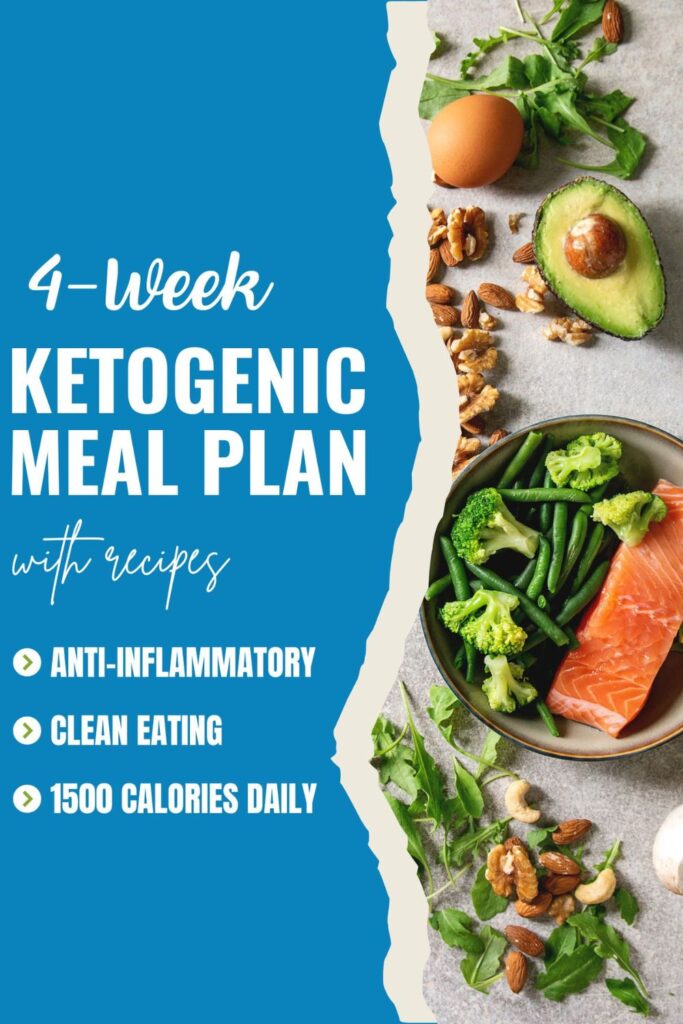
Jumpstart Your Keto Journey with a Meal Plan That Delivers Results
Ready to take the guesswork out of keto? My 30-Day Ketogenic Diet Meal Plan is your ultimate guide to staying on track, eating deliciously, and seeing real results. Whether you’re just starting your keto journey or looking to simplify your routine, this easy-to-follow plan includes balanced meals, shopping lists, and simple recipes that make low-carb living effortless.
Discover more from Cozy Corner
Subscribe to get the latest posts sent to your email.