
The food we eat has profound effects on our health, yet modern medicine often reaches for prescription pads before considering dietary changes. What if the most powerful medicine was already on your plate? Growing evidence suggests that nutrition over medication may be the key to preventing and even reversing many chronic diseases. This approach doesn’t just mask symptoms—it addresses root causes while avoiding the side effects and costs associated with long-term medication use.
The concept isn’t new. Hippocrates advised, “Let food be thy medicine and medicine be thy food” over 2,000 years ago. Today, scientific research is catching up to this ancient wisdom, revealing how specific foods and dietary patterns can transform our health at the cellular level. This article explores how nutrition can be your first line of defense against disease and a pathway to sustainable wellness.
How Nutrition Prevents and Manages Chronic Disease
The connection between diet and disease is stronger than many realize. Research consistently shows that nutritional choices can either fuel or fight chronic conditions that affect millions worldwide. Unlike medications that often target specific symptoms, proper nutrition works holistically to support the body’s natural healing processes.
Heart Disease and Nutrition
Studies published in the Journal of the American College of Cardiology show that plant-based diets can reduce the risk of heart disease by up to 25%. These diets work by lowering blood pressure, reducing inflammation, and improving cholesterol profiles—all without the side effects of statins and other heart medications.
The Mediterranean diet, rich in olive oil, fish, nuts, and vegetables, has been particularly well-studied. A landmark trial found that this eating pattern reduced cardiovascular events by nearly 30% compared to a standard low-fat diet. These benefits occur through multiple mechanisms, including improved endothelial function and reduced oxidative stress.
Diabetes Management Through Diet
For those with type 2 diabetes, nutrition can be transformative. Research in the journal Diabetes Care demonstrated that dietary interventions can be as effective as medication for glycemic control. In some cases, proper nutrition has even led to remission of the disease—something medications alone rarely achieve.
Low-carbohydrate approaches and plant-based diets have both shown promise. One study found that a low-carb diet allowed 94% of participants to reduce or eliminate diabetes medications while improving blood sugar control. These results highlight how nutrition over medication can provide superior outcomes for diabetic patients.
Inflammation and Autoimmune Conditions
Chronic inflammation underlies many diseases, from arthritis to inflammatory bowel disease. Anti-inflammatory foods like fatty fish, berries, and turmeric contain compounds that naturally suppress inflammatory pathways in the body. Clinical trials have shown that dietary patterns rich in these foods can reduce inflammatory markers and improve symptoms in conditions like rheumatoid arthritis.
The Autoimmune Protocol diet has helped many patients reduce medication dependence. This approach eliminates potential trigger foods while emphasizing nutrient-dense options that support immune regulation and gut health—addressing root causes rather than just symptoms.
Long-Term Benefits: Nutrition vs. Medication
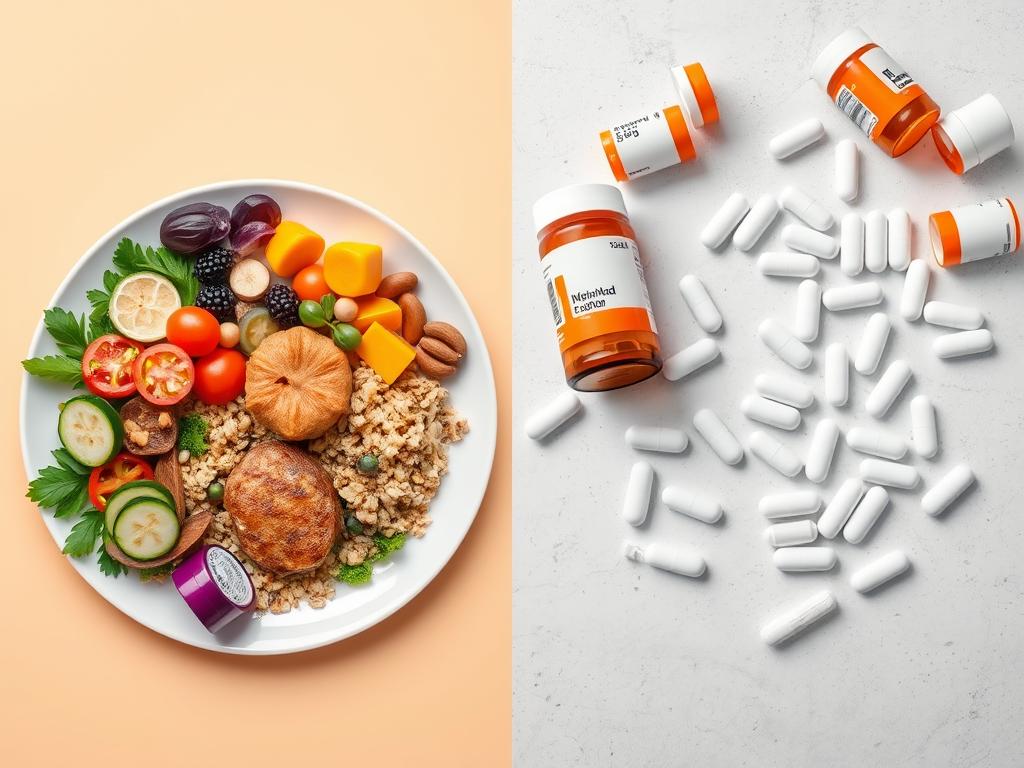
Benefits of Nutritional Approaches
- Addresses root causes rather than symptoms
- No pharmaceutical side effects
- Improves multiple health markers simultaneously
- Cost-effective long-term solution
- Environmentally sustainable
- Empowers individuals with control over their health
- Benefits extend beyond the targeted condition
Limitations of Medication-Only Approaches
- Often treats symptoms, not underlying causes
- Potential for serious side effects
- The risk of drug interactions increases with multiple medications
- Significant financial burden over time
- May require increasing dosages as effectiveness wanes
- Environmental impact of pharmaceutical production
- Can create dependency without resolving the condition
Cost Comparison
The financial aspect of choosing nutrition over medication is compelling. A study in the American Journal of Preventive Medicine found that dietary approaches to stopping hypertension (DASH) saved an average of $2,200 per patient annually compared to medication management. While healthy foods may seem expensive initially, they’re far less costly than decades of prescription medications.
Consider that the average American spends $1,200 yearly on prescription drugs. A nutrient-dense diet might increase food costs by $550 annually but could potentially eliminate thousands in medication expenses. This economic advantage becomes even more significant when considering the reduced need for doctor visits and fewer sick days.
Side Effects: A Critical Difference
Medications, while often necessary, come with risks. Common drugs like statins can cause muscle pain, liver damage, and increased diabetes risk. NSAIDs may lead to gastrointestinal bleeding and kidney problems. These side effects often require additional medications, creating a cascade of treatments.
Nutritional interventions typically have positive “side effects”—improved energy, better sleep, enhanced mood, and reduced risk of other diseases. The contrast is stark: medications often trade one problem for another, while nutrition over medication creates a foundation for overall health improvement.
Ready to Start Your Nutrition-First Journey?
Download our free “Nutrition Over Medication Starter Guide” with meal plans, shopping lists, and step-by-step instructions to begin transforming your health naturally.
Actionable Steps for Transitioning to a Healing Diet
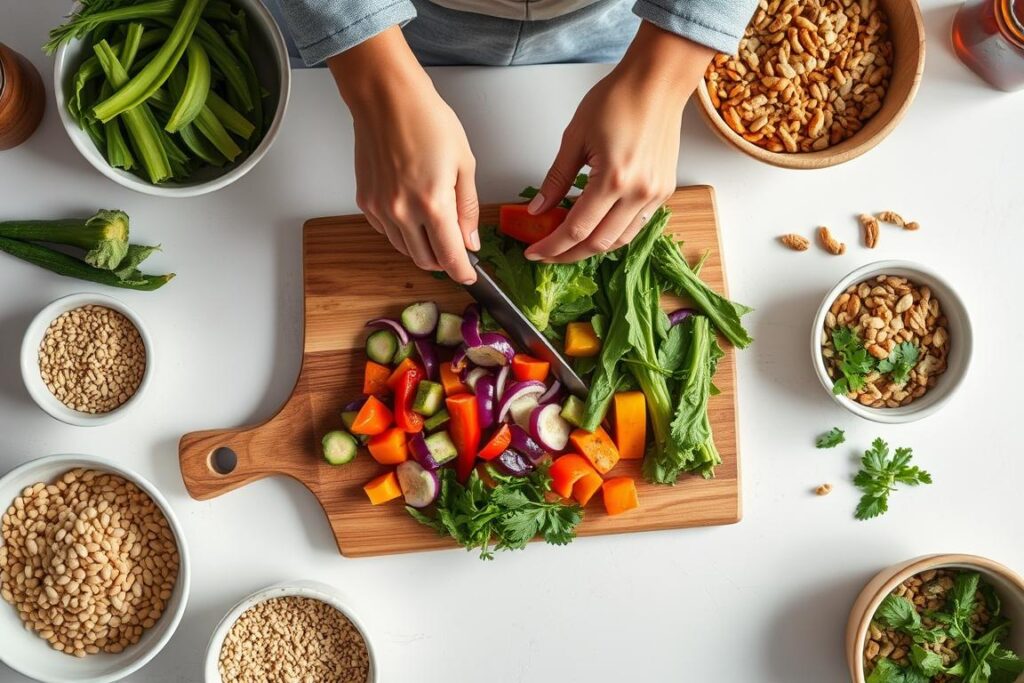
Making the shift to nutrition over medication doesn’t happen overnight. A gradual, sustainable approach yields the best results. Here’s a practical roadmap to help you transition successfully:
Start With a Nutrient-Dense Foundation
Begin by incorporating these powerhouse foods into your daily meals:
- Leafy greens (spinach, kale, arugula) – Rich in vitamins, minerals, and antioxidants that support cellular health
- Berries (blueberries, strawberries) – Packed with anti-inflammatory compounds that protect against oxidative stress
- Fatty fish (salmon, sardines) – Provide omega-3 fatty acids that reduce inflammation and support brain health
- Nuts and seeds (walnuts, flaxseeds) – Offer healthy fats, protein, and fiber that stabilize blood sugar
- Cruciferous vegetables (broccoli, cauliflower) – Contain compounds that support detoxification and may prevent cancer
These anti-inflammatory foods form the cornerstone of a healing diet:
- Turmeric – Contains curcumin, which reduces inflammation comparable to some medications
- Ginger – Provides natural pain relief and digestive support
- Olive oil – Rich in polyphenols that protect heart health
- Fermented foods (yogurt, sauerkraut) – Support gut health and immune function
- Garlic and onions contain sulfur compounds that boost immune function and reduce inflammation
Sample Healing Meal Plan
| Meal | Option 1 | Option 2 | Therapeutic Benefits |
| Breakfast | Berry smoothie with spinach, flaxseeds, and plant protein | Vegetable omelet with turmeric and avocado | Blood sugar regulation, reduced inflammation |
| Lunch | Mediterranean salad with olive oil, chickpeas, and walnuts | Lentil soup with leafy greens and turmeric | Heart health, sustained energy, gut support |
| Dinner | Baked salmon with roasted broccoli and quinoa | Stir-fry with colorful vegetables, ginger, and tofu | Anti-inflammatory, muscle recovery, brain health |
| Snack | Apple slices with almond butter | Greek yogurt with berries and cinnamon | Blood sugar stability, satiety, gut health |
Gradual Implementation Strategy
- Week 1-2: Addition before subtraction – Focus on adding nutrient-dense foods before removing less healthy options. This creates a positive approach rather than feeling deprived.
- Week 3-4: Crowd out processed foods – As you increase whole foods, naturally reduce ultra-processed items that promote inflammation.
- Week 5-6: Experiment with meal timing – Consider intermittent fasting or meal spacing to optimize metabolic health and cellular repair.
- Week 7-8: Fine-tune for your body – Pay attention to how different foods affect your energy, sleep, and symptoms to personalize your approach.
Remember that this transition is not about perfection but progress. Small, consistent changes yield significant results over time. As your body begins to heal through nutrition, work with your healthcare provider to monitor your progress and adjust medications as needed.
Overcoming Common Challenges

Adopting a nutrition-first approach comes with obstacles, but each has practical solutions:
Time Constraints
Many believe healthy cooking is time-consuming, but it doesn’t have to be.
- Batch cook staples like grains and beans on weekends
- Use time-saving tools like slow cookers and pressure cookers
- Prepare “assembly meals” with pre-chopped vegetables
- Keep frozen fruits and vegetables on hand for quick additions
Budget Concerns
Healthy eating can be affordable with strategic approaches.
- Focus on seasonal produce for better prices
- Buy staples like beans, grains, and nuts in bulk
- Choose frozen fruits and vegetables when fresh is expensive
- Compare the cost to medications and doctor visits
Family Resistance
Getting everyone on board can be challenging but is achievable.
- Make gradual changes rather than complete overhauls
- Involve family members in meal planning and preparation
- Focus on familiar foods prepared in healthier ways
- Educate about benefits in age-appropriate ways
Navigating Social Situations
Social events often center around food that may not align with your healing diet. Develop strategies like eating a small meal before events, offering to bring a dish to share, or focusing on connection rather than food. Remember that occasional deviations won’t derail your progress—consistency matters more than perfection.
Working With Healthcare Providers

Some physicians may be skeptical about nutrition over medication approaches. Come prepared to appointments with research, track your progress with objective measures like blood work, and consider finding a doctor who specializes in functional or integrative medicine. Remember that you’re looking for a collaborative relationship, not replacing medical supervision.
Many healthcare providers are becoming more open to nutritional approaches as evidence mounts. A respectful, informed conversation can often lead to a supportive partnership in your health journey.
Real-Life Transformations: Nutrition Over Medication Success Stories

Sarah’s Journey: Reversing Type 2 Diabetes
At 42, Sarah was taking three medications for type 2 diabetes with worsening symptoms. Her doctor suggested increasing dosages when she decided to try a nutrition-first approach.
She adopted a low-carbohydrate Mediterranean diet, eliminating processed foods and sugar while focusing on vegetables, healthy fats, and moderate protein. Within three months, her HbA1c dropped from 8.2% to 6.1%. After six months, she worked with her doctor to reduce medications, and at one year, she maintained normal blood sugar with no medication.
“Food became my pharmacy,” Sarah says. “I spent more time in the kitchen and less time at the pharmacy. My energy is better than it’s been in decades.”
Michael’s Story: Conquering Hypertension
Michael, 58, had taken blood pressure medication for 15 years with increasing dosages and side effects like persistent cough and dizziness. Frustrated, he researched nutritional approaches to hypertension.
He implemented the DASH diet, dramatically reduced sodium, increased potassium-rich foods, and practiced intermittent fasting. He also incorporated daily walking. Within four months, his blood pressure normalized from 158/94 to 124/78. His doctor gradually reduced his medication until he no longer needed it.
“The side effects of my new diet are all positive—better sleep, more energy, and 18 pounds of weight loss. I wish I’d tried this approach years ago.”
Elena’s Recovery: Managing Autoimmune Disease
Elena struggled with rheumatoid arthritis for eight years, cycling through various medications with diminishing returns and troubling side effects. Her turning point came after researching nutritional approaches to autoimmune conditions.
She eliminated inflammatory foods through an elimination diet, then followed the Autoimmune Protocol. She focused on nutrient-dense foods, bone broth, and fermented foods to heal her gut. Within six months, her inflammatory markers normalized, and her pain decreased by 80%.
“I still take one medication but at a much lower dose. My quality of life has transformed completely. Food was the missing piece in my treatment plan.”

These stories highlight a common theme: nutrition over medication doesn’t mean rejecting medical care. Instead, it means working with healthcare providers to use food as a primary intervention, potentially reducing or eliminating the need for certain medications. The approach is collaborative, evidence-based, and focused on root causes rather than symptoms.
Transform Your Health With Nutrition
Join thousands who have improved their health through food. Our comprehensive guide includes meal plans, shopping lists, and tracking tools to help you implement a healing diet.
Frequently Asked Questions About Nutrition Over Medication

Can nutrition replace all medications?
Nutrition cannot replace all medications in every situation. While dietary changes can significantly reduce or eliminate the need for certain medications, particularly those treating lifestyle-related conditions like type 2 diabetes, hypertension, and high cholesterol, other medications remain essential.
Conditions like type 1 diabetes, certain autoimmune diseases, and severe mental health disorders often require medication as a primary treatment. However, even in these cases, nutrition can play a supportive role, potentially allowing for lower dosages or better management of symptoms.
Always work with healthcare providers when considering changes to medication regimens. The goal is to find the optimal balance between nutrition and medication for your specific situation.
How long does it take to see results from dietary changes?
The timeline for seeing results varies based on the condition, the individual, and the consistency of dietary changes. Some effects occur quickly, while others take longer:
- Short-term (days to weeks): Improved energy, better digestion, reduced bloating, improved sleep quality
- Medium-term (weeks to months): Reduced inflammation, improved blood pressure, better blood sugar control, weight normalization
- Long-term (months to years): Reversal of chronic conditions, significant reduction in medication needs, tissue repair, hormonal rebalancing
Patience and consistency are key. Some people notice changes within days, while others might take months to see significant improvements in clinical markers. The sustainable nature of these changes makes the wait worthwhile.
What if I can’t afford organic or specialty foods?
The healing power of food doesn’t require expensive organic or specialty products. Focus on these principles:
- Prioritize whole foods over processed foods, regardless of whether they’re organic
- Use the Environmental Working Group’s “Clean Fifteen” and “Dirty Dozen” lists to decide where to spend on organic produce
- Frozen fruits and vegetables are nutritionally comparable to fresh and often more affordable
- Local, seasonal produce is often less expensive and more nutritious
- Beans, lentils, and whole grains provide excellent nutrition at a low cost
Remember that any step toward whole, unprocessed foods benefits your health, even if you can’t implement a “perfect” diet. The most expensive diet is one that leads to chronic disease and medication dependence.
How do I maintain motivation for dietary changes?
Sustaining motivation for nutrition over medication requires strategies:
- Track objective measures like blood work, blood pressure, or symptoms to see progress
- Find a community—online or in-person—for support and accountability
- Focus on how you feel rather than just clinical markers
- Develop a repertoire of delicious, satisfying recipes that support your health
- Celebrate non-scale victories like improved energy, better sleep, or reduced pain
- Remember your “why”—connect daily choices to your larger health goals
Many find that once they experience the benefits of nutrition over medication, motivation becomes less necessary as the new way of eating becomes their preference.
Should I tell my doctor about my dietary approach?
Absolutely. Open communication with healthcare providers is essential when implementing nutrition over medication strategies. Your doctor needs to:
- Monitor your progress through regular check-ups and lab work
- Adjust medications as your body responds to dietary changes
- Ensure your approach is safe for your specific health conditions
- Help you interpret changes in symptoms or lab values
If your current provider isn’t supportive of nutritional approaches, consider finding a doctor who practices functional or integrative medicine. These practitioners often have more training in nutrition and can better support your journey.
Embracing Nutrition as Your Primary Medicine

The journey toward using nutrition over medication represents a fundamental shift in how we approach health—moving from a reactive, symptom-management model to a proactive, root-cause approach. This isn’t about rejecting modern medicine but rather embracing food’s powerful role in creating and maintaining health.
As you begin this journey, remember that small, consistent changes yield remarkable results over time. Your body has an incredible capacity to heal when given the right nutritional environment. Whether you’re looking to prevent disease, reduce medication dependence, or optimize your well-being, the food on your plate may be the most powerful prescription available.
Work collaboratively with healthcare providers, be patient with the process, and celebrate each improvement along the way. The path of nutrition over medication isn’t always the easiest, but countless success stories confirm it’s often the most rewarding and sustainable approach to long-term health.
“The food you eat can be either the safest and most powerful form of medicine or the slowest form of poison.” – Ann Wigmore
Discover more from Cozy Corner
Subscribe to get the latest posts sent to your email.