Ever found yourself struggling to focus, experiencing mental fog, or simply wanting to optimize your brain power? The foods you eat play a crucial role in how your brain functions. Just as premium fuel helps an engine perform better, the right nutrients can enhance your cognitive abilities, improve memory, and even protect against age-related mental decline. In this guide, we’ll explore the fascinating connection between diet and brain health, revealing how specific foods can help you think more clearly and maintain mental sharpness throughout life.
The Brain-Nutrition Connection: Why Food Matters
Your brain is an energy-intensive organ, consuming approximately 20% of your body’s calories despite making up only about 2% of your body weight. This powerhouse requires constant fuel to maintain concentration, memory, and overall cognitive function.
Beyond basic energy needs, your brain requires specific nutrients to build and repair brain cells, reduce inflammation, and protect against oxidative stress. The right diet can enhance neurotransmitter function, support healthy blood flow to the brain, and even influence your mood and stress levels.
Research increasingly shows that what we eat directly impacts our cognitive abilities both short-term (like concentration and memory) and long-term (protection against cognitive decline). Let’s explore the key nutrients that power your brain and the foods that deliver them most effectively.
Top 8 Brain-Boosting Nutrients
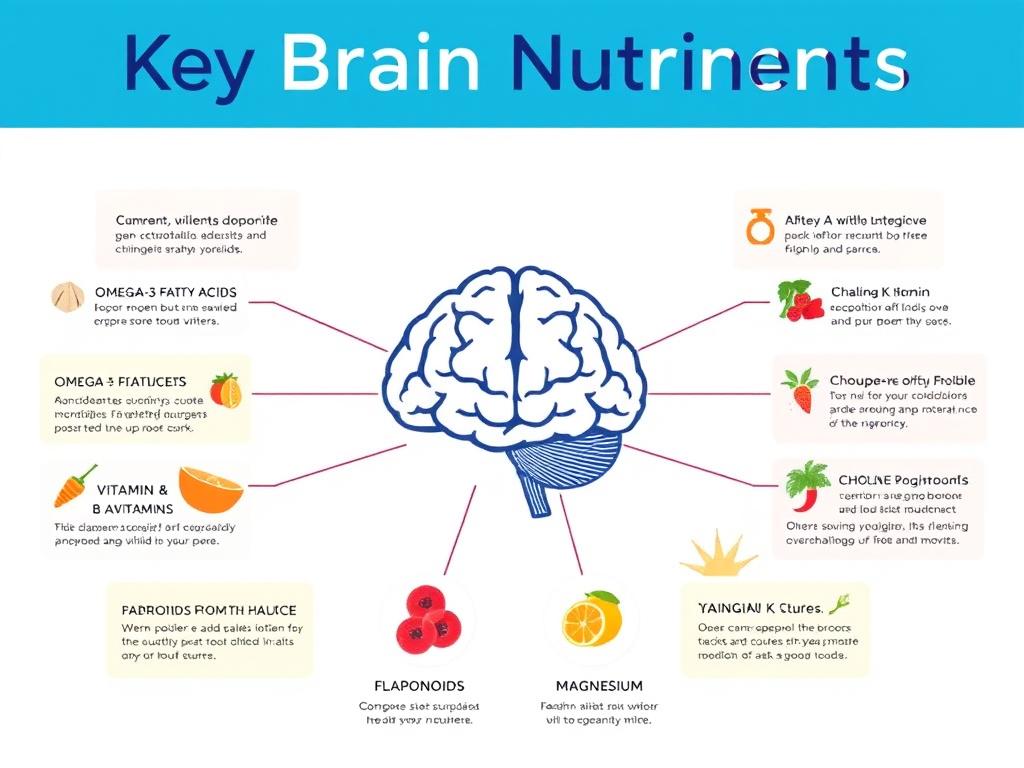
These essential nutrients form the foundation of brain health, supporting everything from basic cell structure to complex cognitive functions:
- Omega-3 Fatty Acids: These essential fats are major building blocks of brain cells, supporting the structure and function of neurons. They’re crucial for learning, memory, and fighting against mental decline. Studies show omega-3s may help manage depression and anxiety while protecting against age-related cognitive issues.
- Antioxidants: These protective compounds fight oxidative stress and inflammation in the brain. They neutralize harmful free radicals that can damage brain cells and contribute to aging and neurodegenerative diseases.
- Vitamin E: This powerful antioxidant protects cell membranes from oxidative damage. Research suggests adequate vitamin E intake may help prevent cognitive decline, particularly in older adults.
- B Vitamins: This family of vitamins (especially B6, B12, and folate) helps regulate homocysteine levels, which, when elevated are linked to cognitive impairment and stroke risk. They’re also essential for neurotransmitter synthesis and energy production in brain cells.
- Flavonoids: These plant compounds have powerful antioxidant and anti-inflammatory effects. They can improve blood flow to the brain, enhance connections between neurons, and may help delay age-related memory decline.
- Vitamin K: Critical for forming sphingolipids (a type of fat densely packed into brain cells) and cognitive function. Higher vitamin K intake has been associated with better memory in older adults.
- Choline: This essential nutrient is needed to produce acetylcholine, a neurotransmitter vital for memory and brain function. It’s particularly important during pregnancy for fetal brain development.
- Magnesium: Essential for learning and memory, magnesium regulates neurotransmitters involved in brain function. Low levels have been linked to neurological diseases including migraine, depression, and epilepsy.
7 Science-Backed Brain Foods
Based on scientific research, these foods deliver powerful brain-boosting benefits through their unique nutrient profiles:
1. Fatty Fish

Salmon, trout, sardines, and other fatty fish are among the most potent brain foods available. They’re rich in omega-3 fatty acids, particularly DHA, which makes up about 60% of your brain’s fat content. Research shows that people who regularly consume these fish have more gray matter—the brain tissue responsible for decision-making, memory, and emotion. Studies also link omega-3 consumption to reduced rates of cognitive decline and improved mood. Aim for at least two servings of fatty fish weekly to support optimal brain function.
2. Blueberries
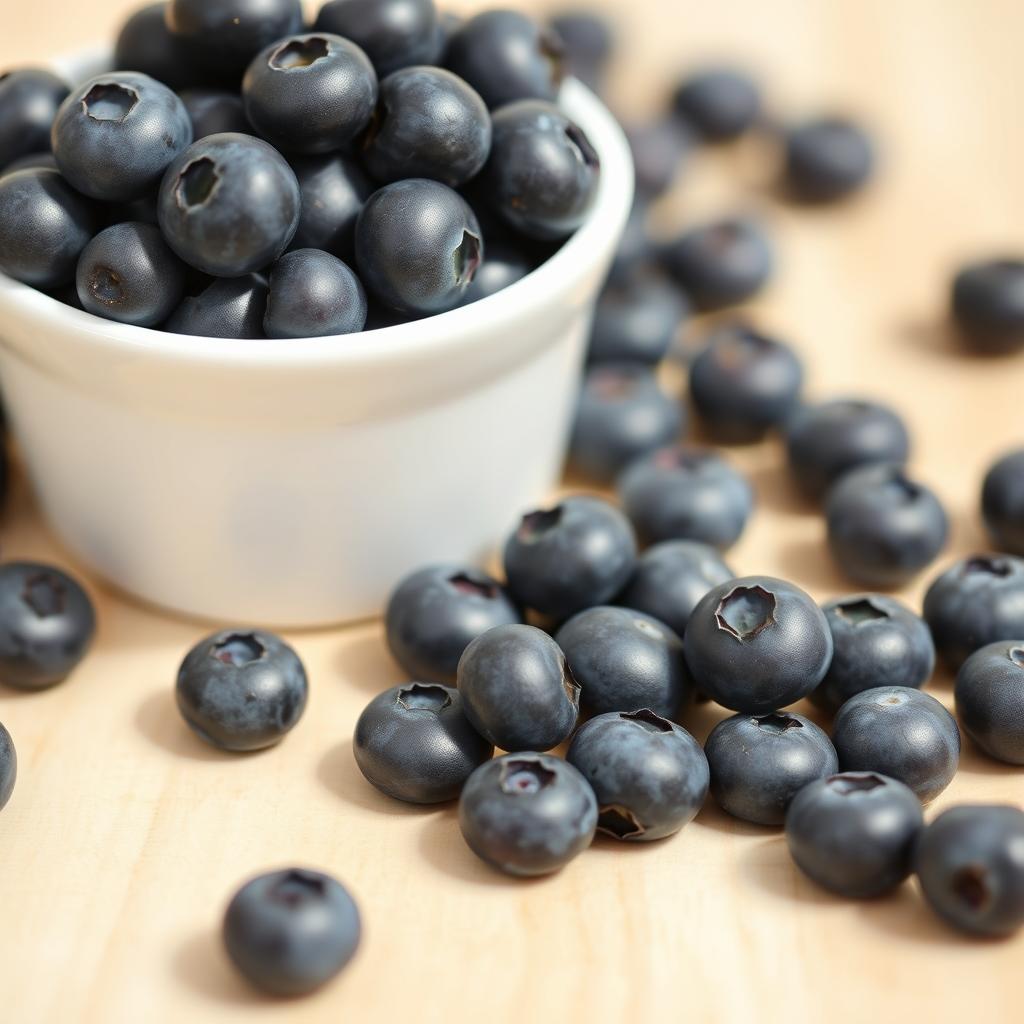
These small but mighty berries pack a serious cognitive punch. Blueberries contain anthocyanins, a group of plant compounds with anti-inflammatory and antioxidant effects. Research from Tufts University found that blueberry consumption may improve or delay short-term memory loss. These antioxidants accumulate in the brain and help improve communication between brain cells. They’ve been shown to enhance signaling in brain centers associated with memory while reducing inflammation and oxidative stress. Other dark berries like blackberries and blackcurrants offer similar benefits.
3. Nuts and Seeds
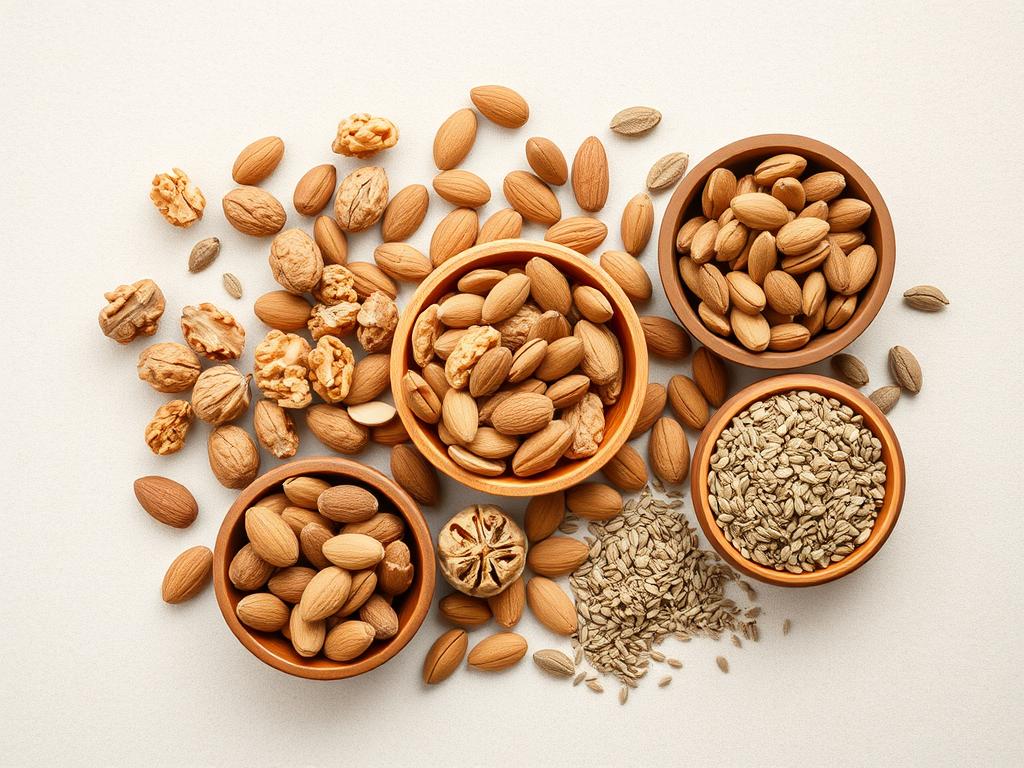
Walnuts, in particular, resemble tiny brains for good reason—they’re exceptional brain food. Rich in alpha-linolenic acid (an omega-3 fatty acid), antioxidants, and vitamin E, walnuts may help improve memory and cognitive processing. One study found that higher overall nut intake was linked to better brain function in older age. Pumpkin seeds deliver powerful brain benefits through their rich content of magnesium, zinc, copper, and iron—all essential for nerve signaling and brain health. Sunflower seeds and flaxseeds are other excellent options that provide vitamin E and omega-3s respectively.
4. Dark Chocolate

Good news for chocolate lovers: dark chocolate with at least 70% cocoa content is packed with brain-boosting compounds. It contains flavonoids, caffeine, and antioxidants that work together to enhance cognitive function. Research shows these compounds can increase cerebral blood flow, improve mood, and even provide neuroprotective benefits. One study found that consuming dark chocolate with high cacao content improved brain plasticity, crucial for learning and memory. The flavanols in chocolate may also help reduce age-related cognitive decline. Remember, the darker the chocolate, the more beneficial compounds it contains.
5. Leafy Greens
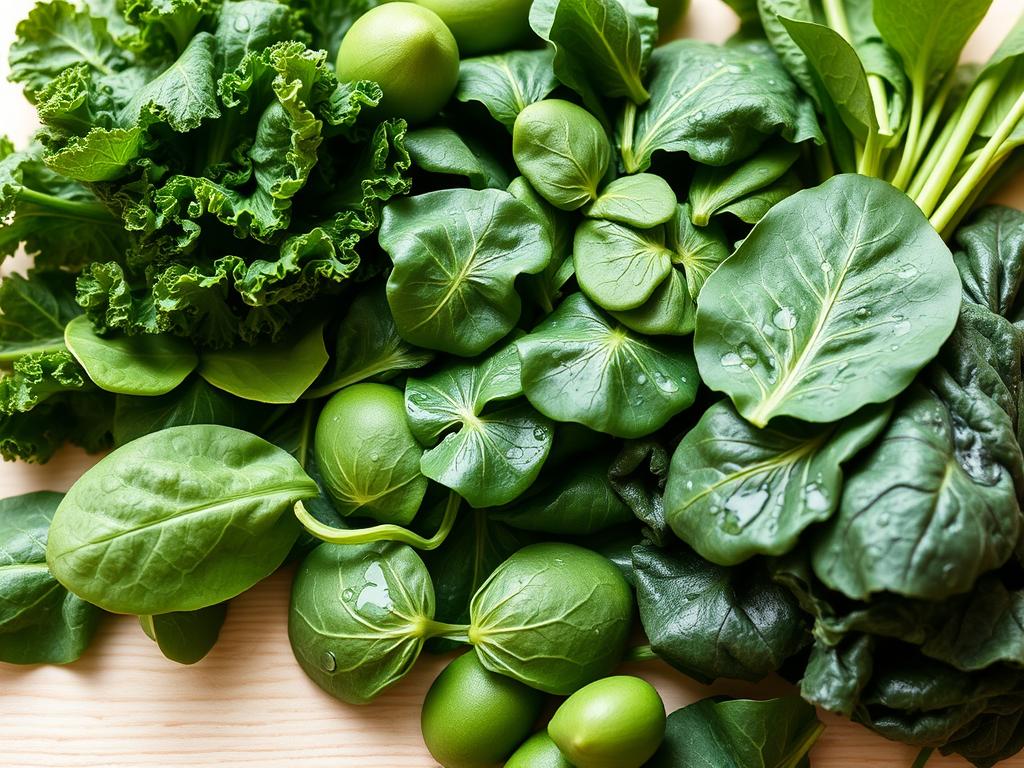
Kale, spinach, collards, and other leafy greens are nutritional powerhouses for your brain. Rich in brain-healthy nutrients like vitamin K, lutein, folate, and beta-carotene, these vegetables have been linked to slower cognitive decline. A landmark study found that people who ate one to two servings of leafy greens daily had the cognitive abilities of someone 11 years younger compared to those who rarely ate them. The nutrients in these vegetables help reduce oxidative stress, inflammation, and the accumulation of harmful proteins associated with Alzheimer’s disease.
6. Eggs

Eggs are among the best sources of choline, a nutrient that your body uses to create acetylcholine, a neurotransmitter that regulates mood and memory. The yolks also contain lutein and zeaxanthin, two antioxidants that may protect against cognitive decline. Additionally, eggs provide high-quality protein and B vitamins (especially B12), which help reduce levels of homocysteine, an amino acid linked to dementia and Alzheimer’s disease. One egg provides about 147 mg of choline, helping you toward the recommended daily intake of 425-550 mg.
7. Turmeric

This vibrant yellow spice contains curcumin, a compound that can cross the blood-brain barrier and deliver powerful anti-inflammatory and antioxidant benefits directly to the brain. Research suggests curcumin may help clear the amyloid plaques associated with Alzheimer’s disease and boost levels of brain-derived neurotrophic factor (BDNF), a growth hormone that helps brain cells thrive. Studies have also shown that curcumin may improve memory in people with mild memory complaints and help alleviate symptoms of depression by boosting serotonin and dopamine. While cooking with turmeric provides some benefits, supplements may deliver higher concentrations of curcumin.
1-Day Brain-Boosting Meal Plan
Put these brain foods into action with this simple yet powerful meal plan designed to nourish your brain throughout the day:

Breakfast: Omega-3 Power Bowl
Greek yogurt topped with blueberries, walnuts, ground flaxseed, and a drizzle of honey. Serve with a boiled egg on the side and green tea.
Brain benefits: This breakfast delivers choline from eggs, antioxidants from blueberries, omega-3s from walnuts and flaxseed, and L-theanine from green tea for focused alertness.
Lunch: Mediterranean Brain Bowl
Grilled salmon on a bed of spinach and arugula with cherry tomatoes, avocado slices, quinoa, and olive oil-lemon dressing.
Brain benefits: Combines omega-3-rich salmon, vitamin K from leafy greens, and healthy fats from avocado and olive oil to support brain cell structure and reduce inflammation.
Afternoon Snack: Smart Energy Mix
A small handful of mixed nuts (walnuts, almonds) with a few squares of 70%+ dark chocolate and a clementine orange.
Brain benefits: Provides vitamin E from nuts, flavanols from dark chocolate, and vitamin C from the oranges to combat afternoon brain fog and oxidative stress.
Dinner: Turmeric-Spiced Brain Boost
Turmeric-spiced chicken or tofu stir-fried with broccoli, bell peppers, and brown rice. Add a sprinkle of pumpkin seeds before serving.
Brain benefits: Delivers curcumin from turmeric, glucosinolates from broccoli, and magnesium and zinc from pumpkin seeds to support memory and cognitive function.
“Let food be thy medicine and medicine be thy food.” This ancient wisdom from Hippocrates perfectly captures the power of brain-nourishing foods to transform your cognitive health and mental performance.
5 Lifestyle Habits That Complement Brain-Boosting Foods
While nutrition forms the foundation of brain health, these complementary lifestyle factors can maximize cognitive benefits:

1. Stay Properly Hydrated
Even mild dehydration can impair cognitive function, affecting concentration, alertness, and short-term memory. Your brain is approximately 75% water, and proper hydration is essential for delivering nutrients to brain cells and removing waste products. Aim for 8-10 cups of fluids daily, with water as your primary source. Herbal teas and water-rich foods like cucumbers and oranges can contribute to your daily intake.
2. Prioritize Quality Sleep
Sleep is when your brain consolidates memories, clears waste products, and repairs itself. Chronic sleep deprivation is linked to reduced cognitive function and increased risk of neurodegenerative diseases. Most adults need 7-9 hours of quality sleep nightly. Establish a regular sleep schedule, create a restful environment, and limit screen time before bed to improve sleep quality and brain health.
3. Engage in Regular Physical Exercise
Exercise increases heart rate and blood flow to the brain, delivering more oxygen and nutrients to brain cells. It also stimulates the production of growth factors that support new neural connections. Studies show that regular aerobic exercise can increase the volume of brain regions associated with memory and thinking. Aim for at least 150 minutes of moderate activity weekly, combining cardio, strength training, and flexibility exercises.
4. Practice Stress Management
Chronic stress can damage the hippocampus (the brain’s memory center) and impair cognitive function. Effective stress management techniques include meditation, deep breathing exercises, yoga, and spending time in nature. Just 10-15 minutes of daily mindfulness practice can reduce stress hormones and improve brain function. Find what works for you and make it a regular part of your routine.
5. Challenge Your Brain Regularly
Mental stimulation creates new neural pathways and strengthens existing ones, building your “cognitive reserve.” Activities like reading, puzzles, learning new skills, playing musical instruments, and social interaction all provide beneficial mental challenges. The key is variety—different activities exercise different parts of your brain. Incorporate brain-stimulating activities into your daily life to maintain cognitive flexibility and resilience.
Brain Health Tip: The combination of a brain-healthy diet, regular exercise, quality sleep, stress management, and mental stimulation creates a powerful synergy that protects and enhances cognitive function far more effectively than any single approach alone.
Frequently Asked Questions About Brain Food
How quickly can dietary changes improve brain function?
Some cognitive benefits can appear relatively quickly. Studies show improvements in concentration and mental energy within days of increasing omega-3 intake or reducing processed foods. However, structural changes to the brain and protection against cognitive decline develop over months and years of consistent healthy eating. The good news is that it’s never too late to start—the brain remains adaptable throughout life.
Are supplements as effective as whole foods for brain health?
While supplements can help address specific deficiencies, research consistently shows that whole foods provide superior benefits. Foods contain complex combinations of nutrients that work synergistically in ways that isolated supplements cannot replicate. Additionally, many brain-beneficial compounds in foods haven’t yet been identified or synthesized. Focus on a varied, nutrient-rich diet first, and consider targeted supplements only if recommended by a healthcare provider.
What foods should I avoid for better brain health?
Research suggests limiting these “brain drainers”: highly processed foods, sugary beverages, refined carbohydrates, and trans fats. These foods promote inflammation and oxidative stress while providing little nutritional value. Excessive alcohol consumption can also damage brain tissue over time. Instead, focus on whole, unprocessed foods that support cognitive function and overall health.
Is intermittent fasting beneficial for brain health?
Emerging research suggests intermittent fasting may offer cognitive benefits by reducing inflammation, improving insulin sensitivity, and promoting the production of brain-derived neurotrophic factor (BDNF). However, results vary by individual, and this eating pattern isn’t appropriate for everyone. Consult with a healthcare provider before making significant changes to your eating schedule, especially if you have existing health conditions.
Nourish Your Brain, Enhance Your Life
The foods you choose each day don’t just affect your waistline—they literally shape your brain’s structure and function. By incorporating more brain-boosting foods into your diet and adopting complementary lifestyle habits, you can enhance your cognitive abilities now while building resilience against age-related decline in the future.
Remember that consistency matters more than perfection. Small, sustainable changes to your diet and lifestyle can yield significant benefits for your brain health over time. Start by adding one or two brain foods to your regular rotation, then gradually expand your repertoire as these changes become habits.
Your brain is your most valuable asset. By nourishing it properly, you’re investing in sharper thinking, better memory, more stable mood, and greater overall quality of life—benefits that extend far beyond the dinner table.

Ready to Boost Your Brain Power?
Download our free “7-Day Brain-Boosting Meal Plan” with shopping lists, recipes, and nutrition tips to help you incorporate these powerful foods into your daily routine. Start your journey to better cognitive health today!
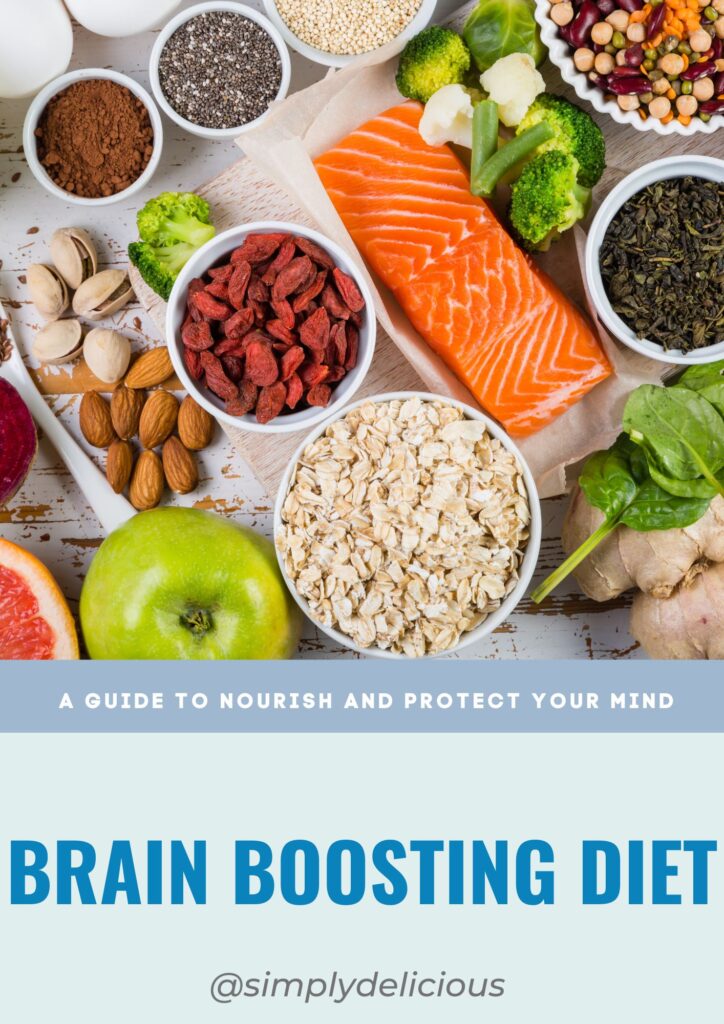
Brain-Boosting Diet
Discover the best brain-boosting foods that enhance memory, concentration, and cognitive function. From omega-3-rich salmon to antioxidant-packed berries, this guide shares simple ways to nourish your mind daily.
Discover more from Cozy Corner
Subscribe to get the latest posts sent to your email.