We earn a commission if you make a purchase, at no additional cost to you.
In today’s fast-paced world, finding effective ways to relax body and soul isn’t just a luxury—it’s essential for maintaining balance and wellbeing. When stress accumulates, it affects both our physical health and mental clarity, creating a cycle that’s difficult to break without intentional relaxation practices.
The good news is that you don’t need expensive spa treatments or exotic retreats to find relief. This guide explores eight proven techniques to help you unwind completely, along with specific tools that enhance each practice. Whether you have five minutes or an hour, these methods will help you create moments of peace in your busy life.

1. Deep Breathing Exercises
Technique: Diaphragmatic Breathing
Deep breathing is one of the simplest yet most powerful ways to relax your body and calm your mind. When practiced correctly, diaphragmatic breathing activates your parasympathetic nervous system—the body’s natural relaxation response. This technique reduces cortisol levels (the stress hormone) and helps clear your mind of racing thoughts.
Unlike shallow chest breathing that many of us default to when stressed, deep breathing engages your diaphragm fully, allowing for maximum oxygen intake and carbon dioxide release. This simple shift in breathing pattern sends immediate signals to your brain that it’s safe to relax.
Tools to Enhance Your Practice
Recommended Breathing Tools
- Breathing apps with timers and guided sessions
- Breath pacer devices that use light patterns to guide your inhale/exhale rhythm
- Essential oil diffusers with calming scents like lavender or eucalyptus
We earn a commission if you make a purchase, at no additional cost to you.


Actionable Steps
- Find a comfortable seated position or lie down
- Place one hand on your chest and the other on your stomach
- Inhale slowly through your nose for 4 counts, feeling your stomach expand
- Hold briefly at the top of your breath
- Exhale slowly through your mouth for 6 counts, feeling your stomach contract
- Repeat for 5-10 minutes, focusing only on your breath

2. Progressive Muscle Relaxation
Technique: Tension and Release
Progressive muscle relaxation is a powerful method to relax your body by systematically tensing and then releasing different muscle groups. This technique helps you become more aware of physical tension and gives you the tools to release it effectively. Many people carry stress in their muscles without realizing it, and this practice helps identify and release that hidden tension.
This method is particularly effective before sleep or after long periods of sitting, as it helps your body physically let go of accumulated stress. The contrast between tension and relaxation makes it easier to recognize what a truly relaxed state feels like.
Tools to Enhance Your Practice
Recommended Relaxation Tools
- Weighted blankets (10-15% of body weight) to enhance the relaxation response
- Body scan meditation recordings to guide your practice
- Foam rollers or massage balls to target persistent tension points
We earn a commission if you make a purchase, at no additional cost to you.


Actionable Steps
- Lie down in a comfortable position without distractions
- Begin with your feet, tightening all the muscles for 5-7 seconds
- Release completely and notice the difference for 20-30 seconds
- Move upward to your calves, then thighs, continuing through each muscle group
- End with facial muscles, tensing and releasing your jaw, forehead, and eyes
- After completing all muscle groups, take a moment to scan your body and notice the overall sensation of relaxation

3. Mindful Meditation
Technique: Present Moment Awareness
Mindful meditation helps relax your mind by training your attention to focus on the present moment without judgment. This practice creates space between you and your thoughts, allowing you to observe them rather than being caught up in them. Regular meditation has been shown to reduce anxiety, improve focus, and promote emotional balance.
Unlike trying to empty your mind (which is nearly impossible), mindfulness acknowledges thoughts as they arise and gently returns focus to an anchor like your breath. This technique helps break the cycle of rumination that often contributes to stress and anxiety.
Tools to Enhance Your Practice
Recommended Meditation Tools
- Meditation apps with guided sessions for beginners to advanced practitioners
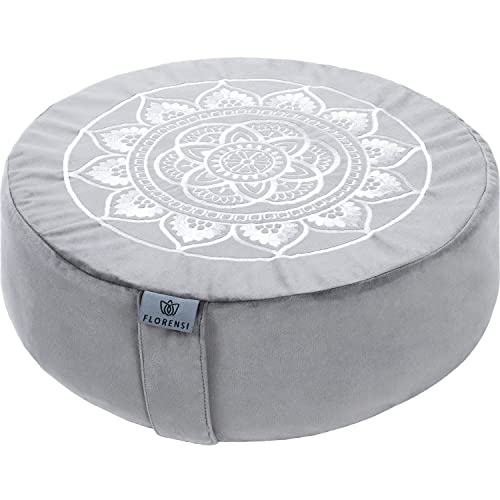
- Comfortable meditation cushions or benches to support proper posture
- Meditation timers with gentle sounds to mark the beginning and end of practice
We earn a commission if you make a purchase, at no additional cost to you.


Actionable Steps
- Find a quiet space where you won’t be disturbed
- Sit in a comfortable position with your back straight but not rigid
- Close your eyes or maintain a soft gaze a few feet in front of you
- Focus your attention on your breath—the sensation of air moving in and out
- When your mind wanders (which it will), gently bring your attention back to your breath
- Start with 5 minutes and gradually increase your practice time

4. Nature Immersion
Technique: Forest Bathing
Spending time in nature is one of the most effective ways to relax body and soul simultaneously. The Japanese practice of “shinrin-yoku” or forest bathing involves mindfully engaging with natural surroundings using all your senses. Research shows that just 20 minutes in nature significantly lowers stress hormones and blood pressure.
Nature immersion works because it removes you from the artificial environments and digital stimulation that often contribute to stress. The natural world operates at a different rhythm that helps reset your nervous system to a more balanced state.
Tools to Enhance Your Practice
Recommended Nature Connection Tools
- Comfortable, weather-appropriate outdoor clothing
- Field guides to local plants and wildlife to deepen your connection
- Portable hammocks for relaxing in natural settings

Actionable Steps
- Find a natural area—a park, forest, beach, or even a garden
- Leave your phone behind or switch to airplane mode
- Move slowly, without a specific destination in mind
- Engage all your senses—notice colors, textures, sounds, smells
- Pause frequently to simply observe and be present
- Aim for at least 20 minutes, but longer periods provide greater benefits

5. Sound Therapy
Technique: Sound Bathing
Sound therapy uses specific frequencies and vibrations to induce relaxation and promote healing. Different sounds affect brainwave patterns, helping shift your mind from an alert beta state to more relaxed alpha and theta states. This technique is particularly effective for people who find traditional meditation challenging.
The vibrations from certain instruments like singing bowls or gongs can be felt throughout the body, creating a massage-like effect that helps release physical tension while calming the mind. This multi-sensory experience makes sound therapy uniquely effective for relaxing your whole self.
Tools to Enhance Your Practice
Recommended Sound Therapy Tools
- Tibetan singing bowls (traditional or crystal)
- Binaural beats recordings designed for relaxation
- White noise machines with nature sounds
We earn a commission if you make a purchase, at no additional cost to you.


Actionable Steps
- Create a comfortable space free from distractions
- Choose sound therapy recordings or instruments that resonate with you
- Lie down or sit comfortably with your eyes closed
- Focus your attention on the sounds and vibrations
- Allow the sounds to wash over you without analysis or judgment
- Practice for 15-30 minutes, ending with a few minutes of silence

6. Aromatherapy
Technique: Essential Oil Therapy
Aromatherapy harnesses the power of plant essences to promote relaxation and emotional balance. When you inhale essential oil molecules, they interact directly with your limbic system—the brain’s emotional center. This creates an immediate pathway to influence mood and stress levels.
Different essential oils have specific properties that can help relax the body and soul in various ways. Lavender promotes sleep and calm, while bergamot reduces anxiety, and citrus oils can elevate mood. This versatility makes aromatherapy adaptable to your specific relaxation needs.
Tools to Enhance Your Practice
Recommended Aromatherapy Tools
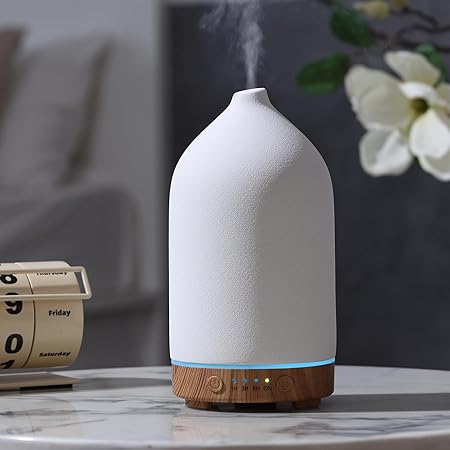
- Ultrasonic essential oil diffusers for whole-room aromatherapy
- High-quality essential oils (lavender, chamomile, bergamot, sandalwood)
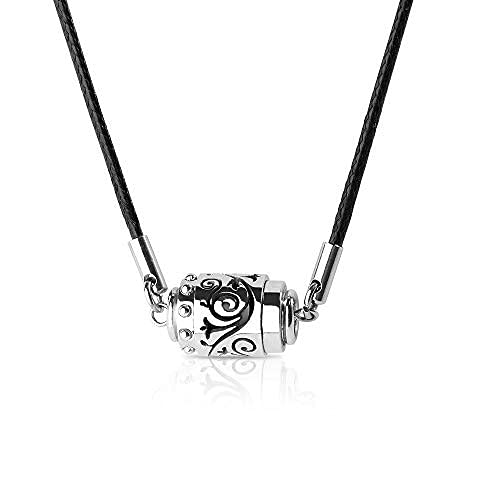
- Aromatherapy jewelry for on-the-go relaxation
We earn a commission if you make a purchase, at no additional cost to you.

Actionable Steps
- Choose essential oils known for relaxation (lavender, chamomile, ylang-ylang)
- Use a diffuser in your home or office for ambient aromatherapy
- For immediate stress relief, place 1-2 drops on a tissue and inhale deeply
- Create a pre-sleep ritual with calming scents to signal your body it’s time to rest
- Combine with deep breathing exercises for enhanced benefits
- Always use high-quality, pure essential oils and follow safety guidelines

7. Gentle Movement Practices
Technique: Restorative Yoga
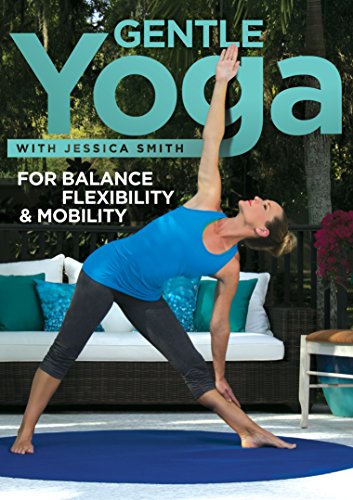
Gentle movement practices like restorative yoga help relax your body through supported poses that require minimal effort. Unlike more vigorous exercise, these practices activate the parasympathetic nervous system, promoting deep relaxation while still engaging the body.
Restorative yoga uses props to fully support your body, allowing you to hold poses for extended periods without strain. This creates the perfect conditions for releasing physical tension while quieting the mind. The slow, intentional nature of these movements creates a moving meditation that benefits both body and soul.
Tools to Enhance Your Practice
Recommended Movement Tools
- Yoga bolsters and blocks for supported poses
- Comfortable, non-restrictive clothing
- Guided restorative yoga videos for beginners
We earn a commission if you make a purchase, at no additional cost to you.


Actionable Steps
- Create a comfortable space with minimal distractions
- Gather props like pillows, blankets, or yoga blocks
- Begin with simple supported poses like legs-up-the-wall or supported child’s pose
- Hold each pose for 3-5 minutes, focusing on deep, slow breathing
- Move slowly and mindfully between poses
- End with a 5-10 minute relaxation pose (savasana)

8. Creative Expression
Technique: Intuitive Art
Creative expression offers a powerful way to relax your mind and soul by engaging in activities without judgment or expectation. When you create intuitively—whether through art, writing, or music—you enter a flow state where time seems to slow and worries fade away.
Unlike goal-oriented tasks that dominate much of daily life, creative expression for relaxation focuses on the process rather than the outcome. This shift in perspective allows your analytical mind to rest while engaging your intuitive self. Many people find this creates a meditative state that’s difficult to achieve through formal meditation.
Tools to Enhance Your Practice
Recommended Creative Tools
- Adult coloring books with intricate patterns
- Watercolor sets with quality paper (no experience needed)
- Journals with prompts designed for emotional release
We earn a commission if you make a purchase, at no additional cost to you.


Actionable Steps
- Set aside 20-30 minutes of uninterrupted time
- Choose a creative medium that appeals to you
- Begin without a plan—let your intuition guide your expression
- Focus on the sensations and process rather than creating something “good”
- If self-judgment arises, acknowledge it and gently return to the process
- When finished, take a moment to reflect on how you feel compared to when you started

Finding Your Path to Complete Relaxation
The journey to relax body and soul is highly personal. What works wonderfully for one person might feel uncomfortable for another. The key is experimentation and consistency. Try different techniques from this guide and notice which ones resonate most deeply with you.
For maximum benefit, consider combining multiple approaches. You might start with gentle movement, follow with deep breathing, and end with aromatherapy before sleep. These complementary practices create a synergistic effect that enhances overall relaxation.
Remember that relaxation is a skill that improves with practice. Even a few minutes daily will yield greater benefits than occasional longer sessions. By making relaxation a priority and incorporating these techniques and tools into your routine, you’re investing in your physical health, emotional well-being, and overall quality of life.
Ready to Deepen Your Relaxation Practice?
Explore our curated collection of premium relaxation tools designed to enhance each technique in this guide. From meditation cushions to essential oil sets, find everything you need to create your personal relaxation sanctuary.
