For thousands of years, cultures worldwide have turned to the healing power of plants to address a wide range of health concerns. Today, with growing interest in holistic approaches to wellness, herbal therapies for natural healing continue to gain popularity as complementary options to conventional medicine. Whether you’re looking to boost your immune system, reduce inflammation, or find natural ways to manage stress, the plant kingdom offers remarkable remedies backed by both traditional wisdom and modern research.
Traditional herbal therapies have been used for centuries across different cultures for natural healing
Understanding Herbal Therapies for Natural Healing
Herbal therapies involve using plants or plant extracts to promote health and treat various conditions. Unlike pharmaceutical drugs that typically contain isolated active compounds, herbal remedies often utilize the whole plant or specific parts like leaves, roots, flowers, or bark. This holistic approach is based on the belief that the combined plant compounds work synergistically to provide therapeutic benefits while potentially reducing side effects.
While modern medicine has revolutionized healthcare, many people are rediscovering the value of traditional plant-based remedies. According to the World Health Organization, an estimated 80% of the global population relies on herbal medicines for some aspect of their primary healthcare. Even in developed countries, interest in herbal therapies continues to grow as people seek more natural approaches to wellness.
It’s important to note that herbal therapies should complement, not replace, conventional medical care. Always consult with a healthcare professional before starting any new herbal regimen, especially if you have existing health conditions or take medications.
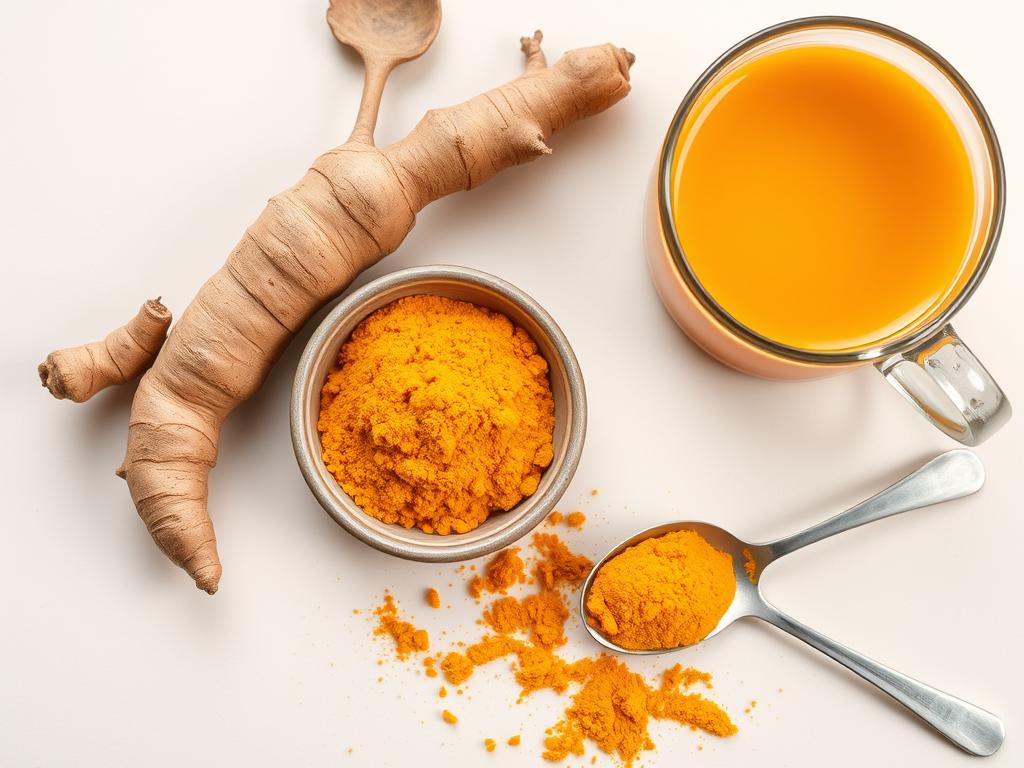
1. Turmeric (Curcuma longa)
Benefits
Turmeric contains curcumin, a powerful anti-inflammatory compound that has been extensively studied for its potential health benefits. Research suggests that turmeric may help reduce inflammation, alleviate joint pain, support digestive health, and potentially offer antioxidant protection against cellular damage.
How to Use
Turmeric can be incorporated into your diet through cooking, particularly in curries and golden milk. For therapeutic purposes, standardized supplements are available. To enhance absorption, combine turmeric with black pepper, which contains piperine that increases curcumin bioavailability by up to 2,000%.
Precautions
While generally considered safe for most people, turmeric may interact with blood-thinning medications and should be used cautiously by individuals with gallbladder issues. High doses may cause digestive discomfort. Always start with small amounts and consult your healthcare provider if you’re pregnant or taking medications.
Want to learn more about turmeric’s powerful anti-inflammatory properties?
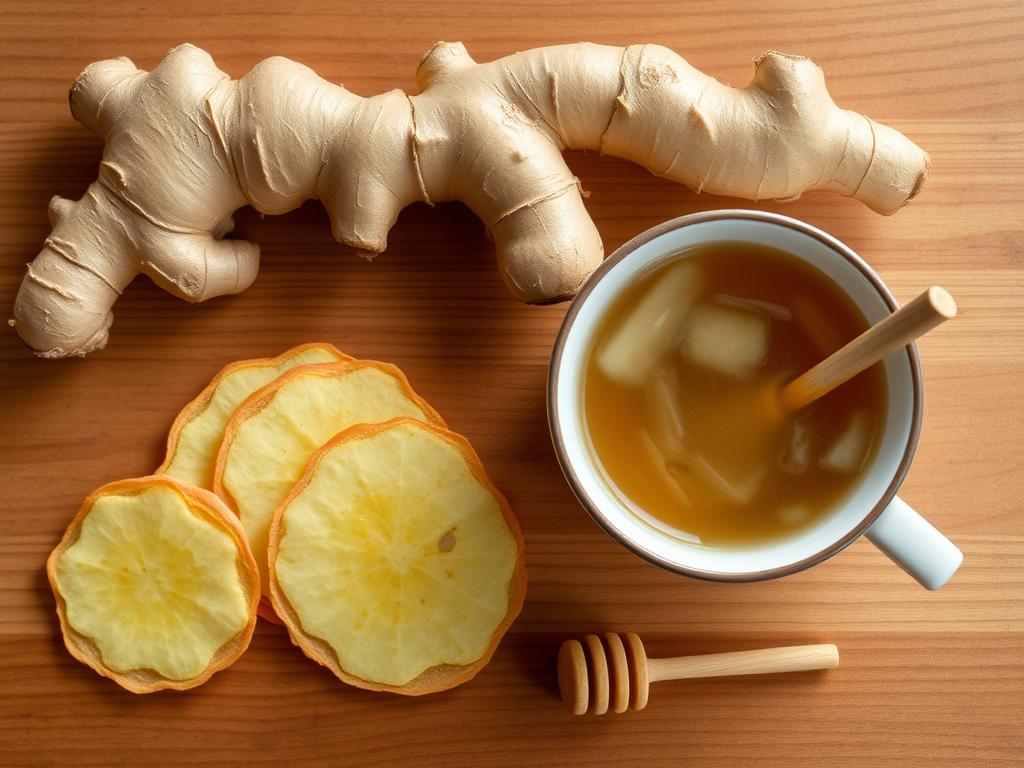
2. Ginger (Zingiber officinale)
Benefits
Ginger has been used for thousands of years to address digestive issues and nausea. Modern studies have confirmed its effectiveness for reducing nausea associated with pregnancy, chemotherapy, and motion sickness. Additionally, ginger contains potent anti-inflammatory compounds that may help with pain management and support immune function.
How to Use
Fresh ginger can be steeped in hot water to make tea, added to smoothies, or used in cooking. Dried ginger powder and standardized supplements are also widely available. For digestive support, try chewing on a small piece of fresh ginger or sipping ginger tea.
Precautions
Ginger is generally considered safe for most people when used in culinary amounts. However, higher medicinal doses may interact with blood-thinning medications and should be avoided before surgery. Some people may experience mild heartburn or digestive discomfort with large amounts.
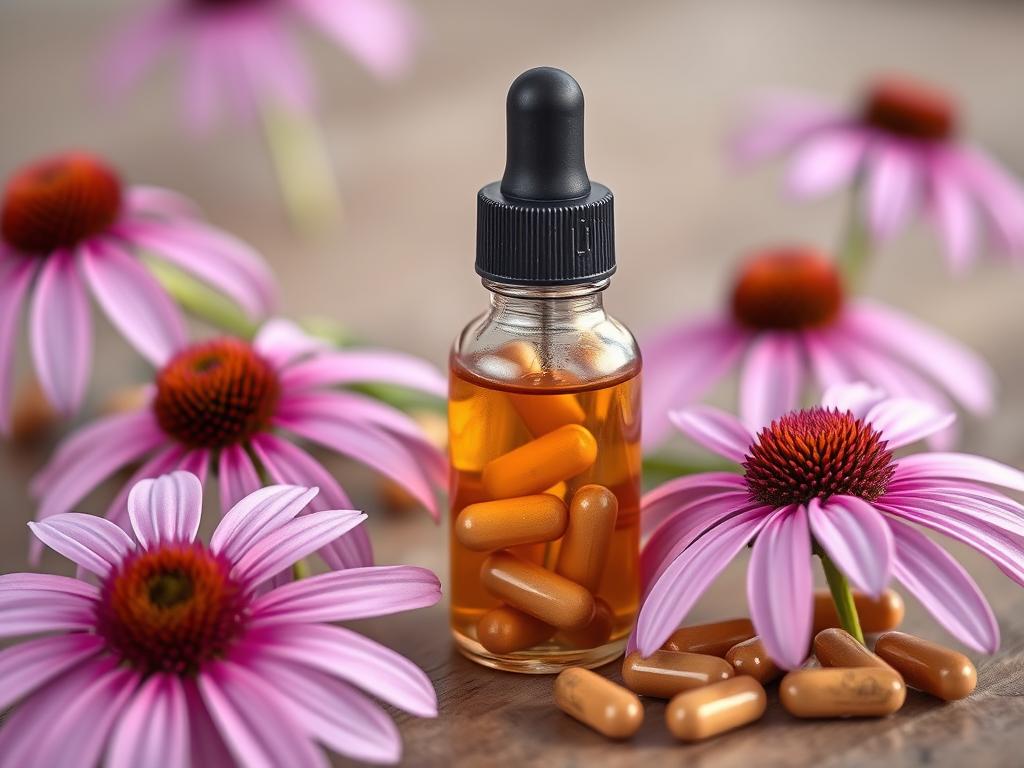
3. Echinacea (Echinacea purpurea)
Benefits
Echinacea is best known for its immune-supporting properties. Research suggests it may help reduce the risk of catching a common cold by up to 20% and potentially shorten the duration of cold symptoms. Its active compounds appear to stimulate the immune system and have mild anti-inflammatory effects.
How to Use
Echinacea is available as tea, tincture, capsules, and tablets. For immune support during cold and flu season, many herbalists recommend taking echinacea at the first sign of symptoms. The root, leaves, and flowers all contain medicinal compounds, though many believe the root offers the strongest effects.
Precautions
While short-term use is generally considered safe, some people may experience allergic reactions, especially those with allergies to plants in the daisy family. People with autoimmune conditions should consult a healthcare provider before using echinacea due to its immune-stimulating effects.
4. Lavender (Lavandula angustifolia)

Benefits
Lavender is renowned for its calming and relaxing properties. Studies suggest that lavender aromatherapy may help reduce anxiety, improve sleep quality, and alleviate mild headaches. Its gentle nature makes it suitable for many people, including those who are sensitive to stronger herbs.
How to Use
Lavender can be used as an essential oil for aromatherapy (diffused or inhaled), brewed as a tea, added to bath water, or applied topically when properly diluted in a carrier oil. Dried lavender flowers can be placed in sachets under pillows to promote restful sleep.
Precautions
Lavender is generally well-tolerated when used appropriately. However, undiluted essential oil should never be applied directly to the skin. Some research suggests that lavender oil products may have hormone-like effects, so those with hormone-sensitive conditions should use caution.
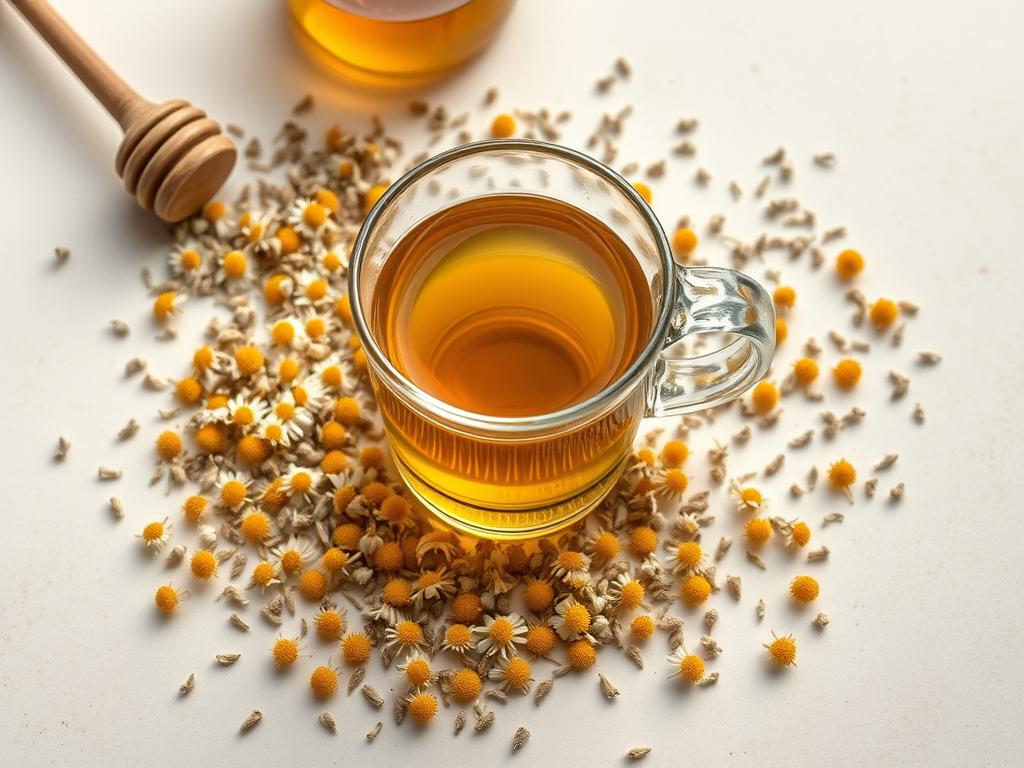
5. Chamomile (Matricaria chamomilla)
Benefits
Chamomile is one of the most widely used herbal remedies for promoting relaxation and supporting digestive health. Research indicates that chamomile contains compounds that may help reduce inflammation, ease muscle spasms, and promote sleep. It’s particularly valued for its gentle nature, making it suitable for children and sensitive individuals.
How to Use
Chamomile is most commonly consumed as a tea, with 1-2 teaspoons of dried flowers steeped in hot water for 5-10 minutes. It’s also available in capsules, liquid extracts, and as an essential oil for aromatherapy. For digestive comfort, drinking chamomile tea after meals may be beneficial.
Precautions
While chamomile is generally considered safe, those with allergies to plants in the daisy family (including ragweed and chrysanthemums) should use caution. Chamomile may also interact with blood-thinning medications and sedatives. Pregnant women should consult healthcare providers before using medicinal amounts.
6. Ashwagandha (Withania somnifera)

Benefits
Ashwagandha is an adaptogenic herb that has been used in Ayurvedic medicine for centuries. Modern research suggests it may help the body manage stress by reducing cortisol levels, supporting adrenal function, and promoting mental clarity. Studies also indicate potential benefits for improving sleep quality and supporting immune function.
How to Use
Ashwagandha is typically taken as a powder mixed with warm milk or water, often with a small amount of honey. It’s also available in capsules, tablets, and tinctures. For stress management, consistent daily use over several weeks may be more effective than occasional use.
Precautions
While generally considered safe for most people, ashwagandha may increase thyroid hormone levels and should be used with caution by those with thyroid disorders. It may also interact with medications for diabetes, high blood pressure, and immunosuppressants. Pregnant women should avoid medicinal doses.
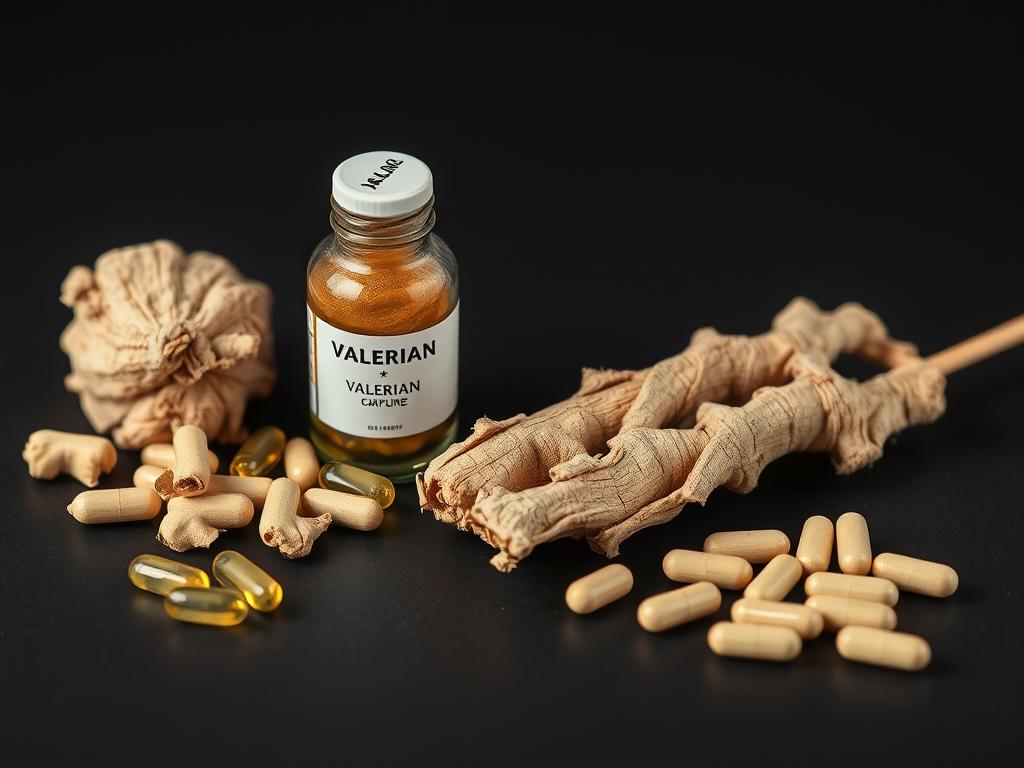
7. Valerian (Valeriana officinalis)
Benefits
Often called “nature’s Valium,” valerian root has been used for centuries to promote relaxation and improve sleep quality. Research suggests that compounds in valerian may increase levels of GABA, a calming neurotransmitter in the brain. Some studies indicate it may help reduce the time it takes to fall asleep and improve overall sleep quality.
How to Use
Valerian is available as a tea, tincture, capsule, or tablet. For sleep support, it’s typically taken 30-60 minutes before bedtime. The dried root can be steeped in hot water for tea, though many find the taste unpleasant and prefer capsule form.
Precautions
While generally considered safe for short-term use, valerian may cause side effects including headache, dizziness, and morning grogginess in some people. It should not be combined with alcohol, sleep medications, or other sedatives. Those with liver disease should avoid valerian, and it’s not recommended for use during pregnancy or breastfeeding.
8. Milk Thistle (Silybum marianum)

Benefits
Milk thistle has been used for over 2,000 years to support liver health. Its active compound, silymarin, has been studied for its potential to protect liver cells from toxins, reduce inflammation, and support the regeneration of liver tissue. Some research suggests it may help manage certain liver conditions and support detoxification processes.
How to Use
Milk thistle is most commonly taken as a standardized extract in capsule or tablet form. The seeds can also be ground and steeped to make tea, though the active compounds are not highly water-soluble. For liver support, consistent daily use is typically recommended rather than occasional use.
Precautions
Milk thistle is generally well-tolerated, with digestive discomfort being the most common side effect. People with allergies to plants in the daisy family should use caution. Milk thistle may interact with certain medications processed by the liver, so consult your healthcare provider if you’re taking prescription medications.
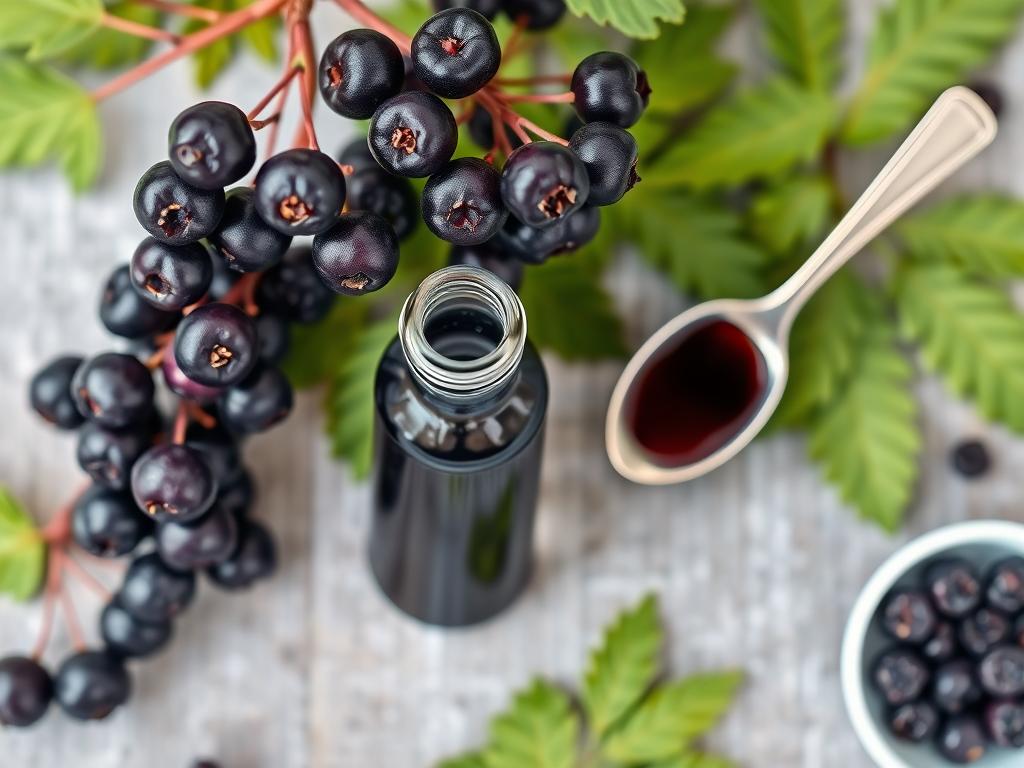
9. Elderberry (Sambucus nigra)
Benefits
Elderberry has a long history of use for supporting immune function, particularly during cold and flu season. Research suggests that elderberry extract may help reduce the duration and severity of upper respiratory symptoms. Rich in antioxidants called anthocyanins, elderberry may also offer anti-inflammatory benefits.
How to Use
Elderberry is available as syrup, gummies, lozenges, and capsules. Many people take elderberry daily during cold and flu season for prevention, or at the first sign of symptoms. Homemade elderberry syrup can be prepared by cooking the berries with honey and spices, though commercial preparations ensure proper processing of the raw berries.
Precautions
It’s crucial to note that raw elderberries contain compounds that can cause nausea, vomiting, and diarrhea, so they must be properly cooked before consumption. The leaves, stems, and unripe berries contain toxic substances and should be avoided. People with autoimmune conditions should consult a healthcare provider before using elderberry due to its immune-stimulating effects.
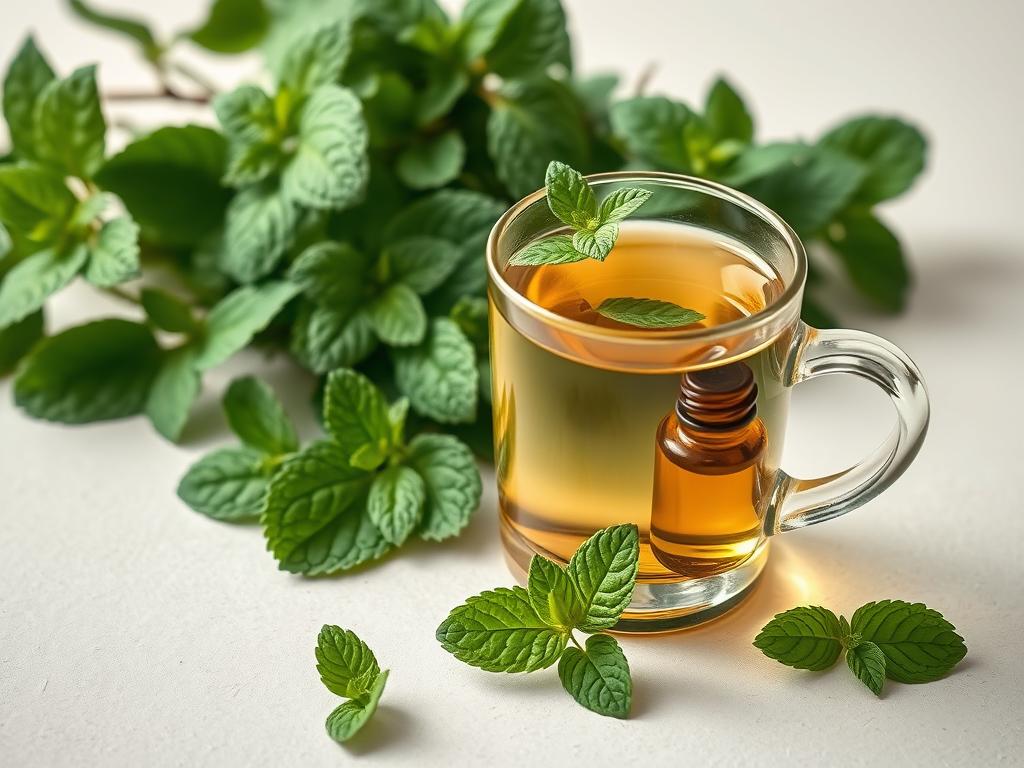
10. Peppermint (Mentha × piperita)
Benefits
Peppermint is renowned for its digestive benefits and refreshing properties. Research supports its use for relieving irritable bowel syndrome (IBS) symptoms, reducing nausea, and easing headache pain. The active compound menthol provides a cooling sensation that may help relax muscles and ease tension.
How to Use
Peppermint can be consumed as a tea, taken as enteric-coated capsules (for IBS), or used as an essential oil for aromatherapy. Fresh or dried leaves can be steeped in hot water for 5-10 minutes to make tea. For headache relief, diluted peppermint oil may be applied to the temples (avoiding eyes).
Precautions
While generally safe for most people, peppermint may worsen acid reflux or GERD symptoms in some individuals. Those with gallstones should consult a healthcare provider before using peppermint oil capsules. Peppermint essential oil should always be diluted before topical application and kept away from the eyes, mucous membranes, and the faces of infants and young children.
Important Safety Considerations for Herbal Therapies
Consult a Healthcare Professional: Always talk to your doctor before starting any herbal therapy, especially if you have existing health conditions, are pregnant or breastfeeding, or take medications.
Quality Matters
The quality of herbal products varies widely. Look for reputable brands that undergo third-party testing and provide standardized extracts when appropriate. Organic herbs may contain fewer pesticide residues.
Potential Interactions
Herbs can interact with prescription medications, sometimes with serious consequences. For example, St. John’s wort interacts with many medications, including birth control pills and blood thinners.
Start Low and Go Slow
When trying a new herbal therapy, start with a low dose and gradually increase as needed and tolerated. This approach helps minimize potential side effects and allows you to assess your body’s response.
Know When to Seek Medical Care
Herbal therapies should complement, not replace, conventional medical care. Serious symptoms require proper medical evaluation and treatment. Never delay seeking medical attention for serious conditions.

Always consult with a healthcare professional before starting any herbal therapy regimen
Tips for Integrating Herbal Therapies into Your Wellness Routine
- Start with one herb at a time – This helps you identify which herbs work best for your body and makes it easier to identify any potential reactions.
- Keep a journal – Track which herbs you use, dosages, and any effects (positive or negative) you notice. This information can be valuable for you and your healthcare provider.
- Be consistent – Many herbal therapies work best with regular use over time rather than as occasional quick fixes.
- Consider the form – Different preparations (teas, tinctures, capsules) may be more appropriate depending on the herb and your needs.
- Learn proper storage – Most dried herbs and prepared products should be stored in cool, dark places to maintain potency.
- Understand timing – Some herbs are best taken with food, while others work better on an empty stomach. Research or consult an herbalist for specific guidance.
Embracing the Healing Power of Herbs
Herbal therapies for natural healing offer a wonderful complement to a holistic wellness approach. By understanding their benefits, proper usage, and important safety considerations, you can make informed choices about incorporating these natural remedies into your life. Remember that herbal medicine is just one aspect of a healthy lifestyle that should also include proper nutrition, regular physical activity, stress management, and appropriate medical care.
As interest in traditional healing practices continues to grow, more research is being conducted to better understand the mechanisms and efficacy of various herbal therapies. This expanding body of knowledge helps bridge traditional wisdom with modern science, offering the best of both worlds for those seeking natural approaches to health and wellness.
Ready to Explore Herbal Therapies Safely?
Download our free guide “Getting Started with Herbal Therapies: A Beginner’s Handbook” for detailed instructions, recipes, and safety information to help you incorporate these natural remedies into your wellness routine.
The information in this article is for educational purposes only and is not intended to replace medical advice. Always consult with a qualified healthcare provider before starting any new health regimen.
Discover more from Cozy Corner
Subscribe to get the latest posts sent to your email.